- Your Complete Guide to Japanese Currency and Payment Methods
- Understanding Japanese Currency: The Yen System
- Japan's Cash Culture: Why Physical Money Still Rules
- Modern Payment Methods: Cards and Digital Solutions
- Getting Cash in Japan: ATMs and Currency Exchange
- Regional Payment Differences and Special Considerations
- Practical Tips for Managing Money in Japan
- Future Trends and Evolving Payment Landscape
- Conclusion: Mastering Japanese Money Matters
Your Complete Guide to Japanese Currency and Payment Methods
Picture this: you’re standing at a bustling Tokyo convenience store, holding a 10,000 yen note, wondering if it’s okay to use it for a 150 yen drink purchase. Or perhaps you’re at a traditional restaurant in Kyoto, pulling out your credit card only to see confused looks from the staff. Understanding Japan’s unique payment landscape is crucial for any visitor who wants to navigate the country smoothly and avoid those awkward moments at checkout.
Japan’s relationship with money is fascinating and complex. While the country is incredibly advanced in technology, it maintains a strong cash-based culture that often surprises first-time visitors. From the pristine condition of paper bills to the intricate world of IC cards and the gradual embrace of digital payments, Japan offers a payment experience unlike anywhere else in the world.
In this comprehensive guide, we’ll explore everything you need to know about Japanese currency and payment methods. Whether you’re planning your first trip to Japan or you’re a seasoned visitor looking to understand the nuances of Japanese financial culture, this article will equip you with the knowledge and confidence to handle money matters like a local.
Understanding Japanese Currency: The Yen System
Basic Currency Structure
The Japanese yen (¥ or JPY) is one of the world’s major currencies and has been Japan’s official currency since 1871. Unlike many Western currencies that use decimal systems with cents or pence, the yen operates without subdivision – what you see is what you get. This makes calculations refreshingly straightforward once you get used to the larger numbers.
Japanese currency comes in both coins and banknotes, each with distinct characteristics that make them easy to identify. The coins are particularly interesting because they’re made from different materials and have unique designs that reflect Japanese culture and history.
Coins: Small but Significant
Japanese coins come in six denominations, and understanding them is essential for daily transactions. The 1 yen coin, made of aluminum, is so light it can float on water – a fun fact that never fails to amaze visitors. These coins might seem insignificant, but in Japan’s precise culture, every yen matters.
The 5 yen coin holds special cultural significance beyond its monetary value. With a hole in the center and the word “go-en” sounding like the word for destiny or connection, these coins are often given as good luck charms or used in shrine offerings. The 10 yen coin, made of bronze, is commonly used for temple and shrine donations.
Medium denomination coins include the 50 yen piece (also with a hole) and the 100 yen coin, which is roughly equivalent to a US dollar and frequently used in vending machines. The largest coin, 500 yen, is worth about $3-4 USD and is one of the highest-value coins in regular circulation worldwide.
Banknotes: Art and Security Combined
Japanese banknotes are renowned for their quality, artistic design, and advanced security features. The current series, introduced in 2024, features historical figures and incorporates cutting-edge anti-counterfeiting technology.
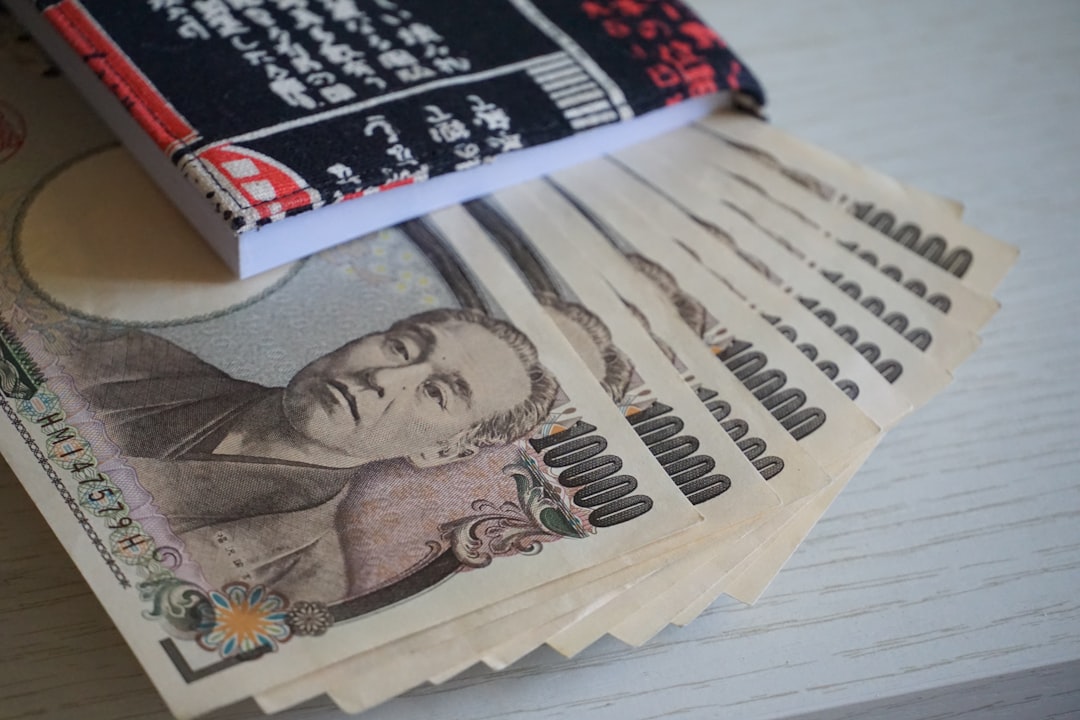
The 1,000 yen note (roughly $7-8 USD) is the most commonly used bill for daily purchases. It’s perfect for convenience store visits, train fare top-ups, and small restaurant meals. The 5,000 yen note serves as a middle denomination, while the 10,000 yen note (about $70-80 USD) is the largest regular denomination.
One thing that consistently amazes visitors is the pristine condition of Japanese money. Bills are treated with respect, never folded carelessly, and ATMs even iron them before dispensing. This attention to detail reflects the broader Japanese cultural value of treating objects with care and respect.
| Denomination | Type | Approximate USD Value | Common Uses | Cultural Notes |
|---|---|---|---|---|
| 1 yen | Coin (Aluminum) | $0.007 | Exact change, collections | Can float on water |
| 5 yen | Coin (Brass) | $0.035 | Shrine offerings | Lucky coin (go-en = good fortune) |
| 10 yen | Coin (Bronze) | $0.07 | Temple donations, small purchases | Features Byodoin Temple |
| 50 yen | Coin (Nickel) | $0.35 | Vending machines, parking meters | Has hole in center |
| 100 yen | Coin (Nickel) | $0.70 | Vending machines, 100-yen shops | Most common coin for shopping |
| 500 yen | Coin (Nickel-brass) | $3.50 | Medium purchases, saving | High-value coin, collectible |
| 1,000 yen | Banknote | $7 | Daily purchases, convenience stores | Most used banknote |
| 5,000 yen | Banknote | $35 | Restaurant meals, shopping | Less common than 1,000 and 10,000 |
| 10,000 yen | Banknote | $70 | Large purchases, rent, hotels | Highest regular denomination |
Japan’s Cash Culture: Why Physical Money Still Rules
The Deep Roots of Cash Preference
Japan’s continued reliance on cash might seem puzzling in a country that’s pioneered so many technological innovations. However, this preference stems from deep cultural values around privacy, security, and tangible transactions. Many Japanese people appreciate the anonymity that cash provides and the physical confirmation of a completed transaction.
Cash also represents financial discipline in Japanese culture. When you pay with physical money, you’re immediately aware of how much you’re spending, which aligns with traditional values of frugality and mindful consumption. This tangible connection to money helps maintain the cultural practice of careful budgeting and avoiding debt.
Practical Implications for Visitors
For travelers, Japan’s cash culture means always carrying sufficient yen for daily needs. While this might feel unusual if you’re from a card-heavy society, it offers some unique advantages. Cash transactions are incredibly fast – no waiting for card processing or dealing with connection issues. You’ll also find that service staff are expertly trained in handling cash transactions with remarkable speed and accuracy.
Small businesses, traditional restaurants, local festivals, and many tourist attractions still operate primarily on cash. Even some modern establishments prefer cash because it eliminates credit card processing fees and simplifies their accounting. Don’t be surprised to find that a high-tech electronics store only accepts cash – it’s not unusual in Japan.
Cash Handling Etiquette
Japanese cash handling involves specific etiquettes that show respect and professionalism. When making purchases, place your money in the small tray (called “kassatsu-uke”) provided at most registers rather than handing it directly to the cashier. This practice maintains hygiene and shows respect for both the money and the person handling it.
When receiving change, it’s customary to wait while the cashier carefully counts it out and presents it to you, often with both hands. Take a moment to acknowledge the transaction with a slight bow or “arigatou gozaimasu” (thank you). These small gestures demonstrate cultural awareness and are always appreciated.
Modern Payment Methods: Cards and Digital Solutions
Credit and Debit Cards: Growing Acceptance
While Japan has historically been cash-dominant, credit and debit card acceptance has significantly improved, especially in urban areas and tourist destinations. Major international brands like Visa, Mastercard, and American Express are widely accepted at larger retailers, department stores, hotels, and restaurants catering to international visitors.
However, card acceptance varies dramatically by location and business type. Chain convenience stores like 7-Eleven, FamilyMart, and Lawson accept most major cards, but smaller family-run establishments often don’t. Even in Tokyo, you might find restaurants that only accept cash, so it’s essential to always have backup yen available.
When using cards, be aware that some establishments have minimum purchase requirements, typically around 1,000 yen. Additionally, some places may add a small surcharge for card payments, though this is becoming less common as digital payments become more mainstream.
IC Cards: The Japanese Innovation
IC cards represent one of Japan’s most successful payment innovations. These rechargeable cards were originally designed for train travel but have evolved into comprehensive payment solutions accepted at thousands of locations nationwide. The most famous examples include Suica (JR East), Pasmo (Tokyo Metro), and Icoca (JR West).
For visitors, IC cards offer incredible convenience. You can use them for train travel, subway rides, bus transportation, convenience store purchases, vending machines, and even some restaurants and shops. The cards work through simple tap-and-go technology, making transactions faster than fumbling with coins.
Getting an IC card is straightforward at any major train station. You’ll need to pay a 500 yen deposit (refundable when you return the card) and can load it with any amount from 500 to 20,000 yen. The cards can be recharged at ticket machines, convenience stores, or through smartphone apps if you have a compatible device.
Mobile Payment Revolution
Japan’s mobile payment landscape has exploded in recent years, driven partly by the 2020 Olympics preparation and the COVID-19 pandemic’s push toward contactless payments. Popular services include PayPay (Japan’s leading QR code payment system), LINE Pay, Rakuten Pay, and various bank-specific apps.
International visitors can sometimes use these services, but setup often requires a Japanese bank account or specific documentation. However, many Japanese smartphones now support international mobile wallets through FeliCa technology, allowing visitors with compatible devices to add Suica cards to their phones for seamless payments.
| Payment Method | Acceptance Rate | Best For | Tourist Accessibility | Setup Difficulty |
|---|---|---|---|---|
| Cash (Yen) | 100% | All purchases, traditional establishments | Excellent | None – just exchange currency |
| Credit Cards | 70-80% in cities | Hotels, department stores, chain restaurants | Good | Use existing international cards |
| IC Cards (Suica/Pasmo) | 60-70% in urban areas | Transport, convenience stores, vending machines | Excellent | Easy – buy at any station |
| PayPay/QR Payments | 40-50% and growing | Modern retail, tech-savvy establishments | Moderate | Complex – requires Japanese phone/bank |
| International Mobile Pay | 20-30% in tourist areas | Major retailers, tourist attractions | Limited | Varies by service and phone compatibility |
Getting Cash in Japan: ATMs and Currency Exchange
The ATM Landscape
Finding ATMs that accept foreign cards was once a major challenge in Japan, but the situation has improved dramatically. The key is knowing where to look and understanding the different types of ATMs available throughout the country.
7-Eleven convenience stores are your best friend for cash access. Their ATMs, operated by Seven Bank, accept most international cards and are available 24/7 in most locations. With over 25,000 7-Eleven stores across Japan, you’re rarely far from accessible cash. The ATMs offer English language options and provide clear, step-by-step instructions.
Japan Post ATMs, found in post offices and some convenience stores, also widely accept international cards. These red ATMs are particularly useful because post offices are found even in remote rural areas. However, operating hours may be limited compared to convenience store ATMs.
Major Bank ATMs and International Access
While Japanese bank ATMs have traditionally been less international-friendly, major banks like MUFG, Sumitomo Mitsui, and Mizuho have expanded their international card acceptance. These ATMs are typically found in bank branches, major shopping areas, and transportation hubs.
Airport ATMs deserve special mention as they’re often your first point of cash access. Both Narita and Haneda airports have multiple international-friendly ATM options, including dedicated currency exchange machines that can handle various foreign currencies.
Currency Exchange Options
Traditional currency exchange remains popular, especially for visitors who prefer to arrive with cash already in hand. Banks offer exchange services, but rates and convenience vary. Major banks like MUFG and Sumitomo Mitsui provide currency exchange at branches and some hotel locations.
Dedicated currency exchange shops, particularly common in tourist areas like Shibuya, Shinjuku, and Osaka’s Dotonbori, often offer competitive rates and longer operating hours than banks. Some shops specialize in specific currencies and may offer better rates for larger amounts.
Hotels typically offer currency exchange services, though rates are usually less favorable than banks or specialized exchange shops. However, the convenience factor can be worth the slightly higher cost, especially for smaller amounts or emergency situations.
Planning Your Cash Strategy
Successful cash management in Japan requires planning and backup strategies. Start by withdrawing a substantial amount upon arrival – most visitors find that 30,000-50,000 yen provides a good foundation for several days of travel, depending on your spending habits and accommodation arrangements.
Consider your daily cash needs: budget around 3,000-5,000 yen per day for meals, transportation, and incidental purchases. For shopping days or special experiences, plan for significantly more. Keep cash in different locations – some in your wallet for daily use, some in your hotel safe, and perhaps a small emergency amount in your luggage.
| ATM/Exchange Location | International Card Acceptance | Operating Hours | English Support | Typical Fees |
|---|---|---|---|---|
| 7-Eleven ATMs | Excellent (Visa, MC, Plus, Cirrus) | 24/7 most locations | Full English interface | ¥110 + foreign bank fees |
| Japan Post ATMs | Good (most major networks) | 9:00-21:00 typical | English available | ¥110 + foreign bank fees |
| Major Bank ATMs | Limited but improving | Business hours + some 24/7 | Basic English | ¥110-220 + foreign bank fees |
| Airport Exchange | Cash exchange only | 6:00-23:00 typical | Full English service | 3-5% margin on exchange rate |
| Hotel Exchange | Cash exchange only | Front desk hours | English speaking staff | 4-7% margin on exchange rate |
Regional Payment Differences and Special Considerations
Urban vs. Rural Payment Landscapes
Japan’s payment methods vary significantly between urban and rural areas, and understanding these differences is crucial for travelers planning to explore beyond major cities. Tokyo, Osaka, and other metropolitan areas have embraced modern payment methods much more readily than rural regions, where traditional cash-based transactions remain the absolute norm.
In cities like Tokyo and Osaka, you’ll find widespread credit card acceptance at major retailers, restaurants, and tourist attractions. Digital payment options like PayPay and mobile wallets are increasingly common, especially in trendy districts like Shibuya, Harajuku, and Namba. However, even within these urban areas, small family-run restaurants, traditional shops, and local markets often still prefer cash.
Rural Japan presents a different scenario entirely. Small mountain towns, traditional ryokans, local restaurants, and family-owned shops typically operate on cash-only basis. Even some larger establishments in rural areas may not have credit card processing capabilities, viewing the equipment and fees as unnecessary expenses for their local customer base.
Regional IC Card Systems
While major IC cards like Suica and Pasmo work nationwide for transportation, regional variations exist that can affect your payment options. Each region has developed its own IC card system optimized for local transportation networks and partnerships with area businesses.
In the Kansai region (Osaka, Kyoto, Kobe), ICOCA cards are prevalent and offer partnerships with local retailers that might not accept Tokyo-based cards for purchases. Similarly, Fukuoka’s SUGOCA, Sapporo’s SAPICA, and other regional cards provide optimized local functionality but may have limited acceptance outside their home regions.
For visitors planning multi-region travel, sticking with major cards like Suica or investing in a Japan Rail Pass often provides the most consistent experience across different areas of the country.
Seasonal and Event-Based Considerations
Japan’s payment landscape can shift dramatically during major events, festivals, and peak travel seasons. During cherry blossom season, Golden Week, or summer festivals, even businesses that typically accept cards may revert to cash-only operations due to increased volume and temporary staffing.
Festival vendors, street food stalls, and temporary market installations almost exclusively operate on cash. If you’re planning to attend local matsuri (festivals) or visit seasonal events, ensure you have plenty of small denomination bills and coins for food, games, and souvenir purchases.
Practical Tips for Managing Money in Japan
Daily Money Management Strategies
Successful money management in Japan requires developing habits that align with local customs and practical realities. Start each day by checking your cash situation and planning your withdrawal needs. Many visitors find it helpful to designate specific times for ATM visits, such as morning convenience store stops or lunch break errands.
Organize your cash thoughtfully. Japanese wallets often have separate compartments for bills and coins because coin usage is much higher than in many Western countries. Consider investing in a proper Japanese-style wallet or use multiple compartments in your existing wallet to keep different denominations organized and easily accessible.
Keep a mental tally of your daily cash usage to better understand your spending patterns. Most visitors are surprised by how much they spend in cash during their first few days in Japan, as the combination of convenience store visits, train fares, and small purchases adds up quickly.
Emergency Cash Backup Plans
Always maintain emergency cash reserves in case of unexpected situations. ATM networks occasionally experience outages, especially during natural disasters or major system maintenance periods. Keep emergency funds separate from your daily cash – perhaps 10,000-15,000 yen in your hotel safe or a secure pocket in your luggage.
Notify your bank before traveling and ensure you have multiple ways to access money. Bring cards from different banks if possible, as some international networks have better relationships with Japanese ATM systems than others. Keep important phone numbers and card information separately from your actual cards.
Understanding Tipping Culture and Additional Costs
One advantage of Japan’s payment culture is the complete absence of tipping expectations. The price you see is the price you pay, with excellent service included as standard. This eliminates the mental math of calculating gratuities and makes budget planning more straightforward.
However, be aware of consumption tax (currently 10% for most goods and services, 8% for food and beverages consumed off-premises). This tax is usually included in displayed prices, but occasionally you may encounter tax-exclusive pricing, particularly at higher-end establishments or for certain services.
Shopping and Souvenir Purchasing
Japan’s shopping culture intersects interestingly with its payment methods. Department stores and major retailers typically accept international credit cards and may offer tax-free shopping for tourists, requiring passport presentation and minimum purchase amounts (usually 5,000 yen).
Traditional shopping districts, local markets, and souvenir shops often operate primarily on cash. The famous Tsukiji Outer Market, traditional craft shops in historic districts, and many unique local boutiques prefer cash transactions. Budget accordingly when planning shopping expeditions to these areas.
100-yen shops (Japan’s equivalent to dollar stores) are cash-friendly environments where you can find amazing deals on everyday items, gifts, and travel necessities. These shops are perfect for stretching your yen and finding unique Japanese products at incredibly low prices.
Future Trends and Evolving Payment Landscape
The Digital Payment Revolution
Japan’s payment landscape is undergoing rapid transformation, accelerated by recent global events and changing consumer preferences. The government has actively promoted cashless payments through various incentive programs, and younger generations are increasingly embracing digital payment methods.
QR code payments, led by services like PayPay, have seen explosive growth. These services offer instant payments, loyalty rewards, and integration with popular apps and services. While setup can be challenging for international visitors, the infrastructure is expanding rapidly across the country.
Cryptocurrency acceptance, while still limited, is growing in certain sectors, particularly in tech-forward areas of Tokyo. Some hotels, restaurants, and electronics retailers now accept Bitcoin and other digital currencies, though this remains a niche option rather than mainstream practice.
Tourism-Focused Payment Solutions
Recognizing the challenges international visitors face, Japan has developed several tourism-specific payment solutions. Prepaid tourist cards, international visitor IC cards, and specialized ATM networks are expanding to serve the growing number of foreign travelers.
Major tourist destinations are increasingly implementing multilingual payment systems and international standard contactless payment acceptance. This trend is particularly noticeable in areas like Tokyo’s Shibuya and Harajuku, Osaka’s Dotonbori, and major shrine and temple complexes.
Maintaining Cultural Balance
Despite technological advances, Japan continues to balance innovation with cultural tradition. Cash remains deeply embedded in Japanese culture, representing values of tangibility, privacy, and respect. The coexistence of ultra-modern payment technologies alongside traditional cash practices reflects Japan’s broader approach to preserving cultural values while embracing beneficial innovations.
This balance means visitors can expect to encounter both cutting-edge payment technologies and traditional cash-only establishments, sometimes within the same neighborhood or even the same building. Understanding and respecting this duality is key to navigating Japan’s payment landscape successfully.
Conclusion: Mastering Japanese Money Matters
Understanding Japanese currency and payment methods is far more than a practical necessity – it’s a window into Japanese culture and values. The meticulous care with which money is handled, the respect for tangible transactions, and the gradual embrace of digital innovations all reflect deeper cultural principles that define modern Japan.
For visitors, success in Japan’s payment landscape comes from preparation, flexibility, and cultural sensitivity. Always carry sufficient cash as your primary payment method, but don’t hesitate to use cards and IC cards where accepted. Embrace the efficiency of convenience store ATMs, respect cash-handling etiquette, and appreciate the precision and courtesy that characterizes every financial transaction.
The key takeaways for navigating Japanese payment methods are straightforward but crucial: prioritize cash as your primary payment method, especially for small purchases and traditional establishments. Invest in an IC card for transportation and convenience store purchases. Use international credit cards at larger retailers and tourist-oriented businesses, but always have a cash backup plan.
Remember that Japan’s payment culture is evolving rapidly, but this evolution builds upon rather than replaces traditional practices. The country’s approach to money reflects broader values of respect, precision, and quality that permeate Japanese society. By understanding and adapting to these payment methods, you’re not just ensuring smooth transactions – you’re showing respect for Japanese culture and enhancing your overall travel experience.
Whether you’re buying your first convenience store onigiri with carefully counted coins or confidently tapping your IC card at a busy Tokyo station, mastering Japanese payment methods will make your journey smoother, more enjoyable, and more authentically Japanese. The effort you put into understanding these systems will be rewarded with seamless transactions, cultural insights, and the confidence that comes from navigating Japan like a knowledgeable traveler.
Photo by Cullen Cedric on Unsplash