- The Heart and Soul of Japanese Street Food Culture
- Understanding Takoyaki: The Octopus Ball Phenomenon
- Mastering Okonomiyaki: Japan's Savory Pancake
- Hidden Gems and Local Favorites
- Regional Variations and Specialties
- Practical Tips for the Perfect Experience
- Making the Most of Your Street Food Adventure
- Conclusion: Embracing Japan's Street Food Culture
The Heart and Soul of Japanese Street Food Culture
When you walk through the bustling streets of Japan, few aromas are as instantly recognizable and mouth-watering as the sizzling sounds and savory scents of takoyaki and okonomiyaki. These two iconic dishes represent more than just street food – they embody the communal spirit of Japanese dining culture and offer visitors an authentic taste of regional flavors that have been perfected over generations.
Takoyaki, the beloved octopus balls from Osaka, and okonomiyaki, the savory pancakes often called “Japanese pizza,” serve as perfect entry points for travelers wanting to experience Japan’s vibrant food scene without breaking the bank. Whether you’re a first-time visitor or a seasoned Japan enthusiast, understanding where to find the best versions of these dishes will enhance your culinary adventure immeasurably.
This comprehensive guide will take you through the best spots across Japan to experience these street food classics, from legendary establishments that have been serving families for decades to hidden gems that locals guard jealously. You’ll learn not just where to eat, but how to order, what to expect, and how to fully appreciate the cultural significance of each bite.
Understanding Takoyaki: The Octopus Ball Phenomenon
What Makes Great Takoyaki
Takoyaki represents the pinnacle of Japanese street food craftsmanship. These spherical delights consist of a wheat flour-based batter cooked in special molded pans, each ball containing a tender piece of octopus, tempura scraps (tenkasu), pickled ginger, and green onions. The magic happens in the cooking technique – skilled vendors use special picks to constantly turn the balls, creating a perfectly round shape with a crispy exterior and creamy, almost molten interior.
The finishing touches separate good takoyaki from extraordinary ones. Traditional toppings include takoyaki sauce (similar to Worcestershire sauce but sweeter), Japanese mayonnaise, dried bonito flakes (katsuobushi) that dance from the heat, and dried seaweed (aonori). The interplay of textures – from the crunchy exterior to the flowing interior, combined with the umami-rich toppings – creates a flavor experience that’s uniquely Japanese.
Osaka: The Takoyaki Capital
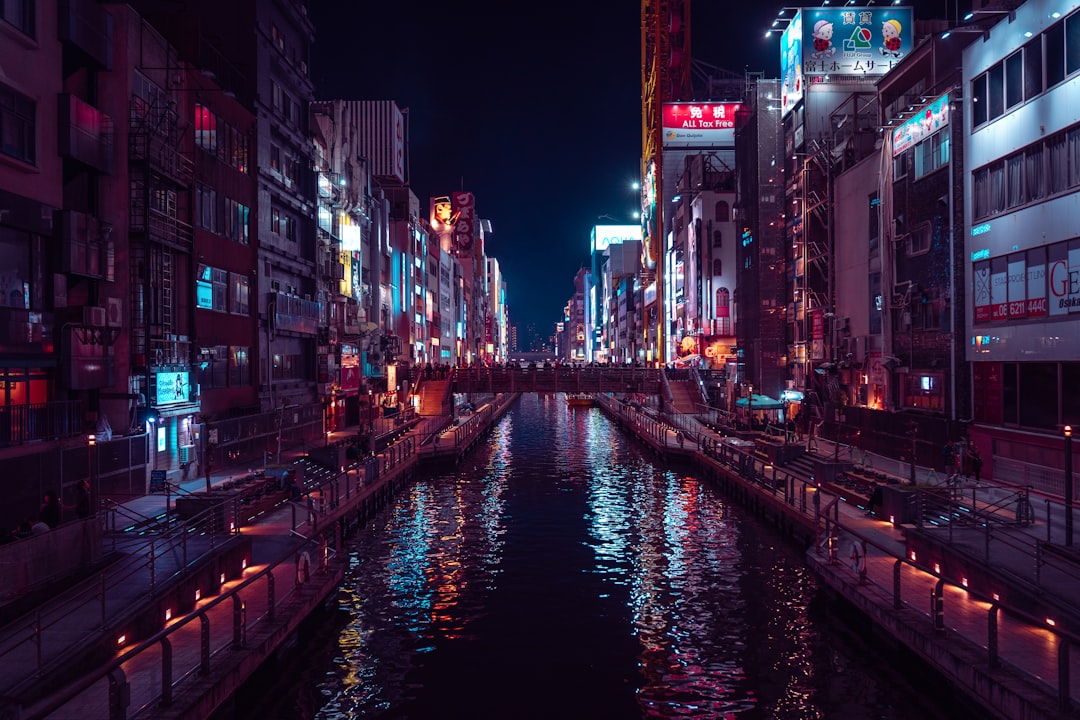
Osaka rightfully claims the title of takoyaki capital, with the dish originating here in the 1930s. The city’s Dotonbori district serves as takoyaki ground zero, where multiple renowned vendors compete for the attention of both locals and tourists. The atmosphere in this neon-lit entertainment district perfectly complements the casual, social nature of takoyaki consumption.
Takoyaki Juhachiban stands out as one of Dotonbori’s most respected establishments. Located near the famous Glico running man sign, this vendor has perfected their recipe over decades. Their takoyaki features a particularly creamy interior with generous octopus pieces, and they’re known for their perfect balance of sauce and mayonnaise. Expect to pay around 600-800 yen for a serving of eight balls.
Takoyaki Daruma offers another exceptional experience in Osaka, with multiple locations throughout the city. Their signature lies in the slightly firmer exterior texture they achieve, creating more contrast with the creamy center. The original Shinsekai location provides the most authentic atmosphere, surrounded by the retro charm of this historic district.
Takoyaki Museum Osaka in Tempozan Harbor Village deserves special mention for offering multiple takoyaki vendors under one roof. This food court-style setup allows you to compare different styles and techniques side by side, making it perfect for takoyaki enthusiasts who want to understand regional variations within Osaka itself.
Tokyo’s Takoyaki Scene
While Tokyo may not be the birthplace of takoyaki, the capital has developed its own distinct approach to these octopus balls. Tokyo-style takoyaki often features slightly different seasoning and sometimes incorporates local ingredients or preparation methods.
Gindarou in Shibuya has earned a reputation for serving some of Tokyo’s finest takoyaki. Their version features a particularly generous amount of octopus, and they offer unique seasonal variations that you won’t find in Osaka. The location in the heart of Shibuya makes it convenient for travelers exploring Tokyo’s famous shopping and entertainment district.
Takoyaki Tetsuji in Harajuku offers a more intimate takoyaki experience. This small stand, often with a line of locals, serves takoyaki that’s noticeably different from the Osaka style – slightly saltier and with a firmer texture. The owner, Tetsuji-san, has been perfecting his technique for over twenty years and is happy to explain his methods to curious visitors.
| Location | Restaurant Name | Price Range (8 pieces) | Special Features | Best Time to Visit |
|---|---|---|---|---|
| Osaka – Dotonbori | Takoyaki Juhachiban | 600-800 yen | Ultra-creamy interior, perfect sauce balance | Evening (6-9 PM) |
| Osaka – Shinsekai | Takoyaki Daruma | 500-700 yen | Firmer texture, retro atmosphere | Lunch or early dinner |
| Tokyo – Shibuya | Gindarou | 700-900 yen | Generous octopus, seasonal variations | Afternoon (2-5 PM) |
| Tokyo – Harajuku | Takoyaki Tetsuji | 650-750 yen | Firmer texture, saltier flavor | Late afternoon |
| Hiroshima – Hondori | Takoyaki Yokocho | 550-650 yen | Local ingredients, unique sauce blend | Evening |
Mastering Okonomiyaki: Japan’s Savory Pancake
The Art of Okonomiyaki
Okonomiyaki translates literally to “grilled as you like it,” reflecting the dish’s customizable nature. This savory pancake combines a wheat flour batter with shredded cabbage as the base, then incorporates various proteins, vegetables, and seasonings. The cooking process involves spreading the mixture on a hot griddle (teppan) and cooking until golden brown on both sides.
What elevates okonomiyaki from a simple pancake to a culinary art form is the layering of flavors and textures. The base provides a hearty, slightly sweet foundation, while the generous amount of cabbage adds freshness and crunch. Proteins like pork, seafood, or cheese contribute richness, and the final toppings – okonomiyaki sauce, mayonnaise, dried bonito flakes, and seaweed powder – create a complex flavor profile that’s both comforting and exciting.
Hiroshima vs. Osaka: The Great Okonomiyaki Divide
Japan’s two main okonomiyaki styles represent fundamentally different approaches to this beloved dish. Understanding these differences will help you appreciate the regional pride and cooking philosophy behind each version.
Osaka-style okonomiyaki mixes all ingredients together before cooking, creating a more uniform pancake. The batter, cabbage, and chosen proteins are combined in a bowl, then cooked as a single unit on the griddle. This method creates a denser, more cake-like texture with flavors distributed throughout.
Hiroshima-style okonomiyaki builds layers separately, starting with a thin crepe-like batter base, then adding cabbage, proteins, and often yakisoba noodles and a fried egg on top. Each layer maintains its distinct identity, and the final product is assembled rather than mixed. This creates more textural variety and allows each component to shine independently.
Hiroshima’s Okonomiyaki Excellence
Hiroshima takes tremendous pride in their okonomiyaki tradition, with the city hosting numerous specialized restaurants and even an entire building dedicated to okonomiyaki vendors.
Okonomimura (Okonomiyaki Village) stands as Hiroshima’s most famous okonomiyaki destination. This three-story building houses 25 different okonomiyaki stalls, each with their own specialties and loyal following. The atmosphere buzzes with the sounds of sizzling griddles and animated conversations between chefs and customers. Each stall typically seats 8-12 people around the cooking surface, creating an intimate dining experience where you can watch your meal being prepared.
Nagataya, located on the third floor of Okonomimura, has earned particular recognition for their generous portions and perfectly executed noodle integration. Their okonomiyaki features extra yakisoba noodles and a signature sauce blend that’s slightly sweeter than typical versions. The owner, a third-generation okonomiyaki chef, maintains strict quality standards and uses locally sourced cabbage.
Hassho offers another exceptional Hiroshima okonomiyaki experience outside of Okonomimura. Located near the Peace Memorial Park, this restaurant provides a more spacious setting while maintaining the authentic teppan-style cooking. Their specialty includes fresh oysters from Hiroshima Bay during oyster season, creating a luxurious version of the traditional dish.
Osaka’s Okonomiyaki Traditions
Osaka’s okonomiyaki scene reflects the city’s reputation as Japan’s kitchen, with numerous establishments serving both traditional and innovative versions of the dish.
Mizuno in Osaka’s Namba district represents the gold standard for Osaka-style okonomiyaki. This family-run restaurant has been operating since the 1940s and maintains traditional preparation methods while using the highest quality ingredients. Their signature pork okonomiyaki features perfectly caramelized edges and a fluffy interior that demonstrates the mastery of Osaka-style technique.
Daruma, famous for kushikatsu, also serves exceptional okonomiyaki that showcases the Osaka approach. Their version includes a secret blend of flour types that creates a particularly light texture, and they’re known for their generous use of premium bonito flakes that continue moving from the heat long after serving.
Kiji in Osaka has gained recognition for their innovative toppings while respecting traditional preparation methods. They offer unique options like mentaiko (spiced cod roe) and cheese combinations that appeal to both traditionalists and adventurous eaters.
| Style | Preparation Method | Texture | Key Characteristics | Average Price |
|---|---|---|---|---|
| Osaka-style | Mixed ingredients, cooked together | Dense, cake-like | Uniform flavor distribution | 800-1200 yen |
| Hiroshima-style | Layered separately | Varied textures per layer | Includes yakisoba noodles, fried egg | 900-1400 yen |
| Tokyo-style | Mixed, often thinner | Lighter, crispier | Less cabbage, more protein options | 1000-1500 yen |
Hidden Gems and Local Favorites
Off the Beaten Path Discoveries
While famous districts like Dotonbori and Okonomimura offer excellent introductions to takoyaki and okonomiyaki, some of Japan’s best versions can be found in neighborhood establishments that rarely see foreign visitors.
Takoyaki Wanaka in Osaka’s Nippombashi area serves takoyaki that local taxi drivers consistently recommend. This tiny stall, with only four seats, produces takoyaki with an exceptionally crispy exterior achieved through a slightly higher cooking temperature. The owner sources octopus directly from Akashi, known for producing Japan’s finest tako.
Sobameshi Yokota in Kobe offers a unique twist on okonomiyaki culture with their sobameshi – fried rice mixed with yakisoba noodles cooked on a teppan. While not technically okonomiyaki, it represents the evolution of teppan cooking and provides insight into how these cooking methods influenced other dishes.
Takoyaki Shirohato in Kyoto demonstrates how regional preferences can influence even standardized dishes. Their takoyaki features a slightly sweeter sauce blend that appeals to Kyoto’s preference for subtle flavors, and they use locally sourced green onions that add a distinct sharpness.
Festival and Market Experiences
Japanese festivals (matsuri) and traditional markets offer some of the most authentic takoyaki and okonomiyaki experiences, often served by local community groups or families who have been perfecting their recipes for generations.
Nishiki Market in Kyoto features several stalls serving both dishes alongside other Kyoto specialties. The takoyaki here often incorporates local ingredients like Kyoto’s famous yuba (tofu skin) or uses dashi made from Kyoto’s pristine water sources.
Tsukiji Outer Market in Tokyo offers takoyaki stands that cater to the early morning crowd of fish market workers and tourists. These versions tend to be heartier and more filling, designed to fuel people through long working days.
Summer festivals across Japan feature temporary takoyaki and okonomiyaki stalls that provide authentic experiences in festive atmospheres. The Gion Matsuri in Kyoto, Tenjin Matsuri in Osaka, and countless neighborhood festivals offer opportunities to enjoy these dishes while experiencing traditional Japanese celebrations.
Regional Variations and Specialties
Northern Japan Adaptations
In Tohoku and Hokkaido, takoyaki and okonomiyaki have been adapted to local tastes and ingredients, creating interesting variations that reflect regional food culture.
Hokkaido-style okonomiyaki often incorporates the region’s famous dairy products, including local cheeses and butter. Some establishments add Hokkaido corn kernels or use locally caught seafood like crab or scallops instead of traditional pork.
Sendai’s tako-senbei represents a unique take on takoyaki culture, where the octopus is pressed into rice crackers on hot griddles, creating a crunchier alternative that incorporates the region’s rice-growing heritage.
Southern Japan Interpretations
Kyushu’s versions of these dishes often incorporate the region’s love for spicy flavors and fresh seafood.
Fukuoka’s mentai-tako combines takoyaki with the city’s famous mentaiko (spiced cod roe), creating a unique fusion that appeals to local taste preferences for spicy, umami-rich flavors.
Kagoshima’s okonomiyaki sometimes features the region’s famous kurobuta (black pork) and incorporates sweet potato elements that reflect local agricultural specialties.
| Region | Specialty Variation | Key Ingredients | Where to Try | Price Range |
|---|---|---|---|---|
| Hokkaido | Cheese okonomiyaki | Local cheese, butter, corn | Sapporo street stalls | 1200-1600 yen |
| Kyoto | Yuba takoyaki | Tofu skin, refined dashi | Nishiki Market | 700-900 yen |
| Fukuoka | Mentai-tako | Spiced cod roe, octopus | Nakasu district | 650-850 yen |
| Kagoshima | Kurobuta okonomiyaki | Black pork, sweet potato | Tenmonkan area | 1100-1500 yen |
| Sendai | Tako-senbei | Rice crackers, octopus | Festival stalls | 400-600 yen |
Practical Tips for the Perfect Experience
Ordering Like a Local
Understanding the ordering process and common terminology will enhance your takoyaki and okonomiyaki experiences significantly. Most takoyaki stands offer standard servings of 6 or 8 pieces, with prices clearly displayed. When ordering, you can simply point to the menu and hold up fingers to indicate quantity.
For okonomiyaki, the process involves more choices. Start by deciding between Osaka-style (“Osaka-fu”) or Hiroshima-style (“Hiroshima-fu”) if both are available. Common proteins include pork (“buta”), squid (“ika”), shrimp (“ebi”), and mixed seafood (“mix”). Vegetarian options (“yasai”) are available at many locations.
When eating at teppan restaurants where food is cooked in front of you, the chef will typically apply sauces and toppings automatically. If you prefer less sauce or no mayonnaise, learn the phrases “sauce sukunaku” (less sauce) or “mayoneezu nashi” (no mayonnaise).
Eating Etiquette and Techniques
Takoyaki requires some technique to eat properly and safely. These balls are served extremely hot – the interior can remain molten for several minutes after serving. Use the provided toothpicks to test the temperature and allow adequate cooling time. Never bite into a takoyaki immediately; instead, use the toothpicks to break it open slightly and let steam escape.
When eating takoyaki at a stand, it’s perfectly acceptable to eat standing up using the provided toothpicks. However, be mindful of dripping sauce and dispose of toothpicks in the provided containers.
Okonomiyaki presents its own dining considerations. At teppan restaurants, you’ll typically receive a small metal spatula (“hera”) for cutting and eating. Cut the okonomiyaki into manageable wedges like pizza, but avoid cutting too many pieces at once as the dish tastes best when hot.
Best Times and Seasons
Timing your visits can significantly impact your experience. Takoyaki stands are busiest during evening hours (6-9 PM) when office workers stop for quick meals. Arriving slightly earlier or later can mean shorter waits and more attention from vendors.
Okonomiyaki restaurants typically open for lunch and dinner, with the lunch period (11:30 AM – 2 PM) often offering better value sets. Evening dining provides a more social atmosphere, especially at teppan-style establishments where interaction with chefs is part of the experience.
Seasonal considerations affect both dishes. Summer festivals provide unique opportunities to experience both dishes in festive settings. Winter offers the comfort of hot, hearty okonomiyaki, while spring cherry blossom season sees special hanami (flower viewing) versions with seasonal ingredients.
Budget Considerations and Value
Both takoyaki and okonomiyaki represent excellent value in Japan’s sometimes expensive dining landscape. A filling serving of takoyaki typically costs 500-900 yen, while okonomiyaki ranges from 800-1500 yen depending on location and ingredients.
Street stalls and market vendors generally offer the best prices, while restaurant versions cost more but provide additional comfort and service. Tourist areas command premium prices, but the convenience and atmosphere often justify the extra cost.
Many establishments offer combination deals or lunch sets that include drinks or side dishes. Some teppan restaurants provide all-you-can-drink options that can be worthwhile for groups planning extended meals.
Making the Most of Your Street Food Adventure
Planning Your Route
Creating an efficient route for experiencing multiple takoyaki and okonomiyaki spots requires understanding transportation connections and operating hours. Osaka’s compact size makes it possible to visit several takoyaki spots in a single evening, particularly in the Dotonbori and Shinsekai areas.
In Tokyo, plan your visits around major districts like Shibuya, Harajuku, and Asakusa, where multiple options exist within walking distance. The city’s extensive train network makes it feasible to experience different regional styles within a day trip.
For travelers planning multi-city trips, consider dedicating specific days to each city’s specialties rather than trying to compare styles directly. This approach allows for better appreciation of regional differences and cultural context.
Photography and Social Sharing
Both takoyaki and okonomiyaki offer excellent photography opportunities, from the cooking process to the finished dishes. The dancing bonito flakes on hot takoyaki create particularly dynamic shots, while the layered construction of Hiroshima-style okonomiyaki provides interesting visual elements.
When photographing in restaurants, always ask permission first (“shashin wo totte mo ii desu ka?”). Many vendors and chefs are happy to pose or demonstrate their techniques for interested visitors. However, be respectful of busy periods when staff may not have time for photos.
Consider learning the Japanese names for ingredients and cooking techniques to add authentic context to your social media posts. This shows respect for the culture and provides educational value for your followers.
Language Considerations
While many popular tourist areas have English menus or picture menus, learning basic Japanese food vocabulary enhances your experience significantly. Key terms include “tako” (octopus), “buta” (pork), “ika” (squid), “yasai” (vegetables), and “karai” (spicy).
Most vendors and restaurant staff appreciate any effort to speak Japanese, even if your pronunciation isn’t perfect. Simple phrases like “oishi desu” (it’s delicious) and “arigato gozaimasu” (thank you very much) create positive interactions and often lead to better service.
Download translation apps before visiting, but remember that many food terms may not translate directly. Having photos of dishes you want to try can be more effective than relying solely on translation technology.
Conclusion: Embracing Japan’s Street Food Culture
Takoyaki and okonomiyaki represent far more than simple street food – they embody Japan’s approach to craftsmanship, community, and culinary tradition. Each bite connects you to centuries of culinary evolution and regional pride that defines Japanese food culture. Whether you’re savoring perfectly spherical takoyaki balls in a bustling Osaka alley or watching a master chef build layers of Hiroshima-style okonomiyaki on a teppan griddle, these experiences provide authentic insights into Japanese daily life.
The beauty of these dishes lies not just in their flavors, but in their accessibility and social nature. Unlike formal kaiseki dining or expensive sushi experiences, takoyaki and okonomiyaki welcome everyone – from salary workers grabbing quick lunches to families sharing weekend meals. This democratic approach to good food reflects core Japanese values of community and craftsmanship.
Your journey through Japan’s takoyaki and okonomiyaki landscape will reward you with more than just satisfying meals. You’ll gain appreciation for regional differences, understand how geography and local ingredients influence cuisine, and experience the warmth of Japanese hospitality in its most genuine form. Each vendor, chef, and restaurant represents a link in an unbroken chain of tradition that continues to evolve while respecting its roots.
Remember that the best experiences often come from remaining open to recommendations, whether from hotel staff, fellow travelers, or friendly locals. The small neighborhood stall recommended by a taxi driver may serve the most memorable takoyaki of your trip, while the crowded okonomiyaki restaurant with no English menu might provide the most authentic cultural immersion.
As you explore Japan’s incredible street food scene, let takoyaki and okonomiyaki serve as your introduction to the country’s broader culinary philosophy. The attention to detail, respect for ingredients, and dedication to perfection you’ll observe in these seemingly simple dishes reflects the same principles that elevate all Japanese cuisine to world-renowned status. Every perfectly round takoyaki ball and expertly griddled okonomiyaki pancake represents a small masterpiece of technique, tradition, and taste that will enhance your understanding and appreciation of Japan long after your visit ends.
Photo by Andrea De Santis on Unsplash