- Introduction: Discovering Japan's Iconic Capsule Hotels
- The History and Evolution of Capsule Hotels
- What to Expect: Your First Capsule Hotel Experience
- Types of Capsule Hotels: Finding Your Perfect Match
- Regional Differences and Top Locations
- Essential Etiquette and Cultural Considerations
- Practical Tips for First-Time Users
- Health, Safety, and Cleanliness Standards
- Cost Comparison and Value Proposition
- Common Concerns and Misconceptions
- Future of Capsule Hotels: Innovation and Evolution
- Making the Most of Your Stay
- Conclusion: Embracing Japan's Innovative Hospitality
Introduction: Discovering Japan’s Iconic Capsule Hotels
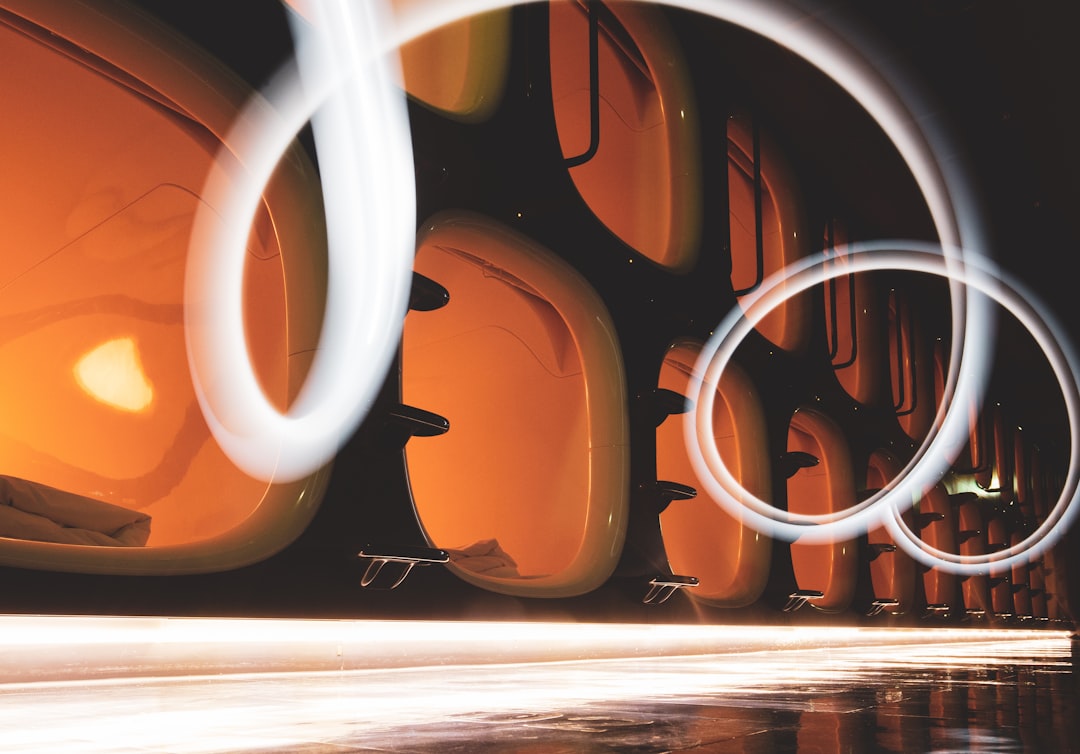
Picture this: you slide into a pod-like space barely larger than a single bed, complete with its own TV, air conditioning, and privacy curtain. Welcome to the world of Japanese capsule hotels—one of Japan’s most fascinating and practical innovations in accommodation. Originally designed for weary salarymen who missed their last train home, these compact sleeping quarters have evolved into a cultural phenomenon that attracts curious travelers from around the globe.
For visitors to Japan, capsule hotels offer more than just an affordable place to sleep—they provide a uniquely Japanese experience that embodies the country’s mastery of space efficiency and attention to detail. Whether you’re a budget-conscious backpacker, a curious cultural explorer, or simply someone who missed the last train in Tokyo, understanding capsule hotels can enhance your Japanese adventure in unexpected ways.
This comprehensive guide will walk you through everything you need to know about capsule hotels, from what to expect during your stay to practical tips that will help you navigate this distinctly Japanese accommodation style with confidence.
The History and Evolution of Capsule Hotels
From Salarymen to Global Travelers
The first capsule hotel, Capsule Inn Osaka, opened its doors in 1979, designed by architect Kisho Kurokawa. The concept was revolutionary yet practical—provide exhausted businessmen with a clean, private space to rest when they couldn’t make it home after late-night work sessions or drinking with colleagues. These early capsule hotels were exclusively male-only spaces, typically located near major train stations and business districts.
The original design was inspired by Japan’s efficient use of space, taking cues from the country’s bullet train sleeping berths. Each capsule measured approximately 2 meters long, 1 meter wide, and 1.25 meters high—just enough space for an adult to lie down comfortably while providing essential amenities like ventilation, lighting, and a small television.
Modern Capsule Hotels: A New Generation
Today’s capsule hotels have evolved far beyond their humble beginnings. Modern facilities now welcome both men and women (often on separate floors), offer luxury amenities, and cater to international travelers seeking authentic Japanese experiences. Some contemporary capsule hotels feature themed designs, high-tech amenities, and even premium services that rival traditional hotels.
The COVID-19 pandemic accelerated innovations in cleanliness and privacy, with many facilities introducing enhanced sanitization protocols and contactless check-in systems. This evolution has made capsule hotels more appealing to health-conscious travelers while maintaining their core appeal of affordability and efficiency.
What to Expect: Your First Capsule Hotel Experience
Checking In: The Process Simplified
Most capsule hotels have streamlined their check-in process to accommodate international guests. Upon arrival, you’ll typically find multilingual staff or automated kiosks with English options. The check-in process usually involves presenting your identification (passport for foreign visitors), completing a simple registration form, and receiving your locker key and capsule assignment.
Payment is often required upfront, and many facilities now accept international credit cards alongside cash. Some modern capsule hotels have implemented digital key systems using smartphone apps, eliminating the need for physical keys entirely.
Your Capsule: A Compact Marvel
Your capsule will be your private retreat for the night, and despite its compact size, you’ll be surprised by the thoughtful design and included amenities. Standard features include:
- Individual air conditioning and ventilation controls
- Personal lighting with adjustable brightness
- Power outlets and USB charging ports
- Small TV or tablet (in many modern facilities)
- Privacy curtain or door for complete seclusion
- Reading light and small shelf space
- Alarm clock with various wake-up options
The sleeping surface is typically a firm mattress with clean bedding changed between guests. Most capsules provide a pillow, blanket, and sometimes a small towel. The space is designed for sleeping and basic personal activities—think of it as a high-tech sleeping pod rather than a traditional hotel room.
Shared Facilities: Community Spaces
What capsule hotels lack in private space, they often compensate for with excellent shared facilities. These typically include:
Bathhouse and Shower Areas: Many capsule hotels feature traditional Japanese-style communal baths (sento) or modern shower facilities. These are always separated by gender and maintained to high cleanliness standards. Some upscale capsule hotels even include saunas and relaxation areas.
Locker Rooms: Secure lockers are provided for storing your belongings. Larger lockers can accommodate suitcases, while smaller ones are perfect for valuables. The locker key is usually integrated with your capsule access.
Common Areas: Many facilities include lounges, internet stations, vending machines, and sometimes even libraries or workspaces. These areas often have comfortable seating and free Wi-Fi.
Types of Capsule Hotels: Finding Your Perfect Match
Traditional vs. Modern Capsule Hotels
Understanding the differences between traditional and modern capsule hotels can help you choose the right fit for your travel style and budget.
| Feature | Traditional Capsule Hotels | Modern/Luxury Capsule Hotels |
|---|---|---|
| Price Range | ¥2,000-4,000 per night | ¥4,000-8,000 per night |
| Target Audience | Business travelers, budget tourists | International tourists, experience seekers |
| Amenities | Basic TV, fan, reading light | Tablet/smart TV, premium bedding, USB ports |
| Design | Functional, minimal | Stylish, themed, Instagram-worthy |
| Common Areas | Basic lounge, vending machines | Cafes, libraries, co-working spaces |
| Bathroom Facilities | Standard communal baths | Premium sento, saunas, beauty amenities |
Specialty Capsule Hotels
Women-Only Facilities: Many capsule hotels now offer dedicated women-only floors or entire women-only facilities. These often feature additional amenities like hair styling tools, skincare products, and more spacious powder rooms.
Luxury Capsule Hotels: High-end capsule hotels like The Millennials in Shibuya or First Cabin offer premium experiences with larger pods, hotel-quality amenities, and concierge services while maintaining the capsule concept.
Themed Capsule Hotels: Some facilities embrace unique themes, from futuristic sci-fi designs to traditional Japanese aesthetics. Book and Bed in Tokyo combines a capsule hotel with a library, allowing guests to sleep surrounded by thousands of books.
Regional Differences and Top Locations
Tokyo: The Capsule Hotel Capital
Tokyo offers the greatest variety and highest concentration of capsule hotels in Japan. Popular areas include:
Shinjuku: Home to numerous business-oriented capsule hotels near the station. Expect basic accommodations with good transport connections.
Shibuya: Modern, tourist-friendly capsule hotels with English support and stylish designs. The Millennials Shibuya is a standout choice.
Asakusa: Traditional atmosphere with capsule hotels that blend modern convenience with cultural charm.
Osaka and Kyoto: Kansai Region Options
Osaka, the birthplace of capsule hotels, maintains several traditional facilities alongside modern options. Kyoto’s capsule hotels often incorporate traditional Japanese design elements and are popular with international tourists exploring the ancient capital.
Regional Pricing and Availability
| City/Region | Average Price (¥/night) | Availability | Best For |
|---|---|---|---|
| Tokyo (Shinjuku/Shibuya) | 3,500-6,000 | High | Business travelers, nightlife access |
| Tokyo (Asakusa) | 3,000-5,000 | Moderate | Cultural tourists, traditional experience |
| Osaka | 2,500-4,500 | High | Budget travelers, food enthusiasts |
| Kyoto | 3,000-5,500 | Moderate | Cultural tourists, temple visitors |
| Other major cities | 2,000-4,000 | Limited | Transit stops, business travel |
Essential Etiquette and Cultural Considerations
Respecting Shared Spaces
Capsule hotels operate on principles of mutual respect and consideration for others. Understanding and following these unwritten rules will ensure a pleasant experience for everyone:
Noise Levels: Maintain quiet conversation levels in common areas and near capsule pods. Many guests use capsule hotels for rest, especially after long work days or travel.
Bathroom Etiquette: Always wash thoroughly before entering communal baths. Bring a small towel to sit on, and never bring soap or shampoo into the soaking area. If you’re unfamiliar with sento etiquette, don’t hesitate to observe others or ask staff for guidance.
Personal Space: While spaces are compact, respect others’ privacy. Avoid looking into other capsules, keep conversations brief in sleeping areas, and be mindful of your movements in tight spaces.
Communication Tips
Most capsule hotel staff in tourist areas speak basic English, but learning a few Japanese phrases can enhance your experience:
- “Sumimasen” (Excuse me) – useful for getting attention or apologizing
- “Arigatou gozaimasu” (Thank you very much) – always appreciated
- “Eigo ga dekimasu ka?” (Do you speak English?) – helps establish communication
- “Check-in onegaishimasu” (Check-in please) – clear and polite
Practical Tips for First-Time Users
What to Pack
Successful capsule hotel stays require strategic packing. Most facilities provide basic amenities, but bringing your own items ensures comfort:
Essential Items:
- Comfortable sleepwear (pajamas or loungewear)
- Personal toiletries (many hotels provide basics, but bring preferences)
- Slippers or flip-flops for moving around the facility
- Eye mask and earplugs (though most capsules are quiet)
- Small towel (some facilities charge for towel rental)
- Phone charger and portable battery
Space-Saving Tips:
- Use packing cubes to organize belongings efficiently
- Bring a small daypack for essentials while your luggage is in storage
- Consider leaving large suitcases in station lockers if staying multiple nights
Booking Strategies
Securing the right capsule hotel requires planning, especially during peak travel seasons:
Advance Booking: Popular capsule hotels in Tokyo and Kyoto fill up quickly, especially during cherry blossom season, Golden Week, and summer festivals. Book 2-4 weeks in advance for guaranteed availability.
Same-Day Options: Many traditional capsule hotels accept walk-in guests, particularly on weekday nights. Call ahead or visit in person, but have backup accommodation options ready.
Online Platforms: Use booking sites like Booking.com, Agoda, or specialized Japan travel sites for English-language booking with clear cancellation policies.
Managing Expectations
Setting realistic expectations ensures a positive experience:
Space Limitations: Capsules are designed for sleeping, not extended stays. Plan to spend time exploring the city rather than lounging in your pod.
Privacy Considerations: While capsules offer privacy for sleeping, you’ll share common facilities with other guests. This can be an opportunity to meet fellow travelers but may feel crowded during peak hours.
Storage Constraints: Large luggage goes in lockers, not capsules. Pack a small bag with overnight essentials to keep in your pod.
Health, Safety, and Cleanliness Standards
Hygiene Protocols
Japanese capsule hotels maintain exceptionally high cleanliness standards, often exceeding those of budget accommodations worldwide. Bedding is changed after every guest, capsules are thoroughly cleaned and sanitized, and common areas are maintained throughout the day.
Post-pandemic improvements include enhanced ventilation systems, contactless check-in options, and increased sanitization frequency. Many facilities now provide hand sanitizer stations and maintain detailed cleaning logs.
Safety Features
Modern capsule hotels prioritize guest safety with features including:
- 24-hour front desk or security presence
- Secure locker systems with individual keys or digital codes
- Emergency exits clearly marked in multiple languages
- Fire safety systems designed for the compact layout
- Well-lit corridors and common areas
- CCTV in public areas (never in sleeping areas)
Cost Comparison and Value Proposition
Comparing Accommodation Options
Understanding how capsule hotels fit into Japan’s accommodation landscape helps travelers make informed decisions:
| Accommodation Type | Average Cost (¥/night) | Private Space | Amenities | Cultural Experience |
|---|---|---|---|---|
| Hostels (dorm bed) | 2,500-4,000 | Minimal | Basic | International |
| Capsule Hotels | 3,000-6,000 | High | Good | Uniquely Japanese |
| Business Hotels | 6,000-12,000 | Complete | Standard | Modern Japanese |
| Traditional Ryokan | 15,000-30,000+ | Complete | Premium | Traditional Japanese |
| Luxury Hotels | 20,000-50,000+ | Complete | Luxury | International |
Hidden Value Factors
Capsule hotels often provide better value than their price suggests:
Location Benefits: Most capsule hotels occupy prime real estate near major stations, saving money and time on transportation.
Included Amenities: Free Wi-Fi, shared facilities like saunas and lounges, and sometimes breakfast add value beyond the base price.
Cultural Immersion: The experience itself has value for travelers seeking authentic Japanese encounters that can’t be quantified in yen.
Common Concerns and Misconceptions
Addressing Claustrophobia
The most common concern about capsule hotels involves feeling trapped in small spaces. In reality, well-designed capsules feel more cozy than confining. The ability to sit up comfortably, control lighting and temperature, and exit freely helps most guests adjust quickly. If you’re particularly sensitive to small spaces, consider booking a larger pod or choosing facilities with partial walls rather than full enclosures.
Noise and Sleep Quality
Many first-time users worry about noise from other guests, but modern capsule hotels are designed with sound absorption in mind. Capsule walls often include sound-dampening materials, and facility rules emphasize quiet hours. Most guests report sleeping better than expected, especially after busy days of sightseeing.
Hygiene Concerns
International travelers sometimes question the cleanliness of shared facilities, but Japanese capsule hotels maintain standards that often exceed those of traditional hotels. The cultural emphasis on cleanliness, combined with frequent cleaning schedules and guest cooperation, creates hygienic environments that satisfy even particular travelers.
Future of Capsule Hotels: Innovation and Evolution
Technology Integration
Modern capsule hotels are embracing technology to enhance guest experiences. Smart capsules now feature voice-controlled lighting, temperature adjustment, and entertainment systems. Some facilities experiment with IoT (Internet of Things) integration, allowing guests to control their environment through smartphone apps.
Artificial intelligence is being incorporated into customer service, with multilingual chatbots helping international guests navigate facilities and local attractions. Contactless technology, accelerated by the pandemic, now includes facial recognition check-in and digital room keys.
Sustainability Initiatives
Environmental consciousness is driving innovations in capsule hotel design. New facilities incorporate energy-efficient systems, sustainable materials, and waste reduction programs. The compact nature of capsule hotels naturally reduces resource consumption per guest, making them inherently more sustainable than traditional accommodations.
Making the Most of Your Stay
Beyond Sleeping: Maximizing Your Experience
Successful capsule hotel stays involve embracing the complete experience rather than just using the facility for sleep:
Timing Your Activities: Use early morning hours when facilities are less crowded for leisurely bathing and preparation. Late evening returns align with the traditional business traveler schedule.
Connecting with Culture: Observe and appreciate the efficiency and consideration built into every aspect of the facility. The attention to detail reflects broader Japanese cultural values worth experiencing.
Meeting Fellow Travelers: Common areas provide opportunities to connect with other guests, often leading to travel tips, recommendations, and sometimes lasting friendships.
Photography and Memories
While respecting other guests’ privacy, capsule hotels offer unique photo opportunities. Many facilities welcome photography in common areas and empty capsules (always ask permission first). The distinctive design makes for memorable social media posts and travel documentation.
Conclusion: Embracing Japan’s Innovative Hospitality
Capsule hotels represent more than just budget accommodation—they embody Japan’s innovative approach to solving practical problems while creating unique experiences. For international travelers, staying in a capsule hotel provides insights into Japanese efficiency, consideration for others, and the cultural emphasis on making the most of limited space.
Whether you choose a traditional facility in Osaka’s business district or a luxury capsule hotel in Tokyo’s trendy neighborhoods, you’ll discover that these compact accommodations offer far more than their small footprint might suggest. The combination of privacy, affordability, cultural authenticity, and often excellent locations makes capsule hotels valuable additions to any Japan itinerary.
As Japan continues to innovate in hospitality and accommodate growing numbers of international visitors, capsule hotels will likely evolve further while maintaining their essential character. For travelers seeking authentic Japanese experiences, efficient accommodations, and memorable stories to share back home, capsule hotels deliver on all fronts.
Your first capsule hotel stay might feel unusual, but most guests find themselves surprisingly comfortable and often eager to repeat the experience. Embrace the compact luxury, respect the shared spaces, and enjoy this uniquely Japanese approach to travel accommodation. In a country where every square meter is precious, capsule hotels demonstrate how thoughtful design and cultural consideration can create comfortable, efficient, and memorable travel experiences.
Remember that choosing a capsule hotel is about more than saving money—it’s about participating in a distinctly Japanese way of life, even if just for a night. Pack light, arrive with an open mind, and prepare for an accommodation experience unlike anywhere else in the world.
Photo by Denys Nevozhai on Unsplash