- Japan on a Budget: It's More Possible Than You Think
- Getting There and Around: Transportation Savings
- Where to Sleep: Affordable Accommodation Options
- Eating Well Without Spending a Fortune
- Free and Low-Cost Sightseeing
- Smart Money Tips for Japan
- Sample Daily Budget Breakdown
- Final Thoughts: Japan Rewards the Prepared Traveler
Japan on a Budget: It’s More Possible Than You Think
Many travelers write off Japan as an expensive destination before they even start planning. It’s true that Japan has a reputation for being pricey, but here’s a secret that seasoned visitors know well: with the right approach, Japan can be explored on a surprisingly modest budget. From dirt-cheap street food to free temple gardens and bargain overnight buses, this country rewards smart travelers generously.
Whether you’re a first-timer worried about your wallet or a returning visitor looking to stretch your yen further, this guide will walk you through the most practical and effective ways to travel Japan without breaking the bank.
Getting There and Around: Transportation Savings
Transportation is often the biggest expense when traveling Japan, but there are several strategies to dramatically reduce these costs.
The Japan Rail Pass: Worth It or Not?
The Japan Rail Pass is a popular option for foreign visitors, offering unlimited travel on most JR trains including the Shinkansen bullet trains. However, it’s only cost-effective if you’re doing extensive long-distance travel. If your itinerary focuses on one or two regions, local IC cards or individual tickets may save you more money.
Budget Buses and Night Travel
Highway buses are one of Japan’s best-kept budget secrets. Routes between major cities like Tokyo and Osaka can cost a fraction of the Shinkansen fare. Even better, overnight buses let you travel while you sleep, saving you a night’s accommodation costs in the process. Companies like Willer Express and JR Bus operate comfortable routes across the country.
IC Cards: Your Best Friend in Cities
Pick up a Suica or Pasmo IC card when you arrive. These rechargeable smart cards work on subways, buses, and even at convenience stores. They eliminate the need to buy individual tickets and often apply a small discount on transit fares.
| Transportation Option | Best For | Approximate Cost |
|---|---|---|
| Japan Rail Pass (7-day) | Multiple long-distance routes | Around ¥50,000 |
| Highway Bus (Tokyo–Osaka) | Single long-distance trips | ¥3,000–¥8,000 |
| Local Subway (per ride) | City exploration | ¥170–¥320 |
| IC Card (Suica/Pasmo) | Daily transit in any city | Varies (rechargeable) |
Where to Sleep: Affordable Accommodation Options
Japan offers an impressive variety of budget-friendly places to stay, ranging from ultra-efficient capsule hotels to welcoming guesthouses and traditional ryokan with affordable plans.
Hostels and Guesthouses
Japan’s hostel scene has improved dramatically over the years. Modern hostels in major cities offer clean dormitory beds, fast Wi-Fi, and sociable common areas for as little as ¥2,500–¥4,000 per night. Many also offer private rooms at prices that undercut business hotels significantly. Look for guesthouses in older neighborhoods like Yanaka in Tokyo or Higashiyama in Kyoto for an authentic, affordable experience.
Capsule Hotels
A quintessentially Japanese experience, capsule hotels offer a compact but surprisingly comfortable sleeping pod along with shared bathrooms, locker storage, and sometimes even a communal onsen. Prices typically range from ¥2,800 to ¥5,000 per night, making them an excellent value option in city centers.
Manga Cafes and Internet Cafes
For those who don’t mind an unconventional sleeping arrangement, manga cafes (manga kissa) offer private booths with reclining chairs, free drinks, and internet access for just ¥1,500–¥2,500 for an overnight stay. They’re not luxurious, but they’re found almost everywhere and can be a lifesaver in a pinch.
Budget Ryokan
Traditional Japanese inns don’t have to be expensive. Budget ryokan, particularly in smaller towns and rural areas, can offer a tatami room, yukata robe, and access to a communal bath for ¥5,000–¥8,000 per person including breakfast. This is one of the best cultural experiences Japan has to offer, and it doesn’t need to cost a fortune.
Eating Well Without Spending a Fortune
Food in Japan is one of the great pleasures of travel, and the good news is that eating deliciously does not require a large budget. In fact, some of the most iconic Japanese dishes are also the most affordable.
Convenience Stores Are Your Friends
Japan’s convenience stores — known as konbini — are a phenomenon unlike anything in most countries. Chains like 7-Eleven, FamilyMart, and Lawson offer an incredible selection of fresh onigiri (rice balls), sandwiches, hot foods, ramen, and bento boxes at prices between ¥100 and ¥600. Many travelers eat konbini meals daily and never feel like they’re missing out.
Set Lunches at Restaurants
Many sit-down restaurants in Japan offer a teishoku (set meal) at lunchtime that includes a main dish, rice, miso soup, and small sides for around ¥800–¥1,200. This is the same food they might serve at dinner for double the price. Eating your largest meal at lunch is one of the smartest budget moves you can make in Japan.
Standing Bars and Ramen Shops
Tachinomi (standing drink) bars and ramen shops are deeply embedded in Japanese culture and are incredibly affordable. A bowl of ramen rarely costs more than ¥800–¥1,200, while a plate of gyoza and a beer at a standing izakaya might set you back just ¥600–¥1,000 total. These are authentic, delicious, and easy on the wallet.
Markets and Street Food
Temples, shrines, and local markets often host stalls selling takoyaki, yakitori, taiyaki, and other street snacks for ¥200–¥500 each. Tsukiji Outer Market in Tokyo and Nishiki Market in Kyoto are excellent places to graze affordably while soaking up the local atmosphere.
| Food Option | What You Get | Average Cost |
|---|---|---|
| Konbini onigiri or bento | Quick, filling meal | ¥150–¥600 |
| Ramen shop bowl | Full ramen meal | ¥800–¥1,200 |
| Lunch teishoku set | Full restaurant-quality meal | ¥800–¥1,200 |
| Street food snack | Takoyaki, yakitori, etc. | ¥200–¥500 |
| Standing izakaya | Drink + small dishes | ¥600–¥1,500 |
Free and Low-Cost Sightseeing
Japan is filled with incredible experiences that cost little or nothing at all. You don’t need to spend heavily to have deeply memorable encounters with Japanese culture, nature, and history.
Temples, Shrines, and Gardens
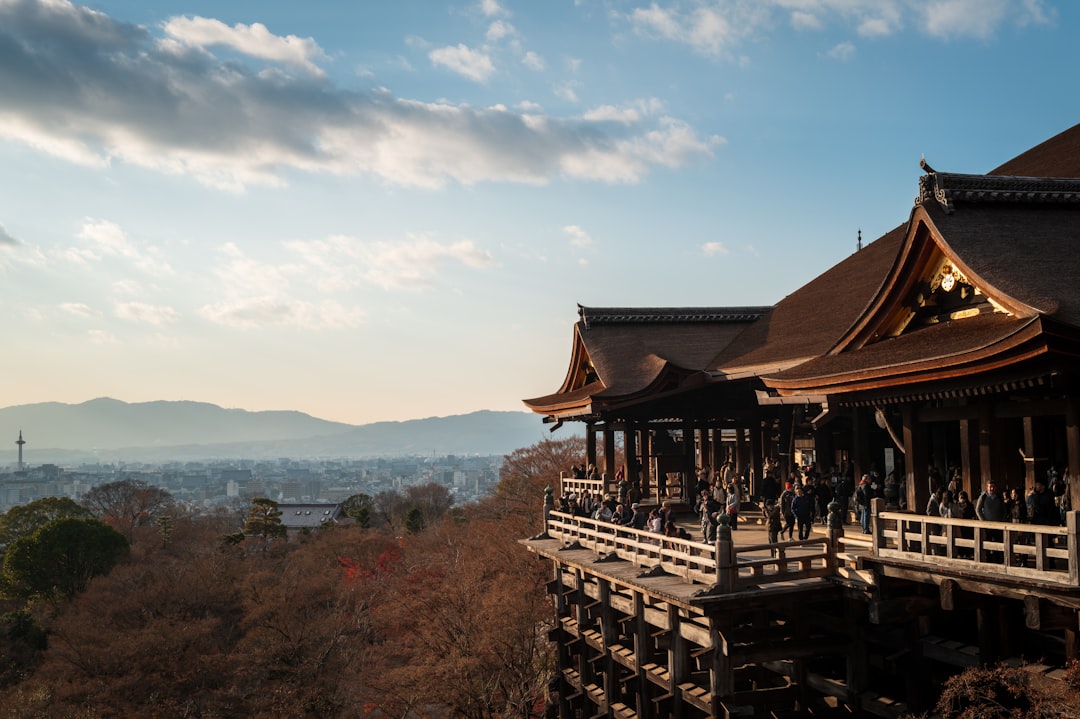
Many of Japan’s most iconic temples and shrines are free to enter or charge a very small admission fee. Fushimi Inari Taisha in Kyoto, Meiji Jingu in Tokyo, and countless neighborhood shrines across the country welcome visitors at no charge. Even in places like Kyoto where some gardens charge admission (typically ¥500–¥800), the experience is tremendous value.
City Parks and Nature
Japan’s city parks are immaculately maintained and completely free. Shinjuku Gyoen, Ueno Park, Maruyama Park in Kyoto, and Ohori Park in Fukuoka are just a few examples where you can spend a peaceful afternoon without spending a yen. Mountain hiking trails and coastal walks are similarly free throughout the country.
Free Museum Days and Discounts
Many municipal museums offer free admission on specific days or for certain age groups. It’s always worth checking a museum’s website before visiting. Student cards and international youth cards can also unlock discounts at many paid attractions.
Neighborhood Wandering
Some of the best experiences in Japan are completely free: getting lost in the backstreets of Kyoto’s Gion district, wandering the covered shopping arcades (shotengai) in Osaka, exploring Tokyo’s Shimokitazawa neighborhood, or strolling along a castle moat at sunset. Budget nothing and gain everything.
Smart Money Tips for Japan
Managing your cash wisely in Japan makes a real difference to your overall budget. Here are some practical tips to keep your spending under control.
- Use 7-Eleven ATMs: International cards work reliably at 7-Bank ATMs inside 7-Eleven convenience stores with reasonable fees. They operate in English and are found everywhere.
- Carry cash: Japan remains a heavily cash-based society. Many smaller restaurants, shrines, and shops do not accept cards. Always have yen in your pocket.
- Buy a pocket Wi-Fi or SIM card: Staying connected helps you navigate, compare prices, and find deals. Pocket Wi-Fi rentals and tourist SIM cards are available at major airports from around ¥300–¥500 per day.
- Visit 100-yen shops for supplies: Daiso and similar 100-yen shops sell toiletries, snacks, stationery, and all kinds of useful travel items at ¥110 each. Stock up on anything you need instead of buying branded versions.
- Look for coupons and combo tickets: Tourist information centers, accommodation lobbies, and apps like Japan Official Travel App often have discount coupons for local attractions.
- Travel shoulder season: Avoid Golden Week (late April to early May) and Obon (mid-August) when prices for transport and accommodation spike significantly. Spring and autumn outside peak bloom periods offer excellent conditions and better prices.
Sample Daily Budget Breakdown
To give you a realistic sense of what budget travel in Japan looks like, here’s a rough daily cost estimate for a typical budget traveler in a major city like Tokyo or Osaka.
| Category | Budget Option | Estimated Daily Cost |
|---|---|---|
| Accommodation | Hostel dorm bed | ¥2,500–¥4,000 |
| Food | Konbini + ramen + teishoku | ¥1,500–¥3,000 |
| Transportation | IC card city transit | ¥500–¥1,000 |
| Sightseeing | Mix of free and paid | ¥500–¥1,500 |
| Total | ¥5,000–¥9,500/day |
That translates to roughly $33–$63 USD per day — proof that Japan is genuinely achievable on a backpacker budget, especially if you lean on the free sightseeing options and eat smart.
Final Thoughts: Japan Rewards the Prepared Traveler
Traveling Japan on a budget isn’t about sacrifice — it’s about making smart choices that actually lead to more authentic experiences. Eating at a standing ramen counter, sleeping in a neighborhood guesthouse, riding the overnight bus, wandering into a quiet temple at dawn — these are the moments that stay with you long after you return home, and none of them cost very much at all.
Do a little planning before you go, stay flexible, and embrace the fact that Japan’s real magic often lives in the simple and affordable corners of everyday life. Your wallet will thank you, and so will your travel memories.
Photo by Sung Jin Cho on Unsplash