- Japanese Festival Food: More Than Just Snacks
- Understanding Yatai: The Soul of Festival Eating
- The Essential Festival Foods, Season by Season
- Eating at a Festival: The Etiquette Most Visitors Miss
- Festivals Worth Going to Specifically for the Food
- Spotting a Quality Stall
- Your Action Plan for Festival Food
Japanese Festival Food: More Than Just Snacks
Walking into a Japanese festival for the first time is an assault on the senses in the best possible way. Smoke drifts from iron griddles, the sweet smell of caramelized sugar mingles with savory grilled meat, and rows of paper lanterns glow above a narrow lane packed with food stalls. These stalls — called yatai — are a world of their own, and knowing what to order, how much to spend, and how to eat without accidentally being rude will make the whole experience far more enjoyable.
This is not a simple list of foods with pretty descriptions. This covers the practical side that most guides skip entirely: the unwritten rules, the seasonal patterns, the cash question, and which stall lineups are worth your attention at which time of year.
Understanding Yatai: The Soul of Festival Eating
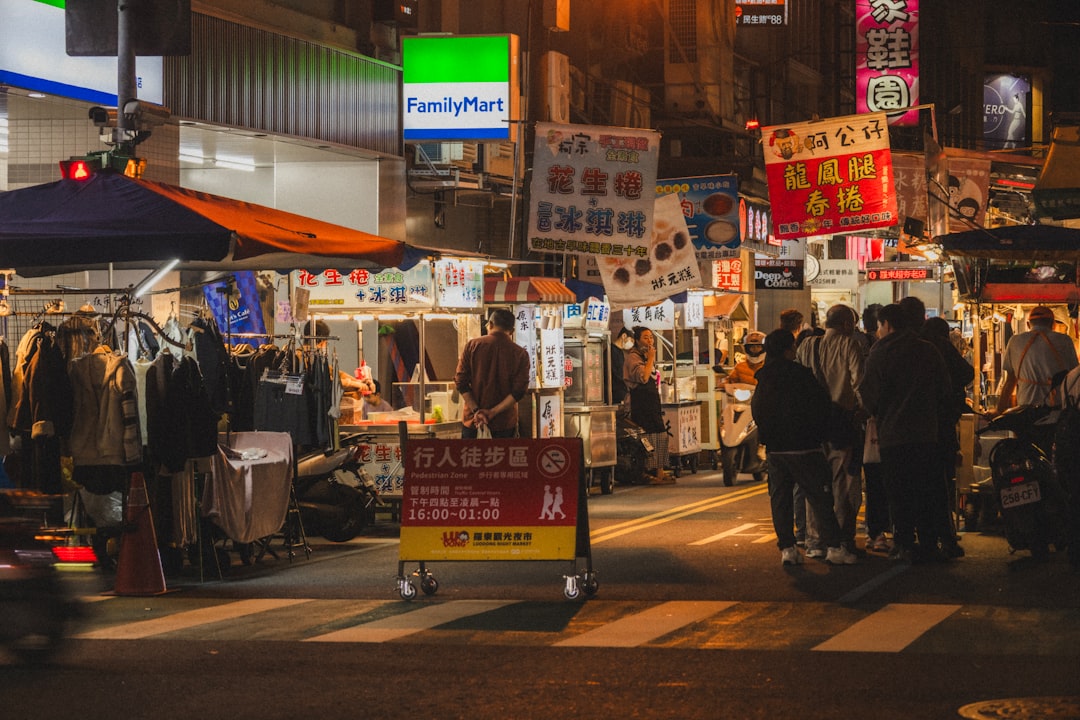
Yatai are temporary food stalls that set up specifically for festivals, markets, and public events. They are run by small operators — often families or local vendors — and the food is almost always made to order right in front of you. There is something theatrical about it: the vendor flipping takoyaki balls with a single metal pick, the yakisoba getting tossed on a flat iron plate the size of a dining table, the shaved ice getting drenched in bright syrup.
Because yatai operate on a temporary license basis, they are only present during festivals and special events. This means the food genuinely belongs to the occasion. You are not going to find an identical version in a convenience store. That authenticity is exactly what makes festival food worth seeking out.
Cash Is King at Yatai
Before anything else: bring cash. The vast majority of yatai do not accept credit cards or IC cards. Some larger festival grounds in major cities are beginning to experiment with QR code payments, but this is far from standard and completely unpredictable. Arriving with only a card is a fast way to spend the whole night watching other people eat.
A reasonable budget per person for a festival evening is between 1,500 and 3,000 yen, depending on how much you plan to eat and drink. Individual stall items typically range from 400 to 800 yen. Drinks like beer or ramune (the fizzy bottled soda with a marble stopper) usually run 300 to 600 yen. You do not need to break the bank, but having a few thousand yen in coins and small bills makes transactions much smoother — vendors often cannot make change for large bills when they are busy.
The Essential Festival Foods, Season by Season
Festival food is not random. Certain items appear almost universally, while others are tied to specific seasons or regions. Understanding the seasonal logic helps you know what to look for depending on when you visit.
Summer Festivals (Late July Through August)
Summer is peak festival season in Japan. Obon festivals, fireworks events (hanabi taikai), and neighborhood celebrations all happen in this window, and the yatai scene is at its most dense and diverse.
- Takoyaki — Grilled octopus balls from Osaka, now found everywhere. Crispy outside, molten inside, topped with mayonnaise, bonito flakes, and a dark savory sauce. Order a plate of six or eight and wait a few minutes before biting in — they stay dangerously hot for longer than expected.
- Yakisoba — Stir-fried wheat noodles with cabbage, pork, and a tangy Worcestershire-based sauce. It is filling, cheap, and the smell alone will pull you toward the stall from twenty meters away.
- Karaage — Japanese fried chicken, seasoned with soy sauce and ginger, often served in a small paper cup or bag. Juicy, crispy, and one of the most universally loved items at any festival.
- Kakigori — Shaved ice with flavored syrup. The texture is lighter and finer than Western snow cones. Common flavors include strawberry, melon, and blue Hawaii (a sweet citrus blend). Some vendors offer condensed milk as a topping for a richer version.
- Watermelon and chilled fruit — Sliced fresh watermelon or skewered fruit segments appear at summer festivals as a refreshing contrast to the heavier fried options.
Autumn Festivals (September Through November)
Autumn festivals, often tied to local shrine harvest celebrations, have a slightly different food profile. The heat has dropped, appetites are bigger, and warming foods become more prominent.
- Yaki-tomorokoshi — Grilled corn on the cob brushed with soy sauce and butter. Simple but remarkably good when eaten freshly grilled.
- Nikuman — Steamed pork buns that start appearing as temperatures drop. Soft, slightly sweet dough wrapped around a savory meat filling.
- Chestnut-based sweets — Autumn brings kuri (chestnut) flavors into everything from soft cakes to sweet pastes. Look for stalls selling roasted chestnuts or wagashi (traditional Japanese sweets) with chestnut fillings.
- Oden — A simmered dish with various ingredients like daikon radish, boiled eggs, fish cakes, and tofu in a light dashi broth. Vendors ladle it into small cups. Perfect for a cool evening.
Winter and New Year Festivals (December Through January)
Winter markets and New Year shrine visits (hatsumode) bring their own stall culture. The cold makes warm street food even more appealing.
- Amazake — A warm, sweet, mildly fermented rice drink that is either non-alcoholic or very low in alcohol. Shrines often serve it for free or at a nominal cost during New Year celebrations.
- Taiyaki — Fish-shaped waffles filled with red bean paste (anko), custard, or chocolate. The cast iron molds give them a golden, slightly crispy exterior.
- Candied fruits and dango — Skewered rice dumplings glazed with sweet soy sauce are available year-round but feel especially right at winter festivals held under illuminated trees.
Eating at a Festival: The Etiquette Most Visitors Miss
This is the section that most food guides skip, and it is arguably the most useful part. Japanese festival etiquette around food is not complicated, but getting it wrong can make you stand out in an uncomfortable way.
Eating While Walking Is Frowned Upon
In everyday Japanese street life, eating while walking is generally considered impolite. Festivals are a partial exception — the atmosphere is festive and informal — but even here, the respectful approach is to step to the side and eat near the stall where you bought your food. Most yatai have a small counter or a designated standing area nearby. Eating at or near the stall, finishing your food, and then moving on is the standard pattern.
You will see some people walking and eating, particularly younger crowds at large urban festivals, but this is considered casual behavior rather than the norm. When in doubt, pause and eat.
Handling Trash
Public trash cans are rare in Japan, including at festivals. The general rule is that you return your trash — paper cups, skewers, plates — to the stall where you bought the food, or you hold onto it until you find a bin. Some festival grounds set up dedicated trash collection points. Dropping wrappers or sticks on the ground is a firm no.
Ordering Without Japanese
Most yatai are very visual. The food is being cooked right in front of you, prices are written on signs, and pointing works perfectly well. A smile and an outstretched finger toward what you want will get the job done almost every time. If you want to know the price first, holding up your money or pointing to the price sign with a questioning look is universally understood.
Learning two or three words helps enormously: ikura desu ka (how much is it?), hitotsu kudasai (one, please), and arigatou gozaimasu (thank you) will cover the vast majority of transactions with warmth on both sides.
Festivals Worth Going to Specifically for the Food
While almost every Japanese festival has food stalls, some are particularly celebrated for the range and quality of their yatai offerings.
- Gion Matsuri (Kyoto, July) — One of Japan’s most famous festivals. The stall-lined streets of central Kyoto during the Yoiyama evenings (the nights before the main parade) are among the best festival food experiences in the country. Expect crowds, but also an enormous variety of stalls.
- Tenjin Matsuri (Osaka, July) — Osaka is Japan’s food city, and its biggest festival reflects that. The evening procession along the river draws thousands of stalls.
- Nebuta Matsuri (Aomori, August) — A northern festival famous for enormous illuminated floats, with a lively yatai scene that features regional specialties like grilled scallops and local seafood not commonly found at festivals further south.
- Local shrine festivals (matsuri) throughout the year — Do not overlook small neighborhood shrine festivals. These are often where the most authentic, unpolished food stall experiences happen. They are less crowded, the vendors are genuinely local, and the atmosphere is far more relaxed than major tourist-facing events.
Spotting a Quality Stall
Not all yatai are equal. Here are a few quick indicators that a stall is worth your attention:
- There is a line — Local Japanese people queue for the good stalls. If a stall has a crowd and the one next to it is empty, take the hint.
- The vendor is actively cooking — A stall where food is being made continuously, not just sitting under a heat lamp, is a better sign.
- The menu is focused — Stalls that do one or two things are usually better at those things than stalls offering ten different items.
- Equipment looks well-used — A seasoned griddle, blackened at the edges, means the stall has been doing this for a while.
Your Action Plan for Festival Food
Here is exactly what to do before and during your first Japanese festival food experience:
- Withdraw cash before you go. Find an ATM at a 7-Eleven, Japan Post, or large convenience store before heading to the festival. Aim for 2,000 to 3,000 yen per person in small bills and coins.
- Check the season. Match what you plan to try with what is actually in season. Summer means kakigori and takoyaki. Autumn means oden and grilled corn. Winter means taiyaki and warm drinks.
- Arrive before peak time. Stalls often sell out of popular items by late evening. Arriving in the first hour or two gives you the best selection.
- Eat near the stall, not while walking. Find the standing area, finish your food, return your trash to the vendor or a bin, then move to the next stall.
- Follow the queues. Let local foot traffic guide you to the best stalls rather than choosing based on appearance alone.
- Learn three phrases. Ikura desu ka, hitotsu kudasai, arigatou gozaimasu. That is genuinely enough to navigate almost any yatai interaction gracefully.
Festival food in Japan is one of those experiences that is simultaneously simple and deeply memorable. It does not require planning beyond the basics, and it does not require Japanese language skills beyond a few words. What it rewards is curiosity — the willingness to join a queue without knowing exactly what you ordered, to stand in a crowd with smoke in your eyes, and to eat something made right in front of you by someone who has been making it the same way for years. That is the whole point.