Sake Is Not as Complicated as It Looks
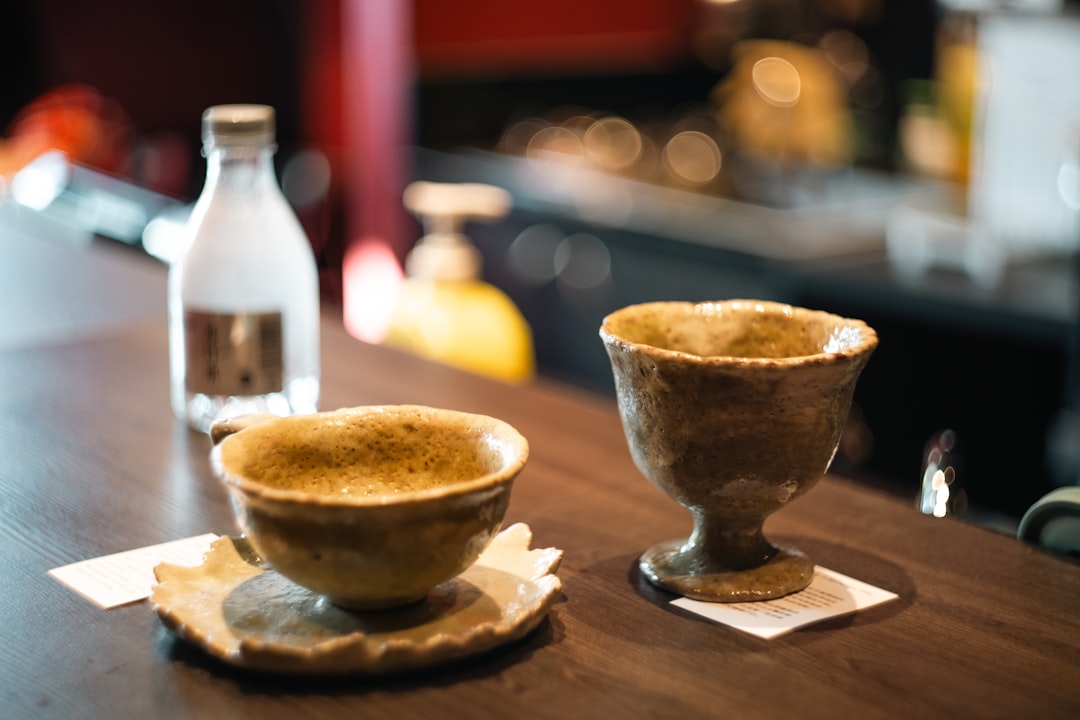
Walk into any izakaya or traditional restaurant in Japan and you will almost certainly encounter sake. It arrives in small ceramic cups, sometimes warm, sometimes ice cold, and the table immediately feels a little more Japanese. But if you have never ordered it before, the menu can look like a wall of kanji with no obvious entry point. Which one do you choose? How do you drink it? How do you avoid doing something embarrassing in front of your host?
The good news is that sake rewards curiosity. You do not need to become an expert overnight. You just need a few solid foundations, and the rest falls into place naturally as you taste your way through Japan.
What Sake Actually Is
Sake is a fermented rice beverage, often called rice wine in English, though the brewing process actually has more in common with beer. Rice starch is converted to sugar, which is then fermented into alcohol. The result is a drink that typically sits between 14% and 16% alcohol by volume — stronger than most wine, but meant to be sipped slowly in small quantities.
What makes sake genuinely fascinating is the time investment involved in making it. A single batch typically takes one to two months of careful brewing followed by at least six months of maturation before it reaches your cup. Premium styles are aged longer. The brewer is balancing temperature, humidity, water chemistry, and the behavior of a mold called koji, which does the work of converting starch into fermentable sugar. That is why good sake has layers of flavor that keep changing as you sip.
The Role of Rice Polishing
One of the first things you will see on a sake label is a polishing ratio. This tells you how much of the outer rice grain has been milled away before brewing. The outer layers of rice contain proteins and fats that can produce heavier, earthier flavors. Polishing deeper into the grain exposes more starch and produces a cleaner, more delicate sake.
- Junmai: No added alcohol, made purely from rice. Expect fuller body and earthy, umami-rich flavor.
- Ginjo: Polished to at least 60% of the original grain size. Lighter, fruitier, more aromatic.
- Daiginjo: Polished to at least 50%. The most refined and delicate category, often with floral or fruity notes.
- Honjozo: A small amount of distilled alcohol is added to lighten the body and enhance aroma. Approachable and food-friendly.
When you see Junmai added before Ginjo or Daiginjo, it simply means no added alcohol was used in that premium category. For example, Junmai Daiginjo is considered by many to be the pinnacle of sake craftsmanship.
Flavor Language You Actually Need
Most sake descriptions in English stop at sweet or dry. That leaves out a lot. If you want to pick sake you will genuinely enjoy, understanding a few more flavor dimensions helps enormously.
The Sweetness Scale
Sake bottles often show a number called the Nihonshu-do, or sake meter value. Positive numbers lean dry, negative numbers lean sweet. A bottle at +5 is noticeably dry. A bottle at -5 is noticeably sweet. Zero is roughly neutral. This gives you a quick reference point without needing to taste first.
Beyond Sweet and Dry
Here is where most guides stop — but you deserve more context than that.
- Sanmi (acidity): Sake has natural acidity that creates freshness and helps it pair with food. Higher-acidity sake cuts through rich dishes the way a crisp white wine does.
- Shibumi (tartness or astringency): A subtle drying sensation at the back of the palate. Not unpleasant — it is what makes sake feel refined rather than sugary.
- Umami: Junmai styles especially carry a savory depth that makes them extraordinary partners for grilled fish, tofu, or miso-based dishes.
When you look at a sake menu and feel overwhelmed, ask yourself: do I want something light and fruity, or something rich and savory? That single question will point you toward Ginjo or Junmai respectively, and you can narrow down from there.
Temperature Changes Everything
This is one of the most practical things to understand about sake: the same bottle tastes noticeably different depending on serving temperature. This is not a gimmick. It is one of the most interesting things about the drink.
- Tobikiri-kan (around 55°C / 130°F): Very hot. Produces a sharp, punchy flavor. Not common for premium sake.
- Atsukan (around 50°C / 122°F): Hot sake. Warms you through in winter. Works beautifully with Junmai styles and hearty food.
- Nurukan (around 40°C / 104°F): Gently warm. One of the most food-friendly temperatures. Softens acidity and highlights umami.
- Hiya / Room temperature (around 20°C / 68°F): Lets the sake speak for itself. Good for exploring a bottle’s full character.
- Suzuhie (around 15°C / 59°F): Lightly chilled. Refreshing without suppressing aroma.
- Yukihie (around 5°C / 41°F): Well chilled. Best for delicate Daiginjo styles where floral aromas need to be preserved.
As a general rule, warming amplifies body and suppresses aroma, while chilling preserves aroma and increases crispness. Cheaper sake often benefits from being served warm because heat masks rougher edges. Premium Daiginjo, on the other hand, deserves to be chilled so nothing gets lost.
How to Drink Sake Without Offending Anyone
Sake etiquette is not complicated, but getting it right makes a strong impression on Japanese hosts and restaurant staff alike.
Pouring for Others
The foundational rule: you pour for others, not for yourself. When you are dining with Japanese colleagues or friends, watch their cup and refill it when it is getting low. They will do the same for you. This back-and-forth of pouring is a genuine expression of care and hospitality. Pouring your own sake is not a disaster, but it signals that you are unfamiliar with the custom.
Receiving a Pour
When someone pours for you, hold your cup with both hands or at least support the bottom with your second hand. This shows gratitude and respect. Making eye contact and giving a small nod or saying kanpai (cheers) before drinking completes the gesture.
Sipping, Not Gulping
Sake is meant to be sipped slowly. Small cups exist for a reason — they encourage you to slow down, taste, and engage with the conversation around you. Drinking sake quickly is both wasteful and socially jarring in a traditional setting.
The Masu Cup Trick
In some traditional establishments, sake is served in a small wooden box called a masu. Sometimes the server will pour until the sake overflows the glass set inside it, filling the masu as well. This overflow is a sign of generosity. The custom is to drink from the glass first, then pour the rest from the masu.
Jizake: Why Local Sake Is Worth Hunting Down
One thing almost no travel guide tells you: the sake you find in Tokyo is not necessarily representative of what Japan makes. Every region brews sake that reflects its local water, rice, and climate — and these regional varieties, called jizake, are often dramatically different from what gets exported or mass-produced.
Niigata is famous for light, dry sake that mirrors the region’s clean snowmelt water. Kyoto’s Fushimi district produces softer, slightly sweet sake. Hiroshima’s water is soft, which creates a more delicate, mellow style. Akita in the north makes sake with rich body that stands up to cold-weather comfort food.
When you travel outside Tokyo — and you absolutely should — visit a local sake shop or ask at your ryokan what the house sake is. Drinking jizake in the region it comes from, paired with local food, is one of those travel experiences that genuinely cannot be replicated at home.
Storing Opened Sake Properly
This is a practical question that almost no guide answers properly. Sake is not like spirits — it does not last indefinitely once opened.
- Refrigerate opened sake immediately. Exposure to air and warmth degrades flavor quickly.
- Most opened sake is best consumed within two to three days for optimal flavor.
- Junmai styles can hold up for up to a week refrigerated due to their fuller body.
- Delicate Daiginjo styles lose their aroma fastest — drink within one to two days.
- Store bottles upright to minimize the surface area exposed to air.
If you are buying a bottle to take home or share over several days, choose a Junmai rather than a Ginjo or Daiginjo. The robustness of Junmai means it survives longer after opening without losing much character.
How to Order Sake When You Cannot Read the Menu
Standing in front of a sake menu full of kanji can feel daunting. Here is a simple approach that works in almost any restaurant.
- Ask for osusume no sake — the server’s recommendation. Staff at good restaurants love recommending sake and will often ask you a couple of questions about your preference.
- If you know you like light and fruity flavors, say karai sake (dry sake) or mention ginjo.
- If you prefer rich and savory, mention junmai.
- Point at what someone nearby is drinking and say kore to onaji mono — the same as that.
Japanese restaurant staff are almost universally patient with foreign visitors. Do not be afraid to ask questions, even with minimal Japanese. A smile and a genuine effort go a long way.
Your Next Steps
You do not need to memorize everything in this article before your trip. Start with these concrete actions and build from there.
- Before you go: Visit a Japanese restaurant at home and order one glass of Junmai and one glass of Ginjo side by side. Taste them at room temperature. Notice the difference. This single exercise teaches you more than a week of reading.
- When you arrive: Ask your hotel, ryokan host, or a local restaurant for a jizake recommendation. Tell them you want to try something from that specific region.
- At the table: Practice pouring for others first. If you are with a Japanese person, watch how they hold their cup when you pour for them and mirror it.
- At a sake shop: Look for the Nihonshu-do number on the label. Choose a positive number if you prefer dry, negative if you prefer sweet. Simple.
- Taking some home: Pick Junmai for a longer shelf life after opening. Store it upright in the fridge and drink within a week.
Sake is one of those drinks that reveals Japan slowly — its seasons, its regions, its sense of craftsmanship and hospitality. The more you drink it in context, the more it makes sense. Start curious, sip slowly, and let it teach you.