- You Have One Day. Make It Count.
- Should You Get a Japan Rail Pass for Day Trips?
- Mount Fuji: Seeing It vs. Climbing It
- Kamakura: Ancient Temples Without the Tokyo Crowds
- Hakone: Hot Springs, Mountains, and Open-Air Art
- Nikko: Ornate Shrines in the Mountains
- Yokohama: An Urban Escape with a Different Feel
- Practical Tips for Any Day Trip from Tokyo
- Your Next Steps
You Have One Day. Make It Count.
Tokyo is incredible, but after a few days, the urge to escape the city hits hard. The good news: Japan’s rail network puts some of the country’s most stunning destinations within easy reach. The tricky part is knowing which trip suits you, how much it actually costs, and how to avoid spending your day shoulder-to-shoulder with tour groups.
This article cuts through the noise. Each destination below includes honest travel times, real budget estimates, the best time to visit, and tips to help you experience it like a traveler rather than a tourist statistic.
Should You Get a Japan Rail Pass for Day Trips?
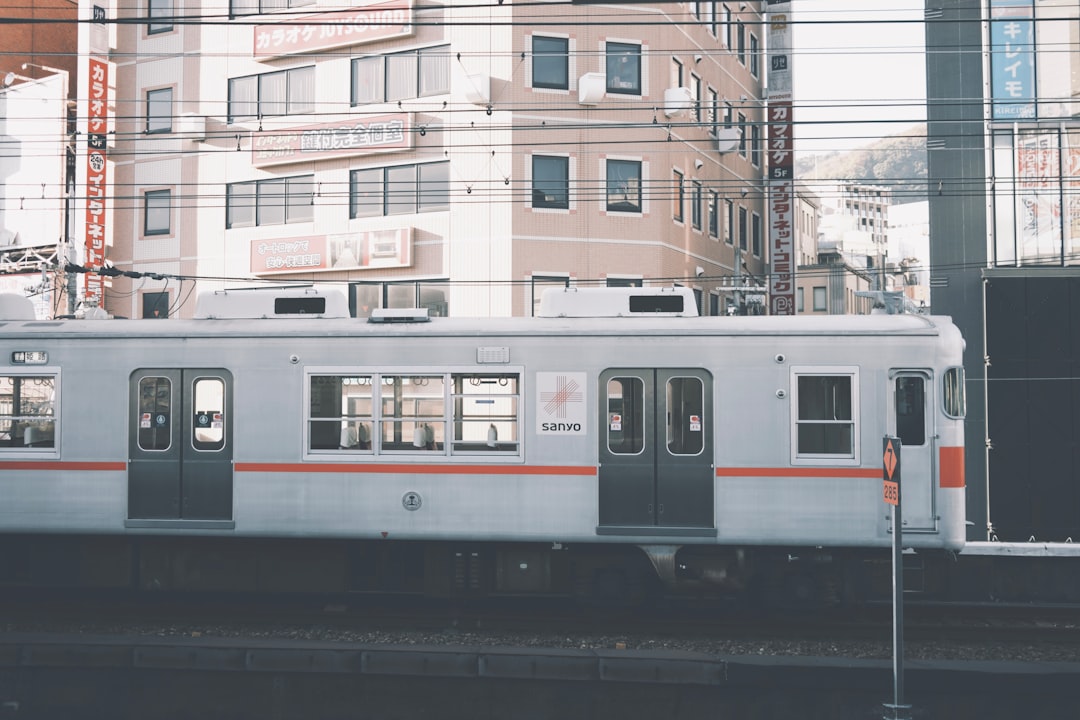
This question comes up constantly, and the honest answer is: it depends on your full itinerary. For day trips alone, the JR Pass rarely pays off unless you’re combining multiple long-distance journeys during your trip. Most day trips from Tokyo run between ¥1,500 and ¥6,000 round-trip per person. Do the math based on your specific plans before purchasing.
A better option for many visitors is the Suica or Pasmo IC card, a rechargeable card that works on almost every train, subway, and bus in the Kanto region. Load it with yen and tap in and out without buying individual tickets each time. It saves time and removes the stress of ticket machines.
Mount Fuji: Seeing It vs. Climbing It
This distinction matters more than most articles admit. These are two completely different trips, and confusing them leads to disappointment.
Option A: Seeing Mount Fuji (Year-Round)
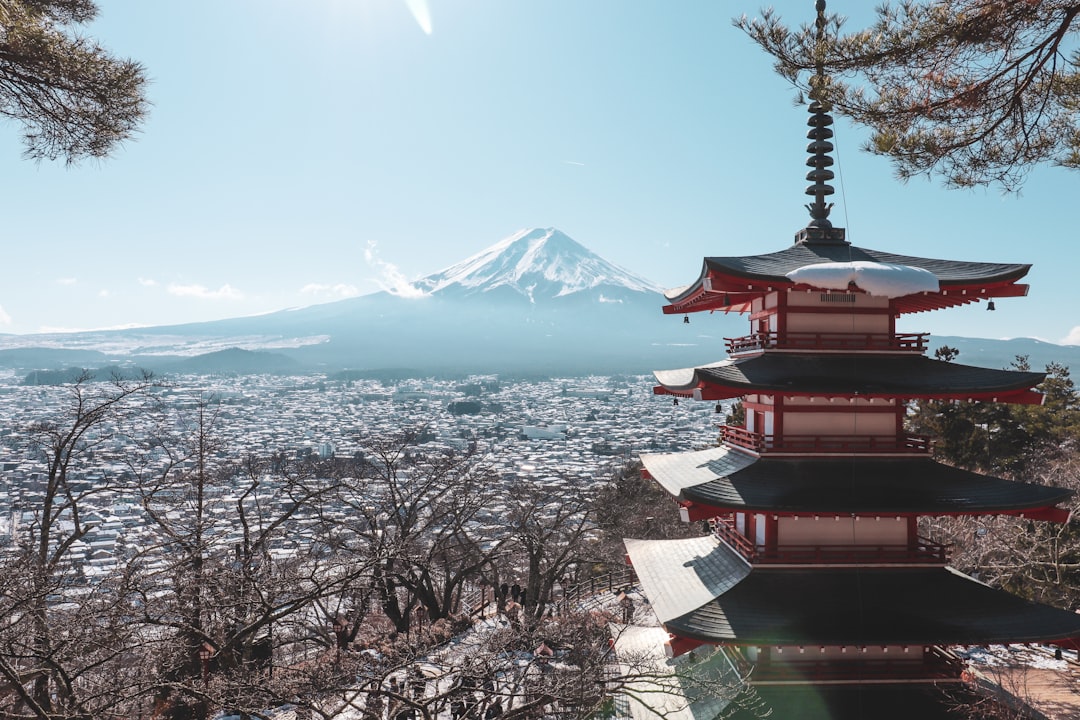
If your goal is to gaze at Japan’s iconic volcano reflected in a lake or framed by cherry blossoms, head to the Fuji Five Lakes area, particularly Lake Kawaguchiko. This is a relaxed, accessible day trip suitable for all ages and fitness levels.
- How to get there: Take the Chuo Line from Shinjuku Station to Otsuki, then transfer to the Fujikyu Railway to Kawaguchiko Station. Total journey: around 2 hours. Alternatively, take a direct highway bus from Shinjuku Bus Terminal — often cheaper and more straightforward.
- Budget: Highway bus round-trip runs roughly ¥3,000–¥4,000. Train option is similar or slightly more.
- Best timing: Early morning on a clear weekday. Fuji is notoriously shy — clouds frequently obscure the summit by midday. Arrive early, and check weather forecasts the night before.
- Crowd tip: Walk 15 minutes away from Kawaguchiko’s main lakeside area toward the quieter northern shore for better views and fewer selfie sticks.
Option B: Climbing Mount Fuji (Seasonal Only)
The official climbing season runs from early July through early September. Outside this window, the mountain trails are closed due to snow and safety risks. Climbing is strenuous — it takes most people 5–8 hours to reach the summit from the 5th Station starting point, and altitude sickness is a real concern.
- Start from: Fuji Subaru Line 5th Station (most popular starting point)
- Budget: A conservation fee is charged at the entrance. Add transport, gear rental if needed, and mountain hut costs if you plan an overnight ascent for a sunrise view.
- Honest advice: If you’re not a regular hiker, consider whether this is the right trip for you. Many visitors find the experience rewarding but exhausting. Going up is manageable; the descent on loose volcanic rock is harder than expected.
Kamakura: Ancient Temples Without the Tokyo Crowds
Kamakura is one of the most satisfying day trips from Tokyo because it delivers history, nature, and a slower pace all at once. The town sits on a peninsula about an hour south of Tokyo and was once Japan’s de facto capital in the medieval period. The Great Buddha (Kotoku-in) — a 13-meter bronze statue sitting peacefully outdoors — is the anchor attraction, but the surrounding temple circuit is what makes Kamakura special.
- How to get there: JR Yokosuka Line from Tokyo Station to Kamakura Station. About 55–60 minutes. Cost: roughly ¥950 one way.
- Budget: Allow ¥2,000–¥4,000 for entrance fees across two or three temples, plus lunch. Kamakura has excellent small restaurants near the main street (Komachi-dori) serving local shirasu (whitebait) dishes.
- Best timing: Spring for cherry blossoms, June for hydrangeas at Meigetsu-in temple. Weekday mornings are significantly quieter.
- Crowd tip: Most visitors do Kamakura Station, walk to the Great Buddha, and leave. Instead, rent a bicycle near the station and explore the quieter Kita-Kamakura area with its moss-covered Zen temples like Engaku-ji. You’ll encounter far fewer tour groups.
- Hidden gem: The Daibutsu Hiking Course is a forested trail connecting several temples. It takes about 90 minutes and feels remarkably remote for a place this close to Tokyo.
Hakone: Hot Springs, Mountains, and Open-Air Art
Hakone offers something rare: natural beauty, cultural depth, and physical relaxation in a single day. Sitting inside a volcanic caldera near Mount Fuji, the area is known for its onsen (hot spring baths), mountain views, and the excellent Hakone Open-Air Museum.
- How to get there: Romance Car (Romancecar) limited express train from Shinjuku to Hakone-Yumoto. About 85 minutes. Cost: around ¥2,470 one way including the express surcharge. Alternatively, the JR Odakyu Line is cheaper but slower.
- Budget: Consider the Hakone Free Pass (available from Odakyu Travel). It covers unlimited rides on the mountain railway, cable car, ropeway, and lake ferry within the Hakone area. It costs around ¥6,000–¥6,500 and pays for itself quickly if you use the full transport loop.
- Best timing: Clear autumn days offer the best combination of fall foliage and Fuji views from the ropeway. Avoid holiday weekends — the ropeway queues become very long.
- Onsen tip: Many hotels in Hakone offer day-use onsen access (日帰り温泉, pronounced higaeri onsen) without requiring you to stay overnight. Budget ¥1,000–¥2,000 for this. It’s one of Japan’s most restorative experiences and completely accessible to first-timers.
- Crowd tip: The Hakone Open-Air Museum is genuinely world-class and rarely as crowded as the ropeway. If Fuji is hiding behind clouds, spend more time here — you won’t regret it.
Nikko: Ornate Shrines in the Mountains
Nikko sits about two hours north of Tokyo in the mountains of Tochigi Prefecture. The UNESCO-listed Tosho-gu Shrine complex is Nikko’s centerpiece — an extravagantly decorated mausoleum built in honor of Tokugawa Ieyasu, the founder of the Edo shogunate. It’s visually overwhelming in the best possible way.
- How to get there: Take the Tobu Nikko Line from Asakusa Station to Tobu-Nikko Station. Around 2 hours on the limited express (Spacia). Cost: roughly ¥2,800–¥3,000 one way. This is one case where the Tobu Nikko Pass (not JR) is worth considering — it includes round-trip train fare and unlimited local bus rides.
- Budget: Tosho-gu entry alone costs ¥1,600 for adults. Budget ¥3,000–¥5,000 total for entrance fees if you visit multiple sites.
- Best timing: Autumn (late October through mid-November) is spectacular — the surrounding forests turn brilliant red and gold against the ornate shrine buildings. Avoid May’s Grand Festival weekend unless you specifically want to see the procession — crowds are enormous.
- Crowd tip: Most visitors concentrate entirely on Tosho-gu. Walk 30 minutes further up to Taiyuin Mausoleum, the shrine dedicated to Ieyasu’s grandson. It’s just as beautiful, far less visited, and often genuinely quiet.
Yokohama: An Urban Escape with a Different Feel
Yokohama doesn’t offer mountains or ancient temples, but it offers something different: a cosmopolitan port city with a distinct atmosphere that feels nothing like Tokyo despite being only 30 minutes away. It’s ideal if you want a change of scenery without a long journey.
- How to get there: JR Tokaido Line or Yokosuka Line from Tokyo Station to Yokohama Station. Around 30 minutes. Cost: ¥480 one way.
- What to focus on: The waterfront Minato Mirai district, Yamashita Park, and Chinatown — one of the largest in Asia, with hundreds of restaurants and food stalls. The Sankeien Garden is a beautifully landscaped Japanese garden that most visitors overlook entirely.
- Budget: Yokohama is one of the most affordable day trips. You can spend a full day here for ¥2,000–¥4,000 including transport, lunch, and a museum or two.
- Best timing: Yokohama’s Chinese New Year celebrations (usually in late January or February) are among the most festive in Japan. The Minato Mirai area also has excellent seasonal illuminations in winter evenings.
Practical Tips for Any Day Trip from Tokyo
Beat the Crowds Without Sacrificing Comfort
- Leave before 8am. Most day-trippers take mid-morning trains. An early departure puts you at the destination before tour groups arrive.
- Return after 5pm. Crowds thin noticeably in late afternoon, and evening light makes everything more photogenic anyway.
- Visit on weekdays whenever your schedule allows. Japanese national holidays and weekends bring dramatically higher visitor numbers at all major attractions.
Language Barrier? Less Scary Than You Think
Train stations display platform information in English, Chinese, and Korean at all major hubs. Google Maps works reliably throughout Japan and handles train navigation well — input your destination in English and it will route you accurately. Downloading an offline map before leaving your accommodation adds an extra safety net if your data connection is slow.
At shrines and tourist sites, staff often speak basic English or will find someone who does. A smile and a respectful bow go a long way in any situation.
What to Pack for a Day Trip
- Comfortable walking shoes — all these destinations involve significant walking on uneven surfaces
- A small day bag with a water bottle (vending machines are everywhere, but having your own is cheaper)
- Cash — many smaller restaurants and rural shops remain cash-only
- A light layer even in summer — mountain destinations like Nikko and Hakone can be cooler than Tokyo
Your Next Steps
Start with one trip, not five. Pick the destination that matches your interests most closely — temples and history point toward Kamakura or Nikko; nature and relaxation point toward Hakone; iconic scenery points toward Kawaguchiko for Fuji views.
Before you go: check the weather forecast the night before (especially critical for Mount Fuji and Hakone views), load your Suica card with enough yen to cover transport and meals, and aim for an early train. That single habit — leaving early — will improve your experience at every destination on this list more than anything else you could plan.
Japan’s day trip destinations are genuinely world-class. You just have to show up before the crowds do.