When you think of Japanese street food, images of takoyaki, ramen, and taiyaki might come to mind. However, Japan has embraced Western-style street food with remarkable creativity, transforming familiar treats like crepes and waffles into distinctly Japanese experiences. From the colorful crepe stands of Harajuku to the Belgian waffle shops scattered across Tokyo’s train stations, Western-style street food has become an integral part of Japan’s culinary landscape.
Understanding this fusion of Western and Japanese flavors offers visitors a unique window into how Japan adapts foreign concepts while maintaining its own cultural identity. These sweet treats represent more than just food – they’re cultural bridges that demonstrate Japan’s ability to reimagine international cuisine in unexpected and delightful ways.
- The Rise of Western Street Food in Japan
- Crepes: The Harajuku Phenomenon
- Waffles: Belgian Influence with Japanese Flair
- Other Western-Style Street Food Favorites
- Regional Variations and Local Specialties
- Where to Find the Best Western Street Food
- Practical Tips for Enjoying Western Street Food in Japan
- Health and Safety Considerations
- The Social and Cultural Impact
- Future Trends and Evolution
- Conclusion
The Rise of Western Street Food in Japan
Japan’s relationship with Western street food began as part of the country’s broader cultural exchange with the West. Unlike traditional Japanese sweets (wagashi), which emphasize subtle flavors and seasonal ingredients, Western-style street food in Japan celebrates bold flavors, vibrant colors, and Instagram-worthy presentations.
The popularity of these treats stems from their accessibility and visual appeal. Young people, in particular, gravitated toward these colorful, customizable snacks that offered both taste and social media potential. Districts like Harajuku became synonymous with this trend, where fashion-forward youth embraced both the aesthetic and culinary aspects of Western-inspired street food.
Cultural Adaptation and Innovation
What makes Western street food in Japan particularly fascinating is how local tastes and preferences have shaped these imported treats. Japanese versions often incorporate local ingredients like matcha, red bean paste (anko), and seasonal fruits, creating hybrid creations that satisfy both Western expectations and Japanese palates.
The service style also reflects Japanese hospitality culture. Even street food vendors maintain high standards of cleanliness, presentation, and customer service, elevating what might be considered casual fare in other countries to an art form in Japan.
Crepes: The Harajuku Phenomenon
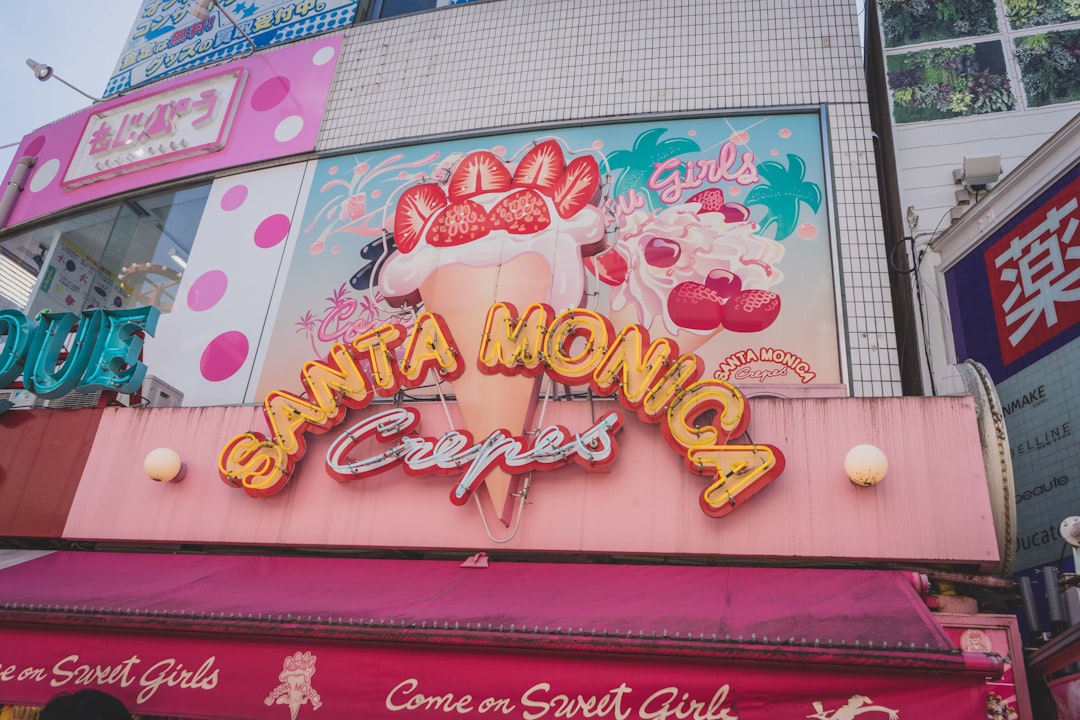
Perhaps no Western street food has become more synonymous with Japanese youth culture than crepes, particularly in Tokyo’s Harajuku district. These aren’t the thin, delicate French crepes you might expect, but rather thick, cone-shaped vessels filled with an incredible variety of sweet and savory ingredients.
Harajuku Crepe Culture
Takeshita Street in Harajuku serves as the epicenter of Japanese crepe culture. Here, you’ll find numerous crepe stands, each competing to offer the most creative and photogenic combinations. The crepes themselves are made fresh to order, with batter poured onto circular griddles and skillfully shaped into perfect cones.
Popular fillings range from traditional combinations like strawberries and whipped cream to uniquely Japanese creations featuring matcha ice cream, mochi, and sweet red beans. Some stands even offer savory options with ingredients like ham, cheese, and vegetables, making crepes suitable for any time of day.
| Crepe Type | Popular Fillings | Average Price Range | Best Time to Try |
|---|---|---|---|
| Sweet Classic | Strawberries, banana, whipped cream, chocolate sauce | ¥400-600 | Afternoon snack |
| Japanese Fusion | Matcha ice cream, mochi, anko, kinako powder | ¥500-700 | Any time |
| Premium Fruit | Seasonal fruits, custard cream, special sauces | ¥600-900 | Weekend treat |
| Savory Options | Ham, cheese, lettuce, mayo, egg | ¥400-650 | Light meal |
Beyond Harajuku: Crepe Culture Across Japan
While Harajuku remains the most famous crepe destination, these treats have spread throughout Japan. Shopping districts in Osaka, Nagoya, and other major cities feature their own crepe stands, each adapting the concept to local tastes and preferences.
Department store food courts often include crepe counters, making these treats accessible even in more formal retail environments. The portability of crepes makes them ideal for busy Japanese lifestyles, allowing people to enjoy a sweet treat while walking or commuting.
Waffles: Belgian Influence with Japanese Flair
Belgian-style waffles have found a devoted following in Japan, but like crepes, they’ve undergone significant adaptation to suit local preferences. Japanese waffle shops emphasize freshness, quality ingredients, and artistic presentation, transforming a simple breakfast item into an elaborate dessert experience.
Types of Waffles in Japanese Street Food
Japanese waffle vendors typically offer several distinct styles, each with its own appeal and target audience. Liège waffles, with their caramelized sugar pearls, provide a rich, sweet experience popular among dessert enthusiasts. Brussels waffles serve as the base for elaborate toppings, from fresh fruit and ice cream to savory combinations.
Some vendors specialize in mini waffles, perfect for sharing or trying multiple flavors. These bite-sized versions often come in sets, allowing customers to sample different toppings or flavors in a single order.
Unique Japanese Waffle Innovations
Japanese creativity shines in waffle toppings and flavors. You’ll find waffles topped with matcha soft-serve, decorated with traditional wagashi sweets, or filled with seasonal ingredients like cherry blossoms or sweet potato. Some shops even create waffle sandwiches, using waffles as bread for ice cream or fresh fruit combinations.
The presentation of waffles in Japan often rivals that of high-end desserts. Vendors take great care in arranging toppings, drizzling sauces, and ensuring each waffle looks perfect before serving. This attention to detail reflects the Japanese aesthetic principle that food should appeal to all senses.
Other Western-Style Street Food Favorites
Beyond crepes and waffles, Japan has embraced numerous other Western street food concepts, each adapted to local tastes and enhanced with Japanese hospitality and presentation standards.
Churros and Donuts
Spanish churros have gained popularity in Japanese amusement parks, shopping districts, and festivals. These fried pastries often feature unique Japanese flavors like matcha, black sesame, or seasonal fruit powders. Some vendors offer mini churros in assorted flavors, allowing customers to try multiple varieties.
American-style donuts have also found their place in Japanese street food culture, with vendors offering both classic glazed varieties and creative combinations featuring local ingredients. The emphasis on freshness means many donut stands fry their products to order, ensuring optimal texture and temperature.
Ice Cream and Soft Serve
While ice cream might not seem uniquely Western in the street food context, Japanese vendors have elevated frozen treats to an art form. Soft-serve ice cream comes in dozens of flavors, from traditional vanilla and chocolate to uniquely Japanese options like wasabi, soy sauce, and regional specialties.
Premium ice cream stands offer elaborate sundaes and parfaits that blur the line between street food and restaurant desserts. These creations often feature multiple flavors, elaborate toppings, and artistic presentation that makes them as suitable for social media as they are for eating.
Regional Variations and Local Specialties
Different regions of Japan have developed their own approaches to Western street food, incorporating local ingredients and reflecting regional preferences. Understanding these variations can enhance your travels and provide insight into local food culture.
| Region | Specialty Western Street Food | Local Twist | Where to Find |
|---|---|---|---|
| Tokyo | Harajuku crepes | Extreme variety, Instagram-focused presentation | Takeshita Street, Shibuya |
| Osaka | Waffle sandwiches | Savory combinations, local ingredients | Dotonbori, Shinsaibashi |
| Kyoto | Matcha waffles | Traditional Japanese tea flavors | Gion district, temple areas |
| Hokkaido | Premium soft serve | Local dairy products, seasonal fruits | Sapporo, tourist areas |
| Okinawa | Tropical fruit crepes | Purple sweet potato, tropical flavors | Kokusai Street, beaches |
Seasonal Adaptations
Japanese Western street food vendors excel at incorporating seasonal ingredients and themes into their offerings. Spring brings cherry blossom flavored treats, summer features tropical fruits and cooling desserts, autumn showcases sweet potato and chestnut flavors, and winter offers warming spices and rich chocolate combinations.
This seasonal approach reflects deep Japanese cultural values about harmony with nature and the importance of timing in food enjoyment. Visitors who time their trips to coincide with specific seasons can experience unique flavors unavailable at other times of the year.
Where to Find the Best Western Street Food
Knowing where to look for high-quality Western street food can make the difference between a mediocre experience and a memorable one. Different types of locations offer distinct advantages and atmospheres for enjoying these treats.
Major Shopping Districts
Tokyo’s Harajuku, Shibuya, and Shinjuku districts offer the highest concentration of Western street food vendors. These areas cater to young people and tourists, ensuring variety, quality, and English-friendly service. Competition among vendors drives innovation and keeps prices reasonable.
Osaka’s Dotonbori and Shinsaibashi districts provide similar experiences with a distinctly Kansai flair. The food culture in these areas emphasizes bold flavors and generous portions, which translates into more indulgent Western street food options.
Train Stations and Transit Hubs
Major train stations throughout Japan feature food courts and concourses filled with Western street food options. These locations prioritize efficiency and portability, making them ideal for travelers who want to grab something quick between connections.
Station-based vendors often offer simplified menus focused on their specialties, which can result in higher quality and consistency. The rapid turnover ensures freshness, though the selection might be more limited than in dedicated food districts.
Festivals and Events
Japanese festivals (matsuri) increasingly feature Western street food alongside traditional offerings. These events provide opportunities to try items from multiple vendors in a single location, often at festival-specific prices.
Music festivals, cultural events, and seasonal celebrations frequently include Western street food vendors who create special menu items for the occasion. This can be an excellent way to discover new flavors and combinations.
Practical Tips for Enjoying Western Street Food in Japan
Successfully navigating Japan’s Western street food scene requires understanding local customs, expectations, and practical considerations that can enhance your experience.
Ordering and Payment
Most street food vendors accept both cash and electronic payments, though cash remains preferred at smaller stands. Many vendors display picture menus or have English signage in tourist areas, making ordering accessible for foreign visitors.
Don’t hesitate to point at menu items or ask for recommendations. Many vendors, particularly younger staff, speak some English and are eager to help foreign customers discover new flavors.
Eating Etiquette and Expectations
Japanese street food culture emphasizes cleanliness and consideration for others. Vendors provide napkins and sometimes wet wipes, and customers are expected to dispose of trash properly. Many areas have designated eating zones or provide small standing tables.
While walking and eating is generally acceptable with street food, be mindful of crowded areas and avoid eating while on trains or in formal settings. Taking photos of colorful creations is not only accepted but often encouraged by vendors who appreciate social media exposure.
| Situation | Appropriate Behavior | What to Avoid | Local Tip |
|---|---|---|---|
| Crowded street | Step aside to eat, hold food carefully | Blocking foot traffic while eating | Look for small eating areas near vendors |
| Train platform | Finish eating before boarding | Bringing messy food onto trains | Many stations have eating areas |
| Festival setting | Follow crowd flow, dispose of trash properly | Leaving trash on ground | Vendors often provide disposal bags |
| Taking photos | Ask permission for vendor photos | Photographing other customers without permission | Food photos are always welcome |
Timing Your Visits
Western street food vendors typically operate during peak foot traffic hours, with many opening late morning and continuing into the evening. Weekends see the highest activity, but also the longest lines at popular stands.
Visiting during off-peak hours can provide more personalized service and shorter wait times. Many vendors are happy to explain their offerings and make recommendations when they’re not rushed.
Health and Safety Considerations
Japan maintains exceptionally high food safety standards, and street food vendors are no exception. However, understanding local practices and making informed choices can enhance your dining experience and peace of mind.
Quality Indicators
Look for vendors with steady customer turnover, as this indicates freshness and popularity. Clean preparation areas, proper food storage, and staff wearing gloves or using utensils are standard expectations in Japan.
Many Western street food items are prepared to order, which ensures optimal temperature and texture. Don’t be surprised if vendors take several minutes to prepare your order – this attention to preparation often results in superior quality.
Dietary Considerations
Vegetarian and vegan options exist but may be limited, particularly with crepes and waffles that often contain dairy products. Some vendors offer soy milk alternatives or fruit-only toppings, but it’s important to communicate dietary restrictions clearly.
Allergen information is increasingly available, though language barriers can make this challenging. Many popular Western street foods contain common allergens like eggs, dairy, and wheat, so those with severe allergies should exercise appropriate caution.
The Social and Cultural Impact
Western street food in Japan represents more than culinary fusion – it reflects broader cultural exchanges and generational changes in Japanese society. Understanding this context can deepen your appreciation for these treats and their place in Japanese culture.
Youth Culture and Identity
For many young Japanese people, Western street food serves as a form of cultural expression and social bonding. Sharing elaborately decorated crepes or waffles has become a common social activity, particularly among teenagers and young adults in urban areas.
The visual nature of these foods aligns perfectly with social media culture, allowing consumers to participate in global food trends while maintaining uniquely Japanese elements. This represents a form of cultural adaptation that honors both international influences and local preferences.
Economic Impact
The Western street food sector has created numerous business opportunities, from individual vendors to franchise operations. Many successful crepe and waffle shops have expanded beyond single locations, demonstrating the commercial viability of this food category.
Tourism has also boosted this sector, as foreign visitors often seek out these fusion treats as memorable experiences that combine familiar flavors with Japanese innovation. This has encouraged vendors to maintain high standards and develop increasingly creative offerings.
Future Trends and Evolution
Japanese Western street food continues evolving, incorporating new international influences while strengthening its distinctly Japanese character. Understanding these trends can help visitors identify the most innovative and exciting offerings.
Health-Conscious Adaptations
Some vendors have begun offering lighter versions of traditional Western street foods, incorporating whole grain flours, reduced sugar options, and fresh fruit emphasis. These adaptations reflect changing consumer preferences while maintaining the visual appeal and taste satisfaction that make these foods popular.
Plant-based alternatives are slowly appearing, though they remain niche offerings. As global dietary trends continue influencing Japanese food culture, expect to see more diverse options catering to various dietary preferences and restrictions.
Technology Integration
Many Western street food vendors have embraced technology for ordering and payment, with some offering mobile apps or QR code menus. This integration improves efficiency while maintaining the personal service that characterizes Japanese hospitality.
Social media integration has become increasingly sophisticated, with vendors creating signature dishes specifically designed for sharing online. This symbiotic relationship between food presentation and digital culture continues driving innovation in both flavors and visual appeal.
Conclusion
Western-style street food in Japan offers visitors a unique window into how cultures blend, adapt, and create something entirely new while honoring both their origins and adopted influences. From the colorful crepe stands of Harajuku to the artisanal waffle shops scattered throughout Japanese cities, these treats represent successful cultural fusion that satisfies both international expectations and local preferences.
The key to enjoying Japanese Western street food lies in approaching it with openness to both familiar and surprising elements. While you might recognize the basic concept of a crepe or waffle, the Japanese interpretation will likely offer flavors, presentations, and service styles that exceed your expectations.
For travelers, these foods provide accessible entry points into Japanese food culture that require no specialized knowledge or adventurous palate. They’re perfect for family trips where different generations might have varying comfort levels with traditional Japanese cuisine, offering something appealing for everyone.
Remember that the best experiences come from embracing the unexpected. Don’t hesitate to try flavor combinations that sound unusual – many of the most beloved Japanese Western street food creations began as experimental offerings that proved surprisingly delicious. Whether you’re seeking Instagram-worthy treats, convenient snacks between sightseeing, or simply curious about how Japan interprets Western flavors, these street food options provide memorable experiences that bridge cultures through the universal language of delicious food.
Photo by Caroline Roose on Unsplash