- Why Understanding Japan's Feudal Past Enriches Your Travel Experience
- The Foundation: Understanding Japan's Social Hierarchy
- Architectural Legacy: From Castles to Modern Spaces
- Cultural Practices: The Art of Social Harmony
- Arts and Aesthetics: Refinement Through Constraint
- Language and Communication: The Power of Subtlety
- Business Culture: Feudal Principles in Corporate Japan
- Food Culture: Seasonal Awareness and Social Ritual
- Festivals and Celebrations: Community and Continuity
- Practical Tips for Culturally Aware Travel
- Key Takeaways: Understanding Japan's Cultural Continuity
Why Understanding Japan’s Feudal Past Enriches Your Travel Experience
When you step off the train in Kyoto and walk through the bamboo groves of Arashiyama, or bow respectfully before entering a traditional restaurant in Tokyo, you’re participating in cultural practices that stretch back over a thousand years. Japan’s feudal system, which dominated the country for centuries, didn’t simply disappear when the country opened to the world—it transformed, adapted, and wove itself into the fabric of the Japan you’ll experience as a traveler.
Understanding this historical foundation helps explain why Japanese culture feels simultaneously ancient and ultramodern, why hierarchy remains so important in social interactions, and why certain travel experiences—from staying in a ryokan to participating in a tea ceremony—carry such profound cultural weight. For visitors, this knowledge transforms a trip from simple sightseeing into a deeper cultural journey.
The feudal era established social structures, aesthetic principles, and behavioral codes that continue to influence everything from business practices to urban planning. When you understand these connections, you’ll recognize the historical echoes in your interactions with locals, appreciate the significance of architectural details, and navigate social situations with greater cultural awareness.
The Foundation: Understanding Japan’s Social Hierarchy
The Four-Class System and Its Legacy
Japan’s feudal society was built on a rigid four-class system that placed samurai at the top, followed by farmers, artisans, and merchants. This hierarchy, known as “shi-no-ko-sho,” created social patterns that travelers can still observe throughout Japan. The emphasis on rank, proper behavior, and mutual respect that characterizes Japanese interactions stems directly from this historical structure.
When you encounter the meticulous service at a Japanese hotel, witness the careful choreography of a business meeting, or observe how people interact on public transportation, you’re seeing the evolution of feudal social codes. The concept of “knowing your place” and showing appropriate respect to others based on their position remains fundamental to Japanese social harmony.
| Feudal Class | Historical Role | Influence on Modern Culture | What Travelers Experience |
|---|---|---|---|
| Samurai (Warriors) | Military elite, administrators | Leadership principles, honor codes | Corporate culture, martial arts tourism |
| Farmers | Agricultural producers | Connection to nature, seasonal awareness | Agricultural tourism, seasonal cuisine |
| Artisans | Skilled craftspeople | Pursuit of perfection, traditional crafts | Workshop visits, artisan demonstrations |
| Merchants | Traders and businesspeople | Commercial innovation, customer service | Shopping experiences, business etiquette |
Regional Power Structures: The Domain System
Japan was divided into hundreds of domains (han), each ruled by a daimyo lord who owed allegiance to the shogun. This system created distinct regional identities that persist in Japan’s prefectural cultures. When you travel from Tokyo to Osaka to Hiroshima, you’re not just moving between cities—you’re crossing boundaries that once separated autonomous feudal territories.
Each region developed its own dialects, culinary specialties, and cultural practices under feudal rule. These differences explain why Osaka’s food culture emphasizes hearty merchant traditions, while Kyoto maintains aristocratic refinement, and why regional pride remains so strong throughout Japan. Understanding these historical divisions helps travelers appreciate why each destination feels distinctly different despite sharing national characteristics.
Architectural Legacy: From Castles to Modern Spaces
Castle Towns and Urban Planning
Japan’s distinctive urban layout stems from feudal castle town design. These settlements placed the lord’s castle at the center, surrounded by samurai residences, merchant quarters, and temple districts arranged in concentric circles. This pattern influences how you’ll navigate many Japanese cities, where historical districts maintain their original character and layout.
When you explore cities like Kanazawa, Matsumoto, or even central Tokyo, you’re following streets that were designed to channel movement toward the center of power. The maze-like quality of many Japanese neighborhoods, with their narrow alleys and sudden dead ends, reflects defensive strategies from the feudal period. Understanding this helps explain why getting lost is so common for first-time visitors—the street patterns weren’t designed for modern navigation but for medieval defense.
Architectural Aesthetics and Design Principles
The aesthetic principles that govern Japanese architecture—simplicity, natural materials, integration with nature, and flexible interior spaces—emerged from feudal period innovations. The tatami mat system, sliding doors (fusuma and shoji), and raised floors that characterize traditional Japanese buildings were refined during centuries of feudal rule.
These design elements appear everywhere in Japan, from luxury hotels that incorporate traditional elements to contemporary buildings that embrace minimalist aesthetics. When you stay in a ryokan and sleep on a futon laid over tatami mats, you’re experiencing a spatial concept that feudal lords used to create adaptable, harmonious living environments.
| Architectural Element | Feudal Purpose | Where to Experience | Typical Cost Range |
|---|---|---|---|
| Tatami Mat Rooms | Flexible, hierarchical seating | Ryokans, traditional restaurants | ¥15,000-50,000 per night |
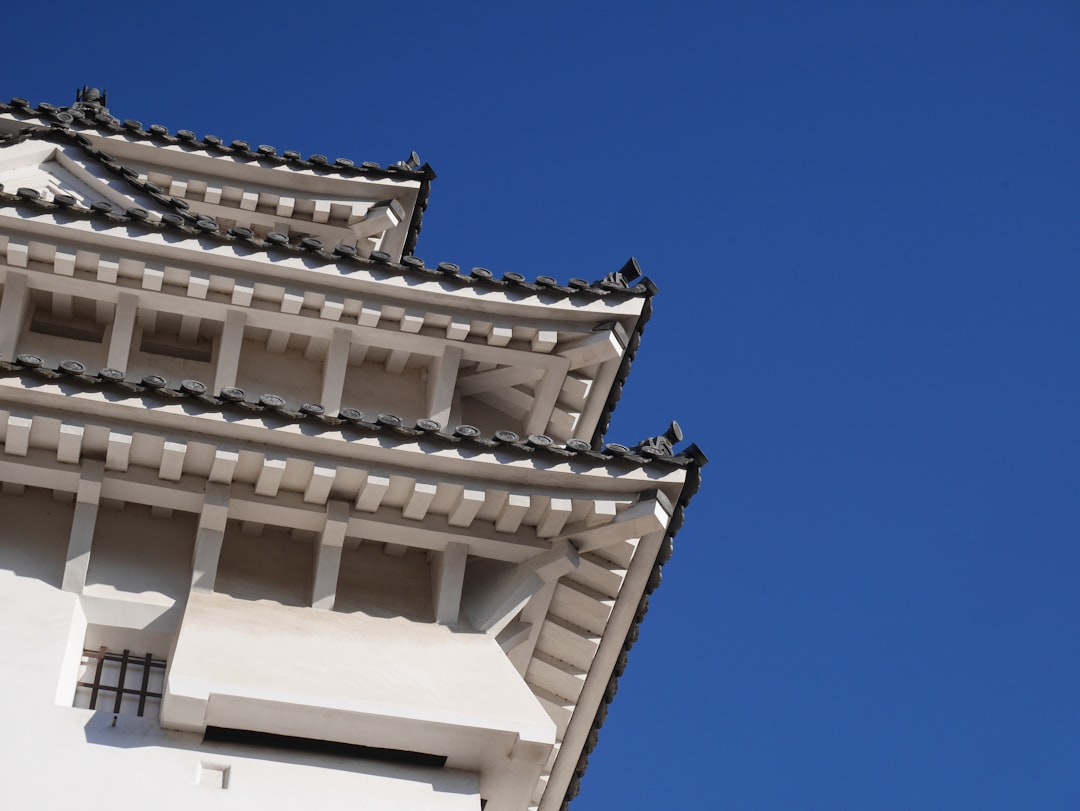
| Castle Architecture | Defense and power display | Original castles, reconstructions | ¥300-800 entrance fees |
| Garden Design | Meditation, status symbol | Temple gardens, private estates | ¥300-1,500 admission |
| Tea House Structure | Ceremony space, social hierarchy | Tea ceremony venues | ¥2,000-8,000 per experience |
Cultural Practices: The Art of Social Harmony
Bowing, Respect, and Social Interaction
The intricate system of bowing that visitors encounter throughout Japan developed as a way to navigate feudal social hierarchies. Different angles and durations of bows communicated precise information about relative status, respect levels, and social relationships. While the system has simplified, the underlying principle remains: showing appropriate respect through physical gesture maintains social harmony.
As a traveler, understanding that bowing isn’t just politeness but a form of social communication helps you participate more meaningfully in Japanese culture. A slight bow when entering a shop, receiving service, or meeting someone shows cultural awareness and is always appreciated. The depth and duration of your bow can remain modest—the gesture itself demonstrates respect for local customs.
Gift-Giving and Reciprocity
The elaborate gift-giving culture that travelers encounter in Japan—from omiyage (travel souvenets) to formal seasonal gifts—stems from feudal-era practices of maintaining relationships through mutual obligation. Samurai, merchants, and farmers all participated in complex networks of gifts and favors that reinforced social bonds and hierarchies.
When you bring small gifts from your home country to share with hosts or guides, or when you carefully select omiyage at regional destinations to bring back to Tokyo, you’re participating in this historical tradition. The emphasis on beautiful packaging, seasonal appropriateness, and thoughtful presentation that characterizes Japanese gift culture reflects centuries of refinement during the feudal period.
Group Harmony and Individual Expression
The concept of “wa” (harmony) that governs group dynamics in Japan developed as a survival mechanism in feudal society, where disrupting social order could have serious consequences. This principle influences everything from how people behave on trains to how business decisions are made through consensus-building processes.
Travelers benefit from understanding this cultural priority. Moving quietly through shared spaces, waiting patiently in lines, and avoiding behavior that draws negative attention aren’t just polite—they demonstrate awareness of fundamental Japanese social values. This cultural knowledge helps explain why individual expression often happens in designated spaces and times rather than spontaneously in public settings.
Arts and Aesthetics: Refinement Through Constraint
Tea Ceremony and the Way of Beauty
The Japanese tea ceremony, which many travelers experience during cultural tours, crystallizes feudal aesthetic principles into a complete art form. Developed and refined during the feudal period, tea ceremony embodies concepts of seasonal awareness, spatial harmony, and social etiquette that permeate Japanese culture.
The ceremony’s emphasis on finding beauty in simplicity, its seasonal variations, and its precise choreography reflect samurai values of discipline and refinement. When you participate in a tea ceremony, you’re not just drinking tea—you’re experiencing a cultural practice that trained feudal elites in aesthetic sensitivity and social grace.
Martial Arts and Physical Discipline
The martial arts that travelers can study in Japan—from judo and kendo to aikido and kyudo (archery)—preserve feudal warrior training methods while emphasizing character development over combat effectiveness. These practices maintain the feudal connection between physical discipline and spiritual cultivation.
Many visitors find that participating in martial arts classes or demonstrations provides insight into Japanese concepts of perseverance, respect, and continuous improvement. The bow before and after practice, the emphasis on proper form over flashy techniques, and the integration of mental and physical training all reflect samurai educational principles.
Traditional Crafts and Artisan Culture
Japan’s reputation for exceptional craftsmanship stems from the feudal guild system that protected and refined traditional skills. Whether you’re watching a potter in Kyoto, a sword smith in Gifu, or a textile weaver in rural villages, you’re observing techniques and standards that were established under feudal patronage.
The pursuit of perfection that characterizes Japanese craftsmanship reflects the feudal period’s emphasis on specialization and excellence within defined roles. The concept of spending decades mastering a single skill, which seems unusual in many cultures, makes perfect sense within the context of Japan’s historical social structure.
| Traditional Art Form | Feudal Origins | Where to Experience | Learning Opportunities |
|---|---|---|---|
| Tea Ceremony | Samurai aesthetic training | Kyoto temples, cultural centers | Half-day workshops, multi-day courses |
| Calligraphy | Administrative and artistic skill | Temples, art schools | Drop-in classes, private instruction |
| Flower Arrangement | Seasonal awareness, spatial design | Department stores, cultural venues | Workshop sessions, demonstration viewing |
| Martial Arts | Warrior training and philosophy | Dojos nationwide | Beginner classes, cultural explanations |
Language and Communication: The Power of Subtlety
Honorific Language and Social Navigation
Japanese language preserves elaborate feudal systems of honorific and humble speech that communicate social relationships with remarkable precision. While travelers don’t need to master these linguistic complexities, understanding their existence helps explain why Japanese communication often seems indirect or formal to foreign visitors.
The use of different vocabulary, verb forms, and even pronouns depending on social relationships stems from feudal requirements to show appropriate respect and humility. This linguistic heritage explains why service interactions in Japan feel so courteous and why business meetings follow such specific protocols.
Non-Verbal Communication
The subtlety that characterizes Japanese communication reflects feudal-era needs to convey information without directly challenging authority or disrupting harmony. Reading context, understanding implications, and responding to unspoken expectations remain crucial social skills.
For travelers, developing awareness of non-verbal cues enhances cultural understanding and social success. Paying attention to what isn’t said, recognizing when “maybe” means “no,” and understanding the significance of silence all connect to communication patterns established during centuries of hierarchical social interaction.
Business Culture: Feudal Principles in Corporate Japan
Corporate Hierarchy and Decision-Making
Japan’s distinctive business culture, which many travelers encounter through work-related visits or business hotel experiences, maintains feudal concepts of loyalty, hierarchy, and group decision-making. The seniority-based promotion systems, emphasis on company loyalty, and consensus-building processes all reflect historical social organization principles.
Understanding this background helps explain why Japanese business interactions follow specific protocols, why building relationships takes precedence over immediate results, and why group harmony influences decision-making processes. These insights prove valuable whether you’re conducting business in Japan or simply trying to understand the service culture you encounter as a tourist.
Customer Service Philosophy
The exceptional service standards that consistently impress visitors to Japan reflect feudal concepts of duty, craftsmanship, and social responsibility. The idea that serving others well is inherently honorable work, rather than subservient labor, stems from feudal social values that emphasized the importance of fulfilling one’s role with excellence.
This perspective helps explain why Japanese service feels different from customer service in other countries. Staff members aren’t just being polite—they’re demonstrating professional pride and social responsibility in ways that connect to centuries of cultural development.
Food Culture: Seasonal Awareness and Social Ritual
Kaiseki and the Art of Dining
Traditional Japanese cuisine, especially the formal kaiseki dining that many travelers experience at high-end ryokans, embodies feudal aesthetic principles and social structures. The seasonal progression of dishes, careful attention to visual presentation, and emphasis on natural flavors reflect aristocratic dining culture refined over centuries.
The ritualistic aspects of Japanese dining—from the specific order of courses to the importance of eating seasonally appropriate foods—connect to feudal concepts of harmony with nature and social propriety. When you participate in these dining experiences, you’re engaging with cultural practices that once defined elite social interaction.
Regional Food Traditions
The distinctive regional cuisines that make food tourism so rewarding in Japan developed within feudal domain boundaries. Each region’s specialties reflect local resources, climate, and cultural preferences that were shaped by centuries of relative isolation and local governance.
This historical context explains why regional food pride remains so strong and why local specialties often seem to have deep cultural significance beyond their taste. Understanding these connections enhances appreciation for the culinary experiences that make Japanese travel so memorable.
Festivals and Celebrations: Community and Continuity
Matsuri and Social Cohesion
Japanese festivals, which provide some of the most vibrant cultural experiences for travelers, serve functions that extend far beyond entertainment. The community participation, hierarchical organization, and seasonal timing of matsuri reflect feudal-era needs to maintain social bonds and cultural continuity.
When you witness or participate in local festivals, you’re seeing how feudal communities organized collective celebration while reinforcing social structures. The roles different groups play in festival organization, the respect shown to traditional leaders, and the emphasis on precise execution all connect to historical social patterns.
Seasonal Celebrations and Cultural Rhythm
The Japanese calendar’s integration of seasonal celebrations—from cherry blossom viewing to autumn leaf hunting—reflects feudal society’s agricultural foundations and aesthetic sophistication. These practices demonstrate how feudal culture transformed practical necessity into artistic appreciation.
Understanding this background helps travelers appreciate why seasonal activities hold such cultural importance and why timing your visit to coincide with particular seasons can provide deeper cultural insights beyond just favorable weather or beautiful scenery.
Practical Tips for Culturally Aware Travel
Recognizing Historical Influence in Daily Encounters
Armed with knowledge of Japan’s feudal heritage, you can recognize historical influences throughout your travels. When hotel staff bow deeply upon your arrival, they’re demonstrating respect protocols that developed over centuries. When you encounter the meticulous attention to detail in everything from train scheduling to food presentation, you’re seeing the influence of artisan traditions and social expectations that were refined during feudal times.
Look for these connections as you travel: the way groups move together through spaces, how people show respect in temples and shrines, why certain behaviors are expected in different settings. This awareness transforms routine interactions into cultural learning opportunities.
Participating Respectfully in Cultural Practices
Understanding feudal origins helps you participate more meaningfully in Japanese cultural practices. When visiting temples, your behavior reflects awareness of sacred space concepts that developed alongside feudal social organization. When dining at traditional restaurants, following proper etiquette demonstrates understanding of social harmony principles that have deep historical roots.
Small gestures like bowing appropriately, removing shoes when expected, speaking quietly in public spaces, and showing appreciation for craftsmanship all connect to feudal-era values that remain culturally important. These actions show respect for historical continuity while enhancing your own cultural understanding.
Choosing Experiences That Reveal Cultural Depth
Select travel experiences that connect to Japan’s feudal heritage for richer cultural insights. Stay in ryokans that maintain traditional practices, visit working temples where you can observe ongoing religious traditions, participate in tea ceremony or martial arts experiences, and explore historical districts where feudal urban planning remains visible.
Prioritize quality over quantity when choosing cultural activities. Spending time to understand the background and significance of fewer experiences often provides more lasting value than rushing through many surface-level attractions.
Key Takeaways: Understanding Japan’s Cultural Continuity
Japan’s feudal system didn’t disappear when the country opened to the world—it transformed and adapted, creating the unique cultural landscape that travelers encounter when they visit Japan. The social hierarchies became service standards, warrior aesthetics became design principles, and group harmony became a national value that influences everything from business practices to public behavior.
This cultural continuity explains why Japan can feel simultaneously ancient and ultramodern, why tradition and innovation coexist so seamlessly, and why understanding historical context enhances every aspect of the travel experience. When you recognize feudal influences in cultural practices, you participate more meaningfully in Japanese culture rather than simply observing it from the outside.
The investment in understanding these connections pays dividends throughout your travels. Every interaction becomes an opportunity for cultural learning, every tradition you encounter carries deeper significance, and every destination reveals layers of meaning that connect to centuries of historical development. This knowledge transforms a trip to Japan from tourism into cultural immersion, creating memories and insights that extend far beyond the duration of your visit.
Whether you’re bowing before entering a shrine, participating in a tea ceremony, staying in a traditional ryokan, or simply navigating the courteous complexity of Japanese social interaction, you’re engaging with living culture that maintains profound connections to its feudal origins. Understanding these connections doesn’t just make you a more informed traveler—it makes you a more respectful and appreciative participant in one of the world’s most sophisticated cultural traditions.
Photo by Raquel Moss on Unsplash