- How Japanese Minimalism Can Improve Your Life
- What Is Japanese Minimalism, Really?
- The Life-Changing Benefits of Adopting Japanese Minimalism
- Practical Ways to Bring Japanese Minimalism Into Your Home
- Applying Japanese Minimalism Beyond the Home
- A Note for Visitors to Japan
- Getting Started: Your First Steps
How Japanese Minimalism Can Improve Your Life
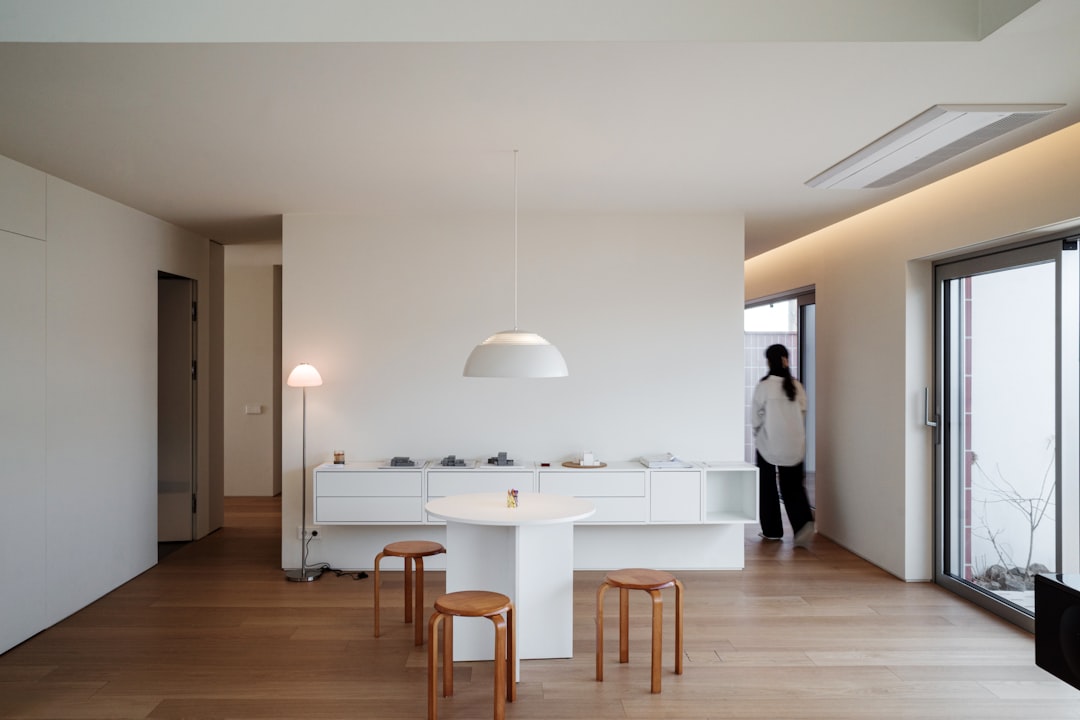
Walk into a traditional Japanese home and you will immediately feel something shift inside you. The air feels lighter. Your eyes have somewhere to rest. Your mind, almost without being asked, begins to slow down. This is not an accident. Japanese minimalism is a deeply intentional philosophy, one that has been woven into the culture for centuries — and one that has the power to genuinely transform the way you live, wherever in the world you call home.
Whether you have spent time in Japan or simply admire it from afar, the principles behind Japanese minimalism are accessible to everyone. You do not need to throw away all your belongings or move into a bare white room. Instead, think of it as a gentle but powerful shift in perspective — a way of choosing quality over quantity, stillness over noise, and intention over impulse.
What Is Japanese Minimalism, Really?
Many people assume minimalism is simply about owning fewer things. While that is certainly part of it, Japanese minimalism goes much deeper. It draws from a rich set of cultural and philosophical traditions, including Zen Buddhism, the aesthetic concept of wabi-sabi, and the practice of ma — the art of meaningful empty space.
Key Philosophical Roots
Wabi-sabi is the appreciation of imperfection and impermanence. A cracked ceramic bowl repaired with gold, a moss-covered stone, a single wildflower in a slim vase — these are all expressions of wabi-sabi. It teaches us that beauty does not require perfection, and that objects gain meaning through use and age rather than novelty.
Ma (間) refers to negative space — the deliberate pause, the empty corner, the silence between words. In Japanese design, architecture, and even conversation, ma is not considered an absence but a presence in itself. It gives what surrounds it meaning and room to breathe.
Zen Buddhism encourages the stripping away of distraction to find clarity. A Zen garden contains only rock, gravel, and sand — yet it communicates more than a crowded landscape ever could. This influence permeates Japanese aesthetics from tea ceremony to architecture.
| Concept | Meaning | How It Applies to Daily Life |
|---|---|---|
| Wabi-sabi | Beauty in imperfection and impermanence | Appreciating what you own rather than chasing perfection |
| Ma | Meaningful empty space | Leaving room in your home, schedule, and mind |
| Zen | Clarity through simplicity | Removing distractions to focus on what truly matters |
| Ikigai | Reason for being | Aligning your possessions and habits with your true purpose |
| Mottainai | Regret over waste | Using things fully and mindfully before replacing them |
The Life-Changing Benefits of Adopting Japanese Minimalism
The appeal of Japanese minimalism is not merely aesthetic. Research in psychology and behavioral science consistently shows that cluttered environments increase stress hormones, reduce focus, and impair decision-making. On the other hand, organized, simplified spaces have been shown to improve mood, productivity, and even sleep quality. Japanese culture figured this out long before modern science caught up.
Reduced Stress and Mental Clarity
Every object in your home makes a tiny demand on your attention. When you walk into a cluttered room, your brain is quietly processing all of it — registering the unfinished tasks, the unread books, the items that need to be moved or sorted. Over time, this low-level mental noise becomes exhausting. Japanese minimalism asks you to be honest about what you actually use and love, and to release the rest.
When your environment is calm, your mind follows. Many people who adopt minimalist principles report sleeping better, feeling less anxious, and being able to concentrate more deeply on the things that matter to them.
More Intentional Spending
Japanese culture has a concept called mottainai — a word expressing deep regret over wastefulness. To waste a resource, whether it is food, time, or a well-made object, is considered genuinely sorrowful. This mindset naturally curbs impulse buying and encourages you to invest in fewer, higher-quality items that you will use for a long time.
Imagine owning one excellent knife that you sharpen and care for, rather than a drawer full of mediocre ones. Imagine a wardrobe of clothes you genuinely love rather than a packed closet full of things you never wear. This kind of intentional ownership actually saves money over time and reduces the environmental burden of constant consumption.
Greater Appreciation for What You Have
When everything is on display and nothing is curated, objects lose their significance. But when you choose deliberately what earns a place in your home, each item carries more meaning. A handmade cup from a local potter. A book that changed how you see the world. A plant you have tended carefully for years. Japanese minimalism teaches you to see value in what already surrounds you.
Practical Ways to Bring Japanese Minimalism Into Your Home
You do not need to gut your apartment to begin. Japanese minimalism is a practice, not a destination. Start small, stay curious, and let the process unfold naturally.
Declutter With Gratitude, Not Guilt
If you have heard of Marie Kondo, you are already familiar with one modern expression of this philosophy. Her method — holding each object and asking whether it sparks joy — is rooted in genuine Japanese sensibility. But the important nuance is that when you release an object, you thank it. This is not sentimentality; it is a respectful acknowledgment of what the object once gave you, making it easier to let go without regret.
Go through your belongings category by category rather than room by room. Clothes, books, kitchen tools, sentimental items. Handle each one and be honest with yourself. Keep what you truly use and love. Release the rest through donation, gifting, or recycling.
Embrace Empty Space
Resist the urge to fill every surface and corner. In Japanese interior design, a deliberately bare wall or an empty corner is not a mistake waiting to be corrected — it is a breathing space, a place for the eye and mind to rest. Try removing a few items from your shelves or countertops and notice how differently the room feels.
Consider the tokonoma, a recessed alcove found in traditional Japanese rooms. It holds just one or two carefully chosen objects — a scroll, a flower arrangement, a single ceramic piece — and everything else is left empty. The objects displayed are given room to speak.
Adopt a One-In, One-Out Policy
For every new item you bring into your home, let one leave. This simple habit prevents the slow accumulation of clutter and encourages more thoughtful purchasing decisions. Before buying anything, ask yourself where it will live and what it will replace.
Create Rituals Around Everyday Objects
One of the most beautiful aspects of Japanese culture is the elevation of daily routines into rituals. The tea ceremony is the most famous example — every gesture, every object, every silence is intentional. You can bring this spirit into your own life in small ways: preparing your morning coffee slowly and attentively, folding laundry with care, arranging a simple seasonal display on a windowsill.
When you treat ordinary moments with attention, ordinary objects become extraordinary.
Applying Japanese Minimalism Beyond the Home
The principles of Japanese minimalism are not limited to interior design. They offer a template for simplifying all areas of life — your schedule, your digital habits, your relationships, and your sense of purpose.
Simplify Your Schedule
The concept of ma applies just as powerfully to time as it does to space. A schedule packed from morning to night leaves no room for reflection, spontaneity, or rest. Japanese culture — particularly in its traditional forms — values the pause, the walk, the quiet cup of tea in the afternoon. These are not luxuries; they are necessities for a mind that needs to recharge.
Audit your commitments. Which ones align with what you truly value? Which are obligations you have accumulated without really choosing? Releasing a few of these can feel as liberating as clearing a cluttered room.
Manage Your Digital Life Mindfully
Digital clutter is just as taxing as physical clutter. Unread emails, unused apps, endless social media feeds — these are the modern equivalent of a cramped, overcrowded room. Apply minimalist principles to your digital life by regularly clearing out apps you do not use, unsubscribing from email lists that no longer serve you, and creating intentional boundaries around screen time.
| Area of Life | Minimalist Approach | Expected Benefit |
|---|---|---|
| Home | Keep only what you use and love | Reduced stress, easier cleaning, calmer atmosphere |
| Wardrobe | Build a capsule wardrobe of versatile pieces | Less decision fatigue, more confidence in your style |
| Schedule | Leave intentional empty time | Better rest, more creativity, reduced burnout |
| Finances | Spend intentionally, avoid impulse purchases | Greater savings, less buyer’s remorse |
| Digital life | Regularly declutter apps, emails, and feeds | Improved focus, reduced anxiety |
A Note for Visitors to Japan
If you have the opportunity to travel in Japan, you will encounter minimalism not as an abstract concept but as a living, breathing reality. Staying in a traditional ryokan (Japanese inn) is perhaps the most immersive way to experience it. Your room will likely contain a low table, a futon laid out on tatami mats, a single decorative scroll, and perhaps a small vase with one or two seasonal flowers. Nothing more is needed. Everything feels perfectly sufficient.
Visit a Zen garden in Kyoto — Ryoanji is one of the most celebrated — and sit quietly for a few minutes. Notice what happens to your thoughts in the presence of that carefully raked gravel and those fifteen stones. This is minimalism as meditation.
Even a walk through a Japanese city reveals the philosophy at work. Shop windows are uncluttered. Restaurant menus are focused, offering a few dishes done exceptionally well rather than an overwhelming list. Packaging is precise and considered. There is a pervasive sense that someone has thought carefully about what is truly necessary — and had the discipline to leave out everything else.
Getting Started: Your First Steps
Japanese minimalism is an invitation, not an instruction manual. Here are some gentle starting points:
- Choose one drawer or one shelf and clear it completely. Decide thoughtfully what, if anything, deserves to go back.
- Try a “one week challenge” — do not buy anything non-essential for seven days. Notice what you reach for out of habit versus genuine need.
- Set a daily quiet period, even just fifteen minutes, with no screens, no music, and no tasks. Sit with the silence and see what surfaces.
- Bring one seasonal element into your home — a branch of cherry blossom, a pinecone, a stone from a walk. Display it with intention and notice how it makes you feel.
- Read about wabi-sabi or ma — there are wonderful books on both subjects that will deepen your understanding of the philosophy behind the practice.
Japanese minimalism does not ask you to become a different person. It asks you to pay closer attention to the person you already are — your genuine needs, your true values, the things that really bring you peace. In that way, it is less about subtraction and more about revelation. Strip away the excess, and what remains is exactly what matters.
That is a lesson worth learning, wherever you happen to be in the world.