- What Is an Izakaya and Why Should You Visit One?
- The Izakaya Experience: What to Expect When You Walk In
- What to Order: A Guide to Izakaya Food
- Drinks: The Heart of the Izakaya
- Izakaya Etiquette: How to Behave Like a Regular
- Finding the Best Izakayas in Japan
- Practical Tips for Your Izakaya Visit
- Why the Izakaya Is One of Japan's Greatest Gifts to the World
What Is an Izakaya and Why Should You Visit One?
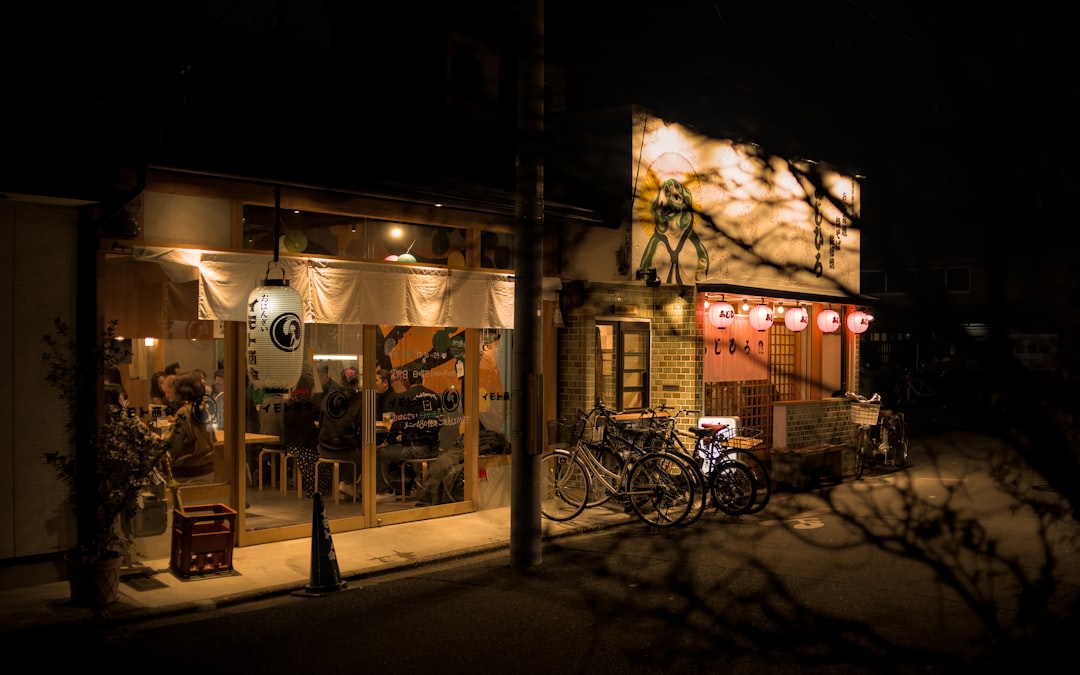
If there is one experience that truly captures the spirit of everyday Japanese social life, it is an evening spent at an izakaya. Often described as a Japanese gastropub or tavern, the izakaya is so much more than a place to grab a drink after work. It is a cultural institution — a relaxed, convivial space where friends, colleagues, and even strangers come together over small plates of food and flowing drinks to unwind, laugh, and connect.
The word izakaya (居酒屋) is made up of three characters: i (to stay), sake (alcohol), and ya (shop). Literally, a place to stay and drink. That definition alone tells you everything about the atmosphere you can expect: unhurried, warm, and endlessly welcoming. For any traveler to Japan, stepping into an izakaya is one of the most authentic local experiences you can have.
The Izakaya Experience: What to Expect When You Walk In
Entering an izakaya for the first time can feel a little overwhelming, especially if you do not speak Japanese. But do not let that put you off. The staff will almost always greet you with an enthusiastic shout of “Irasshaimase!” (Welcome!), and you will typically be seated quickly at a table, a counter, or in a private booth separated by a curtain called a noren.
One of the first things you will notice is that drinks arrive almost immediately. It is common practice in izakayas to order a round of drinks first — most often beer — and then take your time browsing the food menu. This initial drink order is sometimes called the torisaezu biiru (first-round beer), and it signals the start of a proper izakaya session.
Shortly after being seated, you will likely receive a small complimentary snack called otōshi (お通し). This is a Japanese version of a cover charge disguised as a hospitality gesture. You will be charged a small fee for it — usually between 300 and 600 yen — so do not be surprised when you see it on your bill. Think of it as your ticket into the izakaya experience.
Types of Izakaya
Not all izakayas are the same. Japan has a wonderfully diverse range of these establishments, from massive chain restaurants to tiny family-run spots tucked into back alleys. Here is a quick breakdown of the main types you are likely to encounter:
| Type | Description | Best For |
|---|---|---|
| Chain Izakaya | Large, well-lit establishments with picture menus and English options. Examples include Torikizoku and Watami. | First-timers, groups, budget travelers |
| Specialty Izakaya | Focused on one ingredient or style, such as yakitori (grilled chicken skewers) or seafood. | Food lovers seeking depth |
| Tachinomi-ya | Standing-only izakaya with no seating. Fast-paced and very affordable. | Solo travelers, quick stops |
| Kakurega (Hidden Bar) | Tiny, intimate spots often found down alleyways or in basements with just a few seats. | Adventurous diners, atmosphere seekers |
| Robatayaki | Izakaya centered around an open hearth grill. The chef cooks in front of you. | Memorable dining experiences |
What to Order: A Guide to Izakaya Food
The food at an izakaya is designed to be shared. Dishes arrive one by one as they are prepared, rather than all at once, so the meal unfolds naturally over the course of an evening. This is not a place where you rush. Lean into the pace and enjoy the gradual procession of small plates.
Izakaya menus can be enormous, but there are some classic dishes that appear almost everywhere and that every visitor should try at least once.
Must-Try Izakaya Dishes
| Dish | What It Is | Notes |
|---|---|---|
| Karaage (唐揚げ) | Japanese fried chicken, marinated in soy and ginger, then deep-fried until golden | Usually served with lemon and mayonnaise. An absolute staple. |
| Edamame (枝豆) | Steamed salted soybeans in the pod | Simple and addictive. Perfect with beer. |
| Yakitori (焼き鳥) | Grilled chicken skewers, available in many cuts and styles | Order tare (sweet soy sauce) or shio (salt) seasoning. |
| Gyoza (餃子) | Pan-fried or steamed dumplings filled with pork and vegetables | Crispy on the bottom, juicy inside. |
| Agedashi Tofu (揚げ出し豆腐) | Lightly battered and deep-fried tofu in a dashi broth | A delicate, umami-rich dish. Great for vegetarians. |
| Sashimi Moriawase (刺身盛り合わせ) | A selection of sliced raw fish | Quality is often excellent at izakayas focused on seafood. |
| Tamagoyaki (卵焼き) | Sweet rolled Japanese omelette | Simple but shows the skill of the kitchen. |
| Nabe (鍋) | Hot pot cooked at the table in a communal pot | Perfect for cold evenings and group dining. |
Tips for Ordering Like a Local
- Order in waves: Do not try to order everything at once. Start with a few dishes, then order more as you go.
- Mix and match: The beauty of izakaya dining is combining different flavors. Pair rich fried dishes with lighter salads or pickles.
- Use the call button: Most izakayas have a small buzzer on the table. Press it when you are ready to order or need attention — it is perfectly acceptable and expected.
- Ask for recommendations: Even if the staff speaks limited English, pointing and asking “osusume wa?” (What do you recommend?) almost always gets a warm response.
Drinks: The Heart of the Izakaya
Food at an izakaya is important, but drinks are the lifeblood. The drink menu is typically just as extensive as the food menu, and learning a few key options will make your experience far more enjoyable.
Beer is the most popular choice for a first drink, with Japanese lagers like Asahi, Sapporo, and Kirin dominating most menus. You can order draft beer (nama biiru) or bottled beer.
Chu-hai is a beloved izakaya drink — a refreshing mix of shochu and flavored soda, typically lemon, grape, or grapefruit. It is light, effervescent, and goes beautifully with fried food. Very affordable, too.
Nihonshu (sake), Japan’s iconic rice wine, comes in hot (atsukan) or cold (reishu) forms. Do not miss the chance to try it the traditional way if you never have before.
Shochu is a distilled spirit made from sweet potato, barley, or rice. It can be drunk straight, on the rocks, or mixed with water. This is a particularly popular choice in southern Japan.
Highball (whisky and soda) has become enormously popular across Japan and is a great option if you enjoy whisky in a lighter, more refreshing format.
For non-drinkers, there is no pressure whatsoever. Most izakayas have a solid selection of soft drinks, oolong tea, and non-alcoholic options. Japan is very accommodating in this regard.
Izakaya Etiquette: How to Behave Like a Regular
Japanese dining comes with its own set of customs, and while izakayas are more relaxed than formal restaurants, a few points of etiquette go a long way in showing respect and ensuring a smooth evening.
- Wait to be seated: Do not seat yourself. Always wait for a staff member to guide you to your table.
- Toast before drinking: When drinks arrive, wait for everyone to have their glass and then raise them together with a cheerful “Kanpai!” (Cheers!)
- Do not pour your own drink: It is considered polite to pour for others at the table. They will in turn pour for you. If someone raises their glass toward you, it means they are ready for a refill.
- No tipping: Tipping is not practiced in Japan. A sincere “Oishikatta desu!” (It was delicious!) or a simple bow of appreciation as you leave is worth far more.
- Keep noise in mind: Izakayas are lively and often loud — that is part of the charm. But be mindful of other customers, especially in smaller, quieter establishments.
- Pay at the register: In most izakayas, you pay at the front counter as you leave rather than at the table. Ask for the bill by catching a staff member’s attention and making a signing gesture with your hand.
Finding the Best Izakayas in Japan
You will find izakayas in virtually every city, town, and village across Japan. Some of the best izakaya hunting grounds are the narrow alleyways near train stations, known as yokocho. These atmospheric backstreets are packed with tiny establishments and are absolutely worth exploring.
Famous yokocho destinations include Shinjuku’s Omoide Yokocho (Memory Lane) in Tokyo, Nishi-Ogikubo in Tokyo’s quieter west side, Pontocho in Kyoto — a slender alley running alongside the Kamogawa River — and Dotonbori in Osaka, where the food culture is arguably the most celebrated in the country.
For first-time visitors who feel nervous about navigating a small, traditional izakaya, chain establishments are an excellent starting point. They typically offer picture menus with English translations, and the staff are accustomed to helping foreign guests. Once you feel more comfortable, branch out into the smaller, local spots where the real character of izakaya culture truly shines.
Practical Tips for Your Izakaya Visit
- Go with a group if possible: Izakayas are designed for sharing. The more people at the table, the wider the variety of dishes you can try.
- Book ahead for popular spots: Well-known izakayas fill up quickly, especially on Friday and Saturday evenings. A quick phone call or online reservation can save you a frustrating wait.
- Set a budget beforehand: It is easy to lose track of spending as dishes and drinks keep arriving. A reasonable budget per person for a good izakaya session is between 2,000 and 5,000 yen, including drinks.
- Download a translation app: Many izakayas, especially traditional ones, have menus only in Japanese. A camera-based translation app like Google Translate can be a lifesaver.
- Dress casually: Izakayas are informal. There is no dress code. Come as you are.
- Stay as long as you like: Unlike some restaurants that turn tables quickly, izakayas genuinely want you to relax and linger. An evening that stretches from 6pm to midnight is entirely normal.
Why the Izakaya Is One of Japan’s Greatest Gifts to the World
There is a reason the izakaya model has been exported to cities from New York to Sydney to London. It combines everything that makes eating and drinking together so fundamentally human: communal sharing, unhurried conversation, an ever-evolving parade of delicious food, and the particular warmth that comes from being welcomed into a space where everyone is simply trying to have a good time.
Whether you are a solo traveler sitting at the counter making shy conversation with the chef, a couple discovering Japanese flavors for the first time, or a group of friends celebrating the end of a long day of sightseeing, the izakaya has room for you. It always has, and it always will.
Do not just visit Japan. Pull up a stool, raise a glass of cold beer, and kanpai. The izakaya is waiting for you.