- Japan's Most Scenic Train Rides Through Nature
- Why Train Travel Is the Best Way to Experience Japan's Nature
- The Legends: Japan's Most Famous Scenic Rail Routes
- Kyushu's Spectacular Scenic Trains
- Hokkaido: The Wild North
- The Alps and Mountain Routes of Central Japan
- Shikoku and Western Japan's Hidden Rail Gems
- Practical Planning Guide: What You Need to Know
- Train Etiquette and Travel Tips for Scenic Rail Journeys
- Scenic Train Quick-Reference Guide
- Beyond the Train: Combining Scenic Rail with Other Nature Experiences
- A Note on Japan's Rural Railways and Why We Should Support Them
- Final Thoughts: Slow Down and Look Out the Window
Japan’s Most Scenic Train Rides Through Nature
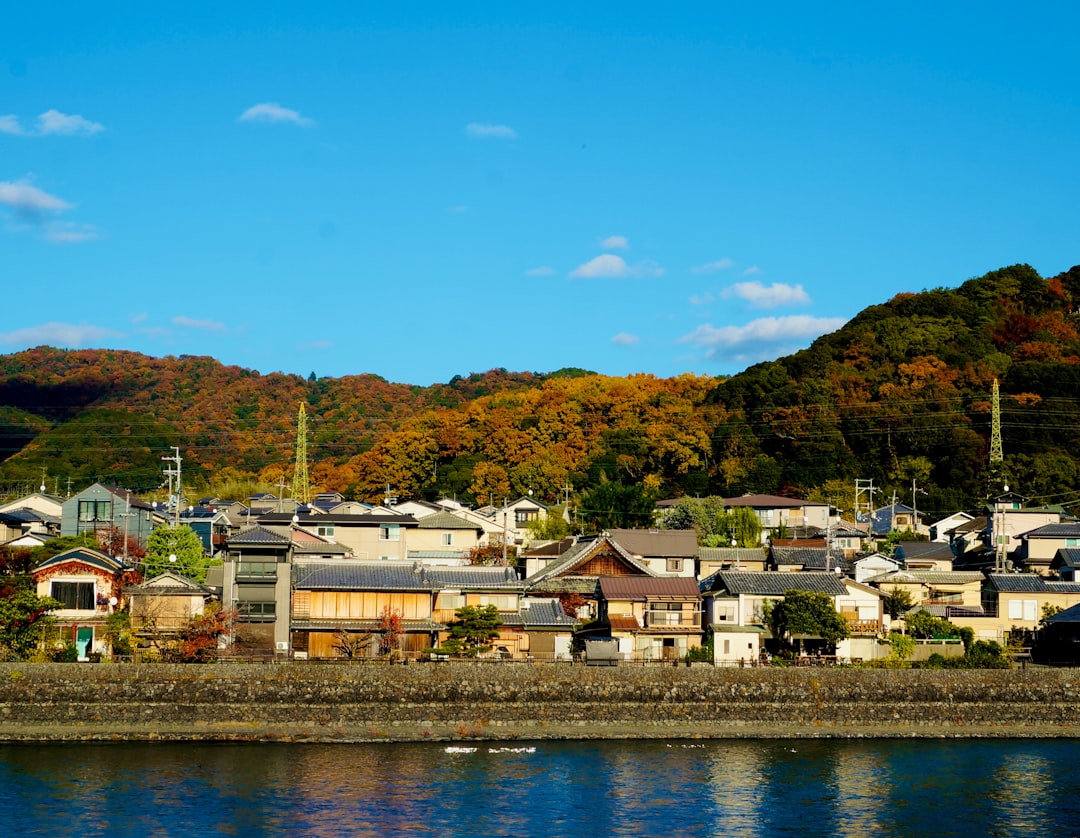
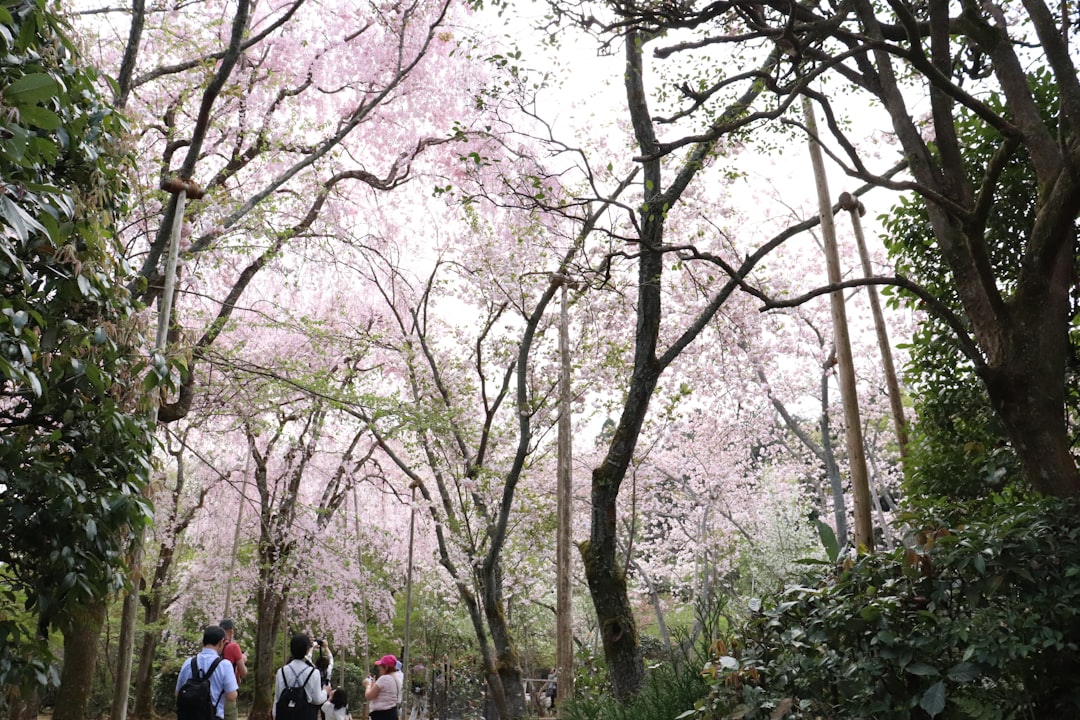
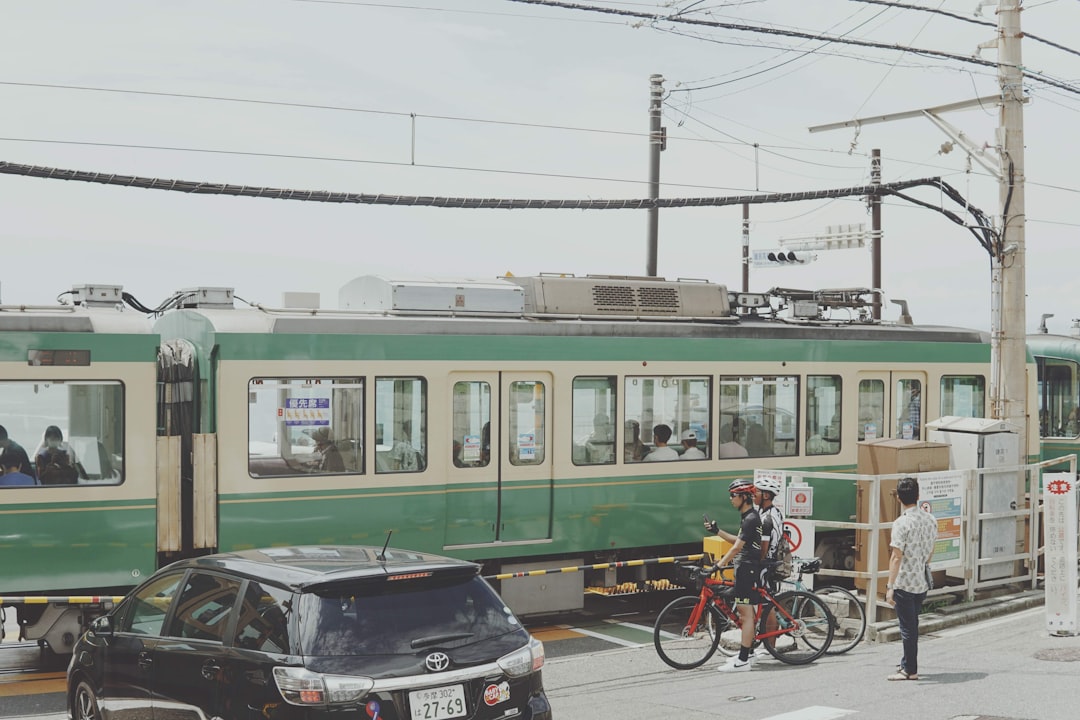
There is something almost magical about pressing your face against a train window in Japan and watching the landscape unfold like a slow, deliberate painting. Mountains rise from misty valleys, rivers curl through ancient gorges, and cherry blossoms or fiery autumn leaves blur past in a cascade of color. Japan’s rail network is legendary for its punctuality and efficiency, but what many first-time visitors don’t realize is that some of the country’s most breathtaking natural scenery is best — and sometimes only — accessible by train.
Whether you are a seasoned Japan traveler or planning your very first trip, climbing aboard one of these scenic rail journeys is an experience that will stay with you long after you return home. Unlike a highway drive or a quick domestic flight, train travel in Japan gives you time to breathe, observe, and truly absorb the natural world passing outside your window. From the dramatic snowscapes of Hokkaido to the subtropical coastlines of Kyushu, the islands of Japan offer an astonishing variety of natural landscapes — and a train line seems to wind through nearly every one of them.
In this guide, we’ll take you through some of Japan’s most awe-inspiring scenic rail journeys, explain what makes each one special, and give you all the practical information you need to plan your own adventure on the rails.
Why Train Travel Is the Best Way to Experience Japan’s Nature
Before we dive into specific routes, it’s worth pausing to ask: why train? Japan has excellent highways, domestic airlines, and even ferry services connecting its major islands. But for natural scenery, the train wins almost every time, for several very good reasons.
First, many of Japan’s most spectacular landscapes are in mountainous or coastal areas where road access is limited or difficult. Japan’s train engineers and planners have been threading rail lines through incredibly challenging terrain since the Meiji era, and the result is a network that penetrates deep into gorges, clings to cliffsides, and tunnels through mountain ranges that no highway could reasonably follow.
Second, trains allow you to be a passive, relaxed observer. You don’t need to keep your eyes on the road. You can sit back, sip a can of hot coffee from the onboard vending machine (a delightful Japanese train tradition), and let the scenery come to you. Many scenic lines have large panoramic windows, observation decks, or even open-air carriages that bring you even closer to nature.
Third, train journeys in Japan often pass through small rural towns and villages that feel worlds away from the neon-lit urban Japan most tourists see first. These glimpses of rural life — a farmer working a terraced rice paddy, a shrine half-hidden in cedar forest, children cycling along a river path — are part of what makes these journeys so deeply memorable.
The Legends: Japan’s Most Famous Scenic Rail Routes
1. The Oigawa Railway (Ōigawa Tetsudō), Shizuoka
Deep in the heart of Shizuoka Prefecture, the Oigawa Railway is a journey back in time as much as a journey through nature. This heritage line follows the Oi River upstream into the mountains, passing through dense forests of cedar and hinoki cypress, alongside emerald-green river waters that are among the clearest you’ll see anywhere in Japan.
What makes the Oigawa Railway truly extraordinary is the steam locomotive section that operates on the lower portion of the line. On most days, the railway runs actual vintage steam locomotives — authentic, puffing, whistle-blowing steam trains of the kind that vanished from mainstream Japanese railways decades ago. Riding behind one of these magnificent machines, with wood-paneled carriages and uniformed staff in period-appropriate dress, creates an atmosphere of wonder that modern trains simply cannot match.
Further up the line, passengers transfer to the Ikawa Line, a narrow-gauge railway that climbs even deeper into the Southern Alps. The highlight here is the Abt Section, a rack-and-pinion railway that hauls the train up steep mountain gradients through a series of dams and reservoirs. The views of Nagashima Dam and the surrounding forested peaks are spectacular. At the line’s upper terminus, Ikawako Station, you are in remote mountain territory far from any crowds — the kind of place that reminds you just how vast and wild Japan’s interior really is.
Best seasons: Spring for fresh green foliage, autumn for spectacular fall colors along the river gorge.
2. The Tadami Line (Tadami-sen), Fukushima and Niigata
If you were to design the ideal scenic railway from scratch, you might end up with something very close to the Tadami Line. This rural branch line winds through one of Japan’s most remote and least-visited mountain regions, connecting Aizu-Wakamatsu in Fukushima Prefecture with Koide in Niigata Prefecture via a long, leisurely arc through the Tadami River valley.
The Tadami Line is famous above all for one particular view: the sight of the old Dai-ichi Tadami River Bridge reflected in the still, misty waters below, with mountains rising steeply on either side and the valley filled with forest. This image — often photographed from a hillside viewpoint near Mishima Station — has appeared in countless photography exhibitions and travel features, and it deserves every bit of that fame. In autumn, when the surrounding forest turns every shade of red, orange, and gold, it becomes one of the most beautiful scenes in all of Japan.
The line itself is a slow, meandering affair, passing through tiny mountain villages, crossing rivers on graceful bridges, and stopping at stations so small and quiet that the only sounds when the train pulls away are birdsong and the rushing of the river. This is not a line for people in a hurry. It is a line for people who want to remember what it feels like to simply exist in a beautiful place.
Practical note: The Tadami Line runs limited services per day, so plan your schedule carefully and check timetables in advance. The line was partially restored after severe flood damage, making the full journey from Aizu-Wakamatsu to Koide available again — a cause for celebration among railway and nature lovers alike.
3. The Sanriku Railway (Sanriku Tetsudō), Iwate
Japan’s Pacific coast in Iwate Prefecture is defined by its rugged, dramatic rias coastline — a series of deep inlets, rocky headlands, and small fishing villages clinging to steep hillsides above a glittering blue sea. The Sanriku Railway follows this coastline with remarkable intimacy, offering views of the Pacific Ocean that are genuinely breathtaking in their scale and drama.
The railway dips in and out of tunnels carved through rocky capes, emerges suddenly onto high viaducts overlooking the sea, and runs right along the shore in places where waves seem close enough to touch. In spring, the coastal cliffs are dotted with wild flowers. In winter, the cold Pacific crashes against the rocks in great white plumes of spray. There is a raw, elemental quality to the Sanriku coast that the railway captures perfectly.
The Sanriku Railway also carries significant emotional weight as a symbol of resilience. Much of this coastline was devastated by the catastrophic tsunami that struck northeastern Japan, and the full restoration of the railway was a deeply meaningful milestone for the communities it serves. Riding this line means supporting those communities and bearing witness to both the power of nature and the remarkable human spirit that rebuilt in its wake.
4. The Iiyama Line (Iiyama-sen), Nagano and Niigata
Running between Nagano City and Tokamachi in Niigata Prefecture, the Iiyama Line is one of Japan’s great unsung scenic railways. It passes through the Shinano River valley and crosses into the snow country (yukiguni) that inspired Nobel Prize-winning novelist Kawabata Yasunari, offering landscapes that shift dramatically with the seasons.
In winter, the Iiyama Line traverses some of Japan’s deepest snowscapes. The mountains of Nagano and Niigata receive extraordinary amounts of snow each year, and traveling through them in a warm train carriage while the world outside is buried under meters of white is a genuinely otherworldly experience. Ryuokyo Gorge, one of the highlights along this route, becomes a frozen wonderland in winter, with icicles cascading down the dark rock walls and snow blanketing every surface.
In other seasons, the gorge is celebrated for its lush green summer vegetation and its fiery autumn colors. The changing face of this landscape through the year is one of its greatest charms.
Kyushu’s Spectacular Scenic Trains
5. The Hisatsu Orange Railway (Hisatsu Orange Tetsudō), Kumamoto and Kagoshima
Down in the warm south of Kyushu, the Hisatsu Orange Railway hugs the eastern shore of the Yatsushiro Sea (part of the Ariake Sea system) before turning south toward Kagoshima. This small third-sector railway offers some of the most spectacular coastal scenery in western Japan, with the blue-green water of the inland sea stretching away to distant islands and the train running so close to the shoreline that you can almost dip your hand into the ocean.
The light in this part of Japan is exceptional — soft, golden, and subtropical — and the combination of warm sea air, verdant hillsides, and sparkling water makes every kilometer of this journey a pleasure. On clear days, you can see the distant profile of Amakusa Islands from the carriage windows, and the sunsets along this coast are unforgettable.
The railway also runs special sightseeing train services called the Kaimonzaki and Orangefood trains, which offer local food and drink pairings alongside the coastal views. There are few more pleasant ways to spend an afternoon in Japan than eating fresh seafood on a train while watching the sun play on the Yatsushiro Sea.
6. The Aso Boy! and Kuma-gawa Railway, Kumamoto
Kumamoto Prefecture is home to Mount Aso, one of the world’s largest caldera volcanoes and one of Japan’s most dramatic natural landscapes. The train lines that traverse this volcanic plateau offer views unlike anything else in the country — vast open grasslands, steaming volcanic vents, and the sheer walls of the ancient caldera stretching away in every direction.
The Aso Boy! is a popular sightseeing train operated by Kyushu Railway that crosses the Aso caldera between Kumamoto and Aso City. Its open observation carriages and panoramic windows are perfectly designed for drinking in the volcanic scenery, and the sight of the great grassy bowl of the caldera under blue skies — with white volcanic steam rising from the active crater in the distance — is genuinely thrilling.
The Kuma-gawa Railway, meanwhile, follows the wild and beautiful Kuma River through deep gorges south of Hitoyoshi. The Kuma River is considered one of Japan’s three great rapid rivers, and the railway line follows its turbulent, rock-strewn course through forested mountains with great intimacy. Spring cherry blossoms along the riverbanks and brilliant autumn foliage reflected in the rushing water make this a particularly beautiful seasonal ride.
Hokkaido: The Wild North
7. The Senmo Main Line (Senmo Honsen), Eastern Hokkaido
Hokkaido is Japan’s great northern frontier — a vast, thinly populated island of wide-open spaces, volcanic lakes, wetlands, and mountains that feel genuinely wild in a way that is rare in modern Japan. The Senmo Main Line crosses this extraordinary landscape between Abashiri on the Sea of Okhotsk coast and Kushiro on the Pacific shore, taking passengers through some of the most remote and wildlife-rich territory in the entire country.
The line passes along the shores of Lake Kussharo, Lake Mashu (one of the world’s clearest lakes), and the Kushiro Wetlands — Japan’s largest remaining wetland and home to the magnificent red-crowned crane (tancho), Japan’s beloved national bird. In winter, the Senmo Line runs the famous Ryuhyo Norokko train (drift ice train), which takes passengers along the frozen shore of the Sea of Okhotsk to view the extraordinary phenomenon of drift ice — vast sheets of sea ice that flow down from the north each winter, turning the normally blue sea into a grinding, groaning landscape of white.
In summer, the wetlands turn a thousand shades of green, and the volcanic peaks of eastern Hokkaido rise in the distance like sleeping giants. The entire journey from Abashiri to Kushiro takes about three and a half hours, and almost every minute of it offers something worth looking at.
Wildlife tip: Keep your eyes on the wetland areas around Kushiro for sightings of tancho (red-crowned cranes), Ezo deer, and red foxes. The Senmo Line is one of the few places in Japan where wildlife encounters from a train window are a genuine possibility.
8. The Furano-Biei Norokko Train, Hokkaido
Running seasonally between Asahikawa and Furano through the rolling hills of central Hokkaido, the Furano-Biei Norokko Train is arguably the most photographed train journey in Japan. The reason is simple: Biei and Furano are home to some of the most intensely colorful agricultural landscapes in Asia, with vast fields of lavender, sunflowers, poppies, and other flowers carpeting the rolling hills in stripes of purple, yellow, red, and white during summer.
The Norokko (slow) trains are open-air or semi-open carriages that allow passengers to lean out and feel the cool Hokkaido air as the train passes through these floral landscapes. Special request stops allow passengers to alight at flower farms not served by regular stations. Shirogane Onsen, the dramatic Tokachi Mountain range, and the gentle agricultural scenery of the Furano basin all feature on this memorable journey.
Even outside the flower season, the Biei area is strikingly beautiful — a patchwork of farm fields, shelterbelts of mixed forest, and gentle hills that looks nothing like the rest of Japan. In winter, the same landscape under snow is hauntingly beautiful in an entirely different way.
The Alps and Mountain Routes of Central Japan
9. The Ōito Line (Ōito-sen), Nagano
The Ōito Line runs between Matsumoto — home of the famous Black Crow Castle — and Itoigawa on the Japan Sea coast, crossing the Northern Alps in a journey that showcases some of the most dramatic mountain scenery in the Japanese archipelago. The section between Matsumoto and Hakuba is particularly spectacular, with the jagged peaks of the Hida Mountains (Northern Japanese Alps) rising to enormous heights on the western side of the valley.
Hakuba is famous as a ski and outdoor resort, and the views of the Hakuba Mountain Range from the train as you approach the village are genuinely jaw-dropping — a wall of rock and snow that towers above the valley floor with theatrical grandeur. North of Hakuba, the line descends toward the sea through increasingly dramatic gorge scenery, with the Himekawa River providing a constant companion as the mountains give way to coastal plains.
10. The Chuo Main Line Limited Express (Chūō Honsen), Tokyo to Nagoya
While the Shinkansen whisks passengers between Tokyo and Nagoya in about 90 minutes through tunnels and along flat coastal routes, the old Chuo Main Line takes the mountain road through central Japan, and the difference in scenery is enormous. The Limited Express trains on this line — the Azusa and Kaiji services — wind through the Kanto Mountains west of Tokyo, pass through the Suwa Basin with its great highland lake, cross high mountain passes, and descend into the Ina Valley with the Southern Alps on one side and the Central Alps on the other.
The Suwa Basin section is particularly beautiful. Lake Suwa, the largest lake in Nagano Prefecture, appears suddenly as the train crests a ridge, its surface shimmering in the mountain light. In winter, the lake sometimes freezes solid, and the ice cracks and heaves in a natural phenomenon called omiwatari (the god’s crossing), which has been observed and recorded by the nearby Suwa Grand Shrine for centuries.
The full journey from Shinjuku in Tokyo to Nagoya on the Chuo Main Line takes roughly four to five hours — considerably slower than the Shinkansen — but the scenery makes every extra minute worthwhile.
Shikoku and Western Japan’s Hidden Rail Gems
11. The Yodo River and Shimanto River Lines, Kochi
Kochi Prefecture on Shikoku island is one of Japan’s least-visited regions, and that is a genuine shame, because it contains some of the country’s most pristine natural landscapes. The Shimanto River — often called Japan’s last clear river — flows through dense forest and past small river villages in a landscape that seems almost untouched by modern development.
The Tosa Kuroshio Railway’s Asa Line and the JR Dosan Line together offer access to this remarkable river country. The train follows the Niyodo and Shimanto rivers through forested gorges, past traditional low-water bridges (called chinkabashi) that flood deliberately rather than being destroyed in high water, and through landscapes where the air itself seems cleaner and the colors more vivid than anywhere else in Japan.
The slow, rural pace of Kochi’s trains — many run just a few times per day — suits the landscape perfectly. This is not a place that rewards rushing.
12. The Geibi Line (Geibi-sen), Hiroshima and Okayama
Connecting Hiroshima with Niimi in Okayama Prefecture, the Geibi Line passes through the Taishaku Gorge — a stunning landscape of vertical limestone cliffs, clear rivers, and deep pools that is sometimes compared to a miniature version of Zhangjiajie in China. The gorge is particularly beautiful in autumn, when the surrounding maple and beech forests turn blazing shades of red and orange above the pale limestone walls.
The train moves slowly through this gorge, crossing and recrossing the river on small bridges, giving passengers ample opportunity to appreciate the extraordinary geology. The Geibi Line is little-known even among Japanese domestic tourists, which means you are unlikely to fight for window seats or deal with crowds.
Practical Planning Guide: What You Need to Know
The Japan Rail Pass: Your Best Friend for Scenic Rail Travel
The Japan Rail Pass (JR Pass) is an absolute must-have for visitors planning to explore multiple scenic railways. Available in 7-day, 14-day, and 21-day versions, the pass provides unlimited travel on most JR trains throughout Japan, including many of the routes mentioned in this guide. The pass must be purchased outside Japan before your trip, so plan ahead.
Not all scenic railways are operated by JR. Some — like the Oigawa Railway, Hisatsu Orange Railway, and Sanriku Railway — are operated by private or third-sector companies and require separate tickets. These are usually not expensive, but factor them into your budget.
Seasonal Considerations
Japan’s natural scenery changes dramatically with the seasons, and the best time to ride any particular scenic line depends on what you want to see. Here is a general guide to help you plan:
| Season | Natural Highlight | Recommended Routes |
|---|---|---|
| Spring (March-May) | Cherry blossoms, fresh green foliage | Oigawa Railway, Kuma-gawa Railway, Tadami Line |
| Summer (June-August) | Flower fields, lush greenery, rivers at full flow | Furano-Biei Norokko, Senmo Main Line, Geibi Line |
| Autumn (September-November) | Spectacular fall foliage (koyo) | Tadami Line, Iiyama Line, Chuo Main Line, Oigawa Railway |
| Winter (December-February) | Snow landscapes, drift ice, frozen lakes | Senmo Main Line (drift ice), Iiyama Line, Ōito Line |
Reserving Seats on Scenic Trains
Many of Japan’s sightseeing and scenic trains require seat reservations in addition to a basic ticket or rail pass. This is especially true for popular services like the Aso Boy!, the Furano-Biei Norokko, and the various Kyushu scenic trains. Reservations can be made at JR ticket offices (midori-no-madoguchi) at major stations, and some services can also be booked through the JR Kyushu or JR Hokkaido websites.
For very popular routes during peak foliage or cherry blossom season, book as far in advance as possible — seats fill up quickly, particularly on weekends and public holidays.
Window Seat Strategy
On scenic trains, not all window seats are equal. Here are some tips for securing the best views:
- Research the route direction before booking — decide which side of the train offers the primary scenery, and choose your seat accordingly.
- On many scenic routes, the scenic side alternates, so both sides offer good views at different points. When in doubt, choose a seat near a window rather than an aisle, and feel free to cross the carriage briefly to see views on the other side.
- Arrive at the station early to board first and secure your preferred window seat, particularly on unreserved carriages.
- Many sightseeing trains have observation areas or open platforms at the ends of carriages — these are excellent for photography and unobstructed views.
Train Etiquette and Travel Tips for Scenic Rail Journeys
Traveling on Japanese trains — even remote rural ones — comes with some cultural expectations worth knowing about. Observing these norms will make your journey more pleasant for everyone around you.
- Keep noise to a minimum. Japanese train culture values quiet, particularly in non-designated areas. Phone calls should be taken off the train at stations, and conversations should be conducted in low voices.
- Eating on trains is generally acceptable on long-distance and sightseeing services, but check the norms on short urban commuter trains. Ekiben (station boxed meals) are a beloved Japanese travel tradition — pick one up at a major station before boarding.
- Photography is welcome in most cases, but be mindful of other passengers. Don’t lean across people for shots, and avoid using flash photography in tunnels or low-light areas.
- Rubbish bins are rare on trains and at rural stations. Carry a small plastic bag for your rubbish and dispose of it at a larger station or convenience store.
- IC cards (Suica, Pasmo, ICOCA) work on many rural railways as well as urban ones. Load one up with sufficient credit before heading into rural areas where English-language ticket machines may be unavailable.
Scenic Train Quick-Reference Guide
| Train / Line | Region | Key Scenery | JR Pass Valid? |
|---|---|---|---|
| Oigawa Railway | Shizuoka | River gorge, steam locomotive, mountains | No (private) |
| Tadami Line | Fukushima / Niigata | River valley, bridges, autumn foliage | Yes (JR) |
| Sanriku Railway | Iwate | Pacific coastline, rias coast | No (private) |
| Iiyama Line | Nagano / Niigata | Snow country, river gorge | Yes (JR) |
| Hisatsu Orange Railway | Kumamoto / Kagoshima | Yatsushiro Sea coast | No (third sector) |
| Senmo Main Line | Eastern Hokkaido | Volcanic lakes, wetlands, drift ice | Yes (JR) |
| Furano-Biei Norokko | Central Hokkaido | Flower fields, agricultural landscapes | Yes (JR, surcharge) |
| Ōito Line | Nagano | Northern Alps, Hakuba peaks | Yes (JR) |
| Chuo Main Line | Tokyo to Nagoya | Kanto Mountains, Lake Suwa, Alps | Yes (JR) |
| Geibi Line | Hiroshima / Okayama | Taishaku limestone gorge | Yes (JR) |
Beyond the Train: Combining Scenic Rail with Other Nature Experiences
The great thing about Japan’s scenic train routes is that many of them deposit you directly into nature, or within easy reach of outstanding outdoor experiences. Here are some ideas for combining your train journey with activities that take you even deeper into the natural world.
Hiking from the Train
Many of Japan’s scenic rail lines have stations that serve as trailheads for excellent hiking routes. The Chuo Main Line gives access to hiking in the Southern Alps, while stations along the Ōito Line are gateways to serious Alpine routes in the Hakuba area. The Senmo Main Line stops at trailheads for exploring the Kushiro Wetlands on foot or by canoe. Always check trail conditions, carry adequate gear, and register your hiking plans with local authorities before heading into the mountains.
Onsen After the Journey
Japan’s volcanic landscape means that hot spring (onsen) towns are often located precisely in the same dramatic mountain and gorge areas served by scenic railways. After a long day of scenic train travel, there are few greater pleasures than soaking in a rotenburo (outdoor hot spring bath) while looking out at forest, mountains, or river scenery. Towns like Gero in Gifu (accessible via the Hida Limited Express from Nagoya), Shiobara in Tochigi, and Yunokami Onsen on the Aizu Railway are all excellent examples of scenic rail lines that deliver you to exceptional hot spring towns.
Birdwatching from the Train
Japan is a world-class birdwatching destination, and several scenic train routes pass through prime bird habitat. The Senmo Main Line through the Kushiro Wetlands is outstanding for red-crowned cranes, white-tailed eagles, and numerous waterfowl. The Tadami Line valley hosts many forest birds. The coastal sections of the Sanriku Railway offer views of seabirds wheeling above the Pacific cliffs. Bring binoculars and a field guide, and take up a position by the window early.
A Note on Japan’s Rural Railways and Why We Should Support Them
Many of the scenic lines described in this guide face financial challenges. Japan’s rural population has declined significantly over the past few decades, and some of the most beautiful and remote train lines carry relatively few passengers. Several lines have been under discussion for potential closure, and some branch lines have already been discontinued.
When you choose to travel these rural scenic lines — rather than taking the faster, more direct Shinkansen alternative — you are casting a vote for their survival. You are contributing fare revenue to railways that depend on visitor interest to supplement declining local ridership. You are also putting money into the rural communities that these lines serve: the small guesthouses near the stations, the roadside vegetable stalls, the local restaurants serving regional cuisine.
This is not a reason to feel burdened with obligation when you ride a scenic train in Japan. It is simply a lovely reminder that choosing the slower, more beautiful way of getting somewhere can be a genuinely generous act as well as a selfish pleasure.
Final Thoughts: Slow Down and Look Out the Window
Japan moves fast. The Shinkansen is a marvel of modern engineering, and the efficiency of Japanese rail travel in general is something that visitors from almost every other country find genuinely astonishing. But there is another Japan — quieter, wilder, and in many ways more profound — that reveals itself only when you are willing to slow down and take the long way around.
The scenic train lines of Japan are not just transportation. They are windows into the natural soul of a country that is often defined by its cities and technology, but that has at its heart a deeply intimate relationship with mountains, rivers, forests, and seas. The Japanese concept of satoyama — the landscape between mountain and human settlement, neither fully wild nor fully cultivated — is visible from the windows of almost every scenic train line in this guide. It is a landscape of extraordinary beauty and extraordinary fragility, and seeing it from a train window, cradled between a warm carriage and the wild world outside, is one of the finest things Japan has to offer any traveler willing to seek it out.
So next time you are planning a Japan itinerary, resist the urge to fill every moment with bullet trains and efficient connections. Give yourself a day — or better yet, several days — to ride slowly through the landscape. Pack an ekiben, settle into your window seat, and let Japan show you what it looks like when it thinks nobody is in a hurry.
You won’t regret a single minute of it.