- Why Japanese Convenience Stores Are a Food Lover's Paradise
- The Big Three: Japan's Dominant Convenience Store Chains
- A Tour of the Konbini Food Counter
- Onigiri: The Ultimate Konbini Food
- Ready-Made Meals: Better Than You Expect
- Konbini Sweets: A Dessert Culture Worth Exploring
- Drinks, Sandwiches, and Other Must-Try Items
- Practical Tips for Shopping at a Konbini
- Konbini Food and Japanese Daily Life
- Final Thoughts: Embrace the Konbini Experience
Why Japanese Convenience Stores Are a Food Lover’s Paradise
Walk into any convenience store in Japan — known locally as a konbini — and you will quickly realize this is nothing like the gas station shops back home. The onigiri are fresh, the hot food counter smells incredible, and the dessert section alone could keep you busy for an hour. Japanese convenience stores have transformed the concept of quick, affordable eating into something close to an art form.
Whether you are a budget traveler, a busy commuter, or simply someone curious about everyday Japanese life, understanding konbini food culture will completely change how you experience Japan. This guide walks you through everything you need to know — from what to eat and when, to how to order hot food without speaking Japanese.
The Big Three: Japan’s Dominant Convenience Store Chains
You will see konbini on practically every corner in Japanese cities, and even in rural towns they are a reliable lifeline. While there are several chains operating across the country, three giants dominate the landscape. Each has its own loyal fans and slightly different food specialties.
| Chain | Known For | Fan Favorite Item |
|---|---|---|
| 7-Eleven (Seven-Eleven) | Consistently high quality across all categories | 7-Eleven brand onigiri and soft-serve ice cream |
| FamilyMart | Fried chicken (FamiChiki) and desserts | FamiChiki fried chicken pieces |
| Lawson | Sweets, pastries, and premium product lines | Uchi Café desserts and cream puffs |
All three chains operate 24 hours a day, seven days a week, making them an incredibly convenient option no matter what time hunger strikes. Regional chains like Ministop and Daily Yamazaki are also worth exploring if you spot them during your travels.
A Tour of the Konbini Food Counter
The warm, savory smell that greets you near the entrance of most konbini comes from the hot food station. This counter is stocked with freshly heated items throughout the day and is one of the most exciting — and sometimes confusing — parts of the experience for first-time visitors.
Hot Food Staples You Should Try
- Nikuman (pork buns): Fluffy steamed buns filled with seasoned ground pork. Perfect for cold days.
- Fried chicken: Each chain has its own version. FamilyMart’s FamiChiki is arguably the most famous konbini food in Japan.
- Corn dogs and fish cakes: Skewered and sitting in a heated display, these make for a quick savory snack.
- Karaage chicken: Bite-sized Japanese fried chicken, often sold in small bags at the counter.
- Croquettes: Breaded and fried potato or cream-filled croquettes are a nostalgic Japanese comfort food.
To order hot food, simply point at the item you want and hold up the number of fingers corresponding to the quantity. Staff are used to helping foreign visitors and will usually smile and nod along patiently.
Onigiri: The Ultimate Konbini Food
If there is one food that defines konbini culture more than any other, it is the onigiri — a triangular or oval-shaped rice ball wrapped in crispy nori seaweed. These humble snacks are filling, affordable, and come in a dazzling variety of flavors.
Opening an onigiri correctly is its own small skill. The packaging uses a numbered pull-tab system designed to keep the nori crispy until the moment you eat it. Look for the numbers 1, 2, and 3 on the wrapper and follow them in order. Once you master this, you will feel like a true konbini regular.
Popular Onigiri Fillings to Know
- Shake (salmon): Lightly salted grilled salmon — the most popular filling in Japan.
- Tuna mayo: Creamy tuna with Japanese mayonnaise. Rich and satisfying.
- Umeboshi (pickled plum): Sour and salty, a very traditional Japanese flavor.
- Kombu (kelp): Savory and slightly sweet simmered seaweed.
- Tarako (cod roe): Slightly briny and delicate. A real treat for seafood lovers.
- Chicken teriyaki: A crowd-pleasing option great for visitors trying konbini food for the first time.
Prices for onigiri typically range from around 120 to 200 yen depending on the filling and chain. At that price, buying two or three different flavors to compare them is an affordable and delicious experiment.
Ready-Made Meals: Better Than You Expect
Beyond snacks, konbini stores stock a wide range of chilled and shelf-stable ready meals that can be heated in the microwave available in-store. The staff will even heat your meal for you if you ask — simply bring your item to the register and say atatamete kudasai (温めてください), which means “please warm this up.”
These meals are surprisingly well made. Quality control in Japanese convenience stores is taken seriously, and freshness standards are high. Items are restocked multiple times a day, and anything approaching its expiration time is removed from shelves promptly.
| Meal Type | Description | Best For |
|---|---|---|
| Bento boxes | Compartmentalized meals with rice, protein, and sides | A full, balanced lunch or dinner |
| Ramen and noodle cups | Instant noodles with surprisingly complex broths | Late-night hunger or budget meals |
| Pasta dishes | Western-style pasta adapted for Japanese tastes | Visitors craving something familiar |
| Chilled soba and udon | Pre-packaged noodle dishes with dipping sauce | A light, refreshing quick meal |
| Curry pouches | Rich Japanese-style curry over rice | Hearty eating on a cold day |
Konbini Sweets: A Dessert Culture Worth Exploring
Japanese convenience store desserts have a devoted following — and for good reason. The quality of konbini sweets regularly rivals what you would find at a dedicated bakery or patisserie. Chain stores invest heavily in dessert development, and seasonal limited-edition treats are a major draw for local customers and tourists alike.
Desserts You Absolutely Should Try
- Purin (custard pudding): Silky smooth caramel custard cups. Simple but deeply satisfying.
- Roll cakes: Soft sponge rolled with whipped cream, often flavored with matcha or strawberry.
- Cream puffs (shu cream): Lawson’s version is legendary among konbini dessert enthusiasts.
- Mochi ice cream: Chewy rice cake wrapped around ice cream — refreshing and fun to eat.
- Mont Blanc: A Western-influenced chestnut cream cake reinvented in Japanese style.
- Soft-serve ice cream: Many 7-Eleven locations sell soft-serve cones at the register for under 200 yen.
Seasonal flavors are one of the most exciting parts of konbini dessert culture. Cherry blossom, sweet potato, yuzu, and hojicha are just a few of the flavors you might encounter depending on the time of year you visit.
Drinks, Sandwiches, and Other Must-Try Items
The konbini drink selection is vast. Beyond standard sodas and water, you will find a full wall of coffee drinks, teas, sports drinks, and Japanese favorites like canned matcha latte and milk tea. Most stores also have a self-service coffee machine near the register where you can order a fresh drip coffee or latte for under 200 yen — genuinely good coffee at an unbeatable price.
Sandwiches in konbini stores are another underrated gem. Japanese convenience store sandwiches use exceptionally soft milk bread (shokupan) and tend to have generous fillings. The egg salad sandwich is a beloved classic, and the katsu sando — a crispy pork cutlet sandwich — is worth seeking out whenever you spot it.
Practical Tips for Shopping at a Konbini
Walking into a konbini for the first time can feel overwhelming with so many options and Japanese-only labels on most products. Here are some practical strategies to help you make the most of the experience:
- Use the pictures: Even if you cannot read Japanese, packaging almost always shows a photo or image of what is inside. Trust your eyes.
- Check the color coding: Many chains use color-coded packaging to indicate flavor categories. Red often signals spicy, pink usually means sakura or strawberry.
- Ask for heating: Remember the phrase atatamete kudasai to get your meal warmed up at the register.
- Bring your own bag: Japan charges a small fee for plastic bags at the register. A reusable bag saves money and waste.
- Use the eat-in area: Many konbini have a small standing counter or seating area where you can eat on-site. Look for it near the back or side of the store.
- Pay with IC card: Transport cards like Suica and Pasmo work as contactless payment at almost all konbini, making checkout fast and easy.
- Go late at night: If you are a night owl, some of the best markdowns happen in the late evening hours as stores reduce prices on items approaching their shelf limit.
Konbini Food and Japanese Daily Life
To truly appreciate konbini food culture, it helps to understand the role these stores play in Japanese society. For many people living in Japan — especially in cities — the konbini is not a backup option. It is a central part of daily life. Salarymen grab their breakfast onigiri on the way to the train. Students eat bento lunches between classes. Elderly residents pick up small hot meals. Travelers charge their phones and restock supplies.
The sheer reliability and quality consistency of Japanese konbini food is the result of decades of refinement and fierce competition between chains. What might look like an ordinary wrapped sandwich or a simple cup of noodles often represents years of recipe development and careful supplier relationships.
Experiencing this food culture firsthand — even for just a few days — gives you an authentic window into the rhythms of everyday Japanese life that many tourist itineraries miss entirely. Some of the most memorable meals in Japan cost less than 500 yen and are eaten standing at a konbini counter at midnight.
Final Thoughts: Embrace the Konbini Experience
Japanese convenience store food culture is one of the most accessible and rewarding aspects of traveling in Japan. You do not need restaurant reservations, a big budget, or advanced Japanese skills to enjoy it. All you need is curiosity and a willingness to point at things that look delicious.
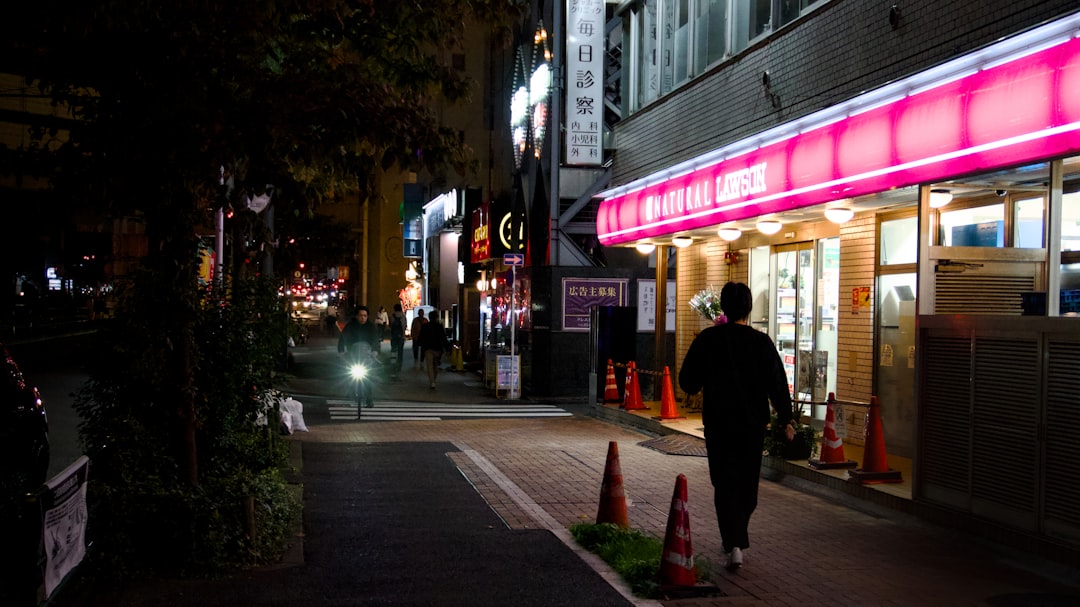
Make a habit of stopping into different konbini chains throughout your trip and comparing what they offer. Try an onigiri flavor you cannot identify. Pick up a dessert that looks interesting. Order a coffee at the machine. You may find that some of your fondest food memories from Japan come not from a Michelin-starred restaurant, but from a brightly lit store on a quiet side street at any hour of the day or night.
Photo by Bhanu Singh on Unsplash