Planning a trip to Japan can feel overwhelming when you’re juggling costs for transportation, accommodation, and staying in touch with people back home. Between figuring out which SIM card to buy, navigating the train system, and finding affordable accommodations, there’s a lot to coordinate. The good news is that with some smart choices, you can significantly reduce your expenses while still having a comfortable and connected experience.
Finding the Right Mobile Solution for Your Trip
One of the first things travelers need to sort out is how they’ll stay connected. Japan has excellent mobile networks, but getting set up requires understanding your options. Two popular choices for visitors are prepaid travel SIM cards that let you use local networks without expensive roaming fees.
Sakura Mobile offers a travel-focused SIM option that’s worth examining. These cards are designed specifically for tourists and can be picked up at airports or ordered online before your trip. The value depends on how much data you’ll actually use and which areas you’ll be visiting.
Another option gaining traction is IIJmio, which competes on pricing and flexibility. Comparing these options helps you understand what different providers offer at various price points. The decision often comes down to your specific needs—whether you prioritize data speed, coverage in rural areas, or the cheapest daily rate.

Booking Accommodations That Fit Your Budget
After sorting mobile connectivity, the next major expense is where you’ll stay. Accommodation typically takes up a significant chunk of any travel budget, especially in popular cities like Tokyo and Kyoto. Online booking platforms have made it easier to compare options, but knowing whether they’re actually delivering good value takes some research.
One widely-used platform for Japan bookings deserves scrutiny about whether it’s truly worth using. Looking into what this platform offers compared to alternatives helps you make an informed choice about where to spend your accommodation budget.

Cutting Costs Without Sacrificing Experience
Beyond the major expenses of connectivity and lodging, daily spending adds up quickly. Japan doesn’t have to be prohibitively expensive if you know where to focus your money. Smart travelers identify which experiences are worth splurging on and where they can trim costs without missing out.
Budget travel in Japan involves practical decisions about food, attractions, and day-to-day transport within cities. Some travelers stay in cheaper neighborhoods and use saved money for memorable meals or museum visits. Others prioritize experiences over comfort but still maintain reasonable standards of cleanliness and safety.
Mastering Train Travel for Cost-Effective Movement
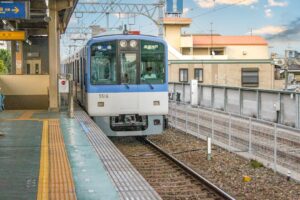
Getting between cities and around urban areas represents another significant expense. Japan’s train system is famous for being efficient, clean, and extensive—but it can also seem confusing to newcomers trying to figure out the best way to buy tickets and plan routes.
Understanding how to navigate this system like an experienced traveler can save you money and stress. Whether you’re deciding between rail passes for longer trips or paying per journey for shorter distances, knowing the mechanics of the system helps you choose the most economical option for your specific itinerary.
Putting It All Together for Smarter Travel
The path to affordable Japan travel isn’t about making do with terrible options—it’s about being intentional with your spending. Each decision about connectivity, accommodation, daily expenses, and transportation connects to your overall budget.
Starting with the right mobile SIM saves you from expensive data charges that can add up to hundreds of dollars over a two-week trip. Choosing accommodation thoughtfully means not overpaying for features you won’t use while ensuring you’re in a safe, functional space. Making smart daily decisions about where you eat and what you do extends your budget further. And understanding train options means you get where you’re going efficiently without overspending on transport.
Japan is actually quite traveler-friendly for those willing to invest a small amount of time in planning. The information is available, the systems work well, and the rewards of visiting are immense. By addressing the practical challenges that intimidate many travelers—staying connected, finding decent accommodation, managing daily costs, and getting around—you’re left free to actually enjoy your trip rather than stressing about finances the whole time.
Your Japan trip doesn’t need to drain your savings account. It requires knowing what questions to ask about each major expense, understanding the options available, and making choices aligned with your actual priorities rather than defaulting to the most convenient or well-advertised options.
Photo by Austin Distel on Unsplash