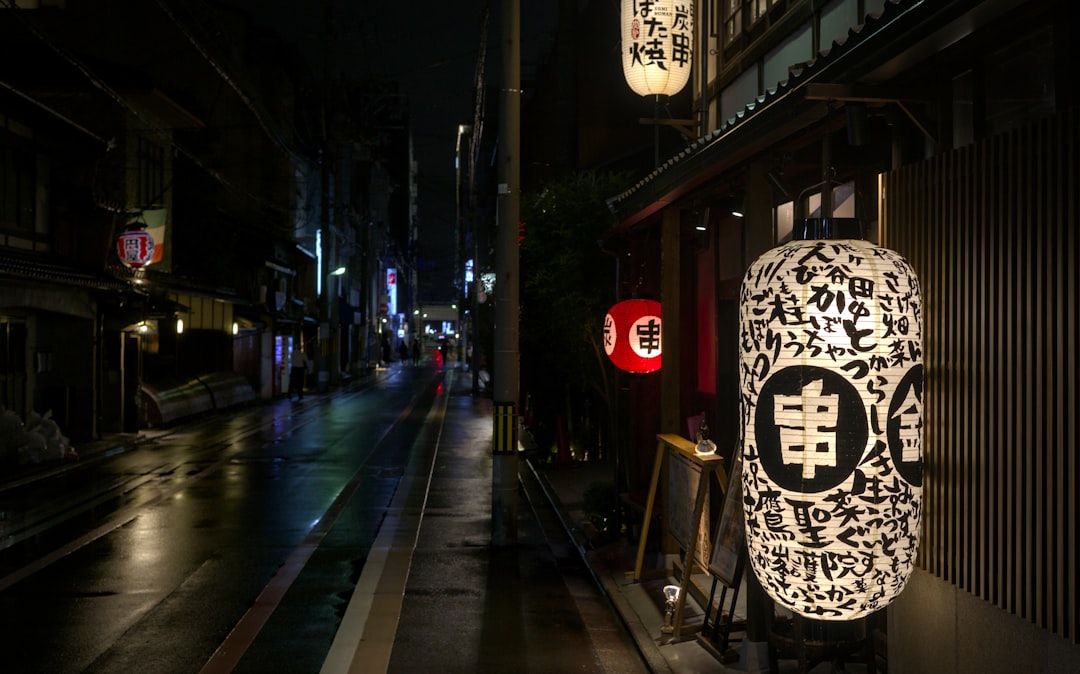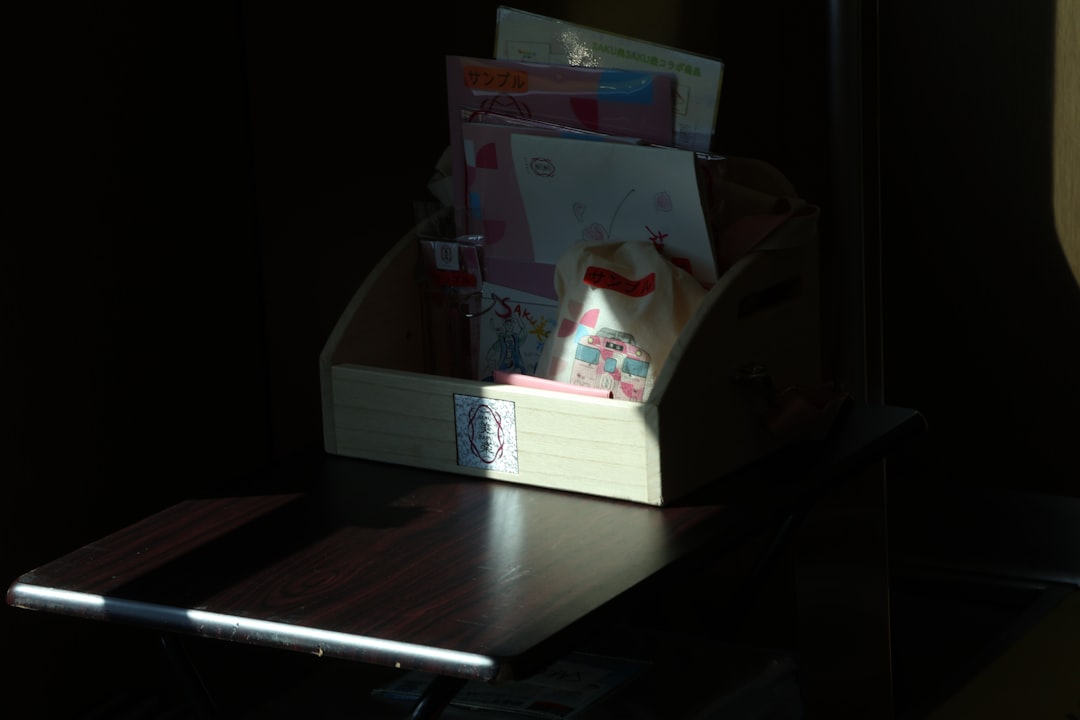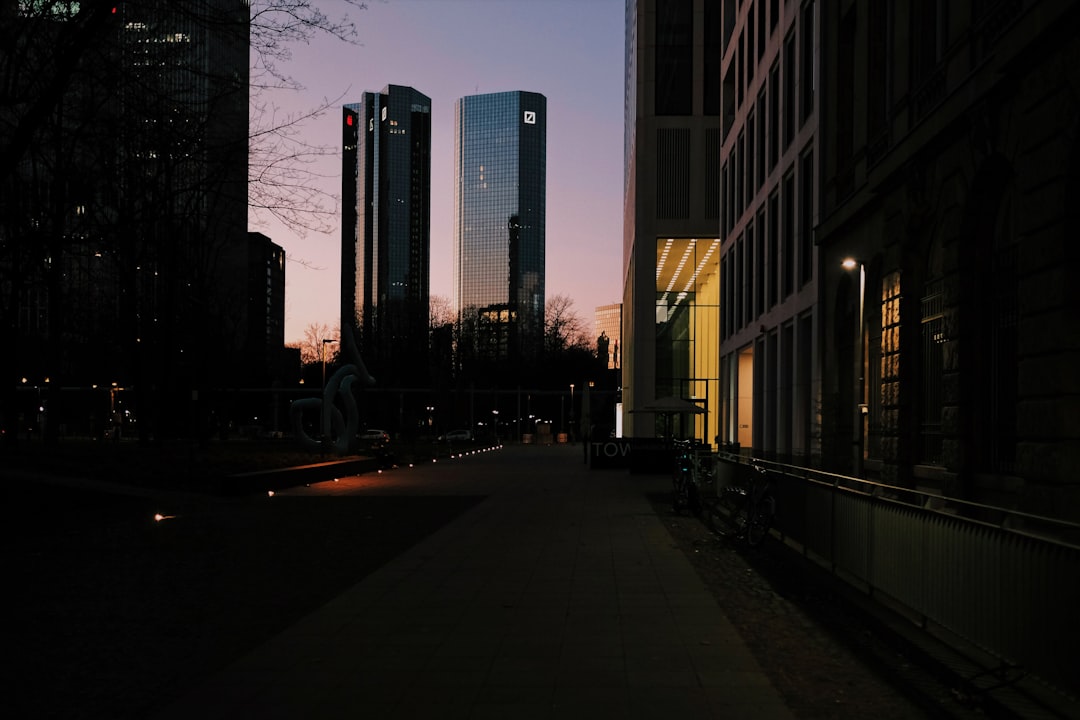
Traveling to Japan presents unique accommodation challenges. You’re navigating unfamiliar neighborhoods, deciphering different booking platforms, and trying to avoid tourist traps while staying within budget. The accommodation landscape in Japan has transformed significantly, offering both opportunities and complications for visitors planning their stays.
Understanding Your Stay Options in Japan
Japan offers a diverse range of accommodation types beyond traditional hotels. Each option comes with distinct advantages and considerations. Ryokans provide authentic cultural experiences with traditional tatami rooms and shared bathing facilities. Business hotels cater to budget-conscious travelers seeking no-frills, functional spaces. Capsule hotels maximize space efficiency in urban areas. Guesthouses and hostels foster community atmosphere for solo travelers and backpackers. Alternative accommodation platforms have introduced apartment rentals and homestays, fundamentally changing how visitors can experience Japanese cities.
The shift toward private rental accommodations has given travelers more flexibility in choosing neighborhoods and amenities. You can now select stays based on proximity to specific attractions, local food scenes, or quieter residential areas away from tourist crowds. This democratization of accommodation options means your budget can stretch further if you’re strategic about your choices.
Navigating Platform Rules and Restrictions
Japan’s regulatory environment significantly impacts where you can book accommodations. Private rental platforms operate under specific legal frameworks that changed how properties can be listed and rented. Understanding these regulations prevents disappointing cancellations or booking conflicts.
Properties operating legally must comply with building standards, safety requirements, and local zoning regulations. Hosts need proper licenses and registration. These requirements exist to protect travelers from substandard or unsafe accommodations. When booking, verify that your chosen property displays compliance information. Legitimate listings clearly indicate whether they’re professionally managed or individually operated.
Some neighborhoods have stricter limitations than others. Residential areas may restrict short-term rentals more heavily than commercial districts. Tokyo, Osaka, and Kyoto enforce different rules than smaller cities. These restrictions sometimes mean fewer options in traditionally residential neighborhoods, but they also preserve community character and prevent over-touristification of local areas.
[BLOGCARD_1]Choosing the Right Neighborhood for Your Needs
Location dramatically affects your Japan experience. Tourist-heavy areas offer convenience but higher prices and crowded experiences. Residential neighborhoods provide authentic local flavor and potentially better value, though you might need longer commutes to major attractions.
Tokyo’s layout spreads across numerous distinct areas. Shibuya and Shinjuku cater to visitors seeking nightlife and entertainment. Asakusa combines tourism infrastructure with historical atmosphere. Harajuku attracts fashion-conscious travelers. For those preferring quieter experiences, areas like Shimokitazawa offer neighborhood charm with independent shops and local eateries. Similar geographic divisions exist in Osaka and Kyoto, each with distinct character and visitor demographics.
Consider your daily routines when selecting neighborhoods. If you plan spending time at specific temples, museums, or entertainment districts, proximity matters. Japan’s public transportation excels at connecting distant neighborhoods, but staying closer reduces transit costs and fatigue. Balancing walkability, transit access, and amenity availability helps you maximize both comfort and budget.
[BLOGCARD_2]Evaluating Accommodation Quality and Value
Price doesn’t always correlate with quality in Japanese accommodations. Expensive hotel rooms sometimes offer less space than budget alternatives. Reviews become your most reliable evaluation tool, but interpreting them requires understanding cultural differences in feedback patterns.
Read recent reviews carefully, focusing on details rather than star ratings. Comments about cleanliness, noise levels, and host responsiveness matter more than generic praise. Photos in listings often appear more polished than real conditions. Request clarification from hosts about ambiguous features, especially regarding bathroom facilities, heating systems, or space dimensions.
Consider what amenities genuinely matter for your stay. Air conditioning and reliable WiFi are non-negotiable in most situations. Kitchen access becomes valuable for longer stays or dietary requirements. Laundry facilities prevent overpacking. Some travelers prioritize common spaces for social interaction, while others value privacy and isolation. Matching amenities to your actual needs prevents overpaying for unnecessary features.
[BLOGCARD_3]Timing Your Booking for Better Rates
Accommodation prices fluctuate dramatically based on seasons and local events. Cherry blossom season (late March to early April) represents peak pricing. New Year’s holidays and summer months drive up rates. Conversely, winter months between December and February offer significantly lower prices in most regions, except around ski resort areas.
Booking timing involves balancing availability with price considerations. Popular accommodations fill quickly during peak seasons, sometimes months in advance. Waiting for last-minute deals risks limited inventory. Traveling during shoulder seasons (May-June and September-October) offers better availability and more moderate pricing than peak periods.
Local festivals and events impact availability in specific areas. Osaka’s festivals or Kyoto’s seasonal attractions temporarily increase local accommodation prices. Checking event calendars helps you avoid unintentional timing conflicts. Some travelers deliberately book around major events to enjoy cheaper rates and fewer crowds, while others specifically time visits for cultural experiences.
[BLOGCARD_4]Managing Booking and Communication with Hosts
Successful accommodation experiences depend on clear communication before arrival. Clarify check-in procedures, especially if arriving outside standard hours. Confirm whether the space requires cash payments, deposit details, or specific cancellation policies. Understanding expectations prevents misunderstandings and conflicts.
Language barriers sometimes complicate host communication, though translation tools help bridge gaps. Professional hosts often provide detailed guides and instructions. Ask about neighborhood resources like convenience stores, laundromats, and transportation links. Request advice on local restaurants and attractions from hosts familiar with their areas.
Document the accommodation condition upon arrival by taking photos. Note any pre-existing damage or issues. This protects your deposit and prevents disputes about property conditions. Report problems immediately to hosts, allowing time for resolution rather than mentioning issues in departure reviews.
[BLOGCARD_5]Planning Your Japan Accommodation Strategy
Finding reliable, reasonably-priced accommodation in Japan requires research, flexibility, and realistic expectations. Understanding regulatory environments, evaluating neighborhood options, and timing bookings strategically transforms your accommodation from a logistics headache into a meaningful part of your travel experience. Japan’s accommodation diversity means options exist for virtually every budget and preference when you know where to look and what questions to ask.
Photo by Thanos Pal on Unsplash