The Japanese Pub That Isn’t Really a Pub
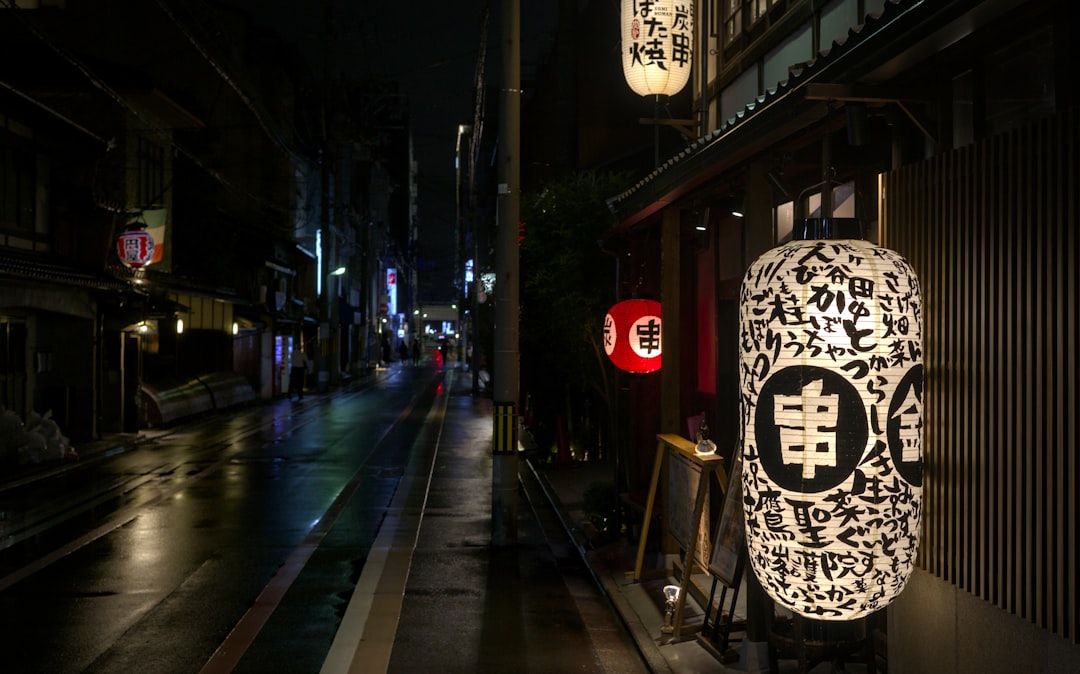
You’ve probably seen them on nearly every busy street in Japan — lantern-lit doorways, wooden signs covered in kanji, the sound of laughter and clinking glasses spilling out. That’s an izakaya, and it’s one of the most genuinely fun and affordable eating experiences Japan has to offer. The trouble is, most first-timers hesitate at the door because they have no idea what to expect inside.
The word 居酒屋 (izakaya) breaks down roughly as “stay sake place” — a spot where you settle in, drink at a relaxed pace, and eat a rotating parade of small shared dishes. Think less British pub, more Spanish tapas bar with chopsticks. The food is the point just as much as the drinks, and that changes everything about how you approach the evening.
This article is going to take you from nervous outsider to confident izakaya regular — covering what actually happens when you walk in, how to handle the menu when you can’t read Japanese, and a few things that other articles quietly skip over.
What Happens the Moment You Walk In
The first thing you’ll notice is the staff shouting irasshaimase! at you from every direction. This is not aggression. It’s a warm welcome, and you don’t need to respond — a nod or a smile is perfectly fine.
A staff member will almost immediately ask nan-mei-sama desu ka? — meaning “how many people?” Hold up fingers. One finger, two fingers, however many people are in your group. Simple. They’ll lead you to a table, a low-floor tatami section, or a counter seat depending on what’s available.
Removing Your Shoes (Or Not)
If you’re led to a raised tatami area with floor cushions, you’ll see a step up from the main floor. This is your cue to remove your shoes and leave them at the step before climbing up. Everywhere else in the izakaya, shoes stay on. Watch where others are sitting and follow their lead — you won’t go wrong.
The Otoshi: Don’t Be Alarmed
Within minutes of sitting down, a small dish of food will appear in front of you that you didn’t order. This is the otoshi (お通し), sometimes called tsukidashi in western Japan. It’s not a mistake, and it’s not free. The otoshi functions as the izakaya’s table charge — a set fee (usually between 300 and 600 yen per person) built into the experience, similar to the bread charge at some European restaurants.
You will be charged for it whether you eat it or not. Eat it. It’s often something seasonal and genuinely good — pickled vegetables, a small tofu dish, edamame, or marinated fish. Think of it as the izakaya’s opening handshake.
How Ordering Actually Works
Most izakayas will hand you a physical menu, and in many places, especially chains, there’s a touchscreen tablet at the table that lets you order without flagging down staff. Tablet ordering is a godsend for beginners — you can take your time, look at photos, and press buttons without worrying about pronunciation.
If there’s no tablet, catch a staff member’s eye and say sumimasen (excuse me). They’ll come to your table. Point at the menu items you want. This is not rude. Staff expect it from foreign visitors, and a finger pointed confidently at a menu item communicates exactly what you need it to.
Reading the Menu When You Can’t Read Japanese
Here’s something most izakaya articles skip entirely: you can decode a lot of a Japanese menu just by recognising a handful of kanji. You don’t need to be fluent. You just need a few key characters.
- 鶏 (tori) — chicken. Anything with this character involves poultry.
- 豚 (buta) — pork. Watch for 豚バラ (pork belly) and 豚キムチ (pork with kimchi).
- 牛 (gyū) — beef. 牛タン means beef tongue, a delicious izakaya staple.
- 魚 (sakana) — fish. Often appears with a specific fish name you can look up quickly.
- 豆腐 (tōfu) — tofu. A reliable vegetarian-friendly option in many forms.
- 揚げ (age) — deep-fried. So 唐揚げ (karaage) is deep-fried chicken.
- 焼き (yaki) — grilled or pan-fried. 焼き鳥 (yakitori) is grilled chicken skewers.
Screenshot this list before you go out. With even these seven patterns, you’ll be able to make reasonable guesses about most of what’s on the menu. Google Translate’s camera function also works surprisingly well on printed menus — open the app, point your camera at the text, and you’ll get a rough but usable translation on screen.
Drinking Customs You Need to Know
The drinks come quickly in an izakaya. Beer, highballs (whisky and soda), shochu, sake, and non-alcoholic options like oolong tea are all standard. Many groups start with a round of beers for the first drink — this is common enough that toriaezu biiru (“beer for now”) has become something of a cultural phrase.
The key social rule: don’t drink before everyone has a glass. Once all glasses are raised, someone (usually the most senior person, or whoever takes charge) says kanpai! and everyone drinks together. If you’re not sure who should lead, just wait and follow. The group will sort it out.
One more thing — you don’t pour your own drink. Pour for others at the table, and let others pour for you. If someone moves to pour and your glass is still quite full, it’s polite to take a sip first to make room. If you’d rather not drink alcohol, simply order a soft drink or oolong tea from the start. Nobody will pressure you.
Navigating Dietary Restrictions
This is the area where most izakaya articles let people down completely, so let’s be honest about it.
Vegetarian and vegan eating at a standard izakaya is genuinely challenging. Many dishes that appear vegetable-based are made with dashi (fish stock) as a base. Even miso soup, tofu dishes, and pickled vegetables can contain fish-derived ingredients. The word to learn is dashi — if you ask dashi wa tsukatte imasu ka? (“do you use dashi?”), staff will understand what you’re asking.
Useful phrases to have saved on your phone:
- “I don’t eat meat” — Niku wa taberaremasen.
- “I don’t eat fish or seafood” — Sakana to kaisan wa taberaremasen.
- “I have a nut allergy” — Nattsu arerugi ga arimasu.
- “Does this contain [ingredient]?” — [Ingredient] wa haitte imasu ka?
Showing these phrases written in Japanese (copy them from a translation app) will get you much further than trying to speak them aloud. Staff will appreciate the effort and will do their best to help. That said, cross-contamination is common in busy kitchens and menus don’t always list every ingredient, so people with severe allergies should approach with appropriate caution.
If you’re vegetarian or vegan, izakayas in larger cities and university neighborhoods are more likely to have flexible options. Edamame, agedashi tofu (ask about the dashi), cucumber pickles, and some salads are relatively safe bets in most places.
The Smoking Situation
Something to Check Before You Sit Down
Japan has tightened its indoor smoking laws significantly, but smaller privately-owned izakayas below a certain size are still permitted to allow smoking inside in some cases. This catches a lot of visitors off guard, particularly in older, more traditional establishments.
If you’re sensitive to smoke, look for a 禁煙 (kin-en) sign near the entrance — this means no smoking. If you don’t see one and you’re not sure, you can ask kinen seki wa arimasu ka? (“do you have non-smoking seats?”). Larger izakaya chains are much more consistently smoke-free and a safer bet if this is a concern for you.
Going Solo or as a Couple
The honest truth is that izakayas are designed around groups — the food is meant to be shared across the table, and the social atmosphere assumes a crowd. But going alone or as a pair is absolutely possible, and in some situations it’s actually wonderful.
Solo visitors tend to feel most comfortable at the counter seat, if one is available. Counter seating puts you near the kitchen or the bar, where staff will often chat with you if things aren’t too busy. It’s a completely different experience from sitting at a group table, but it’s relaxed and friendly in its own way.
For couples, the only real adjustment is portion size — dishes are meant to be split across four to six people, so you’ll want to order fewer items and share everything on the table. Two or three dishes at a time works well; order more as you finish.
Avoiding Tourist Traps
One thing worth knowing: in some tourist-heavy areas, you may encounter staff outside izakayas actively calling out to you and steering you in. Be cautious here. Street solicitation is actually illegal in Japan, and establishments that rely on aggressive touting rather than their own reputation are often overpriced, tourist-targeted, and disappointing. The best izakayas don’t need to drag customers in from the pavement.
Look instead for places where salarypeople are already eating, where the menu is posted in Japanese first (with English as an afterthought), and where the otoshi arrives looking like someone actually made it with care. These are the signs of a real local izakaya.
Your First Izakaya Evening: What to Actually Do
- Before you go: Screenshot the kanji list from this article and save two or three dietary restriction phrases if relevant. Download Google Translate with Japanese offline for camera translation.
- At the door: Hold up fingers for your group size. Follow staff to your seat.
- When the otoshi arrives: Accept it and eat it. It’s part of the experience.
- First drink: Order whatever you like and wait for everyone to have a glass before saying kanpai.
- Ordering food: Point confidently at the menu or use the tablet. Order two or three dishes at a time rather than everything at once.
- Pouring drinks: Keep an eye on others’ glasses and top them up. Let others do the same for you.
- Leaving: Ask for the bill by catching a staff member’s eye and saying okaikei onegaishimasu or making a small X shape with your index fingers. Payment is almost always at the register, not at the table.
The izakaya is one of those Japanese experiences that sounds intimidating until you’re actually sitting inside one, food arriving in waves, glass always somehow full, realising the whole thing is designed to make you feel relaxed. Give it one evening, follow these steps, and the second visit will feel like coming home.