Why Ramen Is More Complicated Than You Think
You walk into a ramen shop in Japan, stare at the menu, and suddenly realize that just ordering “ramen” is like walking into a wine bar and asking for “wine.” Which region? Which broth? Which noodle thickness? Ramen in Japan is a deeply regional, deeply personal food — and once you understand how it works, every bowl you eat becomes a whole new experience.
This isn’t just a breakdown of the four famous broth types. This is a practical map of Japan’s ramen landscape, written to help you figure out which style suits your palate and how to order with confidence.
Before the Broth: Understanding Tare
Most ramen articles throw you straight into shio, shoyu, miso, and tonkotsu — and then you’re left wondering why two bowls labeled “shoyu” can taste completely different. The answer is tare.
Tare (pronounced “tah-reh”) is the seasoning concentrate that sits at the bottom of your bowl before any soup is added. Think of it as the flavor backbone. The soup base — whether it’s chicken, pork bone, seafood, or vegetables — is the body. The tare is what gives it its identity.
The three classic tare types are:
- Shio tare — salt-based, clean and delicate
- Shoyu tare — soy sauce-based, savory and slightly sweet
- Miso tare — fermented soybean paste, rich and earthy
Tonkotsu, the fourth style you’ll often see listed, is technically a soup base (pork bone broth) rather than a tare — though it’s become so iconic that it’s treated as its own category. Understanding this distinction helps you decode menus much more easily. A bowl can be both tonkotsu broth and shoyu tare, for example, which gives you a rich pork soup with a soy-sauce seasoning edge.
The Four Foundational Styles
Shio Ramen — Light, Clean, and Underrated
Salt-seasoned ramen is the oldest and most delicate of the styles. The broth is usually pale yellow or clear, made from chicken, seafood, or a combination, and the flavor is subtle enough that every ingredient in the bowl gets to speak. If you love clean, nuanced flavors, shio ramen will surprise you with how much depth simplicity can have.
It’s particularly popular in coastal regions where fresh seafood shapes the broth. Hakodate, in Hokkaido’s southern tip, is famous for its shio style — a clear chicken-and-seafood broth that feels like the sea in a bowl.
Shoyu Ramen — Tokyo’s Comfort Food
Soy sauce ramen is the style most associated with Tokyo and, historically, with the first ramen shops that spread across Japan after World War Two. The broth is typically brown and clear, built on chicken or dashi stock, and seasoned with a carefully balanced shoyu tare.
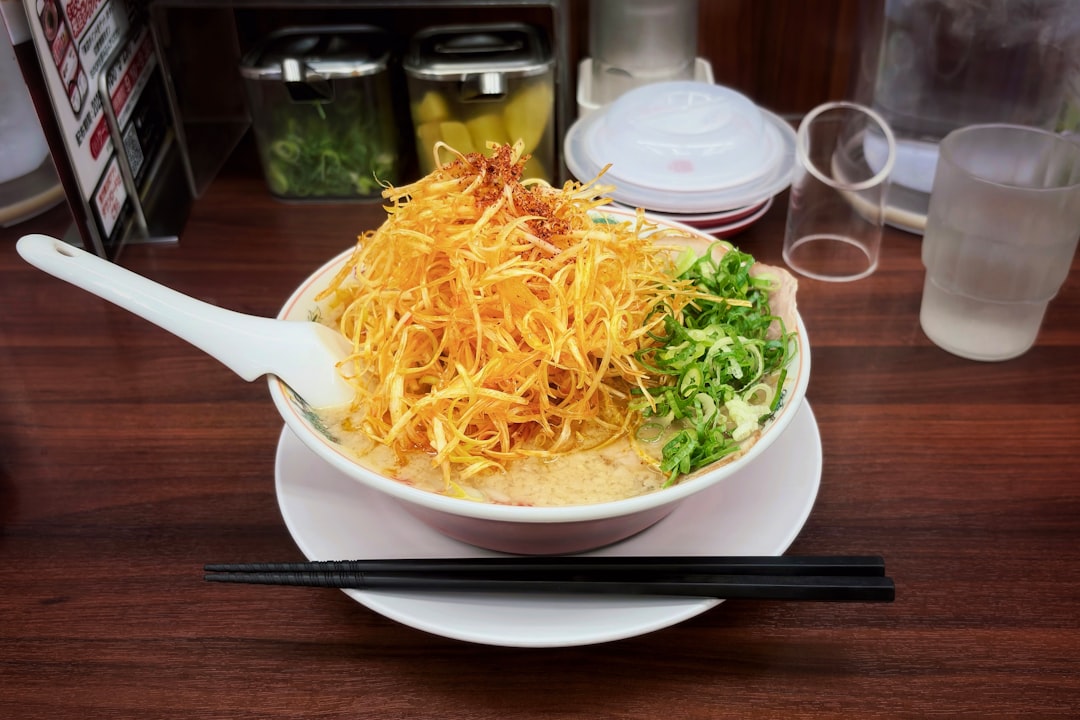
Tokyo-style shoyu ramen uses thin, wavy noodles and is topped with chashu pork, menma (fermented bamboo shoots), nori, and a perfectly soft-boiled egg. It’s not flashy. It’s warm, familiar, and endlessly satisfying — the kind of bowl you could eat every week without getting tired of it.
Miso Ramen — Bold, Hearty, and Built for Cold Weather
Miso ramen was born in Sapporo, Hokkaido, in the middle of Japan’s coldest winters, and the bowl reflects that. The broth is thick, cloudy, and intensely savory — often topped with corn, butter, bean sprouts, and ground pork. It’s filling in a way that feels almost like a hug.
What makes miso ramen particularly interesting is how much the type of miso changes the character. White miso gives a sweeter, more delicate result. Red miso is darker and more robust. Many shops blend their own miso combinations, which is why Sapporo alone has dozens of distinct miso ramen variations.
Tonkotsu Ramen — Rich, Cloudy, and Unapologetically Intense
Tonkotsu broth is made by boiling pork bones at a rolling boil for hours — sometimes over twelve — until the collagen breaks down and the soup turns milky white and almost creamy. It’s the most internationally recognized Japanese ramen style, and Hakata (in Fukuoka, Kyushu) is its spiritual home.
Hakata ramen uses very thin, straight noodles and comes with a handful of toppings — thin-sliced chashu, green onion, pickled ginger, sesame seeds. What sets it apart from other shops doing tonkotsu is the kaedama system: when you finish your noodles, you can order a fresh portion for just a small extra cost, dropping them right into your remaining soup. It’s one of the most practical and satisfying ramen customs in Japan.
Regional Styles You Haven’t Heard Of
Kitakata Ramen — The Town That Lives for Noodles
Kitakata, a small city in Fukushima Prefecture, has more ramen shops per capita than almost anywhere else in Japan. The style here is surprisingly light — a clear, soy-based broth with a gentle flavor built on pork and dried sardines — but the noodles are the star. Kitakata noodles are flat, wide, and wavy with a satisfying chew. Locals eat ramen for breakfast here, which tells you everything about how embedded it is in daily life.
Wakayama Ramen — When Tonkotsu Meets Shoyu
Wakayama, on the Kii Peninsula south of Osaka, has developed a hybrid style that combines tonkotsu richness with shoyu seasoning. The result is a dark, intensely savory broth that’s heavier than pure shoyu but more complex than pure tonkotsu. It’s often served with a side of pressed sushi (hayazushi), which is a regional pairing you won’t find anywhere else.
Aomori’s Miso Curry Milk Ramen — Japan’s Most Unexpected Bowl
If you want proof that Japanese ramen creativity has no limits, look at Aomori Prefecture’s signature style: miso curry milk ramen. Yes, all three. The broth blends miso with curry powder and milk (or sometimes fresh cream), creating something warming, slightly spicy, and surprisingly balanced. It was created at a single shop in Aomori city decades ago and became so beloved it’s now considered the regional specialty. Most visitors never make it this far north, which means those who do get to enjoy one of Japan’s best-kept ramen secrets.
Onomichi Ramen — Where the Sea Floats on Your Soup
Onomichi, a picturesque port city in Hiroshima Prefecture, produces a ramen with a thin, flat noodle sitting in a soy-based broth that gets its distinctive flavor from niboshi (dried sardines) and other small fish. What makes it visually striking is the layer of chicken fat or lard floating on the surface, which keeps the soup hot and adds richness. It’s a regional specialty tied entirely to the geography — a fishing town’s flavors poured into a bowl.
How to Choose Based on Your Taste
Rather than memorizing every style, use this simple flavor map when you’re standing in front of a menu:
- You like light, clean flavors: Start with shio ramen. Hakodate is the pilgrimage spot, but Tokyo has excellent shio shops too.
- You want something balanced and familiar: Shoyu ramen is your entry point. Tokyo-style is the benchmark.
- You love bold, umami-heavy food: Miso ramen was made for you. Try Sapporo-style if you want the classic version.
- You want the richest, most indulgent bowl possible: Tonkotsu. Fukuoka for the original, but Hakata-style shops exist across Japan.
- You’re an adventurous eater: Seek out regional specialties — Aomori’s miso curry milk ramen or Onomichi’s fish-oil shoyu will give you something genuinely memorable.
Why Regional Ramen Tastes Different Even With the Same Name
Here’s something most guides skip: the water. Japan’s water quality varies significantly by region, and it has a real effect on broth flavor. Tokyo’s water is slightly harder (higher mineral content), which brings out different qualities in a dashi or shoyu broth compared to the softer water in western Japan. Sapporo’s cold, clean water contributes to the clarity and purity of its broth bases. This is why a bowl of shoyu ramen in Tokyo tastes different from one made with the same recipe in Osaka — even when the chef is the same person.
Local ingredients matter too. Hokkaido’s dairy farming culture is why butter and corn landed so naturally on Sapporo’s miso ramen. Kyushu’s pork farming heritage is inseparable from the tonkotsu tradition. Coastal regions naturally lean toward seafood-heavy broths. Ramen is a mirror of wherever it’s being made.
Practical Tips for Ordering Ramen in Japan
At the Vending Machine
Many ramen shops use a ticket vending machine at the entrance. You select your bowl, pay, get a ticket, and hand it to the staff when you sit down. If you can’t read Japanese, look for picture buttons or point to what someone else has. Staff are almost always patient with confused-looking tourists.
Customization Options
Particularly in Hakata-style tonkotsu shops, you’ll often be asked about noodle firmness (katasa), richness (kosa), and green onion amount. Common terms to know:
- Kata — firm noodles
- Yawaraka — soft noodles
- Koi — rich broth
- Ame — lighter broth
Don’t be afraid to ask for the default (futsu means standard) if you’re unsure. You can always adjust next time.
Slurping Is Correct
You’ve probably heard this, but it bears repeating: slurping noodles is not rude in Japan. It’s considered normal and even appreciative. Don’t fight it — leaning into the slurp actually helps cool the noodles and carry more broth flavor. The chef will be quietly pleased.
Can You Find Regional Styles Outside Their Home Region?
Yes — more easily than you might expect. Tokyo in particular is a ramen hub where you can find Sapporo miso, Hakata tonkotsu, and Kitakata shoyu all within a short train ride. Areas like Shin-Yokohama have entire ramen museums dedicated to regional varieties. That said, eating Hakata ramen in Fukuoka, or Sapporo miso in Sapporo itself, carries a sense of place and authenticity that’s worth the trip if you can manage it.
Your Next Steps
- Pick one style to focus on first. Use the flavor map above to match your taste preferences to a starting point rather than trying everything at once.
- Look for regional specialty shops. Search for the prefecture name plus “ramen” when you know your itinerary — you’ll often find local styles you won’t see in Tokyo.
- Visit during off-peak hours. Ramen shops are small and queues can be long at lunch and dinner. Going at 3pm often means walking straight in.
- Take note of what you liked. Write down the shop name and style after each bowl. By your third or fourth bowl in Japan, you’ll start to develop genuine preferences — and that’s when the real exploration begins.
Photo by Masaaki Komori on Unsplash