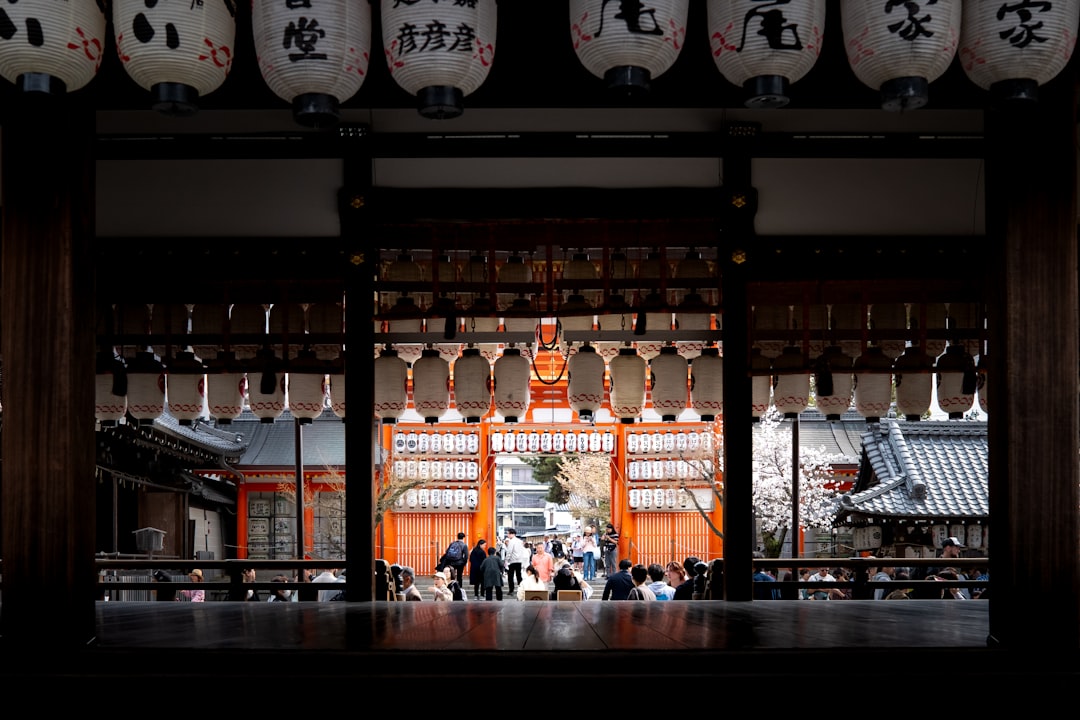
Japan can feel overwhelming before your first trip. You’ve seen the photos, watched the clips, maybe even picked up a few anime references along the way — but there’s a gap between knowing pop culture exists and actually understanding what you’re walking into. Music blasting from storefronts, costumed crowds gathering in certain districts, idol merchandise filling entire floors of shopping buildings — it all makes more sense when you have context. This article pulls together the key things you should know about J-Pop, Japanese music culture, and cosplay before you land.
What J-Pop Actually Is and Why It Sounds Different
J-Pop is Japan’s dominant commercial music genre, but calling it just “pop” undersells how much it encompasses. The sound draws from rock, electronic, hip-hop, and traditional Japanese music depending on the artist, decade, or even the single. What makes it distinct is partly production style — a preference for melodic hooks layered over complex arrangements — and partly cultural context. J-Pop grew out of a post-war music scene that was heavily influenced by American and Western styles but filtered everything through Japanese aesthetic sensibilities.
The idol system is central to understanding how J-Pop works. Unlike Western pop, where a solo artist or band creates music somewhat independently, Japanese idol culture is built around carefully managed groups and performers whose public personas are as important as the songs themselves. Fans follow entire career arcs, vote for members in competitions, and attend events specifically to interact with performers in structured, brief ways. If you walk into a Tower Records or an entertainment district and see walls of identical merchandise featuring the same faces, you’re looking at idol culture in action.
Knowing this before you visit helps you navigate spaces without confusion. It also helps you appreciate what you’re hearing in shops, on television screens in electronics stores, and coming from open windows in Akihabara or Shibuya.
How to Experience Japanese Music Culture as a Visitor
Experiencing music culture in Japan isn’t something you have to plan extensively — a lot of it finds you. But if you want to engage deliberately, there are layers worth knowing about before you arrive.
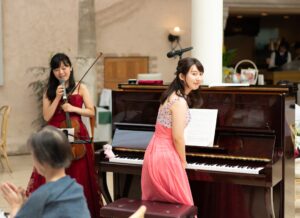
Live music venues in Japan range from massive arenas hosting idol group concerts to tiny basement clubs running nightly shows. The smaller venues, called live houses, are particularly worth seeking out. They operate across genres — jazz, punk, indie, electronic — and tend to have a dedicated local following. Shows are ticketed, often inexpensive, and give you a completely different picture of Japanese music than what plays on mainstream radio.
Karaoke is a genuine cultural institution, not a tourist gimmick. The format — private rooms booked by the hour rather than public stages — is how most people experience it. Groups of friends rent a room, order drinks from a menu, and cycle through songs for hours. Solo karaoke, called hitokara, is also common and completely accepted. If someone invites you to karaoke during a visit, they’re offering you access to a real social ritual.
Music stores still thrive in Japan in ways they’ve largely stopped doing elsewhere. Physical CDs, vinyl, and music merchandise remain popular partly because of collector culture and partly because of how the idol system incentivizes purchasing. Browsing a multi-floor music shop in Tokyo is an experience in itself, and staff recommendations are often excellent if you express any interest in a genre.
Cosplay Culture and Where It Actually Happens
Cosplay in Japan is not a fringe hobby. It has a large, organized community with dedicated events, professional cosplayers, studios built specifically for costume photography, and its own publishing ecosystem of magazines and online platforms. The word itself originated in Japan in the 1980s as a blend of “costume” and “play,” and the culture has grown continuously since then.
The most visible public gathering for cosplay in Japan is Comiket, the biannual comic market held in Tokyo. Attendance regularly reaches hundreds of thousands over multiple days, and cosplay is a major component of the event’s identity. But Comiket is just the largest example. Anime conventions, gaming expos, and dedicated cosplay events happen throughout the year across different cities. If your travel dates overlap with any of these, the experience of seeing cosplay in its natural context — surrounded by the community that produces and celebrates it — is significantly different from catching a cosplayer on the street.
Akihabara in Tokyo and Nipponbashi in Osaka are the two districts most associated with anime and cosplay culture on a day-to-day basis. Costume shops, wig suppliers, and prop makers operate alongside game stores and electronics retailers. Some maid cafes in these areas have cosplay as a central part of their concept. Walking through either district on a weekend afternoon, you’ll encounter people in costume without it being a special event.
It’s worth understanding the rules around cosplay in public spaces before participating. Many event venues require that you arrive and depart in regular clothing, changing into costume only inside designated areas. Photographing cosplayers without asking first is considered poor etiquette regardless of how elaborate the costume is. Most cosplayers are happy to pose if asked politely, but the ask matters.
For visitors who want to participate rather than observe, rental costume shops exist in tourist-heavy areas and around major event venues. These offer everything from full armor builds to character-specific outfits, with staff who can help with fitting and basic styling. You don’t need existing knowledge of a character to rent and wear a costume, but having some familiarity with what you’re wearing tends to make the experience more enjoyable and helps you connect with people at events who recognize it.
How These Cultures Overlap in Practice
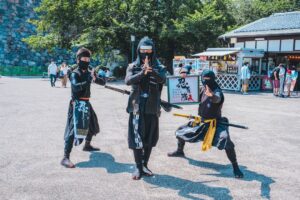
J-Pop and cosplay are more connected than they might seem from the outside. Anime series — a major source of cosplay inspiration — almost always have original soundtracks and theme songs that become part of J-Pop’s output. Popular anime openings and endings chart regularly, and the voice actors who perform them often cross over into mainstream music careers. This means the idol you see performing at a venue in Shibuya might also be the voice behind a character someone across the room is cosplaying.
Gaming culture adds another layer. Video game soundtracks are taken seriously as musical works in Japan, and composers like Nobuo Uematsu have genuine fan followings. Characters from game franchises are as present in cosplay communities as anime characters. Events like the Tokyo Game Show bring all of these threads together — music performances, cosplay gatherings, and merchandise culture occupying the same space at the same time.
Understanding any one of these areas makes the others easier to read. A visitor who knows the basics of idol culture will recognize why a particular cosplay costume generates such enthusiastic reactions. Someone familiar with cosplay events will have an easier time navigating the merchandise culture that surrounds music performances. The communities overlap, the aesthetics cross-pollinate, and Japan’s pop culture ends up being more internally consistent than it appears from a distance.
[BLOGCARD_3]