- Beyond the Green Powder: Japan's Rich Tea Heritage Awaits
- Sencha: The Everyday Champion
- Genmaicha: The People's Tea
- Hojicha: The Roasted Revolution
- Gyokuro: The Emperor of Japanese Teas
- Bancha: The Humble Everyday Tea
- Regional Tea Specialties
- Tea Ceremony and Etiquette
- Shopping for Japanese Tea
- Seasonal Tea Appreciation
- Health Benefits and Wellness
- Conclusion: Embracing Japan's Tea Heritage
Beyond the Green Powder: Japan’s Rich Tea Heritage Awaits
While matcha captures international attention with its vibrant green color and frothy texture, Japan’s tea culture extends far beyond this ceremonial powder. From the delicate sweetness of gyokuro to the nutty warmth of genmaicha, traditional Japanese teas offer travelers an authentic window into centuries-old customs and regional specialties.
Understanding these diverse teas enhances your Japan experience tremendously. Whether you’re sipping sencha with locals at a traditional tearoom, warming up with hojicha on a mountain hike, or learning proper brewing techniques from tea masters, each variety tells a unique story of Japanese craftsmanship and seasonal appreciation.
This comprehensive guide introduces you to Japan’s most beloved traditional teas, teaching you when to drink them, how to prepare them properly, and where to find the best examples during your travels. You’ll discover that Japanese tea culture is both deeply ceremonial and wonderfully accessible to curious visitors.
Sencha: The Everyday Champion
Sencha represents the heart of Japanese tea culture, accounting for roughly 80% of all tea consumed in Japan. This steamed green tea offers a perfect balance of grassiness, umami, and gentle sweetness that makes it ideal for daily consumption.
What Makes Sencha Special
Unlike Chinese green teas that are pan-fired, sencha leaves undergo a steaming process that preserves their vibrant green color and creates the tea’s characteristic fresh, vegetal flavor. The steaming process also enhances the tea’s natural umami compounds, giving sencha its distinctive savory undertone that pairs beautifully with Japanese cuisine.
Quality sencha leaves should appear bright green and uniform in size. When brewed properly, the liquor displays a clear golden-green hue with a fresh, oceanic aroma reminiscent of seaweed and fresh grass.
Brewing Sencha Perfectly
Water temperature proves crucial for sencha brewing. Use water heated to 70-80°C (158-176°F) – significantly cooler than boiling water, which would extract excessive tannins and create bitterness. Allow boiling water to cool for 5-7 minutes before pouring.
Use approximately one teaspoon of sencha per cup, steeping for 60-90 seconds for the first infusion. Quality sencha leaves can be steeped 2-3 times, with each subsequent brewing requiring slightly hotter water and longer steeping times.
Where to Experience Sencha
Visit traditional tearooms in Kyoto’s Gion district or Tokyo’s Asakusa area for authentic sencha service. Many ryokan (traditional inns) serve fresh sencha with their kaiseki dinners, allowing you to experience the tea’s role in Japanese hospitality. Tea specialty shops like Ippodo in Kyoto or Jugetsudo in Tokyo offer premium sencha varieties for tasting and purchase.
Genmaicha: The People’s Tea
Affectionately nicknamed “popcorn tea,” genmaicha combines green tea leaves with roasted rice, creating a uniquely Japanese blend that offers comfort and nourishment. This tea emerged during times when tea leaves were expensive, allowing families to stretch their precious tea supply with affordable roasted rice.
The Distinctive Character of Genmaicha
Genmaicha delivers a warm, nutty flavor with lower caffeine content than pure green teas, making it perfect for evening consumption. The roasted rice adds natural sweetness and creates a satisfying, almost grain-like body that pairs excellently with light meals or afternoon snacks.
Quality genmaicha features a balanced ratio of tea leaves to rice, with some rice kernels popped into small white flowers that resemble popcorn. The tea liquor displays a light golden color with a toasty aroma.
Brewing and Serving Genmaicha
Genmaicha proves more forgiving than delicate green teas, accepting slightly hotter water (80-85°C or 176-185°F) without becoming bitter. Steep for 2-3 minutes using one tablespoon of the tea-rice blend per cup. The tea pairs wonderfully with onigiri (rice balls), senbei (rice crackers), or simple Japanese sweets.
Many Japanese families serve genmaicha as an everyday beverage, appreciating its warming qualities and digestive properties. The tea’s rustic character makes it less formal than sencha, perfect for casual social gatherings.
Hojicha: The Roasted Revolution
Hojicha represents a fascinating departure from Japan’s green tea traditions. Created by roasting bancha or sencha leaves at high temperatures, this brown tea offers a completely different flavor profile that appeals to coffee drinkers and those seeking caffeine-light options.
Understanding Hojicha’s Appeal
The roasting process transforms green tea’s grassy character into something warm, nutty, and almost coffee-like. Hojicha contains significantly less caffeine than other Japanese teas, making it suitable for children and evening consumption. The tea’s smoky sweetness provides comfort during cold weather, earning it popularity in Japan’s northern regions.
Premium hojicha displays uniform brown leaves with a sweet, caramel-like aroma. The brewed tea presents a beautiful amber color with minimal astringency, offering smooth drinkability that requires no added sweeteners.
Hojicha in Japanese Daily Life
Many Japanese households serve hojicha after dinner as a digestive aid and relaxing nightcap. The tea’s mild nature makes it popular with elderly family members and young children who find green tea too strong. Hojicha also appears in various desserts, from ice cream to chocolate, showcasing its versatility beyond traditional tea service.
| Tea Type | Caffeine Level | Best Time to Drink | Water Temperature | Steeping Time |
|---|---|---|---|---|
| Sencha | Medium (30-50mg/cup) | Morning, Afternoon | 70-80°C | 60-90 seconds |
| Genmaicha | Low-Medium (25-40mg/cup) | Evening, With meals | 80-85°C | 2-3 minutes |
| Hojicha | Very Low (7-15mg/cup) | Evening, Night | 90-95°C | 2-3 minutes |
| Gyokuro | High (60-80mg/cup) | Special occasions | 50-60°C | 90-120 seconds |
| Bancha | Low (20-35mg/cup) | Daily drinking | 80-90°C | 2-4 minutes |
Gyokuro: The Emperor of Japanese Teas
Gyokuro stands as Japan’s most prized tea, representing the pinnacle of green tea craftsmanship. This “jade dew” tea undergoes careful shading for several weeks before harvest, concentrating amino acids and creating an intensely sweet, umami-rich flavor unlike any other tea.
The Art of Shade-Growing
Tea farmers cover gyokuro bushes with bamboo screens or cloth for 20-30 days before harvest, blocking 90% of sunlight. This shading process forces plants to produce more chlorophyll and amino acids while reducing tannins, resulting in leaves with extraordinary sweetness and minimal bitterness.
Only the youngest, most tender leaves qualify for gyokuro production. The careful hand-picking and processing create a tea with deep green, needle-like leaves that unfurl beautifully during brewing.
Brewing Gyokuro: A Meditation in Patience
Gyokuro demands the coolest water temperature among Japanese teas – just 50-60°C (122-140°F). This extremely low temperature prevents the extraction of tannins while drawing out the tea’s precious amino acids. The brewing process becomes almost ceremonial, requiring patience and attention.
Use generous amounts of leaves (about two tablespoons per cup) and steep for 90-120 seconds. The resulting liquor should be deep green with an almost broth-like intensity. Each serving provides only a few sips, encouraging slow, mindful consumption.
Where to Experience Premium Gyokuro
Uji, near Kyoto, produces Japan’s finest gyokuro. Visit tea shops like Tsuen Tea or Kanbayashi Shunsho for tastings of authentic Uji gyokuro. Expect to pay 3,000-10,000 yen for quality gyokuro, with the finest grades costing even more. Many high-end restaurants serve gyokuro as a palate cleanser between courses of kaiseki meals.
Bancha: The Humble Everyday Tea
Bancha represents Japan’s most humble tea, made from mature leaves and stems harvested later in the season. While less prestigious than sencha or gyokuro, bancha offers honest, straightforward flavor that makes it perfect for daily consumption and casual entertaining.
The Character of Bancha
Bancha provides a more robust flavor than premium green teas, with earthy undertones and mild astringency. The tea’s strength makes it suitable for serving with meals, particularly oily or rich dishes. Its affordable price point makes bancha accessible to all economic levels, earning it the nickname “people’s tea.”
Regional variations of bancha exist throughout Japan, from Kyoto’s traditional bancha to Kaga bancha from Ishikawa Prefecture, which undergoes unique roasting processes that create distinctive flavor profiles.
Bancha in Japanese Households
Many Japanese families keep bancha as their house tea, brewing large pots for sharing throughout the day. The tea’s forgiving nature allows for longer steeping times and hotter water without becoming unpalatable. Bancha also forms the base for flavored teas and seasonal preparations.
Regional Tea Specialties
Japan’s diverse geography creates distinct regional tea characters that reflect local climate, soil conditions, and cultural preferences. Exploring these regional specialties adds depth to your tea journey and connects you with local traditions.
Shizuoka: The Tea Capital
Shizuoka Prefecture produces 40% of Japan’s tea, benefiting from Mount Fuji’s mineral-rich soils and ideal climate conditions. Shizuoka sencha displays bright, fresh flavors with excellent balance between sweetness and astringency. The prefecture’s tea museums and plantations offer immersive experiences for tea enthusiasts.
Visit the Shizuoka Tea Museum or take tea plantation tours during harvest season (April-May) to witness traditional picking methods and processing techniques. Many farms offer hands-on experiences where visitors can pick leaves and learn traditional processing methods.
Kagoshima: Southern Innovation
Japan’s southernmost tea region produces unique varieties adapted to warmer climates. Kagoshima teas often display stronger, more robust flavors compared to their northern counterparts. The region also pioneered mechanical harvesting and innovative processing techniques that influence tea production nationwide.
Sakurajima’s volcanic soil creates teas with distinctive mineral notes, while Yakushima Island produces organic teas in pristine environmental conditions. These southern teas offer excellent value and represent innovative approaches to traditional tea making.
| Region | Famous For | Character | Best Time to Visit | Price Range (per 100g) |
|---|---|---|---|---|
| Uji (Kyoto) | Gyokuro, Matcha | Sweet, umami-rich | April-May | ¥2,000-¥8,000 |
| Shizuoka | Sencha | Fresh, balanced | April-October | ¥800-¥3,000 |
| Kagoshima | Deep-steamed sencha | Strong, robust | March-November | ¥600-¥2,500 |
| Sayama (Saitama) | Sayama-cha | Rich, full-bodied | May-September | ¥1,000-¥4,000 |
| Yame (Fukuoka) | Gyokuro, premium sencha | Delicate, sweet | April-October | ¥1,500-¥6,000 |
Tea Ceremony and Etiquette
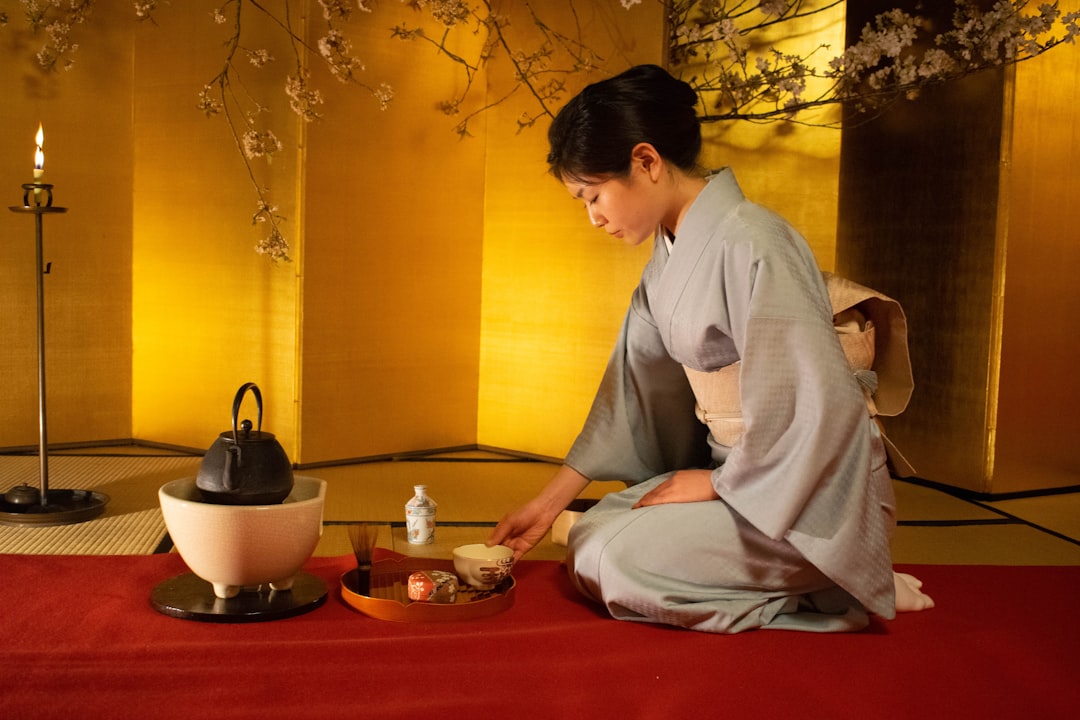
While elaborate tea ceremonies focus primarily on matcha, understanding basic tea etiquette enhances your appreciation of all Japanese teas and shows respect for cultural traditions during your travels.
Basic Tea Serving Etiquette
When serving or receiving tea in Japan, use both hands to offer and accept cups, showing respect and attention. The host typically serves the most honored guest first, proceeding clockwise around the group. Wait for everyone to be served before beginning to drink.
Hold the teacup with both hands, supporting it from underneath rather than grasping the rim. Take small sips and avoid draining the cup completely, as this signals you want more tea. Compliment the tea’s flavor and express gratitude to the host using phrases like “oishii desu” (delicious) or “arigatou gozaimasu” (thank you very much).
Visiting Traditional Tearooms
Traditional tearooms maintain specific customs that enhance the tea experience. Remove shoes when entering tatami mat areas and sit in seiza (kneeling) position or cross-legged as appropriate. Observe silence during tea preparation, appreciating the meditative qualities of the brewing process.
Many tearooms offer seasonal wagashi (traditional sweets) alongside tea service. These artfully crafted confections complement tea flavors while representing seasonal themes through colors and shapes. Accept sweets with gratitude and consume them thoughtfully, noting how their sweetness balances the tea’s characteristics.
Shopping for Japanese Tea
Purchasing quality Japanese tea requires understanding grading systems, seasonal considerations, and storage requirements. Japanese tea shops offer varying levels of expertise and product quality, from neighborhood stores to specialized boutiques.
Understanding Tea Grades and Pricing
Japanese tea grading considers leaf size, harvest timing, and processing quality. First flush (ichibancha) teas command premium prices due to their superior flavor and limited availability. Second flush (nibancha) teas offer good value with slightly stronger flavors, while third flush (sanbancha) provides economical options for daily consumption.
Premium teas display uniform leaf size, vibrant color, and minimal broken pieces. Avoid teas with excessive dust or yellowed leaves, which indicate poor storage or inferior quality. Quality tea shops store products in refrigerated conditions and sell from small batches to ensure freshness.
Best Places to Buy Tea in Japan
Department store basement food courts (depachika) offer excellent tea selections with knowledgeable staff and tasting opportunities. Specialty tea shops in historic districts provide authentic experiences with traditional storage and brewing demonstrations. Airport shops stock gift-quality teas in attractive packaging, though prices tend to be higher.
Consider visiting tea production regions for direct purchases from farmers. Many tea gardens offer factory tours, tasting sessions, and wholesale pricing on premium products. These experiences provide deeper understanding of tea production while supporting local communities.
Storage and Transportation
Japanese green teas lose quality rapidly when exposed to light, heat, and air. Purchase tea in small quantities and store in airtight containers away from strong odors. Refrigerated storage extends freshness, but allow tea to reach room temperature before opening containers to prevent condensation.
When traveling with tea purchases, pack them in carry-on luggage to avoid temperature extremes in cargo holds. Vacuum-sealed packages travel well, while traditional paper packaging requires additional protection from moisture and crushing.
| Purchase Location | Price Level | Quality Range | Service Level | Best For |
|---|---|---|---|---|
| Department Store | Medium-High | Good-Excellent | Professional | Reliable quality, gifts |
| Specialty Tea Shop | High | Excellent-Premium | Expert | Education, rare teas |
| Supermarket | Low-Medium | Basic-Good | Minimal | Daily consumption |
| Tea Farm Direct | Low-High | Good-Premium | Personal | Authentic experience |
| Airport Shop | High | Good-Excellent | Basic | Convenient gifts |
Seasonal Tea Appreciation
Japanese tea culture celebrates seasonal changes through tea selection, preparation methods, and serving accessories. Understanding these seasonal connections deepens your appreciation of Japanese aesthetic principles and natural rhythms.
Spring: New Life and First Flush
Spring brings shincha (new tea), the year’s first harvest celebrated for its exceptional freshness and vitality. These early season teas display bright green colors and delicate flavors that capture the essence of renewed life. Tea shops announce shincha arrivals with special ceremonies and premium pricing.
Spring tea ceremonies often incorporate cherry blossom themes through wagashi shapes and colors. The season’s mild weather makes it ideal for outdoor tea gatherings in temple gardens or traditional tea houses with sliding doors opened to garden views.
Summer: Cooling Refreshment
Summer tea service emphasizes cooling properties and refreshment. Cold-brewed sencha and gyokuro provide relief from humid weather while maintaining tea’s health benefits. Ice-cold hojicha offers coffee-like satisfaction without excessive caffeine.
Traditional cooling methods include serving tea in glass vessels that showcase the liquid’s color while providing visual cooling effects. Bamboo tea accessories replace heavy ceramic pieces, creating lighter, more portable service suitable for summer activities.
Autumn: Warming Comfort
Autumn celebrates harvest abundance through robust tea selections and warming spices. Genmaicha’s nutty character perfectly matches the season’s grain harvests, while bancha provides comforting warmth during cooling evenings.
Autumn tea ceremonies incorporate seasonal imagery through maple leaf motifs and earth-toned accessories. The season’s clear, dry air enhances tea aromatics, making it ideal for appreciating subtle flavor nuances in premium varieties.
Winter: Deep Warmth and Contemplation
Winter tea service focuses on warming properties and meditative qualities. Hojicha’s roasted character provides comfort during cold months, while thick, concentrated sencha offers internal warmth and energy.
Traditional winter tea accessories include thick ceramic vessels that retain heat and protect hands from cold. Charcoal braziers warm tea rooms while creating intimate atmospheres perfect for quiet contemplation and deep conversation.
Health Benefits and Wellness
Japanese teas offer numerous health benefits that have been recognized for centuries in traditional medicine and validated by scientific research. Understanding these benefits helps you choose appropriate teas for your wellness goals and daily routine.
Antioxidant Properties
All Japanese green teas contain high levels of catechins, particularly EGCG (epigallocatechin gallate), which provides powerful antioxidant protection. These compounds help neutralize free radicals and may reduce risks of various chronic diseases. Gyokuro and high-grade sencha contain the highest concentrations of beneficial catechins.
The steaming process used in Japanese tea production preserves more antioxidants compared to pan-firing methods used elsewhere. This processing advantage makes Japanese teas particularly valuable for health-conscious consumers seeking maximum nutritional benefits.
Digestive Support
Traditional Japanese medicine values tea’s digestive properties, particularly for processing heavy or oily foods. Genmaicha’s roasted rice aids digestion while providing gentle energy, making it popular after meals. Bancha’s mild astringency helps cleanse the palate and stimulate digestive processes.
Many Japanese families serve hot tea after meals as a digestive aid and social ritual. The warmth and mild caffeine content help activate digestive enzymes while promoting relaxation and conversation.
Mental Clarity and Relaxation
Japanese teas contain L-theanine, an amino acid that promotes relaxation without drowsiness. This compound works synergistically with caffeine to provide calm alertness and mental clarity. Gyokuro contains the highest L-theanine levels due to its shade-growing process.
The ritualistic aspects of tea preparation and consumption provide meditation-like benefits that reduce stress and promote mindfulness. Regular tea practice can become a valuable tool for managing daily pressures and maintaining emotional balance.
Conclusion: Embracing Japan’s Tea Heritage
Japan’s traditional tea culture extends far beyond matcha, offering visitors a rich tapestry of flavors, traditions, and experiences that deepen understanding of Japanese aesthetics and daily life. From sencha’s everyday comfort to gyokuro’s ceremonial elegance, each tea variety provides unique insights into Japanese values and craftsmanship.
Your tea journey through Japan becomes more meaningful when you understand proper brewing techniques, seasonal considerations, and cultural etiquette. Whether sharing bancha with local families, sampling premium gyokuro in historic Uji, or learning regional specialties in tea-producing areas, these experiences create lasting connections with Japanese culture.
The investment in quality Japanese tea equipment and knowledge rewards you long after returning home. Proper brewing techniques, appropriate storage methods, and appreciation for seasonal variations transform daily tea consumption into moments of mindful reflection and cultural connection.
Remember that tea appreciation develops gradually through experience and patience. Start with accessible varieties like sencha or genmaicha, gradually exploring more specialized teas as your palate develops. Each cup offers opportunities for discovery, whether appreciating subtle flavor notes or connecting with centuries-old traditions that continue to enrich Japanese daily life.
Most importantly, approach Japanese tea culture with curiosity and respect, recognizing that behind each cup lies generations of knowledge, seasonal awareness, and dedication to perfection that defines Japan’s unique approach to transforming simple leaves into profound experiences of taste, aroma, and cultural understanding.