- Why Japanese Vending Machine Drinks Matter for Every Visitor
- Understanding Japan's Vending Machine Culture
- Essential Japanese Soft Drinks to Try
- Japanese Coffee and Tea Culture in Vending Machines
- Unique and Unusual Japanese Beverages
- Regional Drink Specialties and Local Favorites
- Practical Tips for Vending Machine Success
- Making the Most of Your Vending Machine Experience
- Beyond Beverages: The Vending Machine Experience
- Conclusion: Embracing Japan's Liquid Culture
Why Japanese Vending Machine Drinks Matter for Every Visitor
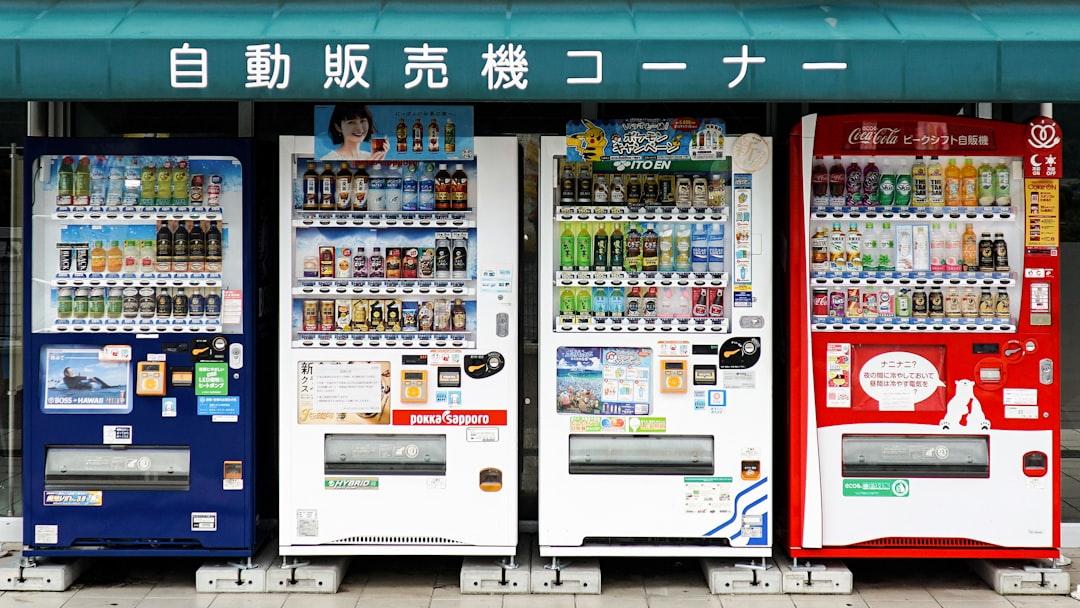
Stepping off the plane in Japan, one of the first cultural experiences that strikes visitors is the sheer abundance of vending machines dotting every street corner, train station, and office building. With over 5 million vending machines across the country, Japan has one machine for every 25 people – making it a vending machine paradise unlike anywhere else in the world.
These aren’t just convenience stores in metal boxes; they’re gateways to discovering Japan’s incredible beverage culture. From familiar international brands with unique Japanese twists to completely original flavors you’ll never find anywhere else, vending machine drinks offer an affordable, accessible way to taste your way through Japan’s creativity and attention to detail.
Whether you’re wandering Tokyo’s bustling streets, hiking mountain trails, or waiting for a train in rural Kyushu, vending machines provide constant opportunities to try something new. At prices ranging from 100 to 200 yen (roughly $0.75 to $1.50), these drinks offer exceptional value for money while delivering authentic Japanese flavors that reflect regional preferences and seasonal specialties.
Understanding Japan’s Vending Machine Culture
How Japanese Vending Machines Work
Japanese vending machines operate with remarkable efficiency and reliability. Most accept both coins and bills, with many newer machines accepting IC cards like Suica or Pasmo that you’ll likely use for trains anyway. The process is straightforward: insert your money, press the button corresponding to your chosen drink, and collect your beverage from the dispenser below.
What sets Japanese vending machines apart is their attention to temperature control. Hot drinks (marked with red buttons or labels) are kept genuinely hot – perfect for warming your hands on cold days. Cold drinks (blue buttons or labels) are refreshingly chilled. This temperature precision reflects Japan’s commitment to quality even in automated retail.
Prime Vending Machine Locations
You’ll find vending machines everywhere in Japan, but certain locations offer the best selection and experience. Train stations typically feature the widest variety, often showcasing regional specialties and seasonal limited editions. Office districts concentrate on energy drinks and coffee for busy salarymen, while tourist areas mix international favorites with uniquely Japanese options.
Mountain hiking trails and rural areas often surprise visitors with their vending machine presence, providing essential hydration in unexpected places. These remote machines sometimes offer local spring water or regional fruit juices that you won’t find in urban areas.
Essential Japanese Soft Drinks to Try
Ramune: Japan’s Iconic Marble Soda
No exploration of Japanese drinks would be complete without trying ramune, the distinctive marble soda that’s been delighting drinkers for over a century. The unique Codd-neck bottle design, sealed with a glass marble, creates both a satisfying pop when opened and a distinctive drinking experience as the marble rattles around.
Traditional ramune offers a light, refreshing lemon-lime flavor that’s less sweet than Western sodas. However, vending machines across Japan stock dozens of ramune variations: melon, grape, strawberry, lychee, and even more adventurous flavors like takoyaki (octopus balls) or wasabi. Each region often features local fruit flavors, making ramune hunting an excellent way to taste regional specialties.
Calpis and Calpico: The Cultured Milk Drink
Calpis (marketed as Calpico in some regions) represents Japan’s unique approach to dairy beverages. This cultured milk drink offers a tangy, slightly sweet flavor that’s both refreshing and nutritious. The original white Calpis provides a clean, yogurt-like taste that pairs perfectly with Japanese meals or serves as a palate cleanser.
Vending machines stock numerous Calpis variations: fruit-flavored versions like grape, orange, and mango add natural sweetness, while seasonal editions might feature cherry blossom, peach, or even matcha flavors. The drink’s probiotic properties and lower sugar content compared to traditional sodas make it a healthier choice for health-conscious travelers.
Pocari Sweat and Aquarius: Sports Drinks Done Right
Despite its unfortunate English name, Pocari Sweat ranks among Japan’s most beloved beverages. This isotonic sports drink was formulated to replace electrolytes lost through sweating, making it perfect for Japan’s humid summers or after long walking tours. The flavor is subtly sweet with a clean finish that doesn’t leave you feeling thirsty.
Aquarius, Coca-Cola’s answer to Pocari Sweat, offers similar benefits with a slightly different flavor profile. Both drinks excel at preventing dehydration and are particularly popular among athletes and outdoor enthusiasts. For travelers spending long days sightseeing, these drinks provide better hydration than water alone.
| Drink Category | Popular Brands | Typical Price Range (Yen) | Best Time to Drink |
|---|---|---|---|
| Marble Sodas | Ramune, Mitsuya Cider | 120-150 | Hot summer days, festivals |
| Cultured Milk | Calpis, Yakult | 100-140 | With meals, as snacks |
| Sports Drinks | Pocari Sweat, Aquarius | 130-160 | After exercise, hot weather |
| Fruit Juices | Qoo, Real Gold | 120-180 | Morning, with breakfast |
Japanese Coffee and Tea Culture in Vending Machines
Boss Coffee: The Salaryman’s Fuel
Boss Coffee, with its distinctive black can featuring a mustachioed man in a suit, has become synonymous with Japanese work culture. Created by Suntory, Boss offers numerous varieties from the classic Boss Black (unsweetened) to Boss Café au Lait (sweet and creamy). The hot versions provide genuine warmth during cold months, while cold varieties offer refreshing caffeine kicks during summer.
What makes Boss Coffee special is its consistent quality and the wide range of sweetness levels. Boss Rainbow Mountain Blend offers a smooth, slightly sweet flavor perfect for coffee newcomers, while Boss Silky Black caters to those who prefer their coffee strong and unsweetened. Each variety clearly indicates its sweetness level, helping you find your perfect match.
Georgia Coffee: European Style, Japanese Quality
Coca-Cola’s Georgia Coffee line brings European café culture to Japanese vending machines. Georgia Max Coffee delivers an intense caffeine punch in a small can – perfect for early morning temple visits or late-night exploration. Georgia European takes a smoother approach with its creamy, balanced flavor that appeals to a broader audience.
The brand frequently collaborates with famous coffee shops and roasters, offering limited-edition flavors that showcase different brewing methods and bean origins. These special editions provide opportunities to taste premium coffee at vending machine prices.
Traditional Japanese Tea Options
Japanese vending machines excel at delivering authentic tea experiences. Ayataka green tea, produced by Coca-Cola Japan, uses a special brewing method that preserves the fresh, grassy flavor of premium tea leaves. The result is remarkably close to freshly brewed tea from a traditional teapot.
Oolong tea varieties like Suntory’s Oolong Tea offer a more complex flavor profile with floral notes and a clean finish. These teas contain no added sugars, providing pure tea flavor that complements Japanese cuisine perfectly. Hot versions are particularly satisfying during cooler months, while cold versions provide refreshing alternatives to water.
Matcha and Specialty Tea Drinks
For those seeking authentic Japanese flavors, matcha-based drinks from vending machines offer convenient access to this traditional taste. Matcha lattes combine the earthy, slightly bitter flavor of powdered green tea with creamy milk, creating a uniquely Japanese coffee shop experience.
Seasonal tea variations appear throughout the year: sakura (cherry blossom) flavored teas during spring, roasted tea blends in autumn, and warming spiced teas in winter. These limited-time offerings provide insight into Japanese seasonal food culture and are worth trying when available.
Unique and Unusual Japanese Beverages
Vegetable and Health Drinks
Japanese vending machines stock an impressive array of vegetable-based drinks that might surprise Western visitors. Kagome’s vegetable juice blends combine multiple vegetables into surprisingly palatable drinks – their tomato-based mixtures taste far better than you might expect from a health drink.
Aojiru (green juice) represents the extreme end of health beverages. Made primarily from kale or other leafy greens, these drinks pack impressive nutritional value into every sip. While the grass-like flavor isn’t for everyone, they provide an authentic Japanese health culture experience and genuine nutritional benefits.
Seasonal and Regional Specialties
Japanese beverage companies excel at creating drinks that reflect seasons and regional characteristics. Spring brings sakura-flavored everything: sakura Pepsi, sakura lemonade, and even sakura beer from vending machines. Summer features refreshing melon drinks, particularly in Hokkaido where cantaloupe is a regional specialty.
Autumn introduces sweet potato, chestnut, and pumpkin flavored beverages that might sound strange but often taste surprisingly good. Winter brings hot drinks like shiruko (sweet red bean soup) and amazake (sweet rice drink) – traditional Japanese comfort beverages perfect for cold days.
Alcohol from Vending Machines
Japan’s liberal vending machine alcohol policies mean you can purchase beer, sake, and chu-hi (flavored alcohol) from street corner machines. These machines typically operate until 11 PM and require age verification, though enforcement varies by location.
Chu-hi deserves special mention as a uniquely Japanese alcoholic beverage. These flavored alcohol drinks combine shochu (distilled spirits) with fruit flavors and carbonation. Popular varieties include grapefruit, lemon, and seasonal fruit flavors. At 3-9% alcohol content, they provide a light, refreshing way to experience Japanese drinking culture.
| Specialty Drink Type | Notable Examples | Flavor Profile | When to Try |
|---|---|---|---|
| Vegetable Juices | Kagome, Ito En | Savory, nutritious, earthy | Breakfast, health-conscious moments |
| Seasonal Flavors | Sakura Pepsi, Melon Soda | Sweet, floral, fruity | During relevant seasons |
| Traditional Warm Drinks | Shiruko, Amazake | Sweet, comforting, unique | Cold weather, cultural exploration |
| Chu-hi (Alcoholic) | Strong Zero, Horoyoi | Fruity, carbonated, light alcohol | Evening, social occasions |
Regional Drink Specialties and Local Favorites
Hokkaido’s Dairy Excellence
Hokkaido’s reputation for exceptional dairy products extends to its vending machine offerings. The region’s machines frequently stock premium milk varieties with higher fat content and richer flavors than standard Japanese milk. Hokkaido melon milk combines the region’s famous cantaloupe with fresh dairy for a luxurious treat.
Local brewery drinks from Hokkaido feature unique ingredients like lavender, corn, and local berries. These regional specialties provide tastes you won’t find anywhere else in Japan, making them perfect souvenirs in liquid form.
Okinawa’s Tropical Offerings
Okinawa’s subtropical climate influences its vending machine selection significantly. Machines across the island chain feature tropical fruit juices like passion fruit, dragon fruit, and goya (bitter melon) drinks. Blue Seal ice cream vending machines offer another uniquely Okinawan experience – this American-style ice cream company has become a local institution.
Awamori-based drinks (Okinawa’s traditional distilled spirit) appear in some vending machines, offering lower alcohol versions of this cultural staple. These provide gentle introductions to Okinawan drinking culture without the intensity of straight awamori.
Kyushu’s Citrus Culture
Kyushu’s warm climate produces exceptional citrus fruits, reflected in the region’s vending machine offerings. Yuzu (Japanese citron) drinks provide complex, aromatic flavors that balance sweet and tart elements perfectly. Dekopon (a type of mandarin) juices offer incredibly sweet, pure fruit flavors.
Local tea varieties from Kyushu, particularly Kagoshima green teas, often appear in regional vending machines. These teas typically feature deeper, more robust flavors than teas from other regions, reflecting local growing conditions and processing methods.
Practical Tips for Vending Machine Success
Payment Methods and Money Management
Most Japanese vending machines accept 10, 50, 100, and 500 yen coins, plus 1,000 yen bills. Many machines provide change, but it’s wise to carry appropriate coins when possible. IC cards like Suica, Pasmo, or Icoca work at most machines in urban areas, making purchases incredibly convenient for train pass holders.
Some machines accept larger bills (5,000 and 10,000 yen), but change capacity varies. If a machine rejects your money, try a different machine rather than assuming it’s broken – some older machines have stricter bill acceptance standards.
Reading Japanese Labels and Buttons
Understanding basic Japanese drink vocabulary enhances your vending machine experience significantly. “Atatakai” (温かい) or red buttons indicate hot drinks, while “Tsumetai” (冷たい) or blue buttons mean cold. “Muryou” (無糖) means sugar-free, while “binetou” (微糖) indicates low sugar.
Picture labels help identify flavors even without reading Japanese. Coffee drinks usually feature coffee beans or cups, while fruit drinks display the relevant fruit. When in doubt, try something new – most Japanese drinks are designed to be approachable and rarely taste offensive to international palates.
Best Times and Locations for Variety
Train stations offer the widest selection of drinks, often featuring both national brands and regional specialties. Department store basement food courts (depachika) sometimes include premium vending machines with higher-end beverages at slightly elevated prices.
Morning hours (6-9 AM) provide the best selection as machines are typically restocked overnight. Popular machines in busy locations may sell out of desirable drinks by afternoon, particularly during hot weather when cold drinks disappear quickly.
| Location Type | Drink Selection | Price Range | Special Features |
|---|---|---|---|
| Train Stations | Widest variety, regional specialties | Standard pricing | IC card acceptance, frequent restocking |
| Office Districts | Coffee focus, energy drinks | Standard pricing | Hot drinks emphasis, quick service |
| Tourist Areas | International brands, unique flavors | Slightly higher | English labels, tourist-friendly options |
| Rural/Mountain Areas | Local specialties, basic selection | Standard to higher | Regional exclusives, spring water options |
Making the Most of Your Vending Machine Experience
Creating Your Own Drink Adventure
Transform vending machine exploration into a memorable part of your Japan trip by creating personal challenges and goals. Set targets like trying one new drink per day, sampling every flavor in a particular brand’s lineup, or collecting bottles from different prefectures as unique souvenirs.
Photography enthusiasts can document interesting vending machine locations and unusual drink combinations. The colorful arrays of drinks create striking visual compositions, while unique locations (like machines on mountain peaks or traditional temple grounds) provide memorable backdrops.
Seasonal Timing Strategies
Japanese beverage companies constantly introduce seasonal flavors, making return visits rewarding experiences. Spring brings sakura everything, summer features refreshing melon and citrus options, autumn introduces warming spices and root vegetable flavors, while winter offers hot drinks and comfort beverages.
Limited-time offerings often disappear within weeks, so grab interesting seasonal drinks when you spot them. These temporary flavors frequently become conversation pieces and provide unique tastes you’ll remember long after returning home.
Cultural Etiquette and Considerations
Japanese vending machine etiquette is refreshingly simple: take only what you purchase, dispose of containers in appropriate recycling bins (usually located near the machines), and avoid drinking while walking in business districts where it’s considered impolite.
Many machines include small trash receptacles specifically for their containers – using these keeps public spaces clean and shows respect for Japanese cleanliness standards. When possible, finish drinks before boarding trains, as eating and drinking on public transportation varies in acceptability depending on the line and time of day.
Beyond Beverages: The Vending Machine Experience
Technology and Innovation
Japanese vending machines showcase impressive technology that enhances the user experience. Touch screen interfaces, multilingual displays, and smartphone integration represent the cutting edge of automated retail. Some machines even remember your preferences through IC card usage patterns.
Temperature control technology keeps hot drinks genuinely hot (around 55°C) and cold drinks properly chilled (around 5°C). This attention to optimal serving temperature reflects Japanese commitment to quality even in automated services.
Environmental Considerations
Japan’s vending machine culture includes sophisticated recycling systems. Most machines feature separate slots for different container types, and the containers themselves are designed for efficient recycling. Participating in this system demonstrates cultural awareness and environmental responsibility.
Many vending machine companies have committed to energy efficiency improvements, with newer machines using LED lighting and improved insulation to reduce power consumption while maintaining drink quality.
Conclusion: Embracing Japan’s Liquid Culture
Japanese vending machine drinks offer far more than simple refreshment – they provide accessible windows into Japanese culture, regional identity, and seasonal awareness. From the familiar comfort of a perfectly heated Boss Coffee to the adventurous discovery of yuzu-flavored sodas, these beverages tell stories about Japanese values, preferences, and innovations.
The incredible variety ensures that every visitor can find drinks that match their preferences while discovering flavors they never imagined. Whether you’re seeking authentic Japanese experiences through traditional tea drinks, exploring regional specialties that showcase local ingredients, or simply enjoying the convenience of hot coffee on a cold morning, vending machines provide constant opportunities for discovery.
Remember that vending machine exploration works best as a gradual process rather than a rushed mission. Allow yourself to be surprised by unexpected flavors, embrace the occasional odd taste as part of the adventure, and appreciate the remarkable engineering and cultural insights these ubiquitous machines provide.
Most importantly, vending machine drinks represent Japanese accessibility and quality – affordable prices, consistent availability, and attention to detail that ensures every purchase meets high standards. This combination of convenience, variety, and quality makes vending machine beverages an essential part of any Japanese adventure, providing both refreshment and cultural insight with every sip.
Photo by Ji Seongkwang on Unsplash