- Why Understanding Wabi-Sabi Transforms Your Japanese Experience
- The Heart of Wabi-Sabi: Finding Beauty in Imperfection
- Where to Experience Wabi-Sabi in Japan
- Wabi-Sabi in Daily Japanese Life
- Seasonal Appreciation: Mono no Aware and Natural Cycles
- Food Culture: Wabi-Sabi on the Plate
- Shopping for Wabi-Sabi: What to Look For
- Practical Tips for Appreciating Wabi-Sabi During Your Visit
- Bringing Wabi-Sabi Home: Lasting Lessons
- Beyond Tourism: Cultural Understanding and Respect
- Conclusion: The Endless Beauty of Imperfection
Why Understanding Wabi-Sabi Transforms Your Japanese Experience
When you step into a centuries-old temple in Kyoto and feel inexplicably moved by weathered wooden beams, or find yourself captivated by a simple tea bowl with an imperfect glaze, you’re encountering wabi-sabi – perhaps Japan’s most profound aesthetic philosophy. This concept permeates every corner of Japanese culture, from the design of traditional gardens to the arrangement of a humble meal.
For visitors to Japan, grasping wabi-sabi opens doors to deeper appreciation of what might otherwise seem puzzling or austere. Why do Japanese gardens feature moss-covered stones rather than manicured lawns? Why does that expensive restaurant serve food on seemingly simple, handmade pottery? Understanding these aesthetic principles transforms sightseeing into genuine cultural immersion.
This philosophy goes far beyond mere decoration – it’s a way of seeing beauty in imperfection, finding peace in impermanence, and discovering profound meaning in simplicity. Whether you’re planning your first trip to Japan or seeking to deepen your cultural understanding, learning about wabi-sabi will enrich every temple visit, garden stroll, and traditional meal.
The Heart of Wabi-Sabi: Finding Beauty in Imperfection
Origins and Meaning
Wabi-sabi emerges from two distinct Japanese concepts that, when combined, create something greater than their parts. Wabi originally described the loneliness of living in nature, away from society, but evolved to represent rustic simplicity and understated elegance. Sabi refers to the beauty that comes with age and wear – the patina on bronze, the weathering of wood, the gentle deterioration that marks the passage of time.
Together, wabi-sabi celebrates the beauty of things that are imperfect, impermanent, and incomplete. This philosophy stands in stark contrast to Western ideals of perfection, symmetry, and permanence. In Japan, a cracked tea bowl repaired with gold (a technique called kintsugi) becomes more beautiful because of its flaws, not despite them.
Core Principles That Shape Japanese Aesthetics
Three fundamental principles guide wabi-sabi thinking and influence everything from architecture to flower arrangement:
- Imperfection as Beauty: Asymmetry, irregularity, and natural flaws are celebrated rather than hidden
- Impermanence as Truth: Nothing lasts forever, and this transience makes things more precious
- Incompleteness as Possibility: Leaving space for imagination and natural evolution
These principles explain why Japanese gardens feature carefully placed “random” stones, why traditional pottery often looks handmade rather than machine-perfect, and why cherry blossom viewing (hanami) focuses on flowers that bloom for just a few short weeks.
Where to Experience Wabi-Sabi in Japan
Temples and Sacred Spaces
Japanese temples offer some of the most accessible encounters with wabi-sabi aesthetics. The weathered wooden structures, moss-covered stone lanterns, and naturally worn pathways embody the philosophy’s core principles. When you visit temples like Kyoto’s Kiyomizu-dera or Nara’s Todai-ji, notice how age and weather have enhanced rather than diminished their beauty.
The famous rock garden at Ryoan-ji Temple in Kyoto presents perhaps the most famous example of wabi-sabi in landscape design. Fifteen carefully placed stones in raked gravel create a composition that appears simple yet reveals infinite complexity upon contemplation. The garden’s power comes not from ornate decoration but from what it leaves out – the empty spaces that allow your mind to complete the picture.
| Temple/Location | Best Wabi-Sabi Features | Entry Fee | Best Viewing Time |
|---|---|---|---|
| Ryoan-ji Temple, Kyoto | Rock garden, weathered wooden structures | 500 yen | Early morning |
| Ginkaku-ji (Silver Pavilion), Kyoto | Aged silver patina, moss gardens | 500 yen | Afternoon light |
| Koke-dera (Moss Temple), Kyoto | 120 varieties of moss, natural weathering | 3,000 yen (advance reservation required) | Any time (filtered light) |
| Tenryu-ji Temple, Kyoto | Borrowed scenery, asymmetrical garden design | 600 yen | Late afternoon |
Traditional Gardens: Nature as Art
Japanese gardens represent wabi-sabi principles in living form. Unlike Western gardens that often emphasize bright colors and geometric patterns, Japanese gardens find beauty in subtle variations of green, carefully controlled decay, and the interplay between cultivated and wild elements.
When you visit gardens like Kyoto’s Philosopher’s Path or the Imperial Palace East Gardens in Tokyo, observe how designers incorporate natural aging processes. Moss is encouraged to grow on stones, wooden structures are allowed to weather naturally, and plants are pruned to appear as if shaped by wind and time rather than human intervention.
The concept of borrowed scenery (shakkei) demonstrates wabi-sabi thinking by incorporating distant mountains or buildings into garden compositions, acknowledging that boundaries between natural and constructed environments are fluid and impermanent.
Tea Houses and the Way of Tea
The Japanese tea ceremony (chado or sado) represents wabi-sabi philosophy in action. Tea houses deliberately embrace rustic simplicity, with rough-hewn wooden beams, tatami mats that show wear, and pottery that celebrates rather than hides the potter’s hand.
During a tea ceremony experience – available at locations like Kyoto’s Urasenke Foundation or Tokyo’s Imperial Hotel – notice how each tea bowl is unique and often “imperfect” by conventional standards. Cracks, bubbles in the glaze, and asymmetrical shapes are valued as expressions of the maker’s humanity and the clay’s natural properties.
Wabi-Sabi in Daily Japanese Life
Architecture and Interior Design
Traditional Japanese architecture embodies wabi-sabi through materials that age gracefully and designs that work with rather than against natural forces. When you stay in a ryokan (traditional inn), notice how wooden beams darken with age, how tatami mats develop a gentle patina from use, and how shoji screens filter light in soft, imperfect patterns.
Even in modern Japanese homes, you’ll find wabi-sabi influences: exposed wooden beams, natural materials that show wear, and deliberately asymmetrical arrangements. The principle of ma – the meaningful use of empty space – creates rooms that feel calm and uncluttered, allowing occupants to appreciate subtle details and natural light changes throughout the day.
Pottery and Crafts: Celebrating Human Touch
Japanese pottery traditions exemplify wabi-sabi aesthetics through techniques that emphasize natural materials and accept chance variations. Bizen pottery, made without glaze and fired with wood, develops unique patterns from ash and flame that no potter can fully control. Raku tea bowls, quickly cooled after firing, develop unpredictable crackle patterns that make each piece unique.
When shopping for pottery in areas like Kyoto’s Kiyomizu-zaka or Tokyo’s Kappabashi Street, look for pieces that show the potter’s hand rather than machine precision. Slight irregularities in shape, variations in glaze thickness, and natural color variations are signs of authentic craftsmanship valued in wabi-sabi aesthetics.
| Pottery Style | Key Wabi-Sabi Characteristics | Best Places to See/Buy | Price Range |
|---|---|---|---|
| Bizen-yaki | Natural ash glazing, earth tones, fired patterns | Okayama Prefecture, specialty shops in Kyoto | 5,000-50,000+ yen |
| Raku-yaki | Hand-shaped, crackled glazes, tea bowl tradition | Kyoto (Raku Museum), traditional pottery districts | 8,000-100,000+ yen |
| Shigaraki-yaki | Natural ash effects, rustic textures, earth colors | Shiga Prefecture, Kyoto pottery shops | 3,000-30,000 yen |
| Hagi-yaki | Soft textures, changes with use, tea ceremony pottery | Yamaguchi Prefecture, tea ceremony supply shops | 6,000-40,000 yen |
Seasonal Appreciation: Mono no Aware and Natural Cycles
Cherry Blossoms and the Beauty of Transience
Perhaps no aspect of Japanese culture better demonstrates wabi-sabi principles than the national obsession with cherry blossoms (sakura). These flowers bloom for just one to two weeks, and their brief appearance makes them more precious, not less. The practice of hanami (flower viewing) celebrates this transience, with families and friends gathering to appreciate beauty they know will soon fade.
When you participate in hanami at locations like Tokyo’s Ueno Park or Kyoto’s Philosopher’s Path, you’re experiencing mono no aware – a profound awareness of the impermanence of things that creates both sadness and beauty. This concept closely relates to wabi-sabi’s appreciation of transience as an essential aspect of beauty.
Autumn Colors and Graceful Aging
Japanese autumn leaf viewing (koyo) represents another seasonal celebration of wabi-sabi principles. The most admired autumn colors aren’t the brightest reds and yellows, but the subtle variations and gradual transitions that show leaves aging gracefully. Popular viewing locations like Kyoto’s Arashiyama Bamboo Grove or Tokyo’s Rikugien Gardens showcase how Japanese aesthetics find beauty in decay and change.
The practice of seasonal decoration in homes and temples – changing flower arrangements, adjusting room configurations, and highlighting different garden views – reflects wabi-sabi’s acceptance of impermanence as natural and beautiful.
Food Culture: Wabi-Sabi on the Plate
Kaiseki and the Art of Imperfect Presentation
High-end Japanese cuisine, particularly kaiseki dining, demonstrates wabi-sabi through presentation that emphasizes natural materials, seasonal ingredients, and deliberate imperfection. When you dine at a kaiseki restaurant, notice how food is often presented on handmade pottery with visible irregularities, how arrangements appear natural rather than forced, and how empty space on the plate is used as deliberately as the food itself.
The choice of vessels for each course reflects wabi-sabi thinking – a perfectly imperfect bowl that complements the food’s color and texture, plates with natural edges that echo the organic shapes of the ingredients, and ceramics that show the maker’s hand through subtle variations in thickness or glaze.
Tea Culture: Finding Perfection in Simplicity
Japanese tea culture, whether the formal ceremony or daily green tea drinking, embodies wabi-sabi through appreciation of simple, natural flavors and the imperfect beauty of handmade vessels. When you participate in a tea ceremony or simply enjoy matcha at a traditional tea house, observe how the ritual celebrates rather than hides the natural variations in tea color, the asymmetrical shapes of tea bowls, and the gentle imperfections that make each experience unique.
Even in casual tea drinking, you’ll notice how Japanese culture values the subtle variations in taste that come from seasonal changes in tea leaves, the way handmade cups feel different in the hand, and how the ritual of preparation becomes as important as the drinking itself.
Shopping for Wabi-Sabi: What to Look For
Antiques and Vintage Items
Japanese antique markets and vintage shops offer excellent opportunities to find items that embody wabi-sabi aesthetics. When shopping at locations like Tokyo’s Ameya-Yokocho Market or Kyoto’s Toji Temple monthly market, look for items that show graceful aging: wooden furniture with natural patina, textiles that have softened with use, and pottery that displays the marks of time.
Rather than seeking pristine condition, appreciate how use and age have enhanced these objects’ character. A wooden chest with gentle wear marks, a kimono with subtle fading, or a tea set with hairline cracks can be more beautiful and valuable than perfect reproductions.
Contemporary Interpretations
Modern Japanese designers continue to create objects inspired by wabi-sabi principles. When shopping for contemporary items, look for pieces that embrace natural materials, show handcraft elements, or incorporate intentional imperfections. Brands like Muji reflect wabi-sabi thinking through their emphasis on natural materials, simple designs, and acceptance of material variations.
| Item Category | Wabi-Sabi Characteristics to Look For | Where to Find | Typical Qualities |
|---|---|---|---|
| Ceramics | Hand-shaped forms, natural glazes, visible thumb prints | Pottery districts, temple markets, craft fairs | Asymmetrical, earth tones, texture variations |
| Textiles | Natural fibers, hand-weaving irregularities, faded colors | Antique markets, traditional craft shops | Soft textures, muted colors, gentle wear |
| Wooden Items | Natural grain patterns, hand-tool marks, aged patina | Traditional craft centers, antique shops | Warm tones, smooth wear patterns, natural imperfections |
| Garden Elements | Weather-worn surfaces, natural aging, organic shapes | Garden supply shops, stone yards, temple sales | Moss growth, natural weathering, irregular forms |
Practical Tips for Appreciating Wabi-Sabi During Your Visit
Changing Your Perspective
To truly appreciate wabi-sabi during your Japanese travels, you may need to adjust your usual way of seeing. Instead of looking for the biggest, brightest, or most perfect examples, train your eye to notice subtle details: the way morning light filters through old shoji screens, how moss softens the edges of stone lanterns, or how a perfectly imperfect tea bowl feels in your hands.
Slow down your sightseeing pace to allow time for contemplation. Wabi-sabi reveals itself through patient observation rather than quick photography sessions. Spend extra time in temple gardens, sit quietly in traditional rooms, and allow yourself to feel the atmosphere rather than just seeing the sights.
Photography and Documentation
When photographing examples of wabi-sabi, focus on details rather than grand overviews. Capture the texture of weathered wood, the patterns of moss on stone, or the subtle color variations in autumn leaves. Use natural light when possible, as harsh flash photography contradicts wabi-sabi’s appreciation of gentle, natural illumination.
Consider photographing the same subject at different times of day to document how changing light reveals different aspects of beauty. The morning mist on a temple garden, afternoon shadows on tatami mats, or evening light on pottery surfaces each offer different insights into wabi-sabi aesthetics.
Engaging with Local Experts
Many temples, gardens, and cultural centers offer guided tours or workshops that explain wabi-sabi principles in context. Tea ceremony experiences, pottery workshops, and garden tours led by knowledgeable guides can deepen your understanding beyond surface appreciation.
Don’t hesitate to ask questions when visiting craft workshops or antique shops. Many artisans and dealers are happy to explain why certain imperfections are valued, how natural aging processes enhance beauty, or what makes one piece more aesthetically significant than another.
Bringing Wabi-Sabi Home: Lasting Lessons
Incorporating the Philosophy
Understanding wabi-sabi doesn’t require you to completely redecorate your home or abandon all modern conveniences. Instead, this philosophy offers a different way of seeing and appreciating the objects and spaces around you. You might begin to notice the beautiful way sunlight fades your curtains, appreciate the character that daily use gives to your favorite coffee mug, or find peace in the gentle imperfections of handmade items.
When selecting Japanese souvenirs or gifts, choose items that embody wabi-sabi principles rather than perfect reproductions. A handmade ceramic piece with slight irregularities, a textile that shows the weaver’s hand, or a wooden object that will develop character with use will provide lasting connection to Japanese aesthetic values.
Mindful Living Practices
Wabi-sabi extends beyond aesthetics into a way of living that accepts imperfection, appreciates transience, and finds beauty in simplicity. This philosophy can influence how you approach everything from daily routines to major life decisions, encouraging acceptance of change and finding beauty in everyday moments.
The practice of seasonal awareness – noticing how light changes throughout the year, appreciating the brief beauty of flowers, or marking time through natural cycles rather than just calendars – reflects wabi-sabi thinking and can enrich life long after your Japanese travels end.
Beyond Tourism: Cultural Understanding and Respect
Avoiding Misappropriation
While wabi-sabi offers valuable perspectives for visitors, it’s important to approach this philosophy with respect and understanding rather than superficial adoption. This isn’t simply about buying “rustic” decorative items or artificially aging new objects. True appreciation involves understanding the deeper cultural and spiritual foundations that give these aesthetics meaning.
When sharing your experiences with wabi-sabi or incorporating elements into your own life, acknowledge the cultural context and depth of this philosophy. Recognize that what might appear simple or minimalist often represents centuries of refined thinking about beauty, meaning, and the human relationship with the natural world.
Ongoing Learning
Your introduction to wabi-sabi during a Japanese visit represents just the beginning of understanding this complex philosophy. Consider reading works by Japanese aestheticians, visiting museums with collections of traditional arts, or taking workshops in related practices like tea ceremony or pottery making.
Many cities outside Japan have Japanese cultural centers, gardens, or museums where you can continue exploring these concepts. Online resources, books, and documentary films can also deepen your appreciation for the subtle complexities of Japanese aesthetic thinking.
Conclusion: The Endless Beauty of Imperfection
Wabi-sabi offers foreign visitors to Japan a profound lens through which to understand not just aesthetic choices, but entire ways of thinking about beauty, time, and meaning. This philosophy explains why a weathered temple feels more moving than a pristine replica, why a handmade tea bowl costs more than machine-made perfection, and why cherry blossom season captivates an entire nation for just a few fleeting weeks.
Understanding these principles transforms your Japanese experience from simple sightseeing into cultural immersion. You begin to see layers of meaning in garden designs, appreciate the subtle sophistication of traditional architecture, and understand why Japanese culture values the handmade, the aged, and the imperfect. Every temple visit becomes an opportunity to contemplate impermanence, every traditional meal becomes a lesson in seasonal appreciation, and every antique shop becomes a treasure hunt for objects that tell stories through their wear and character.
Perhaps most importantly, wabi-sabi offers lessons that extend far beyond your travels. This philosophy of finding beauty in imperfection, accepting transience as natural, and appreciating the incomplete provides valuable perspectives for daily life. Whether you’re arranging flowers in a simple vase, choosing to repair rather than replace a beloved object, or learning to see beauty in the gentle signs of aging, wabi-sabi thinking can enrich your relationship with the material world and your understanding of what makes life meaningful.
As you plan your Japanese journey or reflect on experiences there, remember that wabi-sabi isn’t something you master quickly or completely. Like the philosophy itself, your understanding will evolve and deepen over time, revealing new layers of meaning with each encounter. The cracked tea bowl, the moss-covered stone lantern, and the perfectly imperfect garden arrangement will continue teaching you long after your visit ends, offering ongoing invitations to see beauty where you might have once seen flaws, and to find profound meaning in the simple, imperfect, and transient moments that make up human experience.
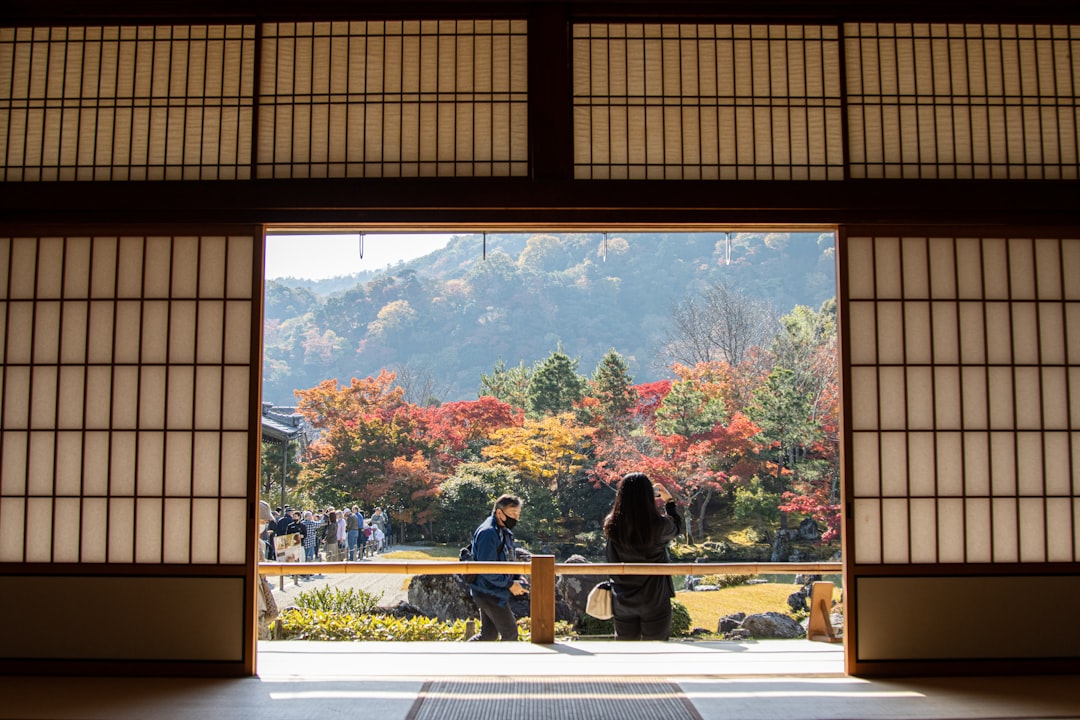
Photo by Caleb Jack on Unsplash