- Why Japanese Etiquette Matters More Than You Think
- Shoe Etiquette: The Rule That Trips Up the Most Visitors
- Dining Etiquette: How to Eat Like a Respectful Guest
- Temple and Shrine Etiquette: Showing Respect at Sacred Sites
- Public Behavior: Unspoken Rules of Japanese Streets and Transit
- Onsen Etiquette: Bathing the Japanese Way
- Business and Social Interactions: Greetings and Gift-Giving
- A Few Bonus Tips to Keep in Mind
- Conclusion: Respectful Travel Is the Best Travel
Why Japanese Etiquette Matters More Than You Think
Traveling to Japan is one of the most rewarding experiences a person can have. The food is extraordinary, the landscapes are breathtaking, and the culture runs deep with centuries of tradition. But many first-time visitors find themselves paralyzed by a single worry: What if I accidentally offend someone?
That anxiety is completely understandable. Japan has a rich set of social customs that differ significantly from Western norms, and the last thing you want is to unintentionally disrespect the very people and places you came to appreciate. The good news? Japanese people are incredibly gracious toward foreign visitors. A genuine effort to respect local customs goes a long, long way.
This guide breaks down the most important Japanese etiquette rules in a practical, easy-to-follow format — so you can spend less time worrying and more time enjoying your trip.
Shoe Etiquette: The Rule That Trips Up the Most Visitors
Perhaps no single etiquette rule catches foreign visitors off guard more than Japan’s strict customs around footwear. In Japan, the boundary between inside and outside is treated with great care, and shoes play a central role in maintaining that boundary.
When and Where to Remove Your Shoes
You are expected to remove your shoes when entering:
- Private homes and many traditional guesthouses (ryokan)
- Many traditional restaurants, especially those with tatami seating
- Some temples and shrines
- Certain traditional cultural facilities
The signal is almost always a small entryway area called the genkan — a slightly lowered space just inside the door where shoes are left. When you see this step up into the main floor, that is your cue to remove your footwear. Slippers are often provided for indoor use, but those slippers are typically removed again before stepping onto tatami mat flooring.
Practical Tips for Shoe Etiquette
Wear shoes that are easy to slip on and off — you may be doing this multiple times a day. Make sure your socks are clean and hole-free (this one matters more than you might expect). When you remove your shoes, try to turn them neatly so the toes face the door. It is a small gesture that shows awareness and consideration.
Dining Etiquette: How to Eat Like a Respectful Guest
Japanese food culture is deeply intertwined with social ritual. Mealtimes carry a certain ceremony to them, and knowing a few key rules will make your dining experiences significantly more enjoyable — and respectful.
Chopstick Rules You Must Know
Chopsticks are the source of several serious etiquette violations that visitors accidentally commit. The most important rules:
- Never stick chopsticks upright in a bowl of rice. This resembles a funeral ritual and is considered deeply offensive.
- Never pass food directly from chopstick to chopstick. This also mirrors a funeral custom and should be avoided.
- Do not spear food with your chopsticks or use them to point at people or objects.
- When not in use, rest your chopsticks on the chopstick rest (hashioki) provided, or lay them across the rim of your bowl.
Before and After the Meal
Before eating, it is customary to say “Itadakimasu” — a humble expression of gratitude for the meal. At the end of the meal, say “Gochisousama deshita” to thank the cook or restaurant. These two phrases alone will earn you enormous goodwill from Japanese hosts.
Slurping noodles is not only acceptable in Japan — it is often considered a sign that you are enjoying your food. Do not feel self-conscious about it at ramen or soba restaurants.
Paying the Bill
In Japan, the bill is typically paid at the register rather than at the table. Splitting the bill is common among friends. When handing over money, use the small tray provided at most counters rather than placing money directly in the cashier’s hand.

Temple and Shrine Etiquette: Showing Respect at Sacred Sites
Japan’s temples and shrines are among the most visited attractions in the country, and they are also active places of worship. Understanding how to behave respectfully at these sites will enrich your experience and demonstrate genuine cultural awareness.
Entering a Shinto Shrine
When passing through the torii gate at the entrance of a shrine, it is customary to bow slightly as a sign of respect. Walk to the side of the path rather than down the center, as the center is considered the path of the deity.
Before approaching the main hall, use the stone water basin (temizuya or chozuya) to purify your hands:
- Take the ladle with your right hand and pour water over your left hand.
- Take the ladle in your left hand and pour water over your right hand.
- Pour water into your cupped left hand and rinse your mouth (though many visitors skip this step).
- Rinse your left hand again, then hold the ladle upright to let remaining water run down the handle to clean it.
At the main hall, the standard practice is to toss a coin into the offering box, bow twice deeply, clap twice, say a silent prayer, then bow once more.
Visiting Buddhist Temples
Buddhist temples have their own customs. Incense is often burned, and you may wave the smoke toward yourself — it is believed to have healing properties. Photography is welcome in many outdoor areas but strictly prohibited inside certain halls. Always look for posted signs before raising your camera.
Public Behavior: Unspoken Rules of Japanese Streets and Transit
Japan’s public spaces are famously clean, quiet, and orderly. Much of this is maintained through a shared, unspoken social contract that visitors should make every effort to respect.
On Trains and Subways
The Japanese train system is efficient and punctual, but it comes with important behavioral expectations:
- Keep your phone on silent and avoid taking phone calls in train carriages.
- Do not eat on local trains (long-distance bullet trains are an exception).
- Give up priority seats to elderly, disabled, or pregnant passengers.
- Keep your voice low — loud conversations are considered inconsiderate.
- Form orderly queues on the marked lines on the platform and board only after passengers have exited.
On the Streets
Eating and drinking while walking is generally considered bad manners in Japan, though it is more accepted near market stalls and food festivals. If you buy street food, find a place to stand and eat before moving on.
Smoking is heavily regulated in Japan. Many cities restrict smoking to designated areas, and smoking while walking is often prohibited. Look for official smoking zones if needed.
Littering is essentially unheard of in Japan, which is impressive considering public trash cans are relatively rare. Carry a small bag to collect your waste until you find an appropriate bin.

Onsen Etiquette: Bathing the Japanese Way
Visiting a traditional hot spring bath (onsen) is one of Japan’s most beloved cultural experiences. However, the onsen comes with some of the most specific etiquette rules you will encounter — and breaking them can cause real discomfort for other bathers.
Before You Enter the Water
This is the rule visitors most commonly miss: you must wash your body thoroughly before entering the communal bath. Each onsen facility provides shower stations along the wall. Sit on the stool provided, use the soap and shampoo, and rinse completely before stepping into the shared water. The onsen itself is for soaking, not cleaning.
Tattoo Policies
Many traditional onsen facilities prohibit guests with tattoos, as tattoos have historically been associated with organized crime in Japan. This policy is gradually becoming more relaxed, particularly in tourist-heavy areas, but it is wise to check in advance. Some facilities offer private baths that can be booked by groups, which may be an option for tattooed visitors.
General Onsen Rules
- Enter the bath naked — swimwear is not permitted in most traditional onsen.
- Keep your small towel out of the water. Many guests fold it and place it on their head.
- Speak quietly and move calmly. The onsen is a place of relaxation.
- Do not submerge your head.
- Shower again after using the onsen before drying off.
Business and Social Interactions: Greetings and Gift-Giving
Even if you are visiting purely as a tourist, you are likely to interact with local residents, guesthouse owners, and shopkeepers. A basic understanding of Japanese social customs will make these interactions warmer and more memorable.
Bowing
Bowing is the cornerstone of Japanese greeting culture. As a foreign visitor, you are not expected to master the art of bowing — but making the effort to bow slightly when greeting someone or expressing thanks will be genuinely appreciated. A small nod of the head is perfectly acceptable in casual situations. Deeper bows signal greater respect or gratitude.
Gift-Giving
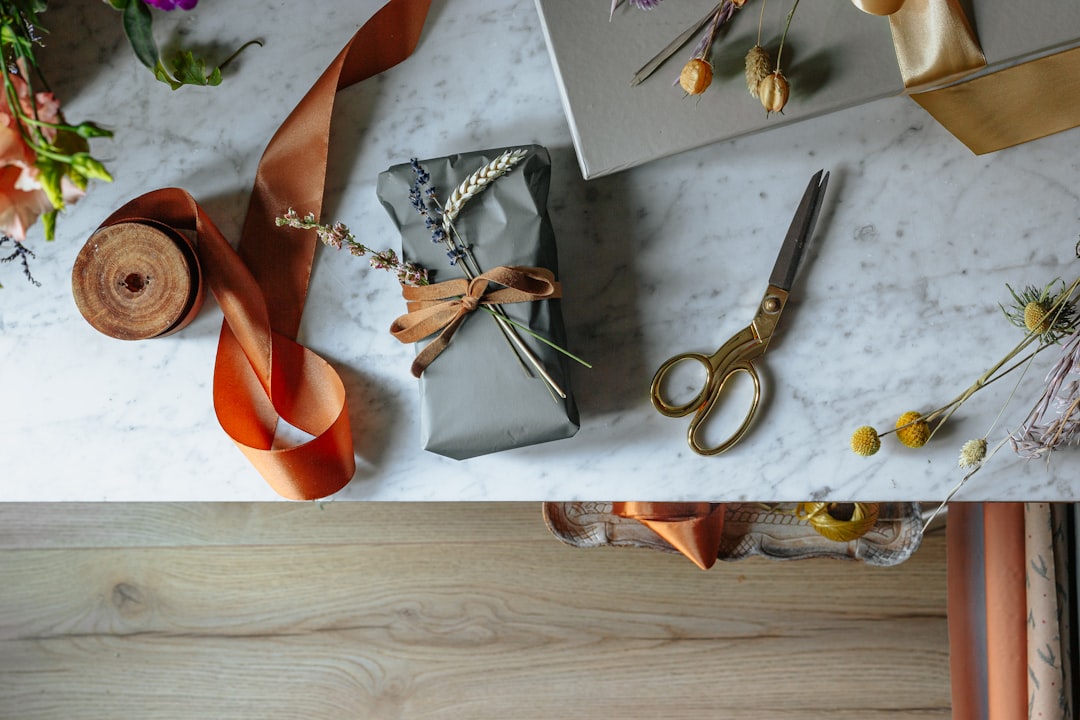
Bringing gifts (omiyage) is a deeply embedded social custom in Japan. If you are staying with a Japanese family or visiting someone’s home, bringing a small gift — particularly regional food or sweets from your home country — is a thoughtful gesture. Gifts are typically not opened in front of the giver, so do not be surprised if your host sets it aside.
Present and receive gifts with both hands as a sign of respect.
Business Cards
If you are in Japan for business, treat business cards (meishi) with great reverence. Receive a card with both hands, take a moment to read it carefully, and never write on it or shove it into your back pocket. Carry a card holder to store received cards respectfully.
A Few Bonus Tips to Keep in Mind
Beyond the major categories above, here are a few smaller rules that are easy to overlook but worth knowing:
- Tipping is not customary in Japan — and in some cases it can actually cause embarrassment or offense. Exceptional service is simply the standard.
- Avoid blowing your nose in public. If you need to, step away and do so discreetly. Sniffling is generally preferred in public settings.
- Escalator etiquette varies by region. In Tokyo, stand on the left and leave the right side open for those walking. In Osaka, it is the opposite. Observe what locals do when you arrive.
- Do not touch items in stores unnecessarily. While browsing is fine, handling merchandise carelessly is frowned upon.
- Learn a few basic Japanese phrases. Even simple words like sumimasen (excuse me/sorry) and arigatou gozaimasu (thank you very much) signal genuine respect and will be met with warmth.
Conclusion: Respectful Travel Is the Best Travel
Japanese etiquette can feel like a lot to take in at once, but the underlying principle is simple: be considerate of the people and spaces around you. Most of these customs are rooted in a deep cultural appreciation for harmony, cleanliness, and mutual respect — values that are genuinely admirable and worth embracing, even temporarily.
You will not get everything right on your first visit, and that is perfectly okay. Japanese people are among the most patient and welcoming hosts in the world when they see that a visitor is making a sincere effort. The key is awareness and intention.
Carry this guide with you, observe how locals behave, and approach each new situation with curiosity rather than anxiety. Do that, and your experience in Japan will be richer, more connected, and far more memorable than any checklist could promise.
Japan rewards those who take the time to understand it — and that journey begins with something as simple as taking off your shoes at the door.
Photo by Thanos Pal on Unsplash