- Why Gift-Giving Is So Much More Than a Simple Exchange in Japan
- The Deep Cultural Roots of Gift-Giving in Japan
- Omiyage: The Art of the Travel Souvenir
- Understanding the Key Gift-Giving Occasions
- The Rules of Giving: How to Present a Gift Properly
- What NOT to Give: Gifts to Avoid
- Okaeshi: The Beautiful Obligation to Give Back
- Cash as a Gift: The Noshi-Bukuro Envelope
- Gift-Giving as a Foreigner: What You Need to Know
- Quick Reference: Practical Gift-Giving Tips for Visitors
- Your Next Steps: Start Gifting the Japanese Way
Why Gift-Giving Is So Much More Than a Simple Exchange in Japan
You’ve just been invited to a Japanese colleague’s home for dinner. You want to bring something thoughtful, but you’re not sure what to buy, how to wrap it, or even how to hand it over. Sound familiar? Gift-giving in Japan — known as zotozai or more commonly understood through the words omiyage and okaeshi — is a beautifully layered social art form. It communicates respect, gratitude, and connection far more powerfully than words alone.
For foreigners visiting or living in Japan, understanding these customs can transform your interactions from awkward to genuinely heartwarming. This guide breaks down everything you need to know so you can give and receive gifts the Japanese way — with grace, confidence, and cultural awareness.
The Deep Cultural Roots of Gift-Giving in Japan
Japanese gift-giving is rooted in the concept of wa (harmony) and the importance of maintaining strong social bonds. Gifts are not simply material objects — they are physical expressions of your feelings, your appreciation, and your acknowledgment of someone’s place in your life.
Two seasonal gift-giving traditions anchor the Japanese calendar. Ochugen takes place in midsummer, typically around July, while Oseibo happens in December. Both are dedicated times for expressing gratitude to superiors, mentors, business partners, and anyone who has helped or supported you. Department stores across Japan set up elaborate gift sections during these periods, and entire floors are dedicated to beautifully packaged food, drinks, and household goods.
Beyond these seasonal events, gifts are expected in many everyday situations: returning from a trip, visiting someone’s home for the first time, celebrating a wedding or birth, and even attending a funeral. Each occasion carries its own specific rules about what to give, how to present it, and what to avoid.
Omiyage: The Art of the Travel Souvenir
If there’s one gift-giving custom you’ll encounter almost immediately in Japan, it’s omiyage. This word is often translated as “souvenir,” but that doesn’t quite capture its true meaning. Omiyage is the deeply ingrained social duty to bring back local food gifts for your colleagues, family, and friends whenever you travel — even just for a weekend.
Every train station, airport, and tourist destination in Japan is stocked with beautifully packaged omiyage — individually wrapped sweets, regional snacks, and local delicacies, all designed to be shared. The individual wrapping is key: each piece can be handed out separately, making it easy to distribute among a group at the office or around the family table.
If you’re traveling through Japan, picking up regional omiyage is a fantastic way to connect authentically with locals. Bring some Kyoto matcha sweets to your guesthouse host, or share some Hokkaido cheese crackers with fellow travelers in a hostel common room. You’ll be rewarded with enormous smiles.
Understanding the Key Gift-Giving Occasions
| Occasion | Japanese Term | Typical Gift |
|---|---|---|
| Midsummer gratitude season | Ochugen | Food, drinks, household goods |
| Year-end gratitude season | Oseibo | Premium food, alcohol, gift sets |
| Travel souvenir | Omiyage | Locally wrapped sweets and snacks |
| Wedding gift | Oiwai | Cash in a decorative envelope |
| Return gift after receiving | Okaeshi | Half the value of the original gift |
| Visiting someone’s home | Temiyage | Sweets, flowers, wine |
| Get-well gift | Omimai | Fruit, flowers (avoid potted plants) |
The Rules of Giving: How to Present a Gift Properly
Use Both Hands
Always present a gift using both hands with a slight bow. This applies equally when receiving a gift. Handing something over with one hand, especially your left hand, can come across as dismissive or rude. The two-handed gesture signals sincerity and respect — it’s one of the most important physical expressions of courtesy in Japanese culture.
Wrapping Matters Enormously
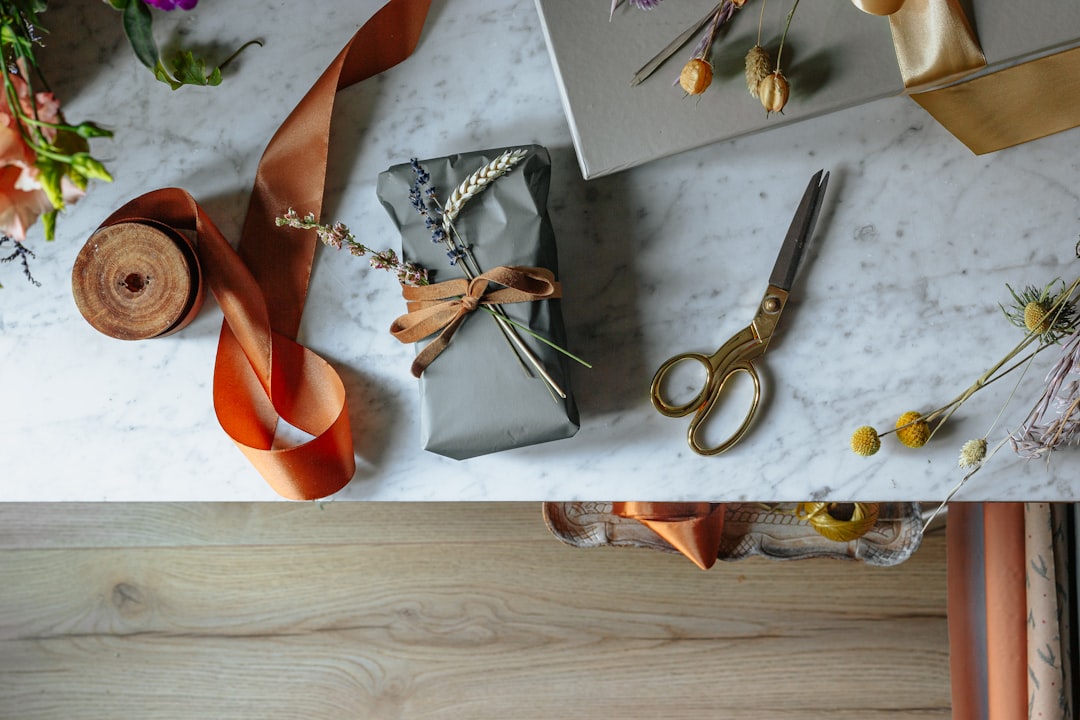
In Japan, presentation is everything. A beautifully wrapped gift communicates effort, care, and respect for the recipient. Plain or careless wrapping sends the opposite message. Department stores in Japan offer exceptional gift-wrapping services, often at no extra cost, and they follow specific folding techniques that are considered culturally appropriate. If you’re buying a gift abroad to bring to Japan, investing in good wrapping paper and taking care with your presentation will make a noticeable difference.
Traditional Japanese wrapping cloth called furoshiki is a wonderful option. These reusable fabric squares come in stunning patterns and are an eco-friendly, elegant way to wrap almost any gift. Giving a gift wrapped in furoshiki is itself considered a thoughtful gesture, as the cloth becomes an additional present.
Modest Language When Giving
Japanese gift-giving etiquette includes a ritualized verbal exchange. When presenting your gift, it’s customary to say something humble like “Tsumaranai mono desu ga…” which roughly translates to “This is a trivial thing, but…” Despite how it sounds in English, this phrase is not self-deprecating in a negative way — it’s a gracious expression of humility that elevates the social exchange. The recipient typically responds with appreciation before setting the gift aside.
Don’t Open Gifts Immediately
This is one of the most surprising differences for Western visitors. In Japan, it is generally considered polite to not open a gift in front of the giver. Opening a gift immediately can be seen as overly eager or even greedy. The giver often places the wrapped gift aside to be appreciated privately later. There are exceptions to this — particularly in casual or younger social circles — but when in doubt, follow the traditional approach and wait.
What NOT to Give: Gifts to Avoid
Japanese gift culture has some very specific taboos, and understanding them can save you from an embarrassing mistake. The following items are considered inappropriate or even offensive in certain contexts.
| Gift to Avoid | Reason |
|---|---|
| Sets of 4 or 9 items | Numbers 4 (shi) and 9 (ku) sound like the words for “death” and “suffering” |
| White flowers (chrysanthemums) | Associated with funerals and mourning |
| Potted plants (for ill people) | “Taking root” implies a long illness or not recovering |
| Cutting tools (scissors, knives) | Symbolize cutting ties or the end of a relationship |
| Handkerchiefs | Associated with funerals and grief |
| Shoes or footwear (to superiors) | Can imply stepping on or beneath the recipient |
| Cash in plain envelopes | Always use a proper noshi-bukuro (gift envelope) with correct knot style |
Okaeshi: The Beautiful Obligation to Give Back
One of the most uniquely Japanese elements of gift culture is okaeshi — the return gift. When someone gives you a gift for a significant occasion such as a wedding, birth, or recovery from illness, it is expected that you will give back a gift worth roughly half the value of the original. This is not considered rude or minimizing — it’s a gracious acknowledgment of the exchange and a way of ensuring no one feels overly indebted.
Typical okaeshi gifts include consumable items like sweets, tea, coffee, or small household goods. The logic behind choosing consumable gifts is practical and thoughtful: they are used up and don’t create clutter or long-term obligation. This principle of giving consumables is actually a good general rule for any Japanese gift-giving situation.
Cash as a Gift: The Noshi-Bukuro Envelope
Giving cash is entirely acceptable and even preferred for major life events like weddings, funerals, and coming-of-age celebrations in Japan. However, how you present the cash is critical. Money must always be placed inside a noshi-bukuro, a special decorative Japanese envelope with intricate paper knot decorations called mizuhiki.
Different knot styles carry different meanings. A musubi-kiri knot (a knot that cannot be undone easily) is used for weddings and get-well gifts — the idea being that these events should not be repeated. A cho-musubi knot (which can be tied and untied easily) is used for celebrations like births and graduations — events you’d happily celebrate again. You can purchase ready-made noshi-bukuro in any convenience store or stationery shop in Japan, and the packaging usually indicates which occasion each envelope is designed for.
Gift-Giving as a Foreigner: What You Need to Know
The good news for international visitors is that Japanese people are genuinely understanding and appreciative when foreigners make the effort to engage with local customs — even imperfectly. A heartfelt attempt will always be valued over doing nothing.
If you’re visiting a Japanese friend’s home, bringing a small gift from your home country is a wonderful gesture. Chocolates, biscuits, teas, or artisan foods from your region make excellent choices. The fact that the gift comes from your homeland adds a layer of meaning and curiosity that any Japanese host will appreciate.
If you’re nervous about etiquette, remember these three fundamentals: present with both hands, wrap it nicely, and say something humble when you give it. Even just saying “It’s a small thing, but I hope you enjoy it” in English will communicate the right spirit.
Quick Reference: Practical Gift-Giving Tips for Visitors
| Situation | What to Do | What to Avoid |
|---|---|---|
| Visiting a Japanese home | Bring sweets, fruit, or a small gift from your home country | Don’t arrive empty-handed |
| Receiving a gift | Accept with both hands, bow slightly, set aside to open later | Don’t tear it open immediately in front of the giver |
| Returning from a trip | Pick up regionally wrapped sweets to share with hosts or colleagues | Don’t forget omiyage if you’ve told people you were traveling |
| Attending a wedding | Use a proper noshi-bukuro with a musubi-kiri knot for cash | Don’t give sets of four items or cutting tools |
| Giving a gift | Wrap it beautifully, present with both hands, speak humbly | Don’t give in plain bags with no wrapping effort |
Your Next Steps: Start Gifting the Japanese Way
Japanese gift-giving can feel overwhelming at first, but once you understand the core values behind it — respect, humility, and the nurturing of relationships — the customs start to make beautiful, intuitive sense. You’re not just handing over an object. You’re saying: “I see you, I appreciate you, and I value our connection.”
Here are your actionable steps to take right now:
- Before your trip: Pack a small selection of beautifully packaged foods or gifts from your home country to give to hosts, guides, or new friends you meet in Japan.
- At train stations and airports: Browse the omiyage sections and pick up locally wrapped sweets to share. Look for items with individual inner wrapping — these are designed for easy distribution.
- When visiting a home: Stop at a convenience store or department store to pick up a small gift. Even a nicely packaged box of cookies works perfectly.
- Practice the phrase: Learn to say “Tsumaranai mono desu ga” (tsu-ma-ra-nai mo-no-des-ga) — your Japanese hosts will be genuinely touched that you know it.
- Always use both hands: Whether giving or receiving any object in Japan — not just gifts — the two-handed gesture is universally respected and appreciated.
Gift-giving in Japan is one of those cultural practices that, once you experience it firsthand, you may find yourself wanting to bring home. There’s something deeply satisfying about slowing down, putting real thought into a gift, and presenting it with care and humility. Japan has refined this art over centuries — and as a visitor, you’re warmly invited to be a part of it.
Photo by micheile henderson on Unsplash