How to Look at a Japanese Garden: A Quiet Skill Worth Learning
A common experience: a traveler enters a celebrated garden, walks the path in ten minutes, takes a photograph of the pond, and leaves faintly puzzled about what the fuss was about. The garden did nothing wrong. It simply assumed a kind of looking that nobody had explained.
Japanese gardens are built to be read slowly, like a scroll unrolled a section at a time. Once you know what they are doing, the same ten minutes become an hour you do not notice passing.
The Point
Learn the three main garden types (strolling, dry landscape, tea garden), find the viewpoints the designer prepared for you, and slow your pace to half of normal. A Japanese garden is less a display than a sequence of framed scenes; your job is to stand where the frames are.
Three Kinds of Garden, Three Ways of Looking
The strolling garden (kaiyushiki teien) is built around a pond and a circuit path. The path is the point: as you walk, the garden composes and recomposes itself, hiding a bridge here, revealing an island there. Famous landscape gardens such as Kenrokuzen in Kanazawa or Korakuen in Okayama work this way. Walk the full circuit; the garden is a film, not a poster.
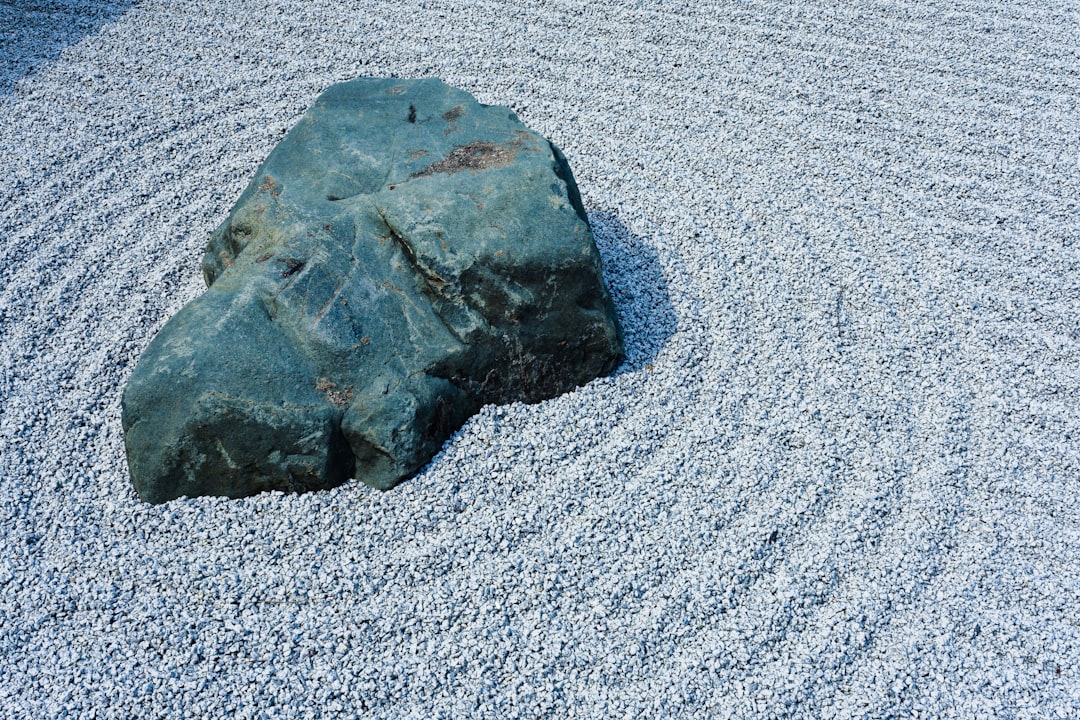
The dry landscape garden (karesansui) replaces water with raked gravel and stone, and is viewed seated, usually from a temple veranda. It does not circulate; it concentrates. Sit, settle, and let the arrangement work on you.
Strolling garden
Move through it. The path reveals scenes in sequence, and the view changes with every turn.
Dry landscape garden
Sit before it. Nothing moves but your attention, and that is the design.
The third type, the tea garden (roji), is a short approach path to a tea room: stepping stones, a water basin, a gate. It is small and easily overlooked, but it shows how much meaning a few meters of moss can carry. The stepping stones are deliberately irregular, which forces you to watch your feet and arrive at the tea room with your mind already quieted. The garden is doing to your attention what the tea will do to your afternoon.
Borrowed Scenery: The Garden Beyond the Wall
Many gardens use a technique called shakkei, borrowed scenery, in which a distant mountain or forest outside the garden is incorporated into the composition. The garden wall hides the middle distance, and the far landscape appears to belong to the garden itself.
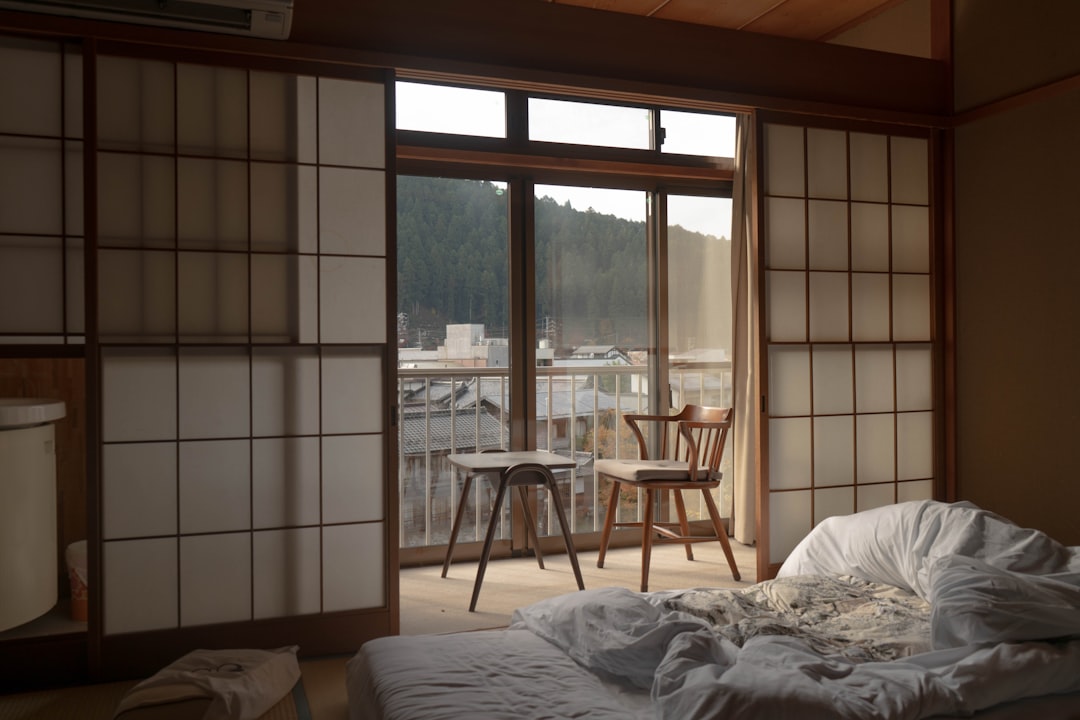
Once you know to look for it, you will find designed sightlines everywhere: a window cut to frame one maple, a hedge trimmed to lift a hilltop into view. When a view feels strangely complete, stop. You are probably standing exactly where the designer wanted you.
This is also why photographs from gardens so often disappoint. The camera flattens a composition that was built in layers: near moss, middle water, far mountain. Take the photograph, by all means, but spend a moment with the layered original first. The picture will remind you of it; it cannot replace it.
How to Walk a Garden Slowly
I learned my own lesson about pace in Kyoto, on a trip I deliberately took outside the autumn-foliage season. The famous gardens were nearly empty, and with no crowd setting the tempo, I found myself stopping at corners I would otherwise have walked past: a basin with a single leaf in it, moss climbing the north side of a stone.
The off-season taught me that the gardens had always offered this; the crowds and my own hurry had declined it. As a practical rule, halve your walking speed and stop at every turn in the path. Turns are where designers place their reveals.
If a veranda invites sitting, sit for ten minutes, not two. The first two minutes you see the garden. After that, you start to see the day moving through it.
Seasons, Hours, and Quiet Corners
Every garden has a famous season, and that season has famous crowds. The quieter truth is that gardens are composed to hold interest all year: pine and stone in winter, new green in early summer, water and shadow in August. The off-peak months are not a compromise; they are often the better viewing.
Hours favor the early visitor. Arrive when the gates open and you may have the first scenes to yourself. Paid gardens and temple gardens keep their own schedules and may close for weather or events, so confirm times on the official site before you go. Each cultural and religious site has its own customs and rules; when visiting, please follow the local etiquette.
Travel often rewards what unfolds in the moment more than what was planned. This article is for reference; please make your final decisions based on current conditions and the season.
A Quiet Summary
- Identify the garden type first: strolling gardens are walked, dry landscape gardens are sat before, tea gardens are passed through attentively.
- Look for borrowed scenery and framed sightlines; when a view feels complete, you have found a designed viewpoint.
- Halve your pace, stop at every turn, and favor early hours and off-peak seasons.
A garden cannot be rushed into meaning anything. Give it the hour, and it gives back a way of looking you will carry to every window afterward. That trade has always seemed fair to me.
This article is based on information as of 2026-06-14. Temple and shrine hours, as well as event schedules, may change. Please check the official websites before visiting.
Edited by Shimaken
Photo by Bryan White on Unsplash