- Why Every Visitor to Japan Should Know About the Samurai
- The Birth of the Samurai Class
- The Golden Age of Samurai Power
- The Philosophy Behind the Sword
- Samurai Arts and Culture
- The Age of Civil War
- Peace and the Transformation of the Samurai
- The End of an Era
- The Samurai Legacy in Japan
- Understanding Samurai Influence in Japan
- Practical Tips for Exploring Samurai History
- Key Takeaways for the Thoughtful Traveler
Why Every Visitor to Japan Should Know About the Samurai
Walk through any Japanese city, and you’ll encounter the samurai’s enduring presence everywhere. From the towering castles that once housed these legendary warriors to the countless museums, shrines, and cultural experiences dedicated to their memory, the samurai remain deeply woven into Japan’s cultural fabric. Understanding their history transforms your journey from simple sightseeing into a meaningful exploration of what shaped Japan into the nation you see around you.
The samurai weren’t just warriors – they were architects of Japanese society, philosophy, and art. Their influence extends far beyond the battlefield, touching everything from business ethics to martial arts, from garden design to the concept of honor that still permeates Japanese culture. When you visit a traditional ryokan, admire a perfectly manicured garden, or witness the meticulous attention to detail in Japanese craftsmanship, you’re experiencing the samurai legacy firsthand.
This guide will take you through the essential story of the samurai, helping you understand the historical context behind the sites you’ll visit and the cultural experiences you’ll encounter throughout Japan.
The Birth of the Samurai Class
From Farmers to Warriors
The samurai emerged during Japan’s Heian period (794-1185) as provincial landowners who needed protection from bandits and rival clans. Initially, these were simply armed farmers and local strongmen who gradually developed into a distinct warrior class. The word “samurai” comes from the Japanese verb “saburau,” meaning “to serve,” reflecting their original role as servants to the aristocracy.
As Japan’s central government weakened, these warrior-landowners gained increasing autonomy and power. They developed sophisticated military tactics, particularly in mounted archery, and began forming complex networks of loyalty and obligation that would define Japanese society for centuries to come.
The Rise of Warrior Clans
Two powerful clans emerged as the dominant samurai forces: the Minamoto (also known as Genji) and the Taira (also known as Heike). Their rivalry culminated in the Genpei War (1180-1185), a conflict so significant that it’s still commemorated in festivals, literature, and historical sites you can visit throughout Japan.
When you explore places like Kamakura, you’re walking through the birthplace of samurai political power. The famous Great Buddha of Kamakura and the numerous temples in the area were built during this transformative period when warriors first took control of Japan’s government.
The Golden Age of Samurai Power
Military Government Takes Hold
The establishment of the Kamakura shogunate marked the beginning of nearly 700 years of samurai rule in Japan. This wasn’t just a change in leadership – it was a complete transformation of Japanese society. The emperor remained as a symbolic figurehead, but real power rested with the shogun and his network of samurai vassals.
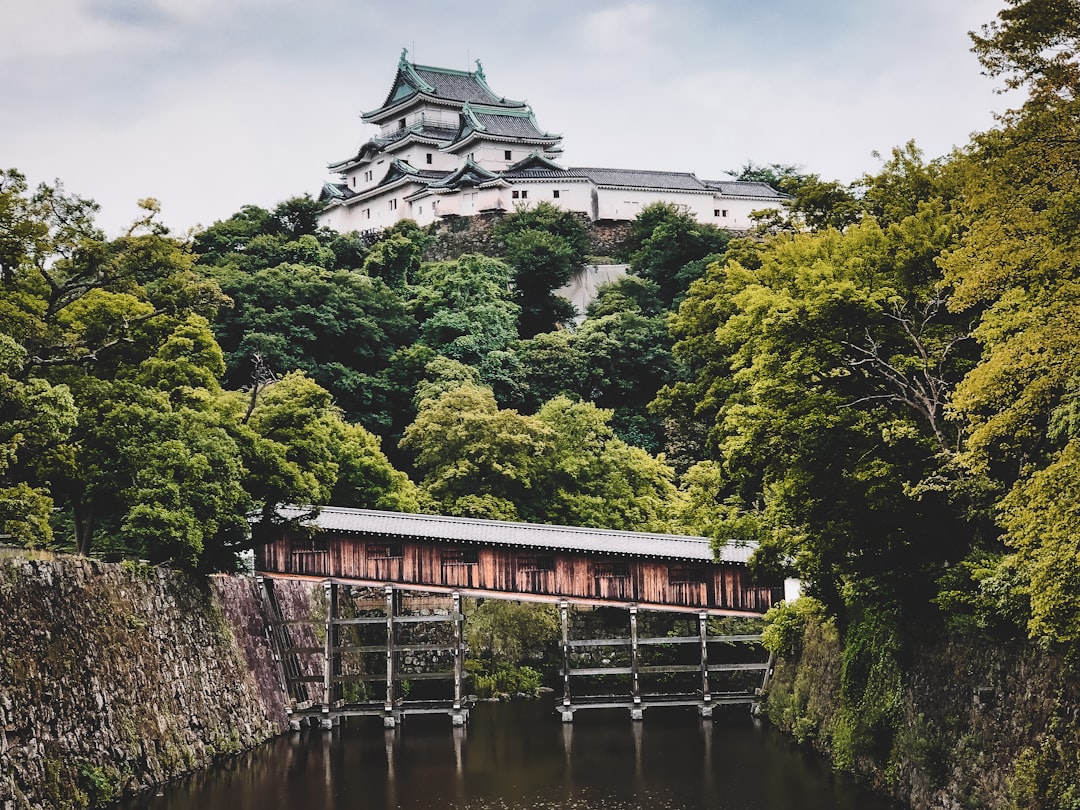
This feudal system created the Japan you’ll recognize from countless movies and books. Regional lords (daimyo) controlled vast territories from impressive castles, while their samurai retainers lived by strict codes of honor and loyalty. Many of these castles still stand, offering visitors a tangible connection to this era of samurai dominance.
The Warrior’s Way of Life
Samurai society was built on a complex hierarchy of relationships and obligations. At the top sat the shogun, followed by the daimyo, then various ranks of samurai, and finally the common people – farmers, artisans, and merchants. This rigid social structure influenced everything from architecture to art, and you can still see its effects in Japanese society.
The samurai developed distinctive cultural practices that went far beyond warfare. They became patrons of the arts, practitioners of tea ceremony, and scholars of literature and philosophy. This warrior-scholar ideal created a unique culture that valued both martial prowess and refined artistic sensibility.
| Samurai Rank | Typical Role | Examples You Can Visit | Annual Stipend (Rice) |
|---|---|---|---|
| Daimyo | Regional lords | Himeji Castle, Matsumoto Castle | 10,000+ koku |
| Hatamoto | Direct shogun retainers | Edo Castle grounds, Imperial Palace | 500-9,999 koku |
| Gokenin | Lower-ranking vassals | Local shrines and temples | 100-499 koku |
| Ashigaru | Foot soldiers | Castle town districts | 50-99 koku |
The Philosophy Behind the Sword
Bushido: The Way of the Warrior
Bushido, often translated as “the way of the warrior,” represents the ethical code that governed samurai behavior. This wasn’t a single written document but rather a collection of principles that evolved over centuries, drawing from Shintoism, Buddhism, and Confucianism.
The core virtues of bushido included rectitude (gi), courage (yu), benevolence (jin), respect (rei), honesty (makoto), honor (meiyo), and loyalty (chugi). These principles shaped not just how samurai fought, but how they lived, died, and related to others in society.
When you visit samurai-related sites in Japan, you’ll encounter these concepts repeatedly. The careful attention to detail in castle gardens reflects the virtue of respect. The willingness to commit seppuku (ritual suicide) rather than face dishonor demonstrates the ultimate expression of loyalty and honor.
Zen Buddhism and the Samurai Mind
Zen Buddhism profoundly influenced samurai culture, offering a philosophical framework for facing death and finding clarity in combat. Many samurai became serious practitioners of Zen meditation, and numerous temples throughout Japan still preserve this warrior-monk tradition.
The famous rock garden at Ryoan-ji in Kyoto, for example, embodies the Zen aesthetic that appealed to samurai sensibilities. Its stark simplicity and contemplative atmosphere provided a counterbalance to the violence and complexity of warrior life.
Samurai Arts and Culture
Beyond the Battlefield
The samurai weren’t just warriors – they were also poets, artists, and cultural innovators. The tea ceremony, flower arrangement (ikebana), and many forms of traditional Japanese art flourished under samurai patronage. This cultural sophistication became as important as martial skill in defining what it meant to be samurai.
Many samurai excelled in multiple artistic disciplines. They wrote poetry, painted landscapes, crafted exquisite swords, and designed gardens that are still considered masterpieces. This integration of martial and artistic pursuits created a unique aesthetic that continues to define Japanese culture.
The Art of War
Samurai weaponry and armor evolved into art forms in their own right. Japanese swordsmiths developed techniques that produced blades of legendary sharpness and beauty. The katana became more than just a weapon – it was considered the soul of the samurai.
You can see examples of this masterful craftsmanship in museums throughout Japan. The Ames Foundation in Tokyo and the Sword Museum display collections that demonstrate how functional warfare equipment became sublime works of art.
| Weapon/Equipment | Primary Use | Cultural Significance | Where to See Examples |
|---|---|---|---|
| Katana | Close combat | Soul of the samurai | Tokyo National Museum |
| Yumi (longbow) | Mounted archery | Noble warfare | Kyoto National Museum |
| Naginata | Polearm combat | Women’s weapon | Various castle museums |
| Armor (yoroi) | Protection | Artistic expression | Ames Foundation |
The Age of Civil War
When Samurai Fought Samurai
The Sengoku period (1467-1615), known as the Age of Warring States, represents both the pinnacle and the beginning of the end of classical samurai warfare. During this chaotic era, constant warfare pushed military innovation to new heights while gradually undermining the traditional samurai way of life.
This period produced some of Japan’s most famous historical figures: Oda Nobunaga, Toyotomi Hideyoshi, and Tokugawa Ieyasu. Their struggles for national unification transformed Japan and created many of the historical sites that draw millions of visitors each year.
Battlefields from this era, like Sekigahara, remain pilgrimage sites for history enthusiasts. The strategies, betrayals, and heroic last stands of this period have inspired countless works of art, literature, and entertainment that continue to captivate audiences worldwide.
The Rise of Firearms
The introduction of European firearms in the mid-16th century revolutionized Japanese warfare. Progressive daimyo like Oda Nobunaga quickly adopted these new weapons, using them to devastating effect against traditionalist forces that relied on conventional samurai tactics.
This technological shift fundamentally altered the nature of combat in Japan. Large formations of ashigaru (foot soldiers) armed with arquebuses could defeat elite samurai cavalry, democratizing warfare and beginning the gradual decline of the samurai’s military monopoly.
Peace and the Transformation of the Samurai
The Tokugawa Peace
When Tokugawa Ieyasu finally unified Japan and established his shogunate in Edo (modern Tokyo), he created a peace that would last over 250 years. This Pax Tokugawa fundamentally transformed samurai society from active warriors into bureaucratic administrators.
During this long peace, samurai had to find new purposes beyond warfare. They became scholars, teachers, artists, and government officials. The samurai class developed elaborate codes of etiquette and ceremony that filled the void left by the absence of actual combat.
Many of the “traditional” Japanese customs that visitors encounter – from formal tea ceremonies to precise garden design – were refined and codified during this peaceful era when samurai had time to perfect these cultural arts.
Urban Samurai Culture
The Tokugawa requirement that daimyo maintain residences in Edo created a massive samurai population in the capital. This urban concentration led to new forms of samurai culture, from the pleasure quarters of Yoshiwara to the development of kabuki theater.
The neighborhoods where samurai lived in Edo became distinct cultural districts. When you walk through areas like Yanaka or parts of Ueno in Tokyo, you’re following paths once traveled by countless samurai going about their daily business in the peaceful capital.
The End of an Era
Foreign Pressure and Internal Crisis
The arrival of Commodore Perry’s “Black Ships” in 1853 shattered Japan’s isolation and exposed the weakness of the Tokugawa system. The subsequent political crisis revealed deep divisions within samurai society between those who wanted to expel foreigners and those who recognized the need for modernization.
The Meiji Restoration of 1868 represented the samurai class’s final great political achievement – and the beginning of their own abolition. Samurai led the movement to overthrow the shogunate and restore imperial rule, but the new government they created had no place for a hereditary warrior class.
The Last Samurai
The Satsuma Rebellion of 1877 marked the end of the samurai as a political and military force. Led by Saigo Takamori, this final uprising pitted sword-wielding traditionalists against the new imperial army equipped with guns and artillery. The defeat of the rebels symbolically ended the age of the samurai.
You can visit the sites of these final battles in Kagoshima, where monuments and museums preserve the memory of this dramatic conclusion to samurai history. The story of these “last samurai” continues to fascinate visitors from around the world.
The Samurai Legacy in Japan
Cultural Preservation
Though the samurai class disappeared, their cultural influence remained deeply embedded in Japanese society. The emphasis on loyalty, hierarchy, and group harmony that characterized samurai society became defining features of Japanese business culture and social organization.
Many traditional Japanese arts preserve samurai aesthetics and values. Martial arts like kendo, kyudo (archery), and iaido maintain direct connections to samurai training methods. Tea ceremony, flower arrangement, and traditional crafts all reflect the samurai integration of spiritual discipline with aesthetic refinement.
Sites and Experiences for Visitors
Japan offers countless opportunities to experience samurai history firsthand. From magnificent castles like Himeji and Matsumoto to intimate samurai residences in Kanazawa’s Nagamachi district, physical remnants of samurai culture are preserved throughout the country.
Many locations offer hands-on experiences where visitors can try sword fighting, archery, or even wear replica armor. These activities provide engaging ways to connect with samurai history beyond simply reading about it or viewing artifacts in museums.
| Experience Type | Recommended Locations | Typical Duration | Price Range (Yen) |
|---|---|---|---|
| Castle Tours | Himeji, Matsumoto, Kumamoto | 2-3 hours | 400-1,000 |
| Samurai Districts | Kanazawa, Takayama, Kakunodate | Half day | Free-500 |
| Sword Experience | Tokyo, Kyoto sword schools | 1-2 hours | 3,000-8,000 |
| Armor Try-on | Various castle museums | 30 minutes | 500-1,500 |
| Martial Arts Classes | Kendo dojos nationwide | 1-2 hours | 1,000-3,000 |
Understanding Samurai Influence in Japan
Business and Society
The corporate culture that visitors encounter in Japan retains many samurai-era characteristics. The emphasis on loyalty to one’s company, the importance of hierarchy and seniority, and the concept of lifetime employment all echo samurai values adapted to the business world.
The meticulous attention to quality and craftsmanship that defines Japanese products – from cars to cuisine – reflects the samurai pursuit of perfection in their chosen disciplines. This connection between historical warrior culture and contemporary Japanese excellence helps explain why quality control and continuous improvement became such defining features of Japanese industry.
Popular Culture and Global Impact
The samurai have become one of Japan’s most recognizable cultural exports. From Akira Kurosawa’s influential films to contemporary anime and manga, samurai stories continue to captivate global audiences and shape international perceptions of Japanese culture.
This popularity means that visitors to Japan often arrive with preconceptions about samurai based on entertainment media. Understanding the historical reality behind these romanticized portrayals enhances appreciation for both the authentic samurai legacy and its creative reinterpretations in popular culture.
Practical Tips for Exploring Samurai History
Planning Your Samurai Journey
To make the most of your exploration of samurai history, consider focusing on specific regions or themes rather than trying to see everything at once. The Golden Route (Tokyo-Kyoto-Osaka) offers excellent introduction to samurai sites, while regions like Tohoku and Kyushu provide deeper, less crowded experiences.
Spring and autumn offer the best weather for castle visits and historical walking tours. Many outdoor historical sites become particularly photogenic during cherry blossom season and autumn foliage, though these periods also bring the largest crowds.
Essential Preparation
Learning basic samurai terminology before your visit enhances understanding of museum displays and guided tours. Key terms like “daimyo” (feudal lord), “katana” (sword), “seppuku” (ritual suicide), and “bushido” (way of the warrior) appear frequently in historical contexts.
Many samurai-related sites offer English audio guides or printed materials, but quality varies significantly. Consider downloading relevant historical apps or bringing reference materials to supplement on-site information.
Respectful Engagement
Remember that samurai history remains culturally significant in Japan. Approach historical sites with appropriate respect, particularly at shrines and temples associated with famous warriors. Photography rules vary by location, so always check before taking pictures.
When participating in hands-on activities like sword demonstrations or martial arts experiences, follow instructions carefully and show proper respect for instructors. These activities often incorporate genuine traditional elements that deserve serious attention rather than casual treatment.
Key Takeaways for the Thoughtful Traveler
Understanding samurai history transforms your experience of Japan from surface-level sightseeing into meaningful cultural exploration. The samurai weren’t just ancient warriors – they were the architects of Japanese aesthetic sensibility, social organization, and cultural values that continue to shape the nation visitors encounter.
Their influence extends far beyond the obvious historical sites. When you experience Japanese hospitality, witness the attention to detail in Japanese craftsmanship, or observe the complex social dynamics in Japanese business culture, you’re seeing the living legacy of samurai society adapted to contemporary needs.
The samurai story is ultimately about the relationship between power, culture, and values. Their rise and fall illustrates how societies adapt to changing circumstances while preserving essential cultural elements. This dynamic continues in contemporary Japan, where ancient traditions coexist with cutting-edge innovation.
As you explore Japan, look for the subtle ways samurai influence persists in daily life. The bow of a shopkeeper, the precision of a craftsperson, the loyalty of employees to their companies – these all echo the values that once governed samurai society. Understanding this historical foundation deepens appreciation for the complex, fascinating culture that makes Japan such a compelling destination for thoughtful travelers.
Your journey through samurai history isn’t just about learning facts or visiting monuments. It’s about gaining insight into the forces that shaped one of the world’s most distinctive cultures and understanding how the past continues to influence the present in ways both obvious and subtle.
Photo by Andrea De Santis on Unsplash