- Escaping the City: Why Rural Japan Will Steal Your Heart
- Understanding Rural Japan Before You Go
- The Gassho-Zukuri Villages of Shirakawa-go and Gokayama
- The Kumano Kodo and the Villages of the Kii Peninsula
- Tsumago and Magome: The Nakasendo Post Towns
- Iya Valley: The Hidden Heart of Shikoku
- The Satoyama Villages of Noto Peninsula
- Tono: The Folklore Village of Iwate
- Biei and the Patchwork Hills of Hokkaido
- Practical Guide: Getting to and Around Rural Japan
- Where to Stay: Accommodation in Rural Japan
- Food and Drink in the Japanese Countryside
- Rural Japan by Season: What to Expect
- Essential Tips for Visiting Rural Japan
- Beyond the Famous Villages: Finding Your Own Hidden Gems
- A Final Word: Why Rural Japan Matters
Escaping the City: Why Rural Japan Will Steal Your Heart
Most first-time visitors to Japan follow a well-worn path: Tokyo, Kyoto, Osaka, and maybe a quick bullet train ride to Hiroshima. And while these iconic cities absolutely deserve their fame, they represent only a fraction of what this extraordinary country has to offer. Beyond the neon lights and crowded train platforms lies a Japan so breathtakingly beautiful, so profoundly peaceful, and so deeply authentic that many travelers who discover it end up calling it the highlight of their entire trip.
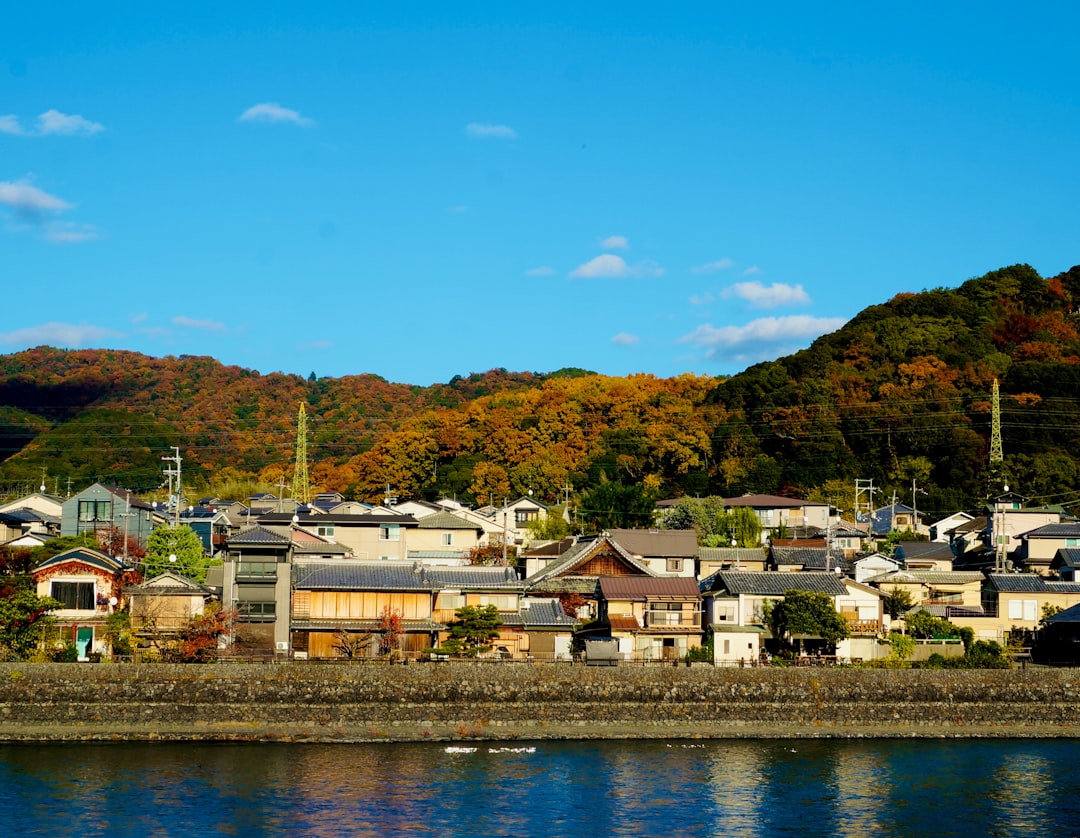
Rural Japan — known locally as inaka — is a world of thatched farmhouses nestled between misty mountains, terraced rice paddies that glow electric green in summer, ancient pilgrimage roads lined with stone lanterns, and village festivals that have continued unchanged for centuries. It is a Japan that moves at a different rhythm entirely, one where an elderly farmer might wave you into his home for green tea and pickled vegetables, where the loudest sound at night is the croaking of frogs in the paddy fields, and where the stars overhead are so numerous they genuinely take your breath away.
This guide is your invitation to step off the tourist trail and into the soul of Japan. We’ve gathered some of the most remarkable rural villages and countryside destinations in the country, giving you everything you need to plan a memorable journey into inaka Japan. Whether you have a single free day or an entire week to dedicate to countryside exploration, there is something here for you.
Understanding Rural Japan Before You Go
Before diving into specific destinations, it helps to understand a little about the character of rural Japan. The Japanese countryside is not a single uniform experience — it varies enormously by region, season, and geography. The snow-buried farmhouses of Gifu Prefecture feel worlds apart from the subtropical fishing villages of Okinawa, and the cedar-forested pilgrim trails of Wakayama seem like another planet compared to the volcanic highland plateaus of Hokkaido.
What unites these places is a shared sense of satoyama culture — the centuries-old relationship between Japanese communities and their surrounding natural landscapes. Villages were built to work with nature, not against it. Rice paddies follow the natural contours of valleys. Farmhouses were designed with thick thatched roofs to shed heavy snow. Fishing communities built their lives around tidal rhythms. Understanding this harmony between people and place will deepen your appreciation of everything you see.
It is also worth knowing that rural Japan faces real challenges. Depopulation — the gradual migration of young people to cities — has left many villages with aging populations and empty houses. Some communities have responded by welcoming tourists with extraordinary warmth, seeing visitors as a lifeline. Others have created machiya renovation projects, turning old townhouses into guesthouses and cafes. Your visit, however brief, makes a genuine difference to these communities.
The Gassho-Zukuri Villages of Shirakawa-go and Gokayama
Where Fairytale Farmhouses Meet Mountain Silence
If there is one rural Japanese destination that consistently reduces visitors to open-mouthed wonder, it is the UNESCO World Heritage villages of Shirakawa-go in Gifu Prefecture and Gokayama in Toyama Prefecture. Tucked into one of Japan’s snowiest mountain valleys, these villages are home to extraordinary traditional farmhouses called gassho-zukuri — a name that translates beautifully as “hands in prayer,” describing the steep triangular rooflines that soar upward like the clasped palms of a monk.
These remarkable roofs, layered with thick bundles of miscanthus grass, were engineered over centuries to withstand the crushing weight of winter snows that can pile several meters deep. Walking through Ogimachi, the largest and most visited village in Shirakawa-go, feels genuinely surreal — as if you’ve stepped into a medieval Japanese woodblock print. The farmhouses cluster along a gentle river, surrounded by forested mountains, and many remain lived in by the same families whose ancestors built them.
Gokayama, a little further north and considerably less visited, offers an even more intimate experience. The hamlets of Ainokura and Suganuma are tiny — just a handful of gassho-zukuri farmhouses each — but they carry an atmosphere of profound, ancient quiet. Staying overnight here, in a farmhouse guesthouse where you sleep on futons and eat home-cooked mountain vegetables, is one of the most memorable experiences in all of Japan.
Practical tip: The winter illumination events at Shirakawa-go, when the snow-covered farmhouses are lit from within against a black mountain sky, are genuinely magical — but you need to book months in advance. Alternatively, the fresh green of early summer and the blazing foliage of autumn are equally spectacular without the extreme crowds.
The Kumano Kodo and the Villages of the Kii Peninsula
Ancient Pilgrimage Routes Through Sacred Forest
The Kii Peninsula in Mie, Nara, and Wakayama prefectures contains one of Japan’s most spiritually charged landscapes. The Kumano Kodo pilgrimage network — a series of ancient mountain trails leading to the three Grand Shrines of Kumano — has drawn worshippers, emperors, monks, and wanderers for over a thousand years. Today, it draws hikers and cultural travelers from around the world, and for excellent reason.
Walking sections of the Kumano Kodo between villages is an experience unlike anything else in Japan. The trails wind through towering cryptomeria cedar forests, past mossy stone lanterns, through remote mountain hamlets where time seems to have paused somewhere in the medieval era. The village of Takahara, perched on a hillside overlooking a misty valley, has been welcoming tired pilgrims for centuries and continues to do so today. The views from its terraced fields over the valley below are among the most painterly in all of Japan.
Further along the trails, the small town of Chikatsuyu sits in a narrow river valley surrounded by forested ridges, and the community of Nonaka contains what may be Japan’s oldest hot spring, Tsuboyu — a tiny wooden bathhouse sitting in the middle of the river where you can bathe in sulfurous waters that pilgrims have used for centuries. That combination of physical and spiritual renewal is quintessentially Kumano.
The coastal end of the Nakahechi route reaches the village of Nachi, home to Nachi Taisha shrine and the spectacular Nachi Falls, Japan’s tallest waterfall at 133 meters. Seeing the falls through the vermilion torii gate of the shrine is one of those images that permanently lodges itself in your memory.
Practical tip: The Kumano Kodo shares a dual World Heritage status with the Camino de Santiago in Spain — travelers who have walked a qualifying section of both routes can receive a special dual pilgrim certificate. Worth considering for your planning.
Tsumago and Magome: The Nakasendo Post Towns
Walking the Old Edo Highway Between Perfectly Preserved Villages
During the Edo period, five great highways radiated outward from the capital to connect Japan’s major regions. The Nakasendo — literally the “central mountain road” — wound through the Japanese Alps, passing through 69 post towns where travelers could rest, eat, and find lodging. Most of these towns were eventually swallowed by modernity, but two of them, Tsumago and Magome in the Kiso Valley of Nagano Prefecture, were so lovingly preserved that walking between them today feels like genuine time travel.
Tsumago is the more dramatically preserved of the two — in the 1960s, the entire village declared itself a preservation zone, banning cars and prohibiting any exterior modifications to its traditional buildings. The result is a street of wooden inns, merchant houses, and sake shops that looks essentially identical to how it appeared centuries ago. Even the overhead utility cables have been buried underground to preserve the visual integrity of the townscape.
The 8-kilometer trail between Tsumago and Magome passes through chestnut forests and rice terraces, crossing ancient stone-paved sections of the original Nakasendo highway. Along the way, wooden rest huts with benches and water offer places to pause and simply absorb the quiet. It is one of the most accessible and rewarding rural walks in Japan, manageable by most reasonably fit travelers in two to three hours.
Magome sits on a hillside and has a more commercialized feel than Tsumago, with more souvenir shops, but the stone-paved main street lined with old merchant buildings and the panoramic views over the mountains more than compensate. Staying overnight in a traditional minshuku guesthouse in either village — eating an evening meal of local river fish and mountain vegetables with the other guests — is deeply satisfying.
Iya Valley: The Hidden Heart of Shikoku
Vine Bridges, Mountain Mist, and Japan’s Last True Wilderness Villages
If you want to find the Japan that feels most completely removed from the modern world, the Iya Valley in Tokushima Prefecture on the island of Shikoku may be your destination. Carved by the Iya River into dramatic gorges between some of Shikoku’s highest peaks, this remote valley was historically so difficult to reach that it became a refuge for defeated warriors, religious ascetics, and those who simply wanted to disappear from the world.
The valley is famous for its kazurabashi — vine bridges woven from mountain wisteria that span the river gorges. The most accessible of these, at Iya Onsen, sways and creaks dramatically as you cross it, offering vertiginous views down into the rushing green water below. It is simultaneously terrifying and wonderful. Further into the valley, two more vine bridges at Okochi require a longer drive on narrow mountain roads, but reward visitors with even more dramatic surroundings and practically no other tourists.
The villages of the Iya Valley cling to steep mountainsides at angles that seem to defy gravity. The traditional farmhouses here — called chiiori in the local dialect — are deep-eaved structures with magnificent thatched roofs. One remarkable initiative, led initially by an American writer named Alex Kerr who fell in love with the valley decades ago, has transformed several abandoned chiiori farmhouses into extraordinary guesthouses where visitors can stay and experience traditional mountain life.
The surrounding landscape offers exceptional hiking, including trails to the twin peaks of Tsurugi-san, Shikoku’s second-highest mountain, and the possibility of spotting Japanese serows (a goat-antelope found only in Japan) in the forested ridges. The valley floor has excellent onsen hot springs, and the local cuisine — including soba noodles made from locally grown buckwheat and freshwater fish grilled over charcoal — is exceptional.
The Satoyama Villages of Noto Peninsula
Seafood, Salt, and the Ancient Art of Terraced Rice Farming
The Noto Peninsula juts northward from Ishikawa Prefecture into the Japan Sea like a crooked finger pointing toward the horizon. Often overlooked by visitors who flock to the more famous attractions of nearby Kanazawa, Noto rewards the curious traveler with a landscape of remarkable beauty and a culture that has maintained extraordinary connections to ancient agricultural and maritime traditions.
The eastern coast of the peninsula, known as the Ura Noto (inner Noto), is gentler and more accessible, while the western Outer Noto coast is dramatically rugged, with cliffs dropping into churning Japan Sea waters. Both offer their own distinct pleasures.
The village of Wajima is famous throughout Japan for its lacquerware — Wajima-nuri lacquer is considered among the finest in the world, built up through over 120 distinct layers of carefully applied and polished lacquer. The town’s morning market, held every day along a tree-lined street, is one of the most authentic traditional markets in Japan, selling everything from dried seafood and pickled vegetables to locally made crafts.
Further along the outer coast, the terraced rice paddies of Shiroyone Senmaida — literally “thousand rice paddies” — cascade down a clifftop to the very edge of the Japan Sea. Over a thousand individual paddies, some barely larger than a dining table, follow the contours of the hillside in a pattern of extraordinary beauty. At dusk, when the sky turns pink and the water in the paddies reflects the clouds, it is one of the most photographed natural scenes in Japan for very good reason.
The Noto Peninsula also preserves a remarkable salt-making tradition. At Okunoto no Shio, artisan salt farmers still use seawater carried from the Japan Sea and evaporated using a method passed down over four centuries, producing salt of a complexity and flavor that mass-produced salt cannot approach. Visiting a salt farm and tasting freshly made sea salt is a uniquely memorable experience.
Tono: The Folklore Village of Iwate
Legends, Water Sprites, and Thatched Farmhouses in the Mountain Heartland
Deep in the mountains of Iwate Prefecture in the Tohoku region of northern Honshu, the small city of Tono occupies a special place in the Japanese imagination. It was here, in the early twentieth century, that folklorist Kunio Yanagita collected the oral legends and ghost stories of the local farming communities, publishing them as “The Legends of Tono” — a book that is considered foundational to the study of Japanese folklore and that introduced the world to creatures like the kappa (mischievous water sprites), the zashikiwarashi (child spirits who bring luck to houses), and the tengu (mountain demons) to an international audience.
The landscape around Tono is perfectly suited to legend. Folded green valleys, dark forested ridges, rushing rivers, and isolated farmhouses create an atmosphere that feels slightly otherworldly even in bright daylight. The Tono Furusato Village is an open-air museum of extraordinary quality, where a collection of rescued magariya — traditional L-shaped farmhouses that once housed both the farming family and their horses under one vast thatched roof — have been reassembled and furnished as they would have appeared in daily use.
Cycling is the ideal way to explore the wider Tono basin. Quiet roads pass through hamlets of old farmhouses, past mossy stone carvings of the Rokuji-Jizo (six Jizo statues carved into a single boulder), and beside pools where, local legend insists, kappa still lurk beneath the surface. The area around Fukasawa is particularly atmospheric, with a scatter of old farmhouses, small shrines, and rice paddies that feels like a Japan most foreign visitors never find.
Biei and the Patchwork Hills of Hokkaido
Rolling Farmland, Lavender Fields, and Dramatic Northern Skies
The northernmost of Japan’s main islands, Hokkaido, was largely undeveloped until the Meiji era brought settlers northward to farm its vast plains and forests. The agricultural landscape that resulted is quite unlike anywhere else in Japan — broad, open, European in feel, with rolling hills of wheat, corn, potato, and lavender fields spreading to distant mountain horizons under enormous skies.
The area around the small town of Biei in the Daisetsuzan National Park region has become famous for its extraordinary patchwork scenery — the “Hill of Christmas Tree,” the “Blue Pond” (a naturally formed turquoise pond created by mineral-rich groundwater), and the rolling hills of the “Patchwork Road” where different crops in different seasonal colors create a living landscape painting. Driving or cycling through these hills in summer, when the lavender is blooming purple across the slopes, is genuinely euphoric.
The town of Furano, a short distance south of Biei, is the center of Hokkaido’s lavender industry and hosts fields that stretch to the foothills of the Tokachi range. Less well-known but equally beautiful are the working dairy farms of the surrounding countryside, where you can pull over on a quiet road and watch Holstein cows grazing contentedly against a backdrop of snow-capped volcanoes.
In winter, the Biei and Furano area transforms into a pristine white landscape of extraordinary stillness. The ski slopes of Furano are world-class, and the backcountry powder snow attracts serious skiers from around the globe. But even if you don’t ski, simply walking through snowfields under the brilliant Hokkaido winter sun, with frozen rivers and frost-encrusted trees all around, is an experience of pure, uncomplicated beauty.
Practical Guide: Getting to and Around Rural Japan
Transportation Options
One of the most common concerns travelers have about visiting rural Japan is transportation — and it’s a legitimate consideration. Japan’s rural areas are, by definition, less well-served by public transit than the major cities, and many of the most beautiful villages are in locations that can be genuinely challenging to reach without a car.
That said, the situation is far from hopeless. Japan Rail passes cover many regional train lines that reach rural areas, and a combination of trains and local buses can get you to most of the destinations mentioned in this guide. The key is to research in advance and build in plenty of time — rural buses often run only a few times per day, and missing the last connection can leave you stranded in a charming but inconvenient location.
Renting a car is genuinely transformative for rural Japan travel. Japanese roads are well-maintained, traffic in the countryside is light, road signs include romanized text, and GPS navigation units (available with English language options at most car rental companies) make route-finding manageable even for visitors who don’t read Japanese. Driving through mountain passes, stopping spontaneously at a roadside farm stand or a river viewpoint, gives you a freedom and intimacy with the landscape that simply isn’t possible on buses and trains.
| Destination | Nearest Major City | Recommended Transport | Best Season |
|---|---|---|---|
| Shirakawa-go | Takayama / Kanazawa | Bus from Takayama or Kanazawa | Winter (snow), Autumn |
| Tsumago / Magome | Nagoya | Train to Nagiso, then bus or taxi | Spring, Autumn |
| Iya Valley | Tokushima | Car strongly recommended | Spring, Autumn |
| Noto Peninsula | Kanazawa | Car recommended; limited bus service | Summer, Autumn |
| Tono | Hanamaki / Shin-Hanamaki | Train (JR Kamaishi Line), then bicycle | Spring, Summer |
| Biei / Furano | Asahikawa / Sapporo | Train, rental bike, or car | Summer (flowers), Winter (snow) |
| Kumano Kodo | Osaka / Nagoya | Train to Kii-Tanabe, then bus or car | All year (avoid July-August heat) |
Where to Stay: Accommodation in Rural Japan
From Farmhouse Guesthouses to Mountain Hot Spring Inns
Accommodation in rural Japan is one of its greatest pleasures, and it comes in several distinct forms that are well worth understanding before you book.
A ryokan is a traditional Japanese inn, typically featuring tatami-mat rooms, futon bedding, beautiful communal baths (often with natural hot spring water), and elaborate multi-course meals served in your room or a communal dining area. Rural ryokan tend to be smaller and more intimate than their city counterparts, and the meals — built around locally foraged vegetables, freshwater fish, and regional specialties — can be genuinely extraordinary. Prices vary enormously, from around 8,000 yen per person per night at modest establishments to well over 50,000 yen at luxury mountain retreats.
A minshuku is the Japanese equivalent of a bed-and-breakfast — a family-run guesthouse where you sleep in tatami rooms, share bathroom facilities, and eat meals prepared by the owner’s family. Minshuku are typically more affordable than ryokan and offer a warmer, more familial atmosphere. This is where you’re most likely to find yourself sitting around the dinner table with the owner’s grandmother, struggling through a combination of gesture, broken Japanese, and translation apps, and having the time of your life.
Farm stays (nōhaku) are an increasingly popular option in rural Japan, where you stay directly with a farming family, sometimes participating in seasonal agricultural activities — planting or harvesting rice, picking fruit, making soba noodles from scratch. These experiences provide extraordinary insight into Japanese rural life and are particularly wonderful for families traveling with children.
Finally, some rural areas now offer beautifully renovated kominka (old farmhouses) as self-catering guesthouses — entire traditional houses rented exclusively to a single traveling party. These tend to offer the most atmospheric rural accommodation experience, with full access to the house’s tatami rooms, traditional kitchen, and garden.
Food and Drink in the Japanese Countryside
Why Rural Japanese Cuisine Is Among the World’s Best
If you have any interest in food — and even if you think you don’t — rural Japan will convert you into a passionate devotee of what the Japanese call furusato no aji: the flavors of the hometown. Rural Japanese cuisine is rooted in the concept of shun — cooking with whatever ingredient is at its absolute seasonal peak — combined with preservation techniques developed over centuries to see communities through long winters.
In mountain villages, you’ll encounter dishes built around sansai (wild mountain vegetables) — fiddlehead ferns, bamboo shoots, burdock root, mountain wasabi — often preserved in salt, vinegar, or miso and served alongside tofu, river fish, and handmade noodles. In coastal fishing villages, the morning catch appears on the dinner table with extraordinary freshness, often as sashimi so fresh the flesh is still translucent, or grilled simply over charcoal with a brush of soy.
Each region of rural Japan has its own distinct specialties that you should make a point of seeking out. In the Kiso Valley, try sansai soba — buckwheat noodles served with mountain vegetable tempura. In Noto, sample narezushi, a traditional fermented fish sushi that predates the vinegared rice variety by centuries (it’s an acquired taste but deeply fascinating). In Tono, look for hittsumi — a hearty flat-noodle soup with chicken and root vegetables that warms you from the inside out on a cold northern evening.
And everywhere in rural Japan, you will find sake. Local breweries — many operating from the same buildings and using the same mountain spring water for centuries — produce small-batch sake of remarkable character. Asking your ryokan or minshuku host to recommend the local sake is one of the great pleasures of rural travel.
Rural Japan by Season: What to Expect
| Season | Highlights | What to Watch For | Crowds |
|---|---|---|---|
| Spring (March–May) | Cherry blossoms in remote valleys, fresh sansai vegetables, plum orchards in bloom | Late snow possible in mountain villages through April; some mountain roads still closed | Moderate; golden week (late April–early May) is busy |
| Summer (June–August) | Vivid green rice paddies, Hokkaido lavender, mountain hiking, local festivals | Rainy season (June–July) can cause flooding and trail closures; August is hot and humid in most regions | Busy, especially during August school holidays |
| Autumn (September–November) | Spectacular foliage, harvest festivals, autumn mushrooms, clear mountain skies | Peak autumn color (koyo) dates vary by region and altitude; book accommodation well in advance | High; arguably the busiest season for rural tourism |
| Winter (December–February) | Snow-covered farmhouses, hot spring bathing, winter illuminations, powder skiing | Some rural roads may close in heavy snow; public transport reduced; but accommodation prices drop significantly | Low (except ski resorts) |
Essential Tips for Visiting Rural Japan
Making the Most of Your Countryside Adventure
- Learn a few words of Japanese. In rural areas, English is spoken far less commonly than in cities. Knowing how to say thank you (arigatō gozaimasu), excuse me (sumimasen), and delicious (oishii) will take you surprisingly far and will generate enormous goodwill from locals.
- Carry cash. Rural Japan is largely cash-based. Many small guesthouses, farm stands, and local restaurants do not accept credit cards. Japan Post bank ATMs, found in post offices throughout even very small villages, accept foreign bank cards and are your best source of cash on the road.
- Book accommodation well in advance. Rural guesthouses are typically small — many have only three to five rooms — and fill up quickly, particularly during cherry blossom season, autumn foliage season, and long public holidays. Book at least two to three months ahead for popular destinations.
- Download offline maps. Google Maps works well in Japan, but having an offline map downloaded for your region provides essential backup in areas with poor mobile coverage, which includes some mountain valleys.
- Respect quiet hours. Rural ryokan and minshuku operate with deep respect for the communal peace of the house. Late-night noise, loud conversations in hallways, and arriving long after your stated dinner time are all considered rude. Embrace the early-evening rhythm of rural inn life.
- Pack for weather variability. Mountain villages can experience dramatic temperature changes within a single day. Layers are essential, and waterproof outer layers are always wise in Japan’s forested highlands.
- Take the slow route. The greatest mistake travelers make in rural Japan is rushing. Build in unscheduled time — a morning with nowhere particular to be, an afternoon wandering an unmarked path to see where it goes. The best discoveries are almost always accidental.
- Use tourist information centers. Even tiny Japanese villages often have a community tourist information office staffed by local volunteers with extraordinary knowledge of hidden trails, seasonal events, and local food specialties. These offices are consistently underused by foreign visitors.
Beyond the Famous Villages: Finding Your Own Hidden Gems
How to Discover Rural Japan Off the Guidebook Trail
The villages mentioned in this guide are wonderful — but they are also, by definition, known. The truly magical experience of rural Japan often comes from finding your own hidden corner, a place you stumbled upon by turning off the main road, following a sign you couldn’t quite read, or accepting a suggestion from a fellow traveler at a mountain hot spring.
A few strategies help enormously. First, look at Google Maps satellite view for your target region and search for clusters of tightly packed, small-scale rice paddies in valleys between forested ridges — this is often a reliable indicator of traditional village settlement patterns. Then look for a road that connects them and consider going.
Second, the Japanese tourism organization has developed a network of “Japan Heritage” sites alongside the better-known UNESCO designations — these are cultural landscapes recognized for their significance but often far less visited. Searching for Japan Heritage sites in a region you’re exploring will consistently point you toward extraordinary places that see very few foreign visitors.
Third, talk to people. Ask your ryokan host what their favorite place in the surrounding countryside is. Ask the man selling vegetables at the morning market where the most beautiful rice terraces are. Ask the woman at the bus stop which onsen she recommends. Japanese people, particularly in rural areas, are enormously proud of their local landscapes and enormously pleased when a foreign visitor shows genuine interest. The conversations that follow are often as rewarding as the destinations they lead you to.
A Final Word: Why Rural Japan Matters
There is something happening in rural Japan that goes beyond the simple pleasures of beautiful scenery and delicious food. In these villages, communities are making a conscious and often moving decision to preserve ways of life that the rest of the world has largely abandoned. The farmer who maintains terraced paddies far too steep for modern machinery, doing it by hand because that is how it has been done for a thousand years. The lacquerware artisan in Wajima who spends years learning each stage of a craft that produces perhaps a handful of objects per year. The caretaker of a thatched farmhouse who organizes teams of neighbors to rethatch the roof every few decades, keeping alive a skill no one else in the region still practices.
These choices are not easy ones. They require commitment, stubbornness, community solidarity, and often financial sacrifice. When you visit these places, you bring something that matters: economic support for local businesses, international attention that helps justify preservation funding, and — perhaps most importantly — the simple human affirmation that what these communities are doing is seen, appreciated, and worth continuing.
Rural Japan will give you some of the most beautiful, peaceful, and authentically human experiences available to a traveler anywhere in the world. In return, it asks only that you come with curiosity, respect, and a willingness to slow down. We think that’s a very fair exchange indeed.
So pack your bags, download your offline maps, practice your arigatō gozaimasu, and step off the beaten path. The Japan that will stay with you longest is waiting in the valleys, on the mountain trails, and at the tables of farmhouse guesthouses where the rice has come from the field just behind the house and the sake was brewed in the village three kilometers down the road. It is extraordinary, and it is waiting for you.