Cherry Blossom Viewing Spots Beyond Tokyo
Tokyo’s cherry blossoms are spectacular — Ueno Park, Shinjuku Gyoen, the Meguro River lined with pink petals reflected in the water. But if you’ve already ticked those off your list, or simply want to avoid the city crowds, Japan has an extraordinary range of sakura viewing spots waiting to be discovered. From ancient castle grounds to remote mountain valleys, these destinations offer something Tokyo simply cannot: space, serenity, and scenery that takes your breath away.
This guide takes you across the country to find cherry blossoms in their most dramatic, peaceful, and memorable settings. Whether you’re a first-time visitor willing to venture a little further, or a Japan regular ready to go deeper, these spots will reward your effort many times over.
Why Go Beyond Tokyo for Cherry Blossoms?
Tokyo is undeniably wonderful during cherry blossom season, but its popularity comes with real challenges. Parks overflow with visitors, popular riverside paths become nearly impassable on weekends, and finding a quiet spot under the blossoms requires real strategy. Venturing beyond the capital means you can:
- Experience cherry blossoms at a slower, more relaxed pace
- Combine sakura viewing with stunning natural or historical backdrops
- Enjoy a longer overall season, since blooming times vary by region
- Photograph scenes without hundreds of strangers in every frame
Japan’s cherry blossom season also doesn’t happen all at once. It moves like a slow wave from south to north — starting in Kyushu and gradually reaching Hokkaido weeks later. This means savvy travelers can actually follow the sakura across the country for an extended bloom experience.
Top Cherry Blossom Destinations Outside Tokyo
Hirosaki, Aomori — The Castle Town Classic
Few places in Japan rival Hirosaki for sheer cherry blossom drama. Hirosaki Castle Park is home to over 2,600 cherry trees of more than 50 varieties, creating a layered, long-lasting bloom that keeps the park beautiful for weeks. The castle keep reflected in the moat, surrounded by a thick froth of pink blossoms, is one of those images that makes visitors stop mid-stride in disbelief.
Because Hirosaki is in northern Tohoku, its bloom arrives later than Tokyo’s — typically in late April to early May. This makes it a perfect destination for travelers who missed Tokyo’s peak or want to extend their sakura season. The city also holds a famous cherry blossom festival during this period, with illuminations that turn the park into something magical after dark.
Practical tip: Hirosaki is accessible from Tokyo by Shinkansen to Shin-Aomori, then a local train. Plan to spend at least a full day in the park — there’s more to explore than most visitors expect.
Yoshino, Nara — A Mountain of Blossoms
If you want to understand why the Japanese have revered cherry blossoms for over a thousand years, go to Yoshino. This mountain town in Nara Prefecture is covered with approximately 30,000 cherry trees across four distinct zones, rising from the valley floor to the mountain peaks. Walking upward through the blooms — each zone at a slightly different stage — feels almost spiritual.
Yoshino has been a sacred pilgrimage site for centuries, and the cherry trees here were originally planted as offerings to the gods. The combination of ancient temples, mountain mist, and cascading pink blossoms makes this one of the most profound sakura experiences in all of Japan. It’s also a UNESCO World Heritage Site, which tells you something about its cultural significance.
Practical tip: Yoshino can get very crowded on weekends during peak bloom. Arrive early in the morning, or consider staying overnight to enjoy the mountain atmosphere once day-trippers have left. Access is via the Kintetsu Yoshino Line from Osaka or Nara.
Takato, Nagano — The Pink Mountain Village
Takato in Nagano Prefecture is famous among cherry blossom enthusiasts for one specific variety: the Takato Kohigan cherry, a local species with distinctly deep pink — almost magenta — blossoms. Unlike the pale pink of the common Somei Yoshino variety seen across most of Japan, these trees create a vivid, saturated color palette that photographs stunningly.
Takato Castle Ruins Park contains around 1,500 of these trees, and the combination of the ruined stone walls, mountain backdrop, and intensely colored blossoms makes for an unforgettable scene. The park is considered one of Japan’s top three cherry blossom spots by many Japanese connoisseurs — yet it remains relatively unknown to international visitors, giving you a more authentic experience.
Kakunodate, Akita — Samurai Town in Bloom
No guide from the Akita Samurai would be complete without mentioning Kakunodate — the beautifully preserved samurai town in Akita Prefecture. Here, hundreds of weeping cherry trees (shidarezakura) line the historic samurai district, their long, graceful branches cascading over ancient black wooden fences and earthen walls.
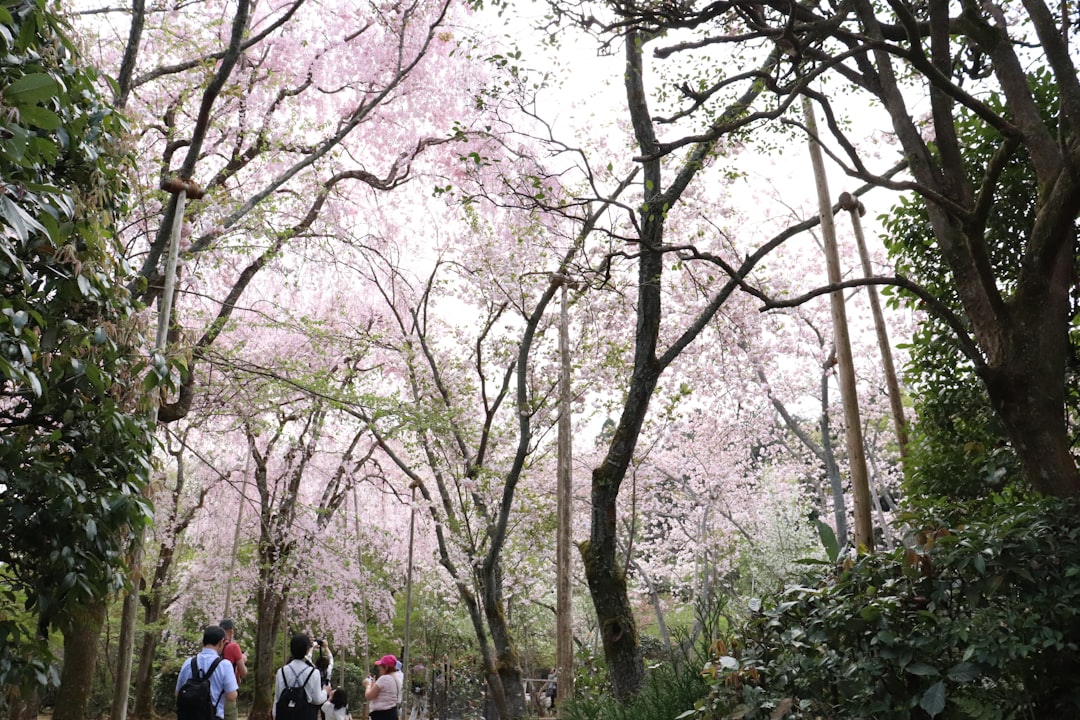
Walking through this neighborhood during bloom feels like stepping into another era. The weeping cherries were reportedly brought from Kyoto generations ago, and they now tower over the old samurai residences with extraordinary elegance. The Hinokinai River path nearby adds another layer, with rows of Somei Yoshino creating a tunnel of blossoms above the riverside promenade.
Practical tip: Kakunodate is easily reached from Tokyo by Shinkansen in about two and a half hours. It pairs wonderfully with a visit to nearby Lake Tazawa, one of Japan’s most beautiful crater lakes.
Kyoto — Beyond the Famous Spots
Kyoto deserves its reputation as one of Japan’s greatest cherry blossom cities. The challenge is that everyone knows about Maruyama Park and the Philosopher’s Path. If you’re visiting Kyoto during sakura season, try adding these lesser-known locations to your itinerary:
- Daigoji Temple — A sprawling temple complex with stunning cherry trees and pagoda views, away from the central tourist rush
- Ninna-ji Temple — Home to the famous Omuro Sakura, late-blooming dwarf cherry trees that are uniquely charming
- Kamo River banks — A local favorite for hanami picnics with a relaxed neighborhood atmosphere
Comparing the Best Destinations at a Glance
| Destination | Region | Bloom Timing | Best For |
|---|---|---|---|
| Hirosaki | Tohoku (Aomori) | Late April – Early May | Castle moat reflections, festival atmosphere |
| Yoshino | Kansai (Nara) | Early – Late April | Mountain scenery, historic pilgrimage site |
| Takato | Chubu (Nagano) | Early – Mid April | Unique deep pink variety, photography |
| Kakunodate | Tohoku (Akita) | Late April – Early May | Samurai district, weeping cherry trees |
| Kyoto (lesser spots) | Kansai (Kyoto) | Late March – Mid April | Temple gardens, local atmosphere |
How to Plan Your Cherry Blossom Trip
Understanding the Bloom Schedule
Cherry blossoms do not bloom on a fixed date — they depend on winter temperatures, spring warmth, and local climate conditions. Generally speaking, the bloom moves from south to north and from lowland to highland. Here is a rough regional guide to help with planning:
| Region | General Bloom Window | Notes |
|---|---|---|
| Kyushu and Shikoku | Late March | Among the earliest in Japan |
| Kansai (Kyoto, Osaka) | Late March – Early April | Often overlaps with Tokyo |
| Tokyo and Kanto | Late March – Early April | Most watched bloom in Japan |
| Tohoku (Sendai, Aomori) | Mid April – Early May | Great for extending your sakura trip |
| Hokkaido | Late April – Mid May | Last major bloom of the season |
Important tip: Follow the Japanese Meteorological Corporation’s annual cherry blossom forecast, released each spring, for precise regional predictions. Accommodations in popular areas book out weeks in advance, so plan early.
What to Bring for Hanami
Cherry blossom viewing — called hanami (花見), literally “flower viewing” — is a deeply social activity in Japan. Whether you’re joining locals for a picnic under the trees or quietly wandering through a castle park, a little preparation goes a long way:
- A picnic blanket or tarp — essential for sitting under the trees, especially in parks where this is expected
- Layers of clothing — spring weather in Japan can shift quickly, and evenings are often still cold
- Snacks and drinks — convenience stores near popular spots are your best friend, but going in with supplies saves time
- A good camera or fully charged phone — you will want to take many, many photographs
- Cash — smaller vendors and festival stalls at sakura spots typically don’t accept cards
Etiquette and Respect at Cherry Blossom Sites
Cherry blossom season brings out the best in Japanese culture — a genuine appreciation for fleeting beauty, community, and nature. As a visitor, a few simple guidelines will help you fit in and show respect:
- Do not shake or climb the trees. This may seem obvious, but it damages the branches and is taken seriously at historic sites.
- Clean up after yourself. If you have a picnic, bring bags to take your rubbish with you — bins are rare in Japanese parks.
- Be mindful of noise levels at temple and shrine grounds, where hanami takes a more contemplative tone.
- Step aside for photographs. It’s wonderful to take photos, but being aware of others trying to capture the moment keeps the atmosphere pleasant for everyone.
The Deeper Meaning of Sakura
Japan’s love for cherry blossoms goes far beyond their visual beauty. The brief, brilliant bloom — lasting only one to two weeks at its peak — carries a profound cultural message about mono no aware, the Japanese aesthetic of finding beauty in impermanence. The blossoms are magnificent precisely because they do not last.
When you stand under a canopy of cherry blossoms in Hirosaki, or look out across a mountainside of pink in Yoshino, you’re participating in something that the Japanese people have cherished for over a thousand years. That shared experience, across time and culture, is perhaps the most beautiful thing about cherry blossom season in Japan.
So this spring, go beyond Tokyo. The blossoms are waiting — and they won’t be there for long.
Photo by さいとう/ saitousai on Unsplash