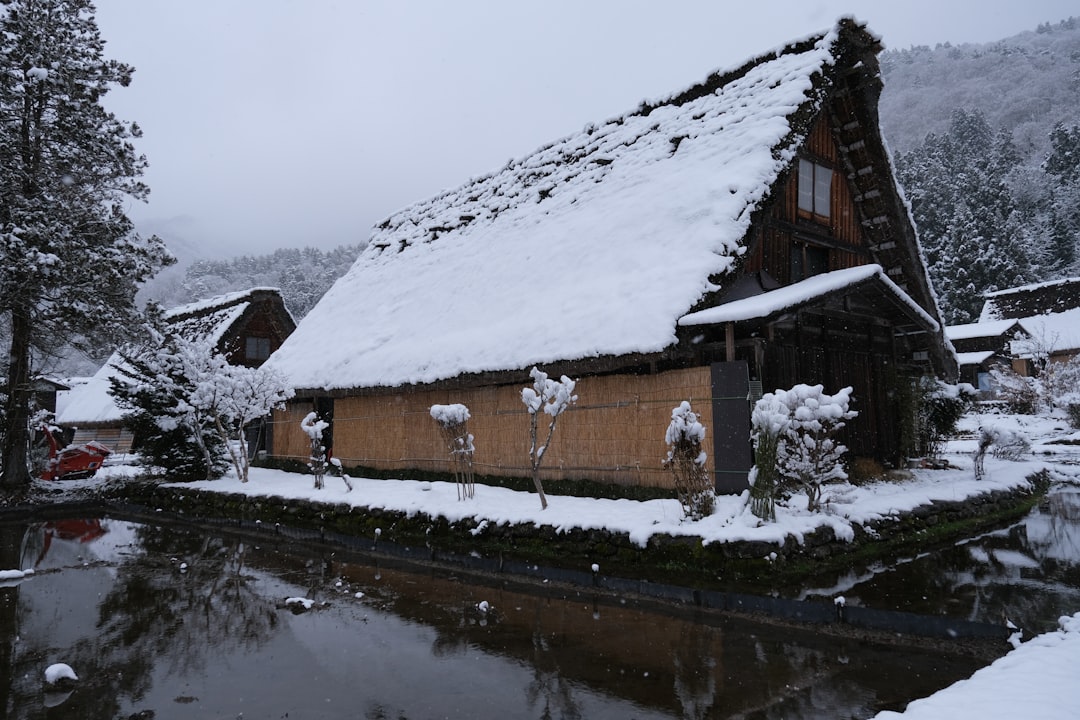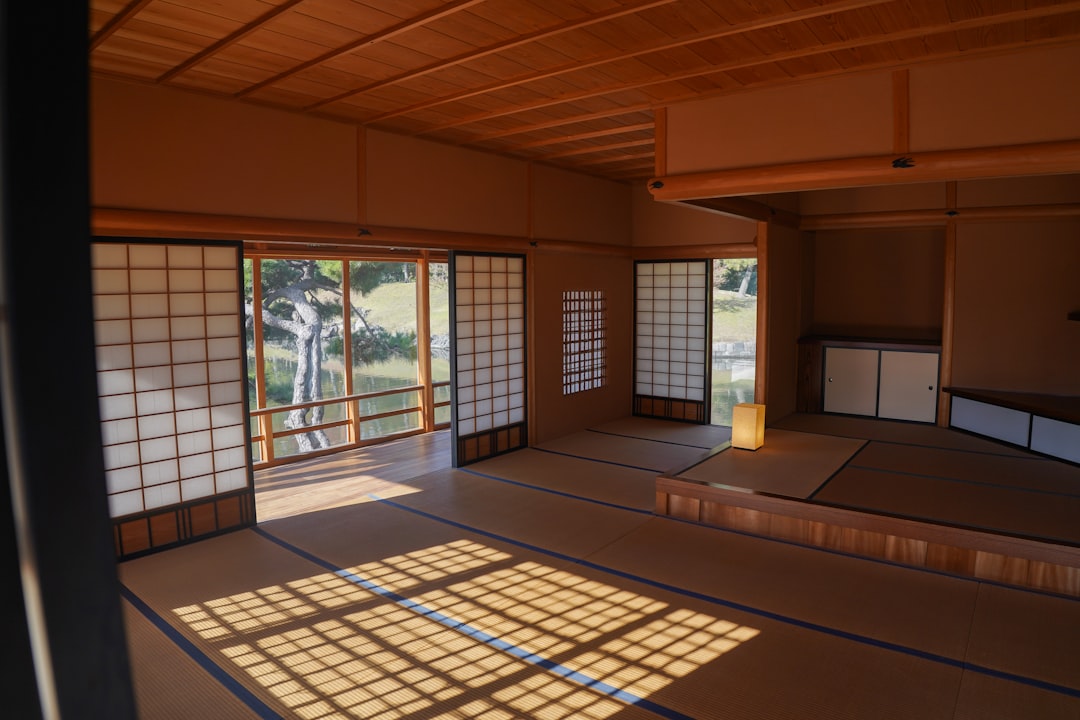
Japan has become an increasingly popular destination, but many travelers worry about the cost before booking their tickets. Between accommodation, transportation, and daily expenses, it’s easy to assume a trip to Japan will empty your wallet. The good news? With smart planning and the right information, you can experience Japan authentically without overspending.
This article pulls together essential planning knowledge to help you navigate Japan’s offerings while keeping costs reasonable. Whether you’re concerned about getting around the country or finding decent places to sleep, we’ve gathered insights to ease your planning process.
Getting Around Japan Without Overpaying on Transport
Transportation is often the largest expense during a Japan trip, especially if you’re planning to visit multiple cities. The rail system is efficient and well-connected, but understanding your options makes a real difference in your budget.
The Japan Rail Pass represents a significant investment upfront, but the decision to purchase one depends on your itinerary. If you’re planning multiple intercity trips, it could save you money. However, if you’re staying in one region or making only a few longer journeys, paying per trip might be cheaper. The cost-benefit analysis requires honest assessment of your planned movements.
Beyond the major rail pass, regional transportation passes and local transit systems offer affordable ways to move around cities. Tokyo’s subway system, for instance, provides day passes that make exploring neighborhoods inexpensive. Understanding what’s available in each city before arrival helps you make the most of your mobility budget.

Many travelers overlook Japan’s bus systems, which can be considerably cheaper than trains for certain routes. Long-distance buses between cities take more time but significantly reduce transportation costs if you have flexibility in your schedule.

Finding Accommodation That Doesn’t Compromise Your Budget
Where you sleep during your trip directly impacts your overall spending. Japan offers a wide range of accommodation options across different price points, and knowing where to look helps you find value without sacrificing comfort or safety.
The accommodation landscape includes everything from traditional ryokans to modern hostels, capsule hotels to mid-range business hotels. Each option serves different travelers and budgets. Some places offer better value in certain seasons or regions, and timing your visit accordingly can result in significant savings.
Safety and cleanliness matter when choosing where to stay, especially when traveling alone or with family. Finding reliable, trustworthy places to rest your head shouldn’t require extensive research through dozens of reviews. Knowing what questions to ask and what red flags to watch for makes the selection process faster and less stressful.

Location also affects your daily costs. Staying slightly outside major city centers often means cheaper rooms and less expensive meals, while still keeping major attractions within easy reach. Many travelers find this trade-off worthwhile.
Understanding the Culture Before You Arrive
One aspect of trip planning that doesn’t get enough attention is cultural preparation. How you interact with Japan’s unique customs and practices affects both your experience and your budget. Misunderstandings about cultural norms can lead to awkward situations, unnecessary expenses, or missed opportunities to connect with locals.
Japan’s pop culture exports have made the country more accessible to international audiences, but the actual culture differs significantly from what you see in movies, shows, or anime. Arriving with realistic expectations prevents disappointment and helps you appreciate the real Japan you’ll encounter.
Understanding basic etiquette, seasonal considerations, and how things actually work in daily Japanese life makes your trip smoother. For example, knowing which payment methods work where, understanding public behavior expectations, and recognizing cultural references helps you navigate situations more confidently.

Taking time to learn about Japanese culture before you arrive isn’t just nice—it genuinely improves your experience. You’ll feel more comfortable exploring, more likely to have authentic interactions, and better equipped to handle unexpected situations.
Practical Steps for Planning Your Budget Trip
Putting all this information together into an actual trip requires some organization. Start by determining your travel dates and which regions you want to visit. This foundation helps you evaluate whether a rail pass makes sense for your specific itinerary.
Next, research accommodation options in each location. You don’t need to book everything immediately, but knowing what’s available and the price ranges helps you plan your daily budget accurately.
Build in time to understand the areas you’re visiting. Japan’s regions have distinct characteristics, and knowing what to expect culturally helps you avoid decisions you’ll regret. This preparation is free but incredibly valuable.
Finally, create a simple spreadsheet or document tracking transportation costs, accommodation, and daily expenses. This doesn’t require obsessive tracking—just enough awareness to know whether you’re on pace with your budget.
Making the Most of Your Japan Experience
Traveling affordably to Japan isn’t about deprivation or missing out. It’s about making intentional choices that align with your priorities and budget constraints. Many travelers find that staying in a capsule hotel or eating from a convenience store becomes part of their memorable experience, not a compromise.
The resources linked throughout this article provide detailed information on each aspect of Japan trip planning. Use them together to create a customized approach that works for your specific situation, timeline, and budget constraints. Japan rewards thoughtful planning with incredible experiences, and you don’t need unlimited money to have them.