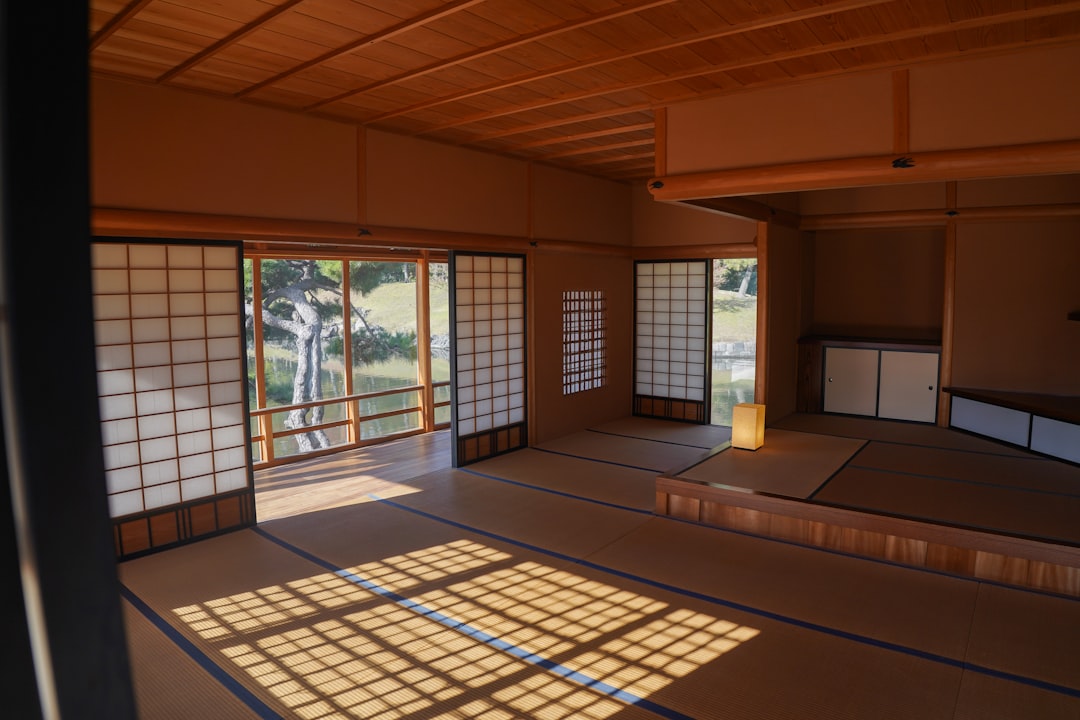
Learning the Foundations of Chanoyu: Essential Etiquette and Mindset for Beginners
- Why Many People Hesitate to Begin
- The Essential Truth: Heart Over Perfection
- The Heart of Chanoyu: "Hospitality" and "Ichi-go Ichi-e"
- Before Entering the Tea Room: Preparing Heart and Body
- The Flow of a Tea Gathering and Key Movements
- Common Misunderstandings
- Three Key Things Beginners Should Mind in Practice
- Summary
Why Many People Hesitate to Begin
Many of us find ourselves drawn to chanoyu (the way of tea), yet held back by the thought that it seems difficult or overly complex. Others have attended a tea gathering but found themselves moving through the motions without understanding their deeper meaning.
Chanoyu is one of Japan’s most celebrated traditional arts. Yet it is not an inaccessible world. Rather, by grasping a few fundamental principles and key points of etiquette, you will discover its profound beauty and depth.
In this article, I’ll explain the essential knowledge you should understand before beginning chanoyu, and the practical etiquette to observe when entering a tea room for the first time.
The Essential Truth: Heart Over Perfection
The most important principle in beginning chanoyu is that sincere consideration for others matters far more than flawless technique. Specifically, three elements form the foundation for beginners: (1) preparing your mind and body before entering the tea room, (2) understanding the basic flow of movements, and (3) grasping the meaning behind each tool and gesture.
The Heart of Chanoyu: “Hospitality” and “Ichi-go Ichi-e”
Chanoyu is not merely the mastery of techniques; it is a philosophy of honoring time spent with another person through a single cup of tea. In English, it is sometimes rendered as “the way of tea.”
At the core of this philosophy lies the concept of ichi-go ichi-e (一期一会)—literally, “one time, one encounter.” It expresses the idea that “this moment of meeting will never come again, so let us treasure the person before us with our whole heart.” In each tea gathering, host and guests—and guests among themselves—create new relationships, respecting one another. This is where chanoyu’s true value lies.
What beginners must first grasp is that attentiveness to others matters more than perfectly executed movements. Even if your gestures are somewhat awkward, what truly matters is performing each action with care and consideration for those around you.
Before Entering the Tea Room: Preparing Heart and Body
In chanoyu, the preparation before entering the tea room is essential. This is known as “preparing the heart.”
The Cleansing Ritual: Washing Away the Day
Most tea rooms have a tsukubai (蹲踞)—a low hand-washing basin—at the entrance. Here, guests wash their hands and rinse their mouth. This is not merely hygiene; it is a ritual of purification, a way of stepping away from the concerns of daily life and entering a different frame of mind.
When cleansing your hands, begin with your left hand, then use your right hand to wash your left hand. Finally, rinse your mouth with your right hand. Since water is precious, every motion should be practiced with care and without waste.
Entering the Tea Room: The Nijiriguchi
The entrance to a tea room is typically a nijiriguchi (躙口)—a small doorway, roughly 70 by 70 centimeters. This narrow passage ensures that all who enter, regardless of social status or rank, pass through at the same humble height.
When entering through the nijiriguchi, you proceed on bent knees in a movement called nijiru (躙る). The psychological meaning is profound: you are setting aside your ego and entering the space with humility and reverence.
The Flow of a Tea Gathering and Key Movements
A typical tea gathering proceeds in the following manner:
The Guest’s Seat: Seiza and Leaving the World Behind
Upon entering, guests take a seat in seiza (正座)—kneeling with the tops of your feet flat on the floor and your buttocks resting on your heels. At first, this position may feel uncomfortable, but it naturally straightens your spine and centers your posture.
The mindset while in seiza is to set aside the cares of the world. That is, you temporarily put aside the noise and worries of daily life and give your full presence to this moment.
Receiving the Sweet
At a tea gathering, a sweet is typically served before you receive either usucha (thin tea, 薄茶) or koicha (thick tea, 濃茶). You acknowledge this with a word of thanks and receive the sweet using both hands.
The key is to accept it with both hands touching the server’s hands. This gesture embodies the spirit of “receiving the other person’s care and intention with both hands and an open heart.”
Receiving Tea: Rotating the Bowl and Drinking Fully
When tea is served to you, first say “いただきます” (itadakimasu—thank you for this), and receive the bowl with both hands. Rotate the bowl clockwise twice (called ni-no-kuchi, 二の口). This gesture turns the finest side of the bowl away from you, toward the host, showing respect for their careful preparation.
Drink the tea in two or three sips, leaving just a trace at the bottom. Once finished, rotate the bowl clockwise twice again to return it to its original position, then offer it back with both hands.
| Movement | Meaning | Key Point |
|---|---|---|
| Entering through the nijiriguchi | Expression of humility | Proceed slowly on bent knees |
| Seiza | Centering the mind | Keep your spine straight |
| Rotating the tea bowl twice | Showing respect to the host | Move in a clockwise direction |
| Drinking the tea fully | Fully receiving what is given | Two to three sips is the guideline |
Common Misunderstandings
Misunderstanding 1: “Imperfect technique is disrespectful”
In fact, most experienced teachers emphasize not striving for perfection. When a beginner shows somewhat awkward movements, this is often seen as a sign of “trusting your teacher and willingness to learn.” What truly matters is bringing thoughtfulness to each moment and each gesture.
Misunderstanding 2: “Chanoyu is intimidating, and I’ll be scolded for mistakes”
A good teacher fears nothing more than seeing a beginner so tense that they close their heart. If you are uncertain about something, asking in the moment—”How should I do this?”—is not impolite; it is actually the most respectful and the most educational approach.
Misunderstanding 3: “Chanoyu is only for women or a particular social class”
Chanoyu welcomes all people, regardless of gender, age, or social status. Indeed, the philosophy that “all share from the same bowl” lies at the very heart of chanoyu’s spirit.
Three Key Things Beginners Should Mind in Practice
One: Keep the soles of your feet hidden
While seated in seiza, ensure that the soles of your feet (or shoes) are not visible to others. It is improper to stretch your legs out or cross them.
Two: Rest your hands on your knees
Between movements, place both hands on your knees with your spine upright. This is the “waiting posture”—a position of readiness to move smoothly into the next gesture.
Three: Be mindful of other guests
When several guests are present, be conscious not only of your own movements but also of how they affect those around you. Pay special attention when returning the bowl or standing up.
Summary
The key points to remember as you begin your journey into chanoyu are:
- The essence of chanoyu lies not in flawless technique, but in a sincere heart and the spirit of ichi-go ichi-e (treasuring each unique encounter)
- Each movement—entering through the nijiriguchi, sitting in seiza, rotating the bowl, drinking fully—carries deep meaning. Understanding this meaning brings each gesture to life
- As a beginner, focus less on perfection and more on listening carefully and approaching your learning with an open spirit
Chanoyu is a path of lifelong study. You need not perform everything flawlessly at your first gathering. As seasons turn and you visit different tea rooms, the aesthetics and care at the heart of this practice will gradually become part of you.
Photo by Yosuke Ota on Unsplash