From Sake Brewery to Tea Room: Understanding Japan’s Two Worlds of Refinement
The Two Paths I Encountered at an October Brewery
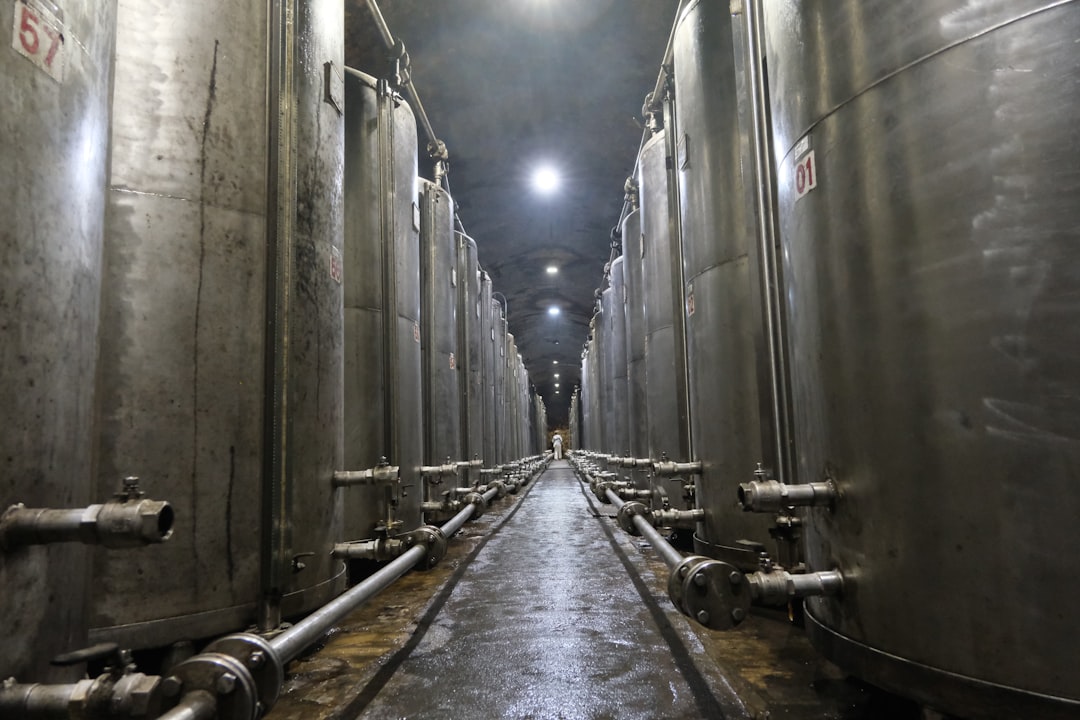
The morning I first visited a sake brewery in Niigata, the wooden gates were still slick with dew. I could smell it before I stepped inside—that unmistakable aroma of koji mold at work, earthy and alive, mingling with the cool stone floors. The brewery master was already moving through the production hall, checking fermentation tanks with the precision of someone who had done this for forty years.
That same afternoon, I sat in a tea room in Kyoto, watching steam rise from a small kettle. The silence there was complete. No sound but the whisper of the whisk in hot water, the soft pour into a waiting bowl.
Both places demanded attention. Both spoke of discipline refined over centuries. Yet they could not have felt more different.
This is the paradox I want to explore with you: how Japan cultivates two distinct worlds of cultural refinement—one born from production and community, the other from stillness and individual practice. Understanding each helps us grasp something deeper about Japanese aesthetics and values.
The Result: Two Philosophies, Not Two Hobbies
Let me state the conclusion plainly. Sake culture and the tea ceremony are not simply “two traditional things to experience in Japan.” They represent opposite philosophical approaches to refinement, yet both reflect the same underlying Japanese impulse: to elevate the ordinary to the extraordinary through discipline, knowledge, and respect.
Sake emerges from the collective labor of the brewery—a shared human effort to transform rice and water into something transcendent. Tea ceremony emerges from the individual’s inward practice—a solitary refinement of gesture and awareness that paradoxically brings people together.
Both teach the same lesson, but they arrive there by opposite routes.
Inside a Sake Brewery: The Philosophy of Collective Refinement
When you step into a brewery during production season (September through March), you’re entering a place where time moves differently. The work never stops.
The sake-making process begins with rice that must be polished to precise percentages—50%, 35%, sometimes as low as 10% of the original grain remaining. This is not efficiency; it is philosophy. The more polished the rice, the more delicate the flavors, the greater the skill required. A brewery worker, called a kuramoto, must know the exact moment when koji mold has peaked, when yeast fermentation is reaching its ideal temperature, when the blend of multiple batches will create something greater than any single tank.
I watched one master brewer—he had been making sake for forty-three years—stand before ten fermentation tanks and simply listen. Not with instruments. With his ear and his nose and something that seemed to come from his hands themselves. He told me, “The sake tells me when it is ready. You learn to hear it.”
This is not mystical. It is disciplined listening built over decades. Every brewery I have visited maintains detailed records: temperature logs, water mineral content, yeast strain performance, fermentation curves. Science and intuition are not opposed here; they are the same practice at different scales.
A sake brewery is also a community. The workers live together during the brewing season in many traditional breweries. They share meals, information, small failures and large successes. A single batch might take two months, and the decisions made in week one echo through week eight. This collective accountability means that quality is not an accident—it is the result of many people caring deeply about a single shared outcome.
When you visit a brewery, ask the guide to explain the rice polishing percentage, the water source, the yeast strain. These details are not trivia. They are the visible structure of the brewery’s philosophy: that good sake comes not from secrets, but from transparent choices made skillfully and repeatedly.
The Tea Room: The Philosophy of Individual Practice
The tea room (chashitsu) is small. This is not accidental design. The space is typically 4.5 mats—about 7.5 square meters—deliberately too small for ego. You cannot bow dramatically in a tea room. You cannot dominate the space with your presence. The room diminishes you and enlarges what you are doing.
The host moves through a set sequence: arranging the kettle, folding the cloth, scooping the powder, whisking, serving. If you see this performed by a true practitioner, it looks like meditation in motion. Every gesture has been refined to remove anything unnecessary. The hand rises only as high as needed. The cloth is folded once, no more. The whisk enters the water at a precise angle.
But here is what surprises most Western visitors: this is not rigidity. The tea ceremony, called chanoyu, has no choreography in the modern sense. There is no music, no predetermined sequence beyond the basic logic of preparing and serving tea. What looks like choreography is actually the visible result of thousands of hours of practice. The gesture has been refined until it requires no thought—and this absence of thought is where presence appears.
I spent six months learning the basics of tea ceremony, and what struck me was not the complexity of the movements, but the opposite: the simplicity that lies on the far side of complexity. You must learn the rules precisely in order to eventually transcend them. You must practice the wrist angle one hundred times until it becomes invisible—until the wrist angle is gone and only tea-making remains.
This is fundamentally solitary practice with social consequences. You sit alone with a teacher, or you serve a small group of guests. But the refinement is built in isolation, in the repetition that no one sees. A person might study tea ceremony for ten years and serve it beautifully, and most of the discipline that created that beauty will remain invisible to everyone who experiences it.
Why These Two Worlds Matter
The sake brewery teaches us that excellence is collective, that many hands and many decisions create quality, that knowledge and transparency are compatible with artistry. When you taste a good sake, you are tasting the result of dozens of small choices made by different people, all in service of a shared vision.
The tea room teaches us that excellence is individual, that private practice can create public grace, that simplicity earned through repetition contains more depth than complexity created from the start. When you experience a tea ceremony, you are encountering the invisible discipline of one person who has chosen to refine a single gesture across decades.
Japan values both. This is worth noting. We in the West often ask which is “better”—individual or collective, private practice or shared labor. Japan’s answer, demonstrated across centuries of culture, is: you need both.
Understanding this helps you understand not just sake and tea, but many aspects of Japanese life. The corporation that emphasizes group harmony (like a brewery) and the martial artist who trains alone at dawn (like a tea practitioner) are both respected, both necessary, both expressions of the same underlying belief: that refinement requires discipline, respect, and time.
When you next visit Japan, find a brewery and find a tea room. Let them teach you their opposing lessons. They are not contradictory—they are complementary, two branches of the same tree.
The Seasons Will Teach
- The sake season runs from September through March, when water is cool and ambient temperature can be controlled. Visit in winter if you want to see active production.
- Tea ceremony reaches its fullest expression in autumn and winter, when the transition from summer to cold makes the warm tea most meaningful. Spring and summer ceremonies focus on cold, whisked tea.
- The best understanding comes not from a single visit, but from returning to both across different seasons—watching how the breweries adapt, how the tea rooms shift their focus.
*This article is based on information as of 2026-05-19. Temple and shrine hours, as well as event schedules, may change. Please check the official websites before visiting.Travel often rewards what unfolds in the moment more than what was planned. This article is for reference; please make your final decisions based on current conditions and the season.
Photo by Luo Jin Hong on Unsplash