Learning the Proper Way to Visit a Shrine — From the Two Bows, Two Claps, One Bow to Passing Through the Torii Gate
When visiting a shrine, I suspect many of us participate “somewhat thoughtlessly.” We pass through the torii (shrine gate), cleanse our hands at the water basin, and perform the two bows, two claps, one bow ritual at the prayer hall. While most of us know the sequence, surprisingly few can explain why we do it or what each gesture means.
The etiquette of shrine visitation is not mere habit—it is an “expression of reverence” steeped in Japan’s traditional culture. Each gesture carries meaning, and understanding these meanings transforms a shrine visit into a far deeper experience. In this article, I’ll walk through the ritual step by step and address common misconceptions along the way.
The Essentials
A shrine visit is designed as a complete sequence, from “passing through the torii gate” to “the main prayer ritual.” Cleansing at the water basin, bowing at the torii, and performing the two bows, two claps, one bow at the prayer hall—each step prepares your mind and body and helps you enter the sacred space. Understanding this etiquette genuinely deepens the quality of your visit.
Before Entering the Torii — Mindfulness on the Approach Path
Shrine visitation begins before the torii gate. Many of us only become aware at the moment we’re about to pass through, but in fact, the transition into “sacred ground” begins the moment we step onto the approach path.
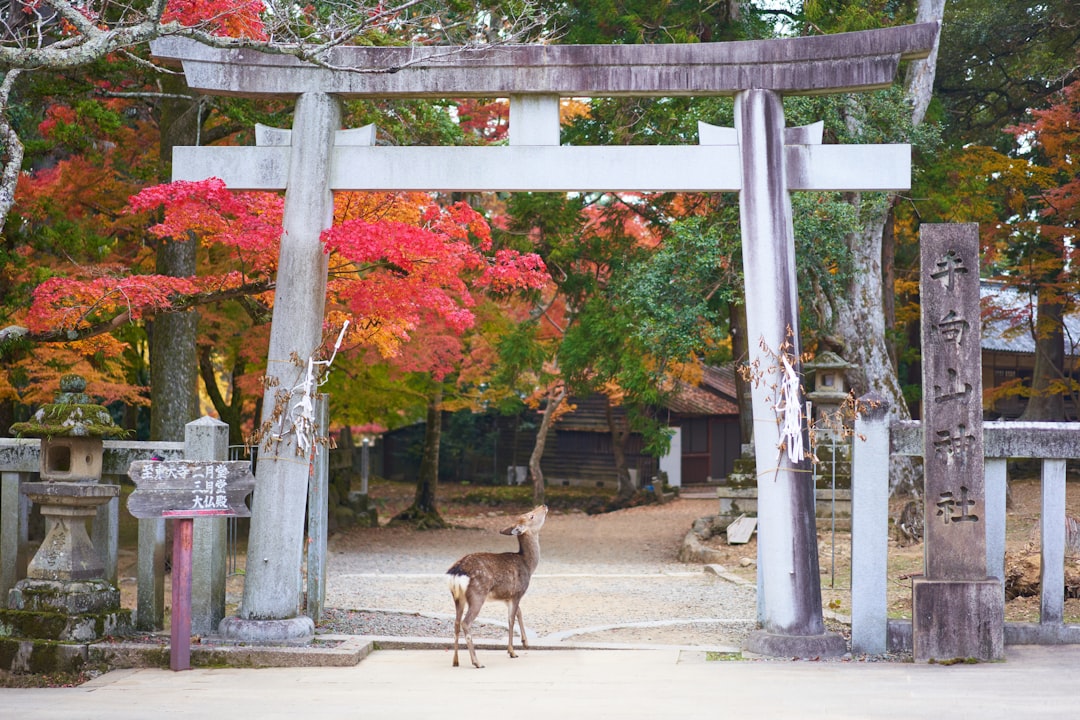
The torii marks the boundary between the everyday world and the sacred realm. For this reason, it is customary to pause briefly before the gate and offer a slight bow. There is no need for a deep bow, but this moment of pause shifts your awareness from the ordinary to the sacred space.
When walking the approach path, it is customary to stay to the side rather than walk down the center. The center of the path is considered the passage of the kami (deity), and by walking to the side, we show respect for that space. In reality, at busy shrines, many visitors walk down the center—this is a flexible interpretation suited to modern conditions. What matters is the mindful intention to walk respectfully to the side.
Cleansing at the Water Basin — The Four-Step Ritual
The water basin (chōzuya) holds special importance in the sequence of shrine visitation. Many people think of it simply as “a place to wash your hands,” but it is better understood as a “ritual purification of body and spirit.”
The water basin ritual has four steps. First, take the wooden ladle (hishaku) in your right hand and pour water over your left hand. Next, transfer the ladle to your left hand and pour water over your right hand. Then take the ladle in your right hand again, bring the water to your mouth with your left hand, and rinse once. Finally, pour water over your left hand once more, then hold the ladle upright and let water flow down the handle to cleanse the ladle itself.
This sequence carries religious meaning—”cleansing the mouth” and “purifying the heart.” In practice, the goal is not literal cleanliness but rather to express through action the intention to purify oneself. Even in winter when the water is cold, the ritual remains the same. It is recommended to perform each step slowly and deliberately, rather than hurrying through.
A common misunderstanding is to wash both hands at once or to rinse the mouth thoroughly, but the proper ritual divides left and right in stages. However, some shrines may have their own specific guidance, in which case following local instructions is correct.
Prayer at the Main Hall — The Meaning of Two Bows, Two Claps, One Bow
Once you’ve reached the main prayer hall, it is time for the central act of worship. The two bows, two claps, one bow is the most common form of prayer in Japan today and is observed at nearly all shrines.
Stand before the main hall, straighten your posture, keep your feet shoulder-width apart, and let your arms hang naturally at your sides. Now you begin the two bows. “Two bows” means folding at the waist to nearly 90 degrees and bowing slowly twice. These are deep, respectful bows made in reverence and gratitude toward the kami.
Next, bring your hands together at chest height and clap twice. This is the “two claps.” These claps are said to be a “call to the kami.” According to ancient texts, the sound of clapping summons the kami so that one’s prayers are heard. The sound should resonate clearly but at a volume that doesn’t disturb other visitors.
After clapping, keep your hands pressed together and silently offer your wishes or words of gratitude. The duration of this moment varies by person—some spend only a few seconds, others more than a minute. There is no fixed rule; it is left to each person’s depth of faith and their state of mind on that day.
Finally comes “one bow.” Fold at the waist once more to nearly 90 degrees and bow. This final bow completes the prayer. Many people find that through this entire sequence, the mind settles and one gains distance from the noise of daily life.
One important note: while two bows, two claps, one bow is the standard form, some shrines follow different traditions based on their lineage or deity. For example, Izumo Taisha observes “two bows, four claps, one bow.” Before your visit, it is best to check the shrine’s official website for its recommended ritual.
After the Prayer — Mindfulness on Your Departure
Even as you leave after prayer, there is proper etiquette. Rather than turning around and walking away directly from the prayer hall, it is customary to turn to a different direction before proceeding. During your visit, you have been facing the kami, so turning away directly is considered disrespectful.
As you leave the approach path and near the torii, it is customary to offer a light bow once more. This bow marks the transition from sacred ground back to everyday life. Many people skip this step, but bowing at the torii both on the way in and on the way out completes the full cycle of your visit.
At many shrines, visitors purchase talismans or votive plaques. In such cases, some people return to the prayer hall afterward to offer another bow of gratitude. While not required, this practice springs from the heart that wishes to honor the lingering reverence of the visit.
※This article is based on information as of May 16, 2026. Shrine hours and event schedules may change, so please check the official website before your visit.
Travel is enriched more by the insights we discover in the moment than by meticulous planning. This article is for reference, and your final decision to visit should be guided by current local conditions and the season.
Summary
-
The mindfulness you bring to the moment before the torii gate is crucial, as is the care to walk to the side of the approach path.
-
The four-step cleansing at the water basin is not about literal hygiene but carries the ritual meaning of “purifying the heart.”
-
Two bows, two claps, one bow is the standard form, but it varies by shrine, so checking beforehand is recommended.
It is a wonderful habit to visit shrines with the turning of the seasons. Understanding proper etiquette genuinely deepens the quality of your prayer.
Photo by Nicholas Ng on Unsplash