The Japanese Aesthetic: Learning from Three “Ways”—Martial Arts, Calligraphy, and Flower Arrangement
What This Article Explores
When discussing Japanese culture, we often encounter three terms: “martial arts” (武道), “calligraphy” (書道), and “flower arrangement” (華道). Yet few of us can clearly explain how they differ or what they have in common. At first glance, these three disciplines deal with entirely different subjects—the sword, the brush, the flower—but beneath the surface runs a shared philosophy: the concept of “the Way” (道).
In this article, I examine the essence of each discipline and the thinking that binds them together, so we might better understand the depth of Japanese culture. By organizing both the outsider’s perspective and practical approaches to learning, I hope to offer readers a pathway toward engaging with Japan’s traditional arts.
The Core Insight
What unites martial arts, calligraphy, and flower arrangement is a commitment to personal transformation that transcends mere technical skill. Each cultivates the unity of mind and body, concentration, and aesthetic sensitivity through disciplined practice. Understanding these three disciplines reveals what Japanese culture has valued most deeply.
Martial Arts: The Practice of Unifying Body and Spirit
The Essence of Martial Arts Is Not Victory, but Self-Confrontation
Many associate martial arts with the technique of defeating an opponent. Yet in contemporary practice, what matters is not competition but self-cultivation through training. Whether judo, kendo, or karate, all share a common spirit: respect for one’s partner.
This is why training in etiquette receives as much time as instruction in attacking techniques. The bow before and after practice, the posture upon entering the training hall, the treatment of a defeated opponent—all are woven into the fabric of practice itself.
Breath and Posture Give Birth to Form
Martial arts instruction continually emphasizes “posture” and “breathing.” In kendo, when the right foot steps forward, the breath is released simultaneously, concentrating power at the center. In judo, one maintains one’s center of gravity while anticipating the opponent’s movement, enabling stable technique.
This “harmony of the whole body” generates what martial arts calls “form” (型). Form is not mere motion—it demonstrates how mind and body become unified through that motion. When a beginner repeats the same movement countless times, the goal is not simply technical refinement, but to experience firsthand how one’s body and spirit transform through practice.
Why Advancement Through the Ranks Progresses Slowly
Martial arts promotion tests are demanding because they evaluate not only technical achievement but also whether the practitioner has matured spiritually in their “Way.” Even if the technique is flawless, an unsettled mind will fail the test. Conversely, someone with minor technical shortcomings may be evaluated favorably if they demonstrate genuine sincerity and character.
The rank system functions not as mere hierarchy but as a measure of how deeply the individual is engaging with the Way.
Calligraphy: Meditation Through Dialogue with Characters
The Brush Expresses the Heart, Not Merely the Character
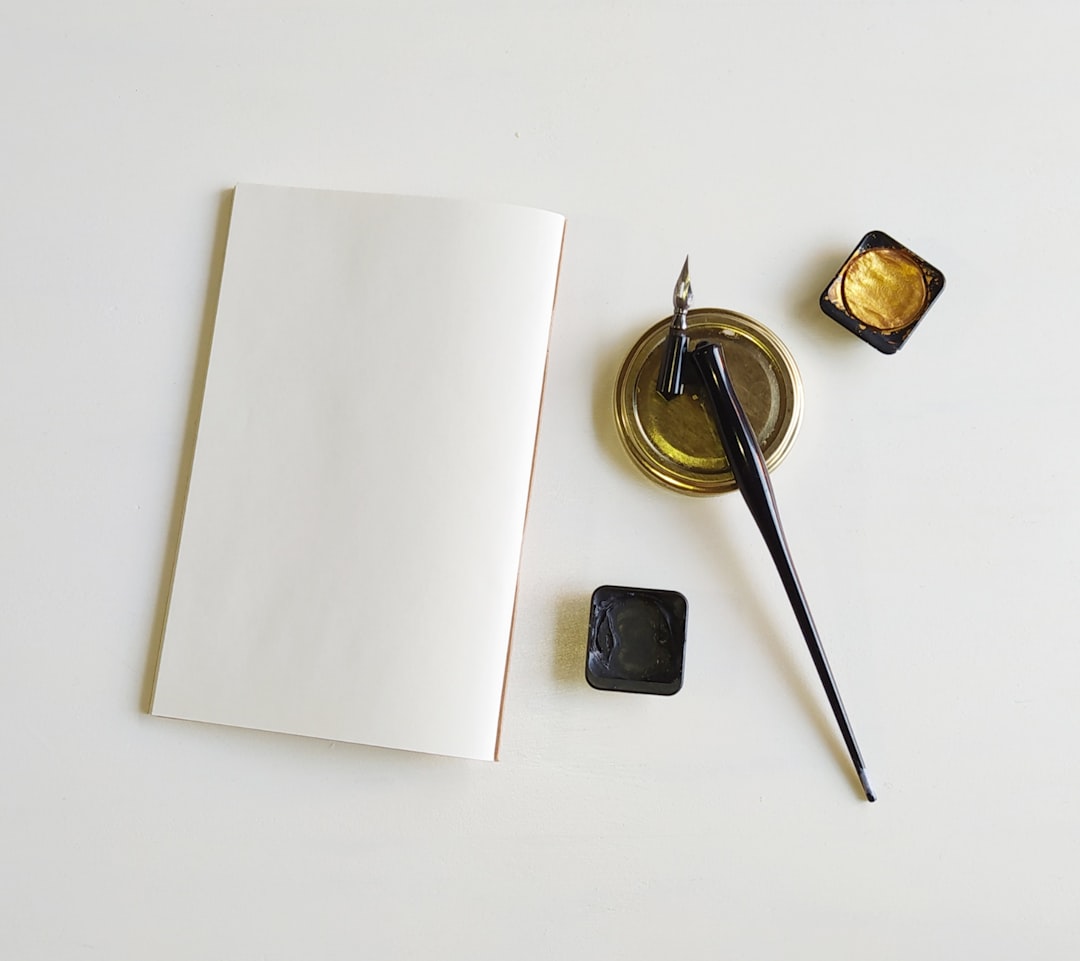
Calligraphy uses brush, ink, and washi (Japanese paper) to render characters, yet the purpose is not to write beautifully. Rather, it emphasizes that the writer’s inner state manifests in the movement of the brush, the gradation of the ink, and the pressure upon the paper.
Beginners typically strain to be “precise and beautiful.” But tension causes the fingers to tighten, causing the brush to skip or the line to waver. An instructor might observe, “Your heart is unsettled.” Conversely, when the mind is calm and the brush moves freely, the entire character radiates tranquility.
Dialogue Through Copying Classical Works
Basic calligraphy study involves copying masterpieces from antiquity—a practice called “tracing the masters” (臨書). Students repeat the works of the Right General (Wang Xizhi), famous stele inscriptions, or Tang-dynasty standard script hundreds or thousands of times.
This repetition carries meaning beyond technical training. By following the strokes of classical characters, one absorbs not merely technique but the aesthetic sensibility of that era, the intention embedded in each character, and the “intervals” expressed through brush work. The process becomes a form of meditation—aligning oneself with a beauty already perfected across history.
The Tension of Irreversible Action
Unlike painting, calligraphy offers no means of correction. Once the brush touches the paper, that moment cannot be undone. This “once and only once” tension sharpens concentration and brings about the unity of mind and body.
Unlike martial arts, which involves an opponent, calligraphy manifests one’s inner mental state directly onto the paper. In this sense, calligraphy is the most personal and most honest of artistic acts.
Flower Arrangement: Learning to Meet the Seasons and Nature
The Act of “Arranging” Flowers
Ikebana (flower arrangement) is the art of arranging flowers in a vase, yet it is far from decorative floristry. In ikebana, the aim is to “bring forth the flower’s own essence.”
The question is how to express the flower as it grows wild, its inherent vitality and character. By bending stems, pruning branches, and sometimes deliberately preserving withered parts, one reveals the natural environment in which the flower bloomed—its story. This is why a master might ask, “Where was this flower gathered?” or “How much rain fell this season?”—understanding the flower’s ecological context becomes part of how one arranges it.
The Importance of Seasonal Awareness
In ikebana, using flowers out of season is avoided. Spring flowers in spring, autumn flowers in autumn. This is no mere convention—it expresses respect for the natural world as it exists in each season.
The completed arrangement reveals the arranger’s seasonal sensibility and present state of mind. Even when a beginner practices with the same flowers repeatedly, each result differs, because the climate changes, the flowers’ condition changes, and the arranger’s spirit shifts daily.
The Aesthetics of “Interval” and “Emptiness”
Ikebana values not only the flowers themselves but also the “space” surrounding them—the intervals between blooms, between flowers and vessel. These “empty spaces” determine the impression of the whole.
This aligns with a fundamental principle of Japanese aesthetics: the philosophy of emptiness or negative space. Rather than fullness, we embrace the beauty of subtraction. As one’s arranging skill grows, the ability to decisively remove unnecessary stems and flowers becomes more precise. Through this reduction, the flower’s true nature emerges.
The Shared Philosophy of the Three “Ways”
Purpose Beyond Technical Mastery
What martial arts, calligraphy, and flower arrangement share is that technical skill is not the final aim. Rather, they emphasize how the process transforms one’s relationship with oneself.
In martial arts, one comes to know oneself through the relationship with a partner. In calligraphy, one sees one’s heart reflected in the paper. In flower arrangement, one understands one’s place in relation to season and nature. All three embody “self-understanding through interaction with the external world.”
Repetition and Perseverance
All three disciplines involve repeating the same movements or engaging with the same subjects: martial arts practice, copying classical texts, daily flower arranging. This repetition itself generates new insight.
The understanding gained on the first attempt differs profoundly from understanding earned on the hundredth attempt, even though the form remains the same. Trusting in this gradual deepening is the fundamental attitude required to walk the Way.
The Teacher-Student Relationship
All three disciplines emphasize the relationship between master and student (師弟関係). This is not merely a teaching-learning exchange but a relationship in which one learns the Way through the master’s body, words, and entire presence.
The accumulated “sensibility” that a teacher has developed over decades cannot be conveyed through text or video—it is absorbed through direct, shared practice. This is humanity’s most ancient method of transmitting knowledge, and it is why Japan’s traditional arts continue to preserve the master-student system.
Conclusion
※This article is based on information current as of May 13, 2026. Temple and shrine visiting hours and event schedules may change; please verify with official sources before your visit.
Travel is valuable not for what you plan but for the insights you encounter along the way. This article offers reference information; final decisions about visiting should reflect current local conditions and seasonal considerations.
- Martial arts, calligraphy, and flower arrangement are systems of discipline that transcend technical skill to cultivate the unity of mind and body and deeper self-understanding.
- What the three “Ways” share is faith in gradual deepening through repetition and the master-student relationship.
- Recognizing one’s place in relation to the changing seasons and the natural world leads to the heart of Japanese culture itself.
Photo by Punta y pincel Brushlettering on Unsplash