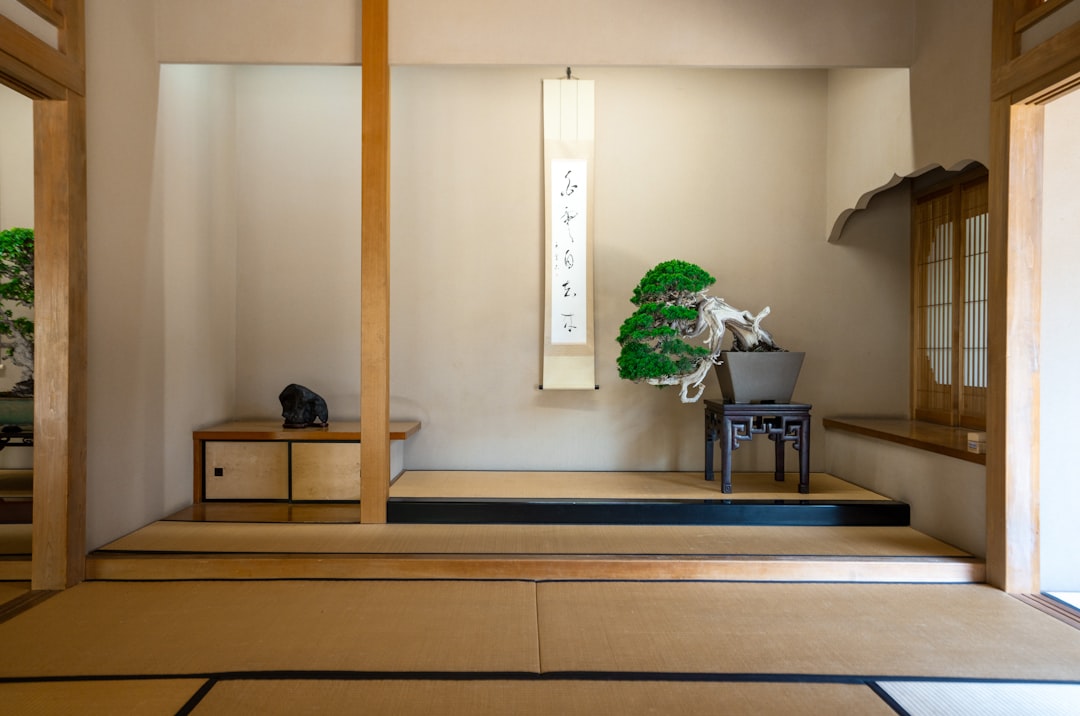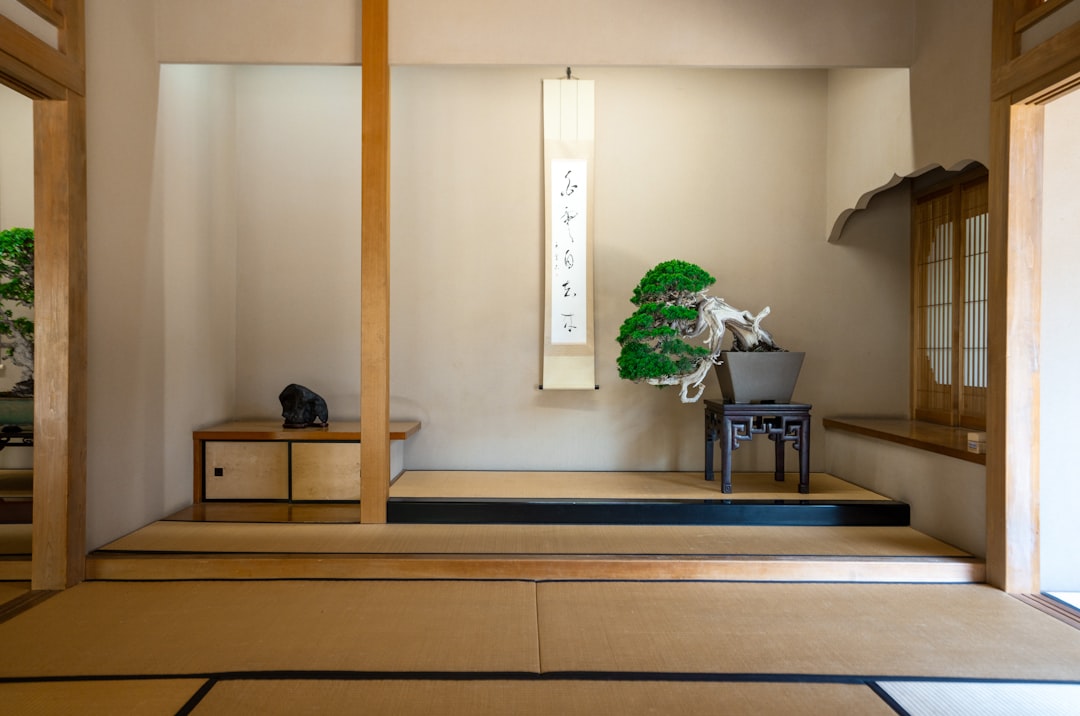
The Way of Tea: Essential Etiquette and Mindset for Beginners
Many people are drawn to tea ceremony, yet feel intimidated by the sheer number of formal conventions. Concerns like “sitting in seiza (formal kneeling posture) is uncomfortable,” “the movements are too complex,” and “what if I commit a breach of etiquette?” often hold them back from taking that first step.
Yet at its heart, tea ceremony is not a rigid ritual but rather a practice rooted in consideration for others and treasuring each moment. The formal gestures and rules are simply the outward expression of this inner attitude. Here, I explore the fundamental etiquette that a beginner should understand before entering the tearoom for the first time, along with the deeper philosophy that flows through the world of tea.
The Essential Elements at a Glance
The key components a tea ceremony beginner should first master are:
- Entering and exiting the tearoom (moving through the low doorway, removing shoes) and basic courtesy
- The etiquette of receiving tea (accepting the bowl, drinking, and partaking of sweets)
- The guiding principles of tea ceremony, such as “ichi-go ichi-e” (one encounter, one opportunity) and “wa-kei-sei-jaku” (harmony, respect, purity, tranquility)
Understanding these aspects will help you avoid basic lapses in propriety at a tea gathering. More importantly, it is crucial to recognize that tea ceremony seeks not “flawless technique” but rather “thoughtfulness toward others.”
Entering the Tearoom: The First Courtesies
Tea ceremony etiquette begins the moment you step into the tearoom.
The entrance to the tearoom is called the “nijiriguchi” (crawling-through door)—a small opening so low that you must bend at the waist to pass through. By passing through this humble entrance, guests symbolically shed the titles and status of the everyday world, entering the tearoom as equals. This is the profound meaning embedded in the architecture itself.
As you approach the nijiriguchi, remove your shoes and offer a light bow from the bamboo-edged threshold before proceeding. Lower your body and move forward carefully on your knees, as if crawling. The key is to maintain a humble posture, move slowly and quietly, never rushing or standing upright. Every gesture reflects respect for the space.
Inside the tearoom, guests walk on the tatami mat while kneeling. Rather than shuffling forward in seiza, you move by keeping your knees together and supporting your body with your hands—a movement called “ashibimu.” While it may feel unstable at first, this deliberate slowness honors the quietude and composure of the tearoom.
Upon reaching your seat, offer a light bow again at the designated spot before sitting. At this moment, you fully enter the world of tea.
Receiving Tea: Etiquette and Heartfelt Intention
When tea is offered, many beginners feel anxious. Yet here too, the foundation is gratitude and an appreciation for the occasion itself.
When receiving the tea bowl, use both hands, offer a small bow, and accept it respectfully. Turn the bowl slightly away from its front, and if a silk cloth drapes it, remove it carefully. You need not master every minute detail perfectly. What matters is receiving with genuine respect the care and effort the host has invested in preparing the tea.
When drinking, avoid the bowl’s front rim on your first sip; instead, drink from the side. This honors the bowl’s finest surface, where the design is displayed. Drink over several sips, finishing nearly all the tea—draining the bowl signals gratitude and completion. To leave tea behind would suggest dissatisfaction.
The same spirit applies to eating tea sweets. Place a small paper napkin (kaishi) on your lap, use chopsticks to eat the sweet, and wipe your mouth with the napkin afterward. Each action expresses respect for what the host has provided.
What truly matters is not mechanical precision but whether your heart is genuinely present—whether you are truly honoring this moment, this tea, and this host’s thoughtfulness.
Ichi-go Ichi-e and Wa-kei-sei-jaku: The Heart of Tea
Memorizing etiquette without understanding tea’s philosophy leads only to awkward gestures. The essence of tea ceremony distills into two profound concepts.
“Ichi-go ichi-e” (one encounter, one opportunity) expresses the awareness that this moment, this meeting, will never be repeated in exactly the same way. Even if you share tea with the same person in the same room, the season shifts, your states of mind and body change, and countless other conditions differ. This recognition awakens a commitment to fully cherish the present time together.
“Wa-kei-sei-jaku” (harmony, respect, purity, tranquility) encompasses four foundational principles of tea ceremony. “Wa” is harmony and goodwill; “kei” is reverence for the other; “sei” is purity of heart and body; and “jaku” is a calm, composed state of being. When you enter the tearoom holding even a small awareness of these principles, your gestures naturally acquire dignity.
As a beginner attending a tea gathering, you need not strive for flawless movements. Rather, approach with a humble desire to honor the encounter and an open heart ready to receive the host’s care. These qualities matter far more.
Preparing Your Heart Before Your First Visit
Many beginners feel anxious before their first tea gathering, burdened by the thought that they must master every detail. This pressure can actually distance people from the true spirit of tea.
In reality, tea teachers and senior practitioners fully understand a beginner’s unfamiliarity with convention. A slightly awkward movement or momentary confusion often touches the host’s heart in a positive way. What truly signals respect is the clear intention to learn sincerely.
Before your visit, I recommend tidying your daily life. Trim your nails short, keep your hands and feet clean, and choose clothing without strong fragrance. If you are not accustomed to sitting in seiza, practice it occasionally at home to acclimate your legs and ease the day’s tension. Most importantly, bring an open mind ready to learn.
Tea ceremony is not mastered in a single lesson; it is a lifelong practice of cultivation, where true appreciation unfolds only through years of dedication. For this reason, you may approach your first visit simply as “stepping through the door”—with ease and curiosity.
※This article is based on information current as of May 13, 2026. Shrine visiting hours and event schedules may change; please confirm details on official websites before your visit.
Travel teaches us through unexpected encounters more than through detailed planning. This article offers guidance, but your final decision to visit should reflect current conditions and the season.
In Summary
Here are the key points every tea ceremony beginner should remember:
- From the moment you pass through the low doorway and move on your knees, the spirit of tea begins—prioritizing consideration for others over flawless technique
- Each gesture in receiving and drinking tea is a form through which you receive the host’s intentions and the season’s beauty; what matters is how fully your heart engages with the moment
- By keeping “ichi-go ichi-e” and “wa-kei-sei-jaku” in your heart, even a beginner transforms the tearoom into the true world of tea
And so I hope to return again. When the seasons turn and your heart and body have settled, another opportunity to rest in the quiet of the tearoom will surely come.