Oda Nobunaga and the Way of Tea. Why the Tea Room Held Power in an Age of War
The Sengoku period in Japan is often thought of as a world dominated entirely by military force and political scheming. But when we examine history closely, we find that an unexpected space became a stage for politics amid that turbulence: the tea room. For Oda Nobunaga in particular—a powerful daimyo (feudal lord) of the Sengoku period—the way of tea was far more than a personal taste. It functioned as a diplomatic strategy and a symbol of power itself.
Why, in an age of gunpowder and bloodshed, would the quiet ritual of tea ceremony hold such importance? The answer lies in the social structures of the time and in Nobunaga’s own way of thinking. In this article, I explore the relationship between Oda Nobunaga and the way of tea, uncovering an unexpected dimension of the warring states era.
The Conclusion First
Oda Nobunaga wielded the way of tea as a political tool. By holding tea gatherings, he built relationships with daimyo and influential figures while displaying his power. Moreover, he used tea implements themselves as the highest form of reward for his warrior vassals. This was not mere cultural interest—it was part of his larger strategy to unify the realm.
The Age in Which Nobunaga Lived and the Place of Tea
The Sengoku period was an era in which the power of the old provincial governors had waned, powerful daimyo had risen to prominence, and “lower overthrowing upper” (gekokujo) had become the norm. Within this chaos, the way of tea—rooted in the aristocratic culture of Kyoto and influenced by Zen monasteries—gradually permeated warrior society.
By the 16th century, when Nobunaga was at the height of his influence, the way of tea had already become a symbol of refinement and a social gathering place for the powerful. This period coincided with the emergence of the great tea master Sen no Rikyu. Nobunaga recognized this cultural magnetism and set about incorporating it into his political strategy.
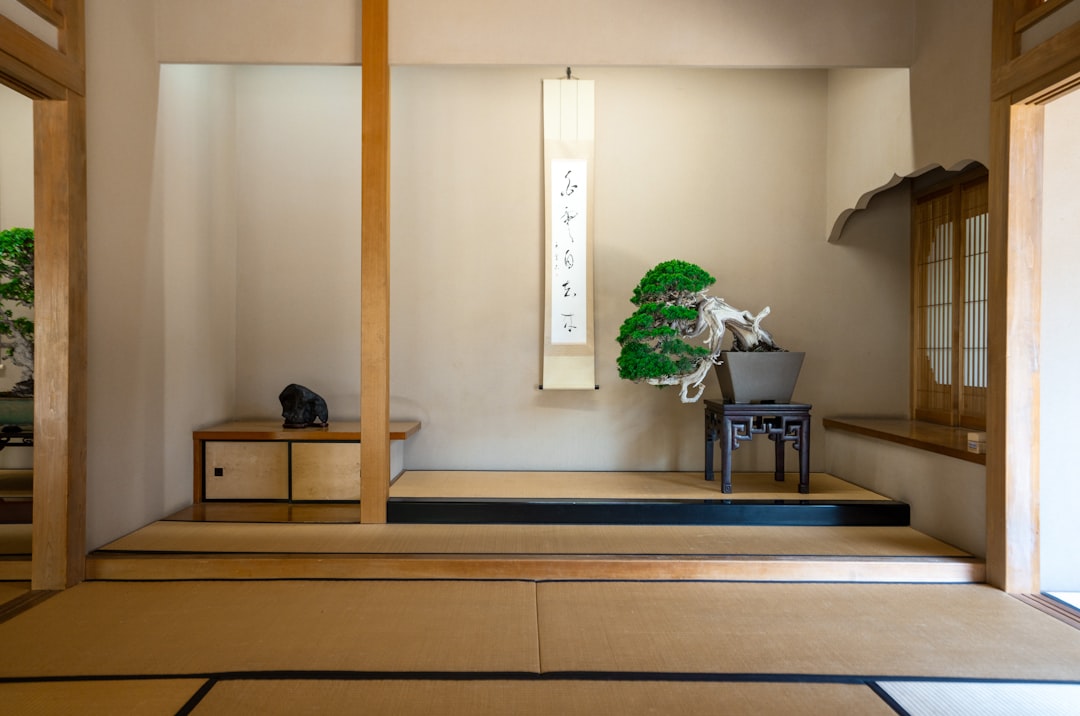
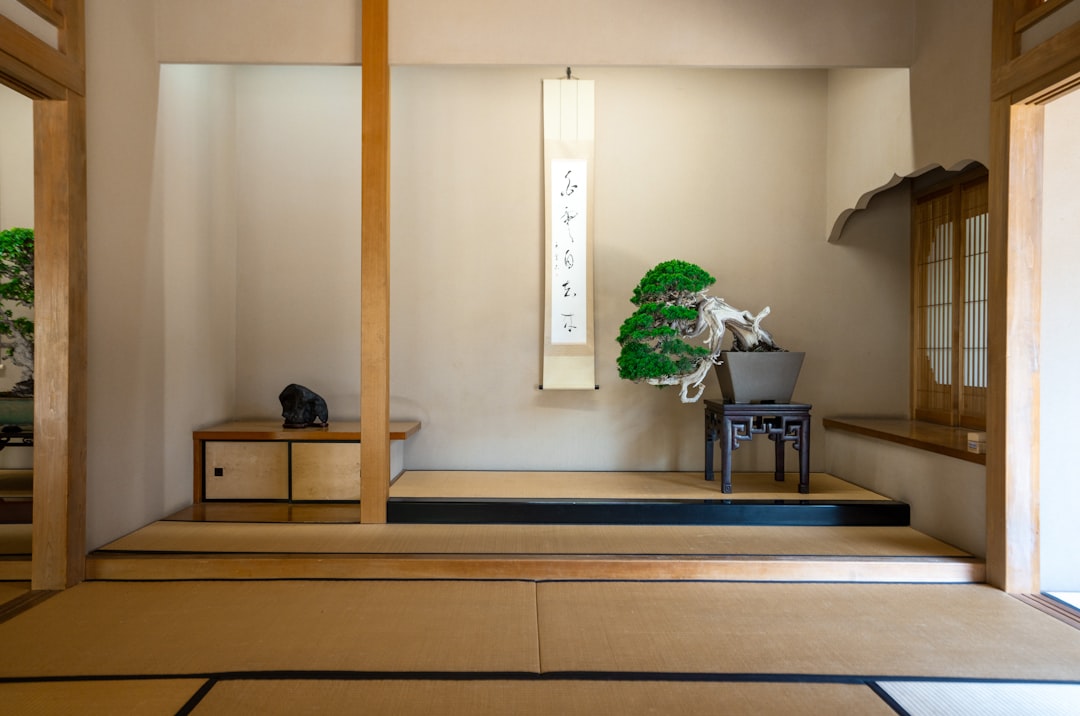
During the 15th and early 16th centuries, the way of tea was enjoyed primarily by Zen monks, members of the imperial court, and powerful daimyo. Within the tea room, a different kind of tension and trust emerged among those gathered—one that had nothing to do with military might. Nobunaga understood this space and learned to master it.
The Tea Gathering as Diplomacy: Nobunaga’s Strategy
Throughout his life, Nobunaga held numerous tea gatherings. The most famous were those held at Azuchi Castle, his seat of power. By hosting tea ceremonies there, Nobunaga demonstrated that he embodied both the authority of a castle lord and the refinement of a cultured man.
To be invited to a tea gathering meant receiving special recognition from Nobunaga. The guest list was carefully limited—only selected daimyo, influential figures, and tea masters were invited. In other words, an invitation to tea was itself a form of political approval and a guarantee of status.
Moreover, the tea gathering became a place where Nobunaga could assess the true measure of his associates in ways that military strength alone could not reveal. In the formal tension of the tea room, how would a person conduct themselves? The courtesy with which they received the tea bowl, their words in conversation, their manner toward other guests—from such details, Nobunaga could read a person’s character and trustworthiness.
To survive in the age of war required more than military might; it demanded the ability to build and maintain relationships. The way of tea provided the perfect stage for this essential work.
Tea Implements as Reward: The Materialization of Power
One of Nobunaga’s most ingenious political tactics was to bestow celebrated tea implements (mebutsu) upon favored daimyo. These “celebrated pieces”—prized tea bowls and tea caddies—possessed historical value, having passed through many hands over generations to reach the present day.
In Nobunaga’s time, ownership of or the right to use such objects was far more than a matter of aesthetic worth. It had become a symbol of political status. When Nobunaga granted a celebrated piece to a particular daimyo, he was announcing to the entire vassal hierarchy and to rival lords that this man had earned Nobunaga’s recognition.
Toyotomi Hideyoshi (later known as Toyotomi Hideyoshi), who began as Hanbei Toyohashi under Nobunaga, learned from his lord how to use tea implements strategically and later employed this same method to demonstrate Toyotomi power. This shows that Nobunaga’s strategy was inherited by his successors.
Furthermore, the bestowal of a tea implement appealed to the recipient’s sense of honor in ways that money or territory could not. That a mere fragment of pottery or a small metal tea caddy could be valued at more than a thousand ryo (the old Japanese currency) was testimony to the fact that it represented Nobunaga’s discerning eye and his power. Among the Sengoku daimyo, many deepened their loyalty to Nobunaga precisely in hopes of receiving such a reward.
A Common Misunderstanding: The Way of Tea Was Not Mere Cultural Taste
Historical accounts sometimes simplify matters by saying Nobunaga “enjoyed the way of tea as a matter of refinement.” But in reality, a pragmatist as thorough as Nobunaga would not have devoted time and resources to an activity with no political benefit.
Nobunaga’s involvement in the way of tea was part of a larger master strategy for unification. To keep territories won by the sword stable over the long term required a psychological bond between ruler and ruled, between lord and retainer. The way of tea was the most sophisticated instrument available for achieving this goal.
The tea masters with whom Nobunaga associated through the way of tea were not mere cultural figures; they were deeply rooted in Kyoto’s cultural world of the time. Building relationships with them created indirect channels of negotiation with the imperial court and with shrine and temple institutions. For Nobunaga, the way of tea was an extraordinarily efficient activity in which politics, diplomacy, and the display of power were all unified.
※This article is based on information current as of May 12, 2026. Temple and shrine visiting hours and event schedules may change, so please confirm on official websites before your visit.
Travel is often enriched more by unexpected discoveries than by careful planning. This article is provided as reference information; final decisions about visiting should be made in light of local conditions and the season.
Takeaway
Through the relationship between Oda Nobunaga and the way of tea, an unexpected side of the warring states era comes into view.
- For Nobunaga, the way of tea was not a matter of refinement but a crucial political tool
- Invitations to tea gatherings and the bestowal of tea implements functioned as symbols of power and status
- Unifying the realm required not only military force but also psychological control and the building of trust
The Sengoku period, though seemingly defined by military might and cunning, was in fact the stage for highly sophisticated cultural policy at its depths. As the seasons turn and the tea season returns each year, it is worth pausing to imagine anew what those masters of the warring age were thinking in that quiet space.