Understanding the Etiquette of New Year Shrine Visits: The Two Bows, Two Claps, One Bow Ritual
Many people visit Shinto shrines to welcome the new year. However, few truly understand the proper etiquette of shrine worship. Most visitors perform the rituals somewhat haphazardly, without conscious intent. In fact, each gesture in a New Year shrine visit carries deep meaning, passed down through centuries. This article examines the fundamental practices of shrine worship and their underlying significance, helping us approach these rituals with renewed awareness.
The Essence of New Year Shrine Etiquette
A proper shrine visit begins even before passing through the torii (shrine gate). The basic practice involves avoiding the center of the approach path and performing the two bows, two claps, one bow sequence respectfully before the main hall. These gestures are expressions of reverence toward the divine, and performing them with sincere intention is what matters most.
Before the Torii: Preparing Your Heart and Body
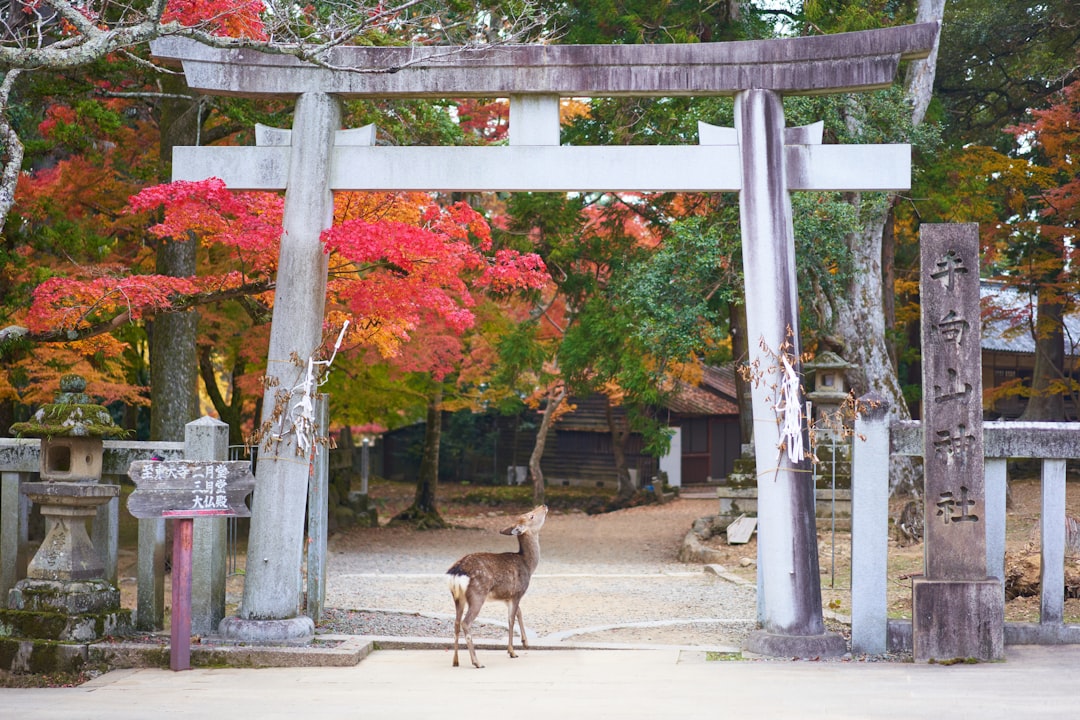
The torii gate marks the boundary between the everyday world and sacred space. It is customary to pause before passing through and offer a gentle bow as a sign of respect.
This moment of transition signals your entry into the divine realm. Though many people hurry past without pausing, this brief act of mindfulness fundamentally shapes your entire shrine experience.
As you walk the approach path, stay to either side and avoid the center, as that is considered the path of the deity. Maintain a natural stride. If you encounter a temizuya (water ablution basin), pause here to purify your hands and mouth before proceeding.
The water purification ritual follows a specific order: left hand, right hand, mouth, and finally the handle of the ladle itself. Since this is traditionally done with a single ladle of water, efficiency is important as you move through each step.
The Core Ritual Before the Main Hall: Two Bows, Two Claps, One Bow
The central act of shrine worship is the “two bows, two claps, one bow” sequence. After approaching the main hall and placing your offering in the offertory box, proceed with this ritual.
First bow: Fold from the waist to approximately 45 degrees, repeated twice
Begin with a deep bow. Keep your spine straight and fold from the hips, slowly repeating the gesture twice. Take your time and pause briefly between each bow—do not rush.
Two claps: Performed with clear, audible sound
After bowing, bring your hands together at chest height and clap twice. These sounds convey your message and respect to the divine. Clap with sufficient strength so the sound rings clearly and purely.
Final bow: One last deep bow of gratitude and respect
Conclude with one final, deliberate bow. This closing gesture embodies gratitude and honor. Throughout the entire sequence, each movement should be performed with care and genuine intention.
Common Misconceptions and Special Considerations for New Year Visits
Some people clasp their hands together and pray after the two claps, but this action is not technically part of the formal two bows, two claps, one bow sequence. While you may observe people making wishes in this manner, it represents a personal prayer that comes after the formal ritual. Once you have completed the prescribed steps, offering a private prayer is entirely appropriate as an expression of your own faith.
New Year visits attract large crowds. During peak hours, be mindful of those waiting behind you. Perform your gestures with care, but do so efficiently to avoid disrupting the flow of other visitors.
It is also worth noting that some shrines observe slightly different practices. Izumo Taisha (a major shrine in Shimane), for example, follows a “two bows, four claps, one bow” protocol. Customs vary by region and shrine tradition. If you are visiting a specific shrine, I recommend checking their guidelines beforehand.
As for the amount of money to offer, there is a popular belief that five yen or fifty yen coins are particularly auspicious. However, the monetary amount is less important than the sincerity of your heart. Offer whatever amount feels right to you, accompanied by genuine gratitude.
Departing from the Shrine
After completing your visit, retrace your steps along the approach path. When passing back through the torii, it is proper etiquette to turn toward the shrine and offer a final bow before departing the sacred grounds.
Shrine worship lies at the heart of Japan’s spiritual tradition. When we take time during New Year—the beginning of a fresh cycle—to perform these rituals with care and attention, many of us experience a subtle but profound sense of inner renewal. I encourage you to treasure not merely the outward forms, but the reverence and gratitude that give these practices their true meaning.
※This article is based on information current as of May 17, 2026. Shrine visiting hours and event schedules may change, so please verify details on official websites before your visit.
Travel teaches us that meaningful moments often arise unexpectedly, beyond what we plan. Use this article as a reference guide; ultimately, adapt your visit to the current conditions and season you encounter on the ground.
Summary
- Offer a bow before passing through the torii, avoid the center of the approach path, and cleanse yourself at the water basin—all are fundamental practices and part of preparing your spirit.
- The two bows, two claps, one bow sequence is the heart of proper shrine worship. Perform each movement with deliberation and sincere intention.
- Practices may vary by shrine and region. Checking in advance and remaining considerate of others will deepen your shrine experience.