The Etiquette of Shrine Worship: Meaning and Practice of Two Bows, Two Claps, One Bow
- Understanding Proper Shrine Etiquette
- The Essential Practice
- Preparing Your Heart Before Passing Through the Gate
- Each Stage of Two Bows, Two Claps, One Bow
- Common Misconceptions and Practical Wisdom
- After Your Visit: Extending the Practice
- ※This article is based on information current as of May 15, 2026. Shrine visiting hours and event schedules may change, so please check the official website before your visit. In travel, insights discovered on the spot matter more than perfect planning. This article is meant as reference information; make your final visit decisions based on local conditions and the season.
- Summary
Understanding Proper Shrine Etiquette
When visiting a shrine, many people find themselves wondering, “How should I worship properly?” Most visitors observe those around them or follow habit, yet rarely understand the meaning behind each gesture they perform.
The practice of two bows, two claps, and one final bow is considered the foundation of proper shrine worship. When we understand why this sequence exists, and what respect and intention each movement carries, our experience of worship becomes profoundly enriched.
In this article, I’ll walk you through the complete flow of shrine worship through practical demonstration, and explore the spiritual philosophy that underpins these customs.
The Essential Practice
The foundation of shrine worship is “two bows, two claps, one bow”—a series of movements expressing courtesy, gratitude, and reverence toward the divine. Each stage carries meaning, and knowing the etiquette makes your visit a more fulfilling experience. Yet here’s what matters most: the purpose of these movements is to settle your heart and mind. Sincerity matters far more than flawless execution.
Preparing Your Heart Before Passing Through the Gate
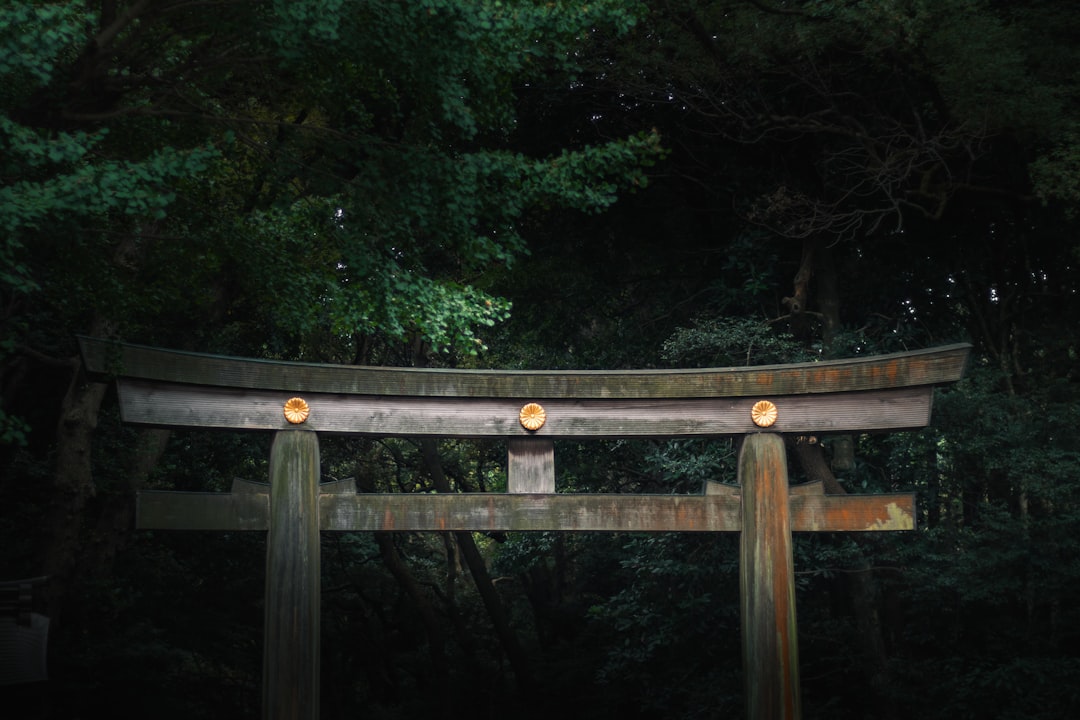
The torii (shrine gate) at the entrance marks the boundary between the everyday world and sacred space. Many visitors pause before the gate, taking a deep breath to calm their minds.
This moment of shifting your awareness is just as important as the formal gestures themselves. Shrine worship is a time to meet the divine, and it requires stepping away from distractions—your phone, your worries—and turning inward in preparation.
When walking along the shrine path, it’s customary to move quietly and slowly, rather than hurrying or speaking loudly. This is a basic expression of respect for sacred ground, and creates a shared sense of reverence among all who visit.
If there is a temizuya (water ablution pavilion) along the path, you will typically rinse your hands and mouth here. This cleansing is far more than a hygiene practice; it carries deep religious meaning—washing away spiritual impurity and preparing yourself to stand before the divine.
Each Stage of Two Bows, Two Claps, One Bow
The First Bow: Greeting the Kami
When you reach the shrine building, begin by bowing deeply toward it. This is the first of your two bows.
This initial bow is a greeting, informing the kami (Shinto deity) of your arrival and expressing reverence. Bend from the waist at nearly a right angle, holding the position for several seconds. The key is to move slowly and deliberately, not hastily.
The Second Bow: Offering Your Intentions
After rising from the first bow, bow a second time at the same depth. This second bow is the moment when you offer your heartfelt wishes and gratitude.
Many people come to shrines with specific requests in mind. Yet there is also a traditional understanding that shrine worship is fundamentally an act of giving thanks, with petitions being only a secondary element. Either way, this second bow is when your sincerity shines through most clearly.
Two Claps: Communion with the Divine
After rising from your bows, bring both hands together at chest height, open them to shoulder width, and clap twice. This gesture is called kashiwade.
Scholars interpret the meaning of clapping in different ways: as a call to the kami, as an expression of gratitude, or as a symbol of resonance and communion between the divine and the worshipper. The ancient Japanese belief holds that the sound of clapping reaches the ears of the kami within the shrine.
When you clap, what matters is not the volume or force, but the intention you pour into each sound. Mindless clapping is merely gesture; clapping with your whole heart transforms the quality of your worship.
The Final Bow: Gratitude and Departure
After your two claps, bring your hands together again and bow deeply one last time. This final bow expresses gratitude and respect while serving as a farewell—an acknowledgment that you are now leaving the sacred space and returning to the everyday world.
After completing this final bow, rise slowly without rushing. Step back gently or turn to the side as you leave the shrine path. Maintain a sense of calm and reverence as you complete your visit.
Common Misconceptions and Practical Wisdom
Letting Go of Perfectionism
Some visitors become deeply focused on executing the bows and claps with perfect angles and precise timing. Yet what truly matters is whether your heart is present, not whether your form is flawless.
Small imperfections are actually quite human, and there is a traditional belief that the kami watch over and appreciate the sincerity of human effort. If you chase perfection so intently that your mind scatters, you’ve missed the point entirely.
Differences Between Shrine and Temple Etiquette
Shrine and temple worship follow different customs. Temples typically use “one bow, one clap” or “bowing only,” while two bows and two claps are unique to Shinto shrines.
This difference reflects contrasting worldviews. Shinto tradition teaches that clapping creates a vital connection between humans and the kami, while Buddhism emphasizes meditation and inward reflection, and therefore refrains from external gestures like clapping.
Confirming whether you’re visiting a shrine or temple before your trip will allow you to worship without uncertainty.
Adapting to Weather and Circumstances
On rainy days, in cold seasons, or during crowded times, it may be difficult to perform the standard ritual in its complete form.
In such situations, flexibility matters: do what you can with devotion. On a day of heavy rain, spending a long time standing before the shrine building may not be practical, but even a brief moment of sincere bowing and clapping is meaningful and valid.
After Your Visit: Extending the Practice
After worshipping, many visitors explore the shrine grounds, draw an omikuji (paper fortune slip), or receive a goshuin (commemorative stamp) at the shrine office. These are all part of your visit, and the sense of reverence doesn’t simply end once you’ve completed the formal ritual.
The entire time you spend at the shrine is part of a continuous process of centering your heart and mind. Even after you return home, echoes of the peace you felt at the shrine may linger in your daily life.
Visiting the same shrine regularly deepens your practice. You’ll notice the seasons shift around you, and the etiquette will begin to feel increasingly natural and spontaneous.
※This article is based on information current as of May 15, 2026. Shrine visiting hours and event schedules may change, so please check the official website before your visit. In travel, insights discovered on the spot matter more than perfect planning. This article is meant as reference information; make your final visit decisions based on local conditions and the season.
Summary
The true essence of shrine etiquette lies in how you prepare your heart and mind. When you understand that sincerity matters more than perfection, you open yourself to a far richer experience of worship.
- Two bows, two claps, and one final bow form a sequence expressing reverence and gratitude toward the kami. Each stage carries distinct meaning.
- Shrine worship begins the moment you approach the torii gate. The shift in awareness as you pass through it shapes the quality of your entire visit.
- Adapt flexibly to seasons and circumstances, but always center yourself on the spirit of devotion.
Seasons turn and the hearts of visitors transform with them. Over time, as you return again and again, the ritual will become woven into your being—not merely as learned steps, but as a living practice.