- Understanding Japan Through Its Superstitions and Taboos
- Numbers and Their Hidden Meanings
- Chopstick Etiquette and Superstitions
- Directional Taboos and Spatial Awareness
- Mirror and Reflection Superstitions
- Animal-Related Superstitions and Omens
- Time-Related Superstitions and Lucky Days
- Gift-Giving Taboos and Expectations
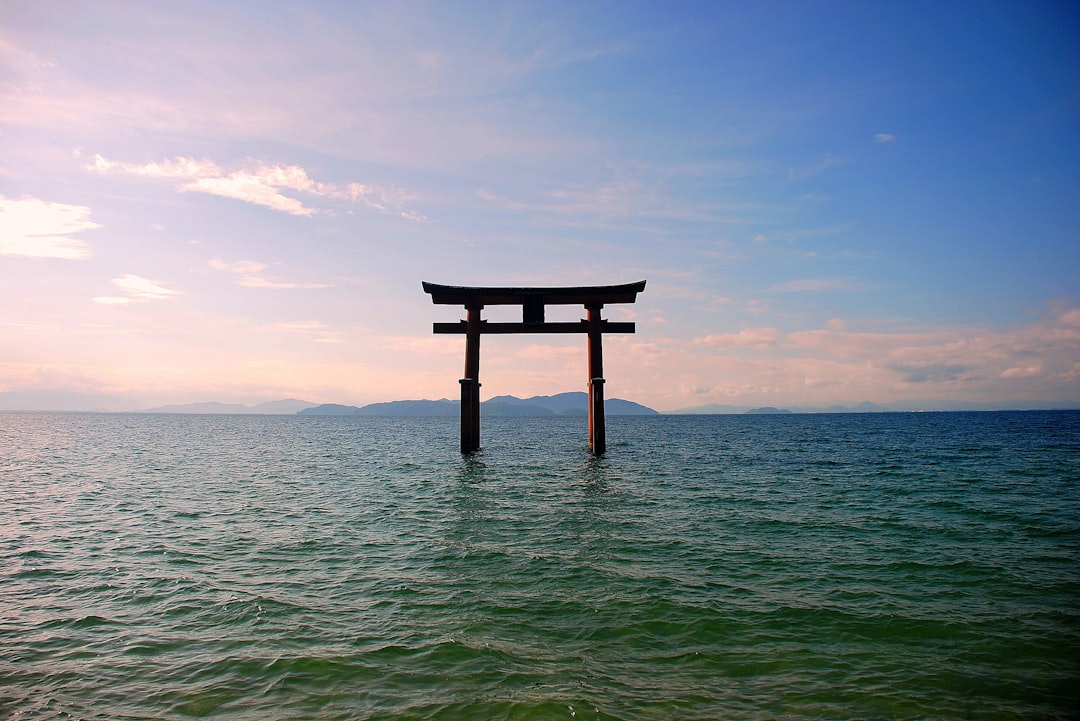
- Shrine and Temple Etiquette
- Business and Social Superstitions
- Regional Variations and Local Beliefs
- Practical Tips for Respectful Cultural Navigation
- Key Takeaways for Cultural Success
Understanding Japan Through Its Superstitions and Taboos
Walking through the bustling streets of Tokyo or the serene temples of Kyoto, you might notice locals bowing slightly at certain shrines, avoiding specific numbers in elevators, or carefully handling their chopsticks in particular ways. These behaviors stem from centuries-old superstitions and deeply ingrained cultural taboos that continue to shape Japanese society. For visitors to Japan, understanding these beliefs isn’t just about avoiding embarrassing mistakes – it’s about gaining deeper insight into the Japanese mindset and showing respect for local customs.
Japanese superstitions and taboos blend Shinto animism, Buddhist philosophy, and folk traditions that have evolved over thousands of years. While younger generations may approach these beliefs with varying degrees of seriousness, many remain deeply embedded in daily life, from business practices to family traditions. By familiarizing yourself with these cultural nuances, you’ll not only navigate social situations more gracefully but also appreciate the rich tapestry of beliefs that influences everything from architecture to interpersonal relationships in Japan.
Numbers and Their Hidden Meanings
Perhaps no superstition is more universally observed in Japan than the avoidance of certain numbers. The fear of specific digits runs so deep that it affects everything from hospital room assignments to product pricing, making this knowledge essential for any visitor.
The Notorious Number Four
The number four (shi in Japanese) sounds identical to the word for death, making it the most feared number in Japanese culture. You’ll notice its absence in many contexts: hotels often skip floor four, hospitals avoid room numbers containing four, and many apartment buildings jump from the third floor directly to the fifth. When giving gifts, avoid sets of four items, and be mindful when discussing quantities that include this number.
In some elevators, you’ll see the fourth floor marked as “F” instead of “4,” while others might use alternative kanji characters. This superstition extends to phone numbers, addresses, and even license plates, where people pay extra to avoid combinations containing the digit four.
Other Significant Numbers
The number nine (ku) also carries negative connotations because it can be pronounced the same way as the word for suffering or torture. While not as universally avoided as four, it still makes many Japanese people uncomfortable in certain contexts.
Conversely, several numbers bring good fortune. The number seven is considered lucky, influenced by Buddhist traditions, while eight represents prosperity and good fortune due to its shape resembling the gradually widening path of success.
| Number | Japanese Reading | Association | Common Avoidance |
|---|---|---|---|
| 4 | shi | Death | Hospital rooms, floor numbers, gift sets |
| 9 | ku | Suffering/Torture | Room numbers, phone numbers |
| 7 | nana/shichi | Good luck | Often used in promotions, festivals |
| 8 | hachi | Prosperity | Preferred in business, addresses |
Chopstick Etiquette and Superstitions
Chopsticks in Japan carry significant cultural weight beyond their practical function. Improper use doesn’t just mark you as unfamiliar with Japanese dining customs – it can invoke powerful negative associations related to death and the afterlife.
Fatal Chopstick Mistakes
Never stick your chopsticks upright in a bowl of rice. This practice, called “hotokebashi,” directly mimics funeral rituals where rice is offered to the deceased in exactly this manner. Similarly, passing food from chopstick to chopstick is strictly taboo, as this mirrors the Buddhist funeral practice of passing cremated bone fragments between family members.
Other chopstick taboos include pointing at people with them, using them to move dishes around, or leaving them crossed on your plate. Each of these actions has specific negative associations in Japanese culture, from invoking bad luck to showing disrespect to your hosts.
Proper Chopstick Practices
When you finish eating, place your chopsticks parallel to each other on the chopstick rest or across your bowl. If no rest is provided, you can place them on the edge of your plate. This shows respect and indicates you’ve finished your meal properly.
In restaurants, you’ll often receive disposable wooden chopsticks (waribashi). Breaking them apart cleanly and avoiding splinters shows good etiquette. If you’re struggling with chopstick use, don’t hesitate to ask for a fork – most establishments catering to international visitors keep them available.
Directional Taboos and Spatial Awareness
Japanese superstitions extend deeply into spatial relationships and directions, influencing everything from bedroom arrangements to business layouts. These beliefs, rooted in feng shui principles and indigenous Shinto concepts, continue to affect architectural decisions and daily life.
The Unlucky Northeast Direction
The northeast direction, called “kimon” or “demon’s gate,” is considered the most inauspicious direction in Japanese belief. Traditional houses often avoided placing entrances, toilets, or important rooms in the northeast corner. When staying in traditional ryokans or visiting historic buildings, you might notice how carefully spaces are arranged to minimize negative northeastern influences.
This superstition extends to travel planning for some Japanese people, who prefer not to travel in northeastern directions for important journeys. While most visitors won’t need to worry about this level of detail, understanding this belief helps explain certain architectural choices you’ll encounter.
Sleeping Positions and Directions
Sleeping with your head pointing north is strongly discouraged in Japan, as this is how corpses are positioned during funeral ceremonies. Most Japanese people will arrange their beds to avoid this orientation, and if you’re staying in traditional accommodations, your hosts may subtly guide you away from northern sleeping positions.
The preferred sleeping direction is east or south, believed to promote good health and positive energy flow. While Western-style hotels may not consider these factors, traditional accommodations often position bedding with these beliefs in mind.
Mirror and Reflection Superstitions
Mirrors hold special significance in Japanese culture, representing both spiritual power and potential danger. Understanding these beliefs helps explain certain behaviors and architectural choices you might encounter during your visit.
Broken Mirror Beliefs
A broken mirror is considered extremely unlucky in Japan, potentially bringing seven years of misfortune to the person responsible. This belief runs so deep that many Japanese people will go to great lengths to properly dispose of broken mirrors, sometimes taking them to temples for ritual purification.
If you accidentally break a mirror during your stay in Japan, wrap the pieces carefully in cloth or paper before disposal. Some hotels may even have specific procedures for handling broken mirrors, reflecting the seriousness of this superstition.
Mirror Placement Considerations
Traditional Japanese beliefs suggest that mirrors facing beds can disturb sleep and attract negative spirits. You might notice that mirrors in traditional accommodations are positioned thoughtfully, often covered or positioned away from sleeping areas.
In some regions, mirrors are believed to capture souls, leading to careful handling and positioning. While these beliefs vary in intensity among individuals, respecting mirror-related customs shows cultural sensitivity.
Animal-Related Superstitions and Omens
Animals play significant roles in Japanese superstitions, with different creatures carrying various meanings and associations. These beliefs influence art, architecture, and daily interactions with wildlife throughout Japan.
Cats and Their Mystical Powers
Black cats crossing your path are actually considered good luck in Japan, contrary to Western superstitions. However, cats with different colored eyes or unusually marked coats might be viewed with a mixture of reverence and caution, as they’re believed to possess supernatural abilities.
The “maneki-neko” (beckoning cat) statues you’ll see throughout Japan represent these positive feline associations. Different colored cats bring different types of luck: white for purity, black for warding off evil, and gold for financial prosperity.
Birds as Messengers
Different birds carry distinct meanings in Japanese superstition. Crows, while often seen as ominous in Western cultures, are considered messengers from the spiritual realm in Japan. Ravens appearing in groups might indicate important news or changes coming.
Owls represent wisdom and protection, while cranes symbolize longevity and good fortune. You’ll see crane motifs throughout Japanese art and architecture, reflecting these positive associations.
| Animal | Superstition/Meaning | Common Contexts | Visitor Considerations |
|---|---|---|---|
| Black Cat | Good fortune | Street encounters, shop decorations | Opposite of Western belief |
| Crow/Raven | Spiritual messenger | Urban areas, temple grounds | Shows respect, not fear |
| Crane | Longevity, good luck | Art, architecture, origami | Symbol of Japanese culture |
| Owl | Wisdom, protection | Temple decorations, amulets | Positive spiritual association |
Time-Related Superstitions and Lucky Days
Japanese calendar superstitions influence everything from wedding dates to business openings. Understanding these temporal beliefs helps explain scheduling preferences and cultural events you might encounter.
The Six Day Cycle
Japan follows a traditional six-day fortune cycle called “rokuyo,” with each day carrying specific characteristics. “Taian” days are considered most auspicious for weddings and important events, while “butsumetsu” days are avoided for celebrations. You might notice higher prices for wedding venues on taian days or reduced rates on less favorable days.
“Tomobiki” days are considered unlucky for funerals, as the name suggests friends might be “pulled along” to death. Most funeral homes close on these days, and you’ll see this reflected in scheduling throughout the country.
Monthly and Seasonal Considerations
Certain months carry stronger associations with good or bad fortune. The seventh month is traditionally associated with spirits and ancestors, leading to increased temple visits and spiritual activities. The month surrounding New Year (December and January) is considered highly auspicious for new beginnings and fresh starts.
Seasonal transitions, particularly the changing of seasons, are viewed as powerful times requiring extra attention to spiritual matters. You’ll notice increased shrine visits and ritual activities during these periods.
Gift-Giving Taboos and Expectations
Understanding Japanese gift-giving superstitions prevents embarrassing cultural missteps and demonstrates respect for local customs. These beliefs influence everything from business relationships to personal friendships.
Flowers and Their Hidden Messages
White flowers, particularly chrysanthemums, are strongly associated with funerals and death in Japan. Avoid giving white flowers as gifts unless specifically appropriate for memorial purposes. Similarly, giving potted plants to hospital patients is discouraged, as the roots suggest the person will be “rooted” to their illness.
Red flowers, while beautiful, can also carry unfortunate associations in certain contexts, particularly deep red blooms that might remind recipients of blood. Stick to colorful mixed arrangements or ask florists for culturally appropriate selections.
Sharp Objects and Their Implications
Knives, scissors, and other sharp objects are considered inappropriate gifts in Japan, as they symbolize cutting relationships or severing bonds. This extends to letter openers, kitchen knives, and even decorative blades. If you want to give something practical, consider alternatives that don’t carry these negative associations.
Sets of four items remain taboo due to the death association mentioned earlier. When purchasing gifts, count carefully and consider adding or removing items to avoid this number.
Shrine and Temple Etiquette
Religious sites in Japan operate under specific superstitions and taboos that govern proper behavior and spiritual practices. Following these guidelines shows respect and ensures positive spiritual experiences.
Purification Rituals and Requirements
Before entering shrine grounds, purification at the temizuya (water basin) is essential. Use the provided ladle to rinse both hands, then your mouth, following the prescribed sequence. This ritual removes spiritual impurities and prepares you for sacred space entry.
Avoid visiting shrines when you’re ill, in mourning, or experiencing other forms of spiritual “pollution” according to traditional beliefs. These restrictions reflect ancient concepts of purity and spiritual cleanliness that continue to influence shrine protocols.
Photography and Spiritual Spaces
Many areas within temples and shrines prohibit photography, particularly of sacred objects or during ceremonies. Flash photography is especially problematic, believed to disturb spiritual energy and disrespect sacred spaces.
Always check for posted signs or ask permission before photographing in religious contexts. Some locations allow exterior photography but restrict images of altars, statues, or ritual objects.
Business and Social Superstitions
Professional and social interactions in Japan incorporate numerous superstitions that influence everything from meeting scheduling to gift exchange protocols.
Business Card Etiquette and Beliefs
Business cards (meishi) carry spiritual significance beyond their practical function. Treat them with respect, using both hands for exchange and taking time to read them carefully. Placing business cards in back pockets or writing on them shows serious disrespect.
The quality and presentation of business cards reflect on personal and professional reputation. Many Japanese businesspeople believe that poorly printed or damaged cards bring bad luck to business relationships.
Meeting and Appointment Timing
Scheduling important meetings or events on auspicious days according to the traditional calendar shows cultural awareness and respect. While international businesses may not strictly follow these practices, understanding their influence helps explain scheduling preferences and cultural expectations.
Avoid scheduling celebrations or positive events on traditionally unlucky days when possible. This consideration demonstrates cultural sensitivity and may improve business relationships.
| Context | Superstition/Taboo | Proper Behavior | Why It Matters |
|---|---|---|---|
| Business Cards | Handle with both hands | Read carefully, store respectfully | Shows professional respect |
| Gift Giving | Avoid sets of 4, sharp objects | Choose appropriate numbers/items | Demonstrates cultural awareness |
| Dining | Chopstick positioning | Never stick upright in rice | Avoids funeral associations |
| Shrine Visits | Purification required | Use temizuya properly | Shows spiritual respect |
Regional Variations and Local Beliefs
While many superstitions are common throughout Japan, regional variations add complexity and local flavor to belief systems. Understanding these differences helps you navigate cultural nuances specific to your destination.
Okinawan Unique Traditions
Okinawa maintains distinct superstitions influenced by its unique history and Ryukyu Kingdom heritage. Local beliefs about spiritual protection, ancestor veneration, and seasonal celebrations may differ significantly from mainland Japanese practices.
The concept of “ikigami” (living spirits) in Okinawan tradition influences daily life and social interactions in ways unfamiliar to mainland visitors. Respecting these regional differences demonstrates cultural sensitivity and enhances your travel experience.
Northern Honshu Seasonal Beliefs
Regions like Tohoku maintain strong connections to agricultural superstitions and seasonal spiritual practices. Winter-related beliefs about spirits and protective rituals may seem more pronounced in these areas, reflecting the harsh climate’s influence on cultural development.
Local festivals and spiritual practices often incorporate unique superstitions not found elsewhere in Japan. Participating respectfully in regional celebrations provides insights into these localized belief systems.
Practical Tips for Respectful Cultural Navigation
Successfully navigating Japanese superstitions requires balance between awareness and practical application. You don’t need to adopt every belief, but showing respect and understanding enhances your cultural experience and social acceptance.
Learning Through Observation
Watch how locals behave in various situations, from shrine visits to restaurant dining. Japanese people often model appropriate behavior naturally, providing excellent learning opportunities for attentive visitors.
Pay attention to subtle cues like hesitation around certain numbers, careful handling of objects, or specific timing preferences. These observations reveal underlying superstitious beliefs and help you adjust your behavior accordingly.
Asking Questions Respectfully
Most Japanese people appreciate genuine interest in their cultural practices and beliefs. Ask questions respectfully, acknowledging that you’re learning about these traditions. Frame inquiries as educational rather than challenging existing beliefs.
Local guides, hotel staff, and cultural center personnel often enjoy sharing information about superstitions and their historical backgrounds. These conversations provide valuable insights into contemporary belief systems and their practical applications.
Key Takeaways for Cultural Success
Understanding Japanese superstitions and taboos transforms your visit from simple tourism to meaningful cultural exchange. These beliefs, whether followed strictly or acknowledged respectfully, represent thousands of years of cultural development and continue to influence daily life throughout Japan.
Remember that belief levels vary among individuals, from strict adherence to casual acknowledgment. Your role as a visitor is not to judge these practices but to show respect and cultural awareness. Simple gestures like proper chopstick use, respectful shrine behavior, and thoughtful gift selection demonstrate your commitment to understanding Japanese culture beyond surface-level attractions.
The effort you invest in learning these cultural nuances pays dividends in deeper connections with Japanese people, enhanced travel experiences, and genuine appreciation for the complex belief systems that shape this fascinating country. Whether you’re conducting business, making friends, or simply exploring as a curious traveler, this cultural knowledge opens doors to authentic interactions and meaningful memories.
Most importantly, approach these traditions with an open mind and genuine respect. Japanese superstitions and taboos offer windows into the Japanese soul, revealing values, fears, hopes, and wisdom accumulated over centuries. By understanding and honoring these beliefs, you join the ranks of truly culturally aware travelers who experience Japan not just as visitors, but as respectful participants in its rich cultural tapestry.