- Why Hokkaido Is Japan's Ultimate Nature Destination
- Essential National Parks and Protected Areas
- Wildlife Viewing Opportunities
- Seasonal Natural Phenomena
- Hot Springs and Geothermal Areas
- Adventure Activities for Nature Enthusiasts
- Practical Planning for Nature Travel
- Cultural and Environmental Responsibility
- Planning Your Hokkaido Nature Adventure
- Conclusion: Embracing Hokkaido's Natural Heritage
Why Hokkaido Is Japan’s Ultimate Nature Destination
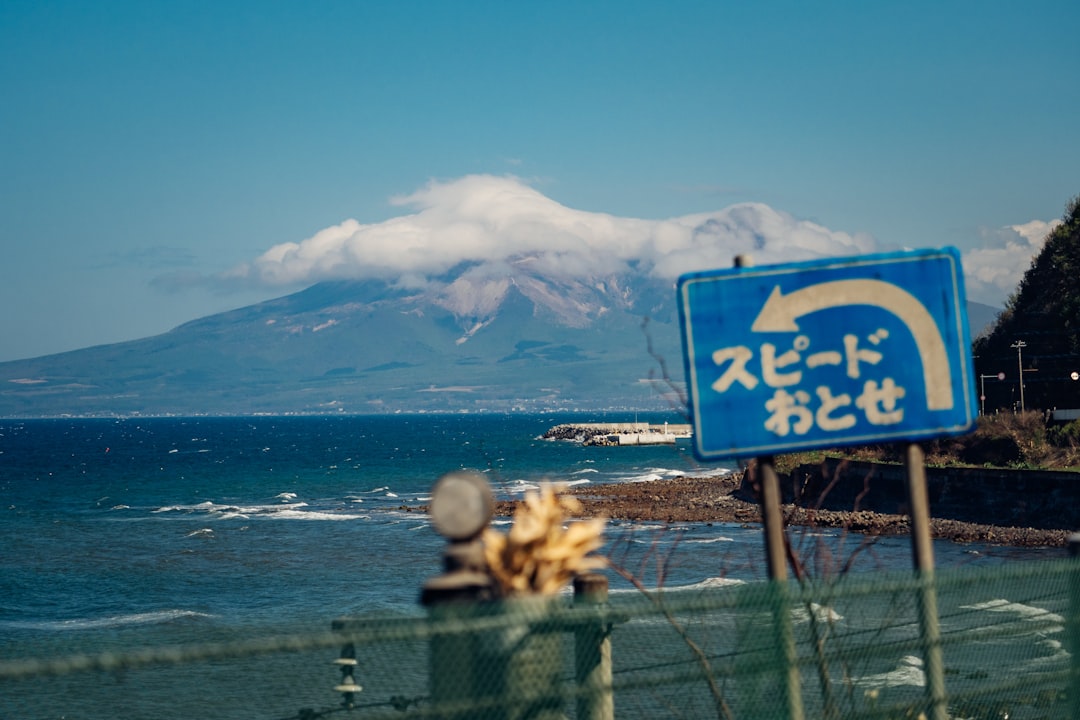
Hokkaido represents everything that nature-loving travelers dream about when planning their Japan adventure. As the country’s northernmost island, this pristine wilderness offers a completely different experience from the bustling cities and ancient temples found elsewhere in Japan. With six national parks, vast forests, pristine lakes, active volcanoes, and unique wildlife found nowhere else in the country, Hokkaido serves as Japan’s natural playground.
What makes Hokkaido particularly special for international visitors is its accessibility combined with genuine wilderness experiences. You can easily travel from Sapporo’s urban comforts to untouched landscapes where brown bears roam freely and red-crowned cranes perform their elegant dances. The island’s four distinct seasons each offer completely different natural spectacles, from winter’s famous powder snow to summer’s vibrant flower fields.
Whether you’re an experienced hiker seeking challenging mountain trails, a wildlife photographer hoping to capture Japan’s most elusive animals, or simply someone who finds peace in natural hot springs surrounded by forest, Hokkaido delivers experiences that will fundamentally change how you view Japan’s natural heritage.
Essential National Parks and Protected Areas
Daisetsuzan National Park: The Roof of Hokkaido
Daisetsuzan National Park encompasses Japan’s largest national park area and contains the island’s highest peaks. The park’s name translates to “Great Snowy Mountains,” and visitors quickly understand why this designation fits perfectly. The park centers around a massive volcanic group that includes Mount Asahidake, Hokkaido’s tallest peak at 2,291 meters.
The park offers hiking trails suitable for various experience levels. The Asahidake Ropeway provides access to high-altitude hiking without requiring technical climbing skills. From the ropeway station, you can explore alpine meadows filled with rare mountain flowers during summer months. The trail to Sugatami Pond offers spectacular reflections of surrounding peaks and takes approximately two hours round trip from the ropeway station.
For more experienced hikers, the grand traverse trail connecting multiple peaks provides multi-day adventures through pristine wilderness. Mountain huts along these routes offer basic accommodation, though you’ll need to bring your own food and sleeping equipment.
Shiretoko National Park: UNESCO World Heritage Wilderness
Shiretoko National Park, designated as a UNESCO World Heritage Site, represents one of the world’s most pristine temperate ecosystems. The park occupies the Shiretoko Peninsula’s northeastern portion, where the Sea of Okhotsk meets dramatic coastal cliffs and dense forests.
The park’s marine and terrestrial ecosystems support an incredible diversity of wildlife. Brown bears, the largest land predators in Japan, roam throughout the peninsula. The park management estimates that over 500 brown bears live within the relatively small area, making wildlife viewing opportunities exceptional but requiring careful planning and guide services for safety.
The famous Shiretoko Five Lakes trail provides an excellent introduction to the park’s ecosystems. This boardwalk and trail system allows visitors to explore without disturbing sensitive habitats while offering excellent chances to spot deer, foxes, and various bird species. The trail remains accessible most of the year, though winter visits require special equipment and experience.
Akan-Mashu National Park: Volcanic Lakes and Ancient Forests
Akan-Mashu National Park showcases volcanic landscapes and pristine caldera lakes. Lake Akan, famous for its rare marimo algae balls, sits surrounded by ancient forests and active volcanic peaks. These spherical green algae formations grow naturally in only a few locations worldwide, making Lake Akan a unique ecosystem worth protecting and experiencing.
Lake Mashu, often called the “Lake of the Gods,” maintains some of the world’s clearest water. The lake sits within a volcanic caldera with no inlets or outlets, creating an almost mystical atmosphere especially during early morning hours when mist rises from the water’s surface. Several observation points around the rim provide different perspectives of this natural wonder.
The park also contains significant cultural elements, as it overlaps with traditional Ainu territories. Visitors can learn about indigenous relationships with the natural environment while exploring the same landscapes that have supported Ainu communities for centuries.
| National Park | Size (km²) | Key Features | Best Season | Difficulty Level |
|---|---|---|---|---|
| Daisetsuzan | 2,267 | Highest peaks, alpine flowers, hot springs | June-October | Moderate to Advanced |
| Shiretoko | 386 | Brown bears, coastal cliffs, marine wildlife | May-October | Easy to Moderate |
| Akan-Mashu | 905 | Volcanic lakes, marimo algae, Ainu culture | April-November | Easy to Moderate |
| Kushiro-Shitsugen | 269 | Wetlands, red-crowned cranes, canoeing | April-October | Easy |
| Rishiri-Rebun-Sarobetsu | 212 | Island flora, coastal scenery, alpine hiking | June-September | Moderate |
| Shikotsu-Toya | 993 | Volcanic lakes, hot springs, winter activities | Year-round | Easy to Moderate |
Wildlife Viewing Opportunities
Brown Bear Encounters
Hokkaido hosts Japan’s only population of brown bears, making wildlife viewing here completely unique within the country. These impressive animals, locally called “higuma,” can weigh up to 400 kilograms and represent the apex predators in Hokkaido’s ecosystems.
Shiretoko Peninsula offers the best bear viewing opportunities, particularly from tour boats operating along the coast during salmon spawning seasons. These marine excursions allow safe observation while bears fish along rocky shorelines and beaches. Professional guides provide interpretation about bear behavior and conservation efforts.
Several companies offer specialized bear watching tours with experienced guides who understand animal behavior and safety protocols. These tours typically cost between 8,000-15,000 yen per person and include transportation, guide services, and safety equipment. Spring and autumn provide the most reliable viewing opportunities when bears are most active and visible.
Red-Crowned Crane Conservation
The red-crowned crane, known in Japanese as “tancho,” represents one of the world’s most endangered bird species and holds special significance in Japanese culture as a symbol of longevity and good fortune. Hokkaido supports the world’s only non-migratory population of these magnificent birds.
Kushiro-Shitsugen National Park serves as the primary habitat for red-crowned cranes, with the wetlands providing ideal nesting and feeding areas. The Kushiro Japanese Crane Reserve offers excellent viewing opportunities, especially during winter months when cranes gather at feeding stations.
The famous crane dancing displays occur during mating season in late winter and early spring. These elaborate courtship rituals involve synchronized jumping, wing spreading, and calling that creates one of nature’s most spectacular performances. Professional photography tours focus on capturing these behaviors, though general visitors can also observe and photograph the displays with basic equipment.
Marine Wildlife Along the Coasts
Hokkaido’s extensive coastline supports diverse marine ecosystems that attract whales, seals, and seabirds throughout the year. The cold waters of the Sea of Okhotsk and North Pacific create ideal conditions for marine mammals and their prey species.
Whale watching opportunities peak during summer months when several species migrate through Hokkaido waters. Sperm whales, minke whales, and occasionally blue whales can be spotted from tour boats operating from ports like Rausu and Nemuro. These excursions typically last 3-4 hours and cost approximately 6,000-8,000 yen per adult.
The drift ice season brings unique wildlife viewing opportunities as ringed seals and Steller’s sea eagles follow the ice edge. Specialized ice-breaking boats operate from ports along the Okhotsk coast, providing access to this extraordinary ecosystem that exists nowhere else at such accessible latitudes.
Seasonal Natural Phenomena
Winter Wonders
Hokkaido’s winter transforms the island into a completely different landscape, offering natural phenomena impossible to experience elsewhere in Japan. The famous powder snow results from unique weather patterns where moisture from the Sea of Japan meets Siberian cold air masses, creating consistently dry, light snow conditions.
The drift ice phenomenon along the Okhotsk coast represents one of the world’s southernmost sea ice experiences accessible to general tourists. The ice typically arrives in late January and remains visible through March, creating surreal landscapes where white ice extends to the horizon. Towns like Abashiri become bases for ice-walking tours and specialized wildlife viewing.
Winter also brings unique wildlife behaviors, as many species adapt to harsh conditions in fascinating ways. Snow monkeys, while more famous in central Japan, also inhabit Hokkaido and can be observed bathing in hot springs. The contrast between their warm baths and snowy surroundings creates compelling photography opportunities.
Spring Awakening
Spring in Hokkaido arrives later than the rest of Japan but brings dramatic changes as snow melts reveal landscapes hidden for months. The spring thaw creates powerful waterfalls, rushing rivers, and temporary wetlands that attract migrating birds.
Cherry blossom season in Hokkaido occurs several weeks after the famous sakura season in southern Japan, typically peaking in early May. This timing means travelers can potentially experience cherry blossoms twice during a single Japan visit by following the bloom progression northward.
Spring also marks the beginning of bear activity after winter hibernation, making it an excellent time for wildlife viewing. Brown bears emerge hungry and are more likely to be visible as they search for food along coastlines and in open areas.
Summer Abundance
Hokkaido’s summer offers the most diverse natural experiences, with comfortable temperatures, blooming flowers, and active wildlife. The famous lavender fields around Furano create purple landscapes that attract visitors from around the world, though many other flower species create equally spectacular displays throughout the island.
High-altitude hiking becomes possible during summer months, with alpine areas accessible that remain snow-covered most of the year. Mountain flowers bloom in profusion during the short growing season, creating displays of rare alpine species found nowhere else in Japan.
Summer also provides the best opportunities for multi-day hiking and camping experiences. Many trails that remain closed during winter months reopen, and mountain huts provide basic accommodation for extended wilderness adventures.
Autumn Transformations
Autumn arrives early in Hokkaido, with colors beginning to change in September at high elevations and spreading to lower areas through October. The autumn foliage, known as “koyo,” displays more vibrant colors than many other parts of Japan due to the diverse tree species and dramatic temperature changes.
This season also brings salmon runs to Hokkaido’s rivers, creating feeding opportunities for brown bears and excellent wildlife viewing. The salmon spawning creates natural spectacles along rivers like the Chitose River, where thousands of fish create silver streams moving upstream.
Autumn hiking offers comfortable temperatures, clear views, and fewer crowds than summer months. Many consider this the ideal time for serious photography, as the combination of clear weather, colorful landscapes, and active wildlife creates optimal conditions.
Hot Springs and Geothermal Areas
Noboribetsu: Hell Valley and Healing Waters
Noboribetsu represents Hokkaido’s most famous hot spring destination, centered around the dramatic Jigokudani (Hell Valley) geothermal area. This volcanic valley produces hot springs, steam vents, and sulfur deposits that create an otherworldly landscape easily accessible from nearby resort areas.
The area offers numerous hot spring resorts ranging from luxury hotels to traditional ryokan accommodations. Many facilities provide day-use options for travelers not staying overnight, typically costing 500-2,000 yen for access to hot spring baths.
Hell Valley itself provides excellent hiking opportunities with well-maintained trails leading through the geothermal area. The contrast between steaming volcanic activity and surrounding forests creates unique ecosystems where specialized plant species thrive in the mineral-rich soil and warm microclimates.
Sounkyo: Hot Springs Among Mountain Peaks
Sounkyo hot springs sit within Daisetsuzan National Park, surrounded by dramatic cliff faces and mountain peaks. This location combines excellent hot spring experiences with access to some of Hokkaido’s best hiking trails.
The hot springs here maintain naturally high mineral content that many visitors find particularly therapeutic after day-long hiking adventures. Several hotels offer hot spring access with mountain views, allowing visitors to soak while observing sunrise or sunset over the peaks.
Winter transforms Sounkyo into an ice festival location where artificial ice sculptures combine with natural ice formations along the gorge walls. The hot springs provide welcome warmth during cold weather exploration of these winter wonderlands.
Hidden Hot Springs for Adventurous Travelers
Beyond the famous resort areas, Hokkaido contains numerous undeveloped hot springs accessible only by hiking trails or forest roads. These “secret” hot springs, known as “nojuku onsen,” provide authentic wilderness experiences for adventurous travelers.
Kamuiwakka Hot Falls combines hot spring water with a natural waterfall, creating a unique hiking experience where visitors climb through increasingly warm pools. Access requires appropriate footwear and hiking experience, as the trail involves scrambling over wet rocks.
Many of these wild hot springs require preparation and local knowledge to access safely. Consider joining guided tours or consulting local tourist information centers for detailed directions and safety information before attempting to visit undeveloped spring areas.
| Hot Spring Area | Access Level | Day Use Price | Special Features | Best Season |
|---|---|---|---|---|
| Noboribetsu | Easy | 500-2,000 yen | Hell Valley, multiple spring types | Year-round |
| Sounkyo | Easy | 600-1,500 yen | Mountain views, ice festival | Year-round |
| Jozankei | Easy | 800-1,200 yen | Urban access, autumn colors | April-November |
| Kamuiwakka Hot Falls | Difficult | Free | Waterfall climbing, wilderness | July-September |
| Shikaribetsu Lake Kotan | Moderate | 1,000 yen | Ice bath, winter only | January-March |
Adventure Activities for Nature Enthusiasts
Hiking and Mountaineering
Hokkaido offers hiking experiences ranging from gentle nature walks to challenging multi-day mountain traverses. The island’s hiking season typically extends from May through October, though high-altitude areas may remain snow-covered until July.
Mount Rishiri provides one of Japan’s most scenic island hiking experiences. This volcanic peak rises directly from the sea, offering 360-degree ocean views from the summit. The hike requires a full day and good fitness levels, but the unique perspective of climbing a mountain surrounded entirely by ocean makes the effort worthwhile.
The Shiretoko Peninsula offers coastal hiking trails that combine forest walking with dramatic ocean cliff views. These trails provide excellent wildlife viewing opportunities while avoiding the more technical mountain climbs required elsewhere in Hokkaido.
For winter hiking, snowshoeing provides access to areas impassable during other seasons. Many tour companies offer snowshoe rentals and guided trips, making winter wilderness exploration accessible even for visitors without specialized equipment.
Canoeing and Kayaking
Hokkaido’s numerous rivers, lakes, and coastal areas provide excellent paddling opportunities for various skill levels. The Kushiro River system offers gentle canoeing through wetland areas with excellent wildlife viewing possibilities.
Lake Shikotsu and Lake Toya provide calmer water experiences suitable for beginners, with rental facilities and guided tours available. These volcanic lakes offer crystal-clear water and mountain scenery that creates memorable paddling experiences.
Sea kayaking along Hokkaido’s coast provides more adventurous paddling, with opportunities to observe marine wildlife and access remote beaches. Professional guide services offer equipment, safety instruction, and local knowledge essential for safe coastal paddling.
River rafting becomes possible on some Hokkaido rivers during spring snowmelt, when higher water levels create exciting rapids. The Chitose River and parts of the Ishikari River system offer guided rafting experiences suitable for various experience levels.
Winter Sports in Natural Settings
Beyond the famous ski resorts, Hokkaido offers numerous winter activities that emphasize natural environment experiences. Cross-country skiing and ski touring provide access to pristine winter landscapes away from developed areas.
Ice climbing opportunities exist in various locations where frozen waterfalls create natural climbing routes. Professional guide services offer instruction and equipment for travelers interested in trying this specialized winter sport.
Dog sledding experiences combine traditional transportation methods with wilderness exploration. Several operations offer multi-day sled dog expeditions that provide authentic winter travel experiences through forests and across frozen lakes.
Practical Planning for Nature Travel
Transportation to Natural Areas
Getting around Hokkaido requires careful planning, as many natural areas sit far from major transportation hubs. Rental cars provide the most flexibility for nature travel, allowing access to remote trailheads and natural areas not served by public transportation.
The JR Hokkaido rail network connects major cities and some natural areas, though service frequency may be limited compared to other parts of Japan. The JR Hokkaido Pass offers unlimited travel on JR lines for 3, 5, 7, or flexible day periods, making it cost-effective for travelers planning multiple destinations.
Local buses serve many national parks and natural areas, though schedules often align with Japanese domestic tourism patterns rather than international visitor needs. Planning bus connections requires checking schedules carefully and allowing extra time for connections.
Tour operators offer transportation solutions combined with guided experiences, which can be more convenient than independent travel for visitors with limited time or Japanese language skills.
Accommodation Options
Accommodation in Hokkaido’s natural areas ranges from luxury resort hotels to basic mountain huts. Planning ahead becomes essential, especially during peak seasons when popular areas book completely.
Many national parks offer camping facilities that provide affordable accommodation close to hiking trails and natural attractions. These campgrounds typically operate from May through October and offer basic facilities including restrooms, water, and sometimes cooking areas.
Mountain huts along hiking trails provide shelter for multi-day treks, though amenities vary significantly. Some huts offer bedding and meals, while others provide only basic shelter requiring visitors to bring sleeping equipment and food.
Hot spring hotels and ryokan near natural areas often provide the most comfortable accommodation options, combining traditional Japanese hospitality with access to outdoor activities. These facilities typically include hot spring baths, traditional meals featuring local ingredients, and knowledgeable staff who can provide activity recommendations.
Essential Gear and Preparation
Hokkaido’s weather can change rapidly, making appropriate gear essential for safe outdoor activities. Even summer hiking requires warm clothing layers, as temperatures can drop significantly at higher elevations or during weather changes.
Bear awareness becomes crucial when hiking in many areas of Hokkaido. Bear bells, noise-making devices, and proper food storage techniques help prevent dangerous encounters. Many areas require or strongly recommend carrying bear spray, which can be purchased or rented locally.
Navigation equipment gains importance in Hokkaido’s wilderness areas, where trails may be less developed than in other parts of Japan. GPS devices, detailed topographic maps, and compass skills help ensure safe navigation, especially during adverse weather conditions.
Emergency communication equipment should be considered for remote area travel. Satellite communicators or emergency beacons provide vital safety backup in areas without cell phone coverage.
| Activity Type | Essential Gear | Rental Availability | Estimated Cost | Safety Considerations |
|---|---|---|---|---|
| Summer Hiking | Layers, rain gear, sturdy boots | Limited | 15,000-25,000 yen | Bear awareness, weather changes |
| Winter Hiking | Insulated clothing, crampons, snowshoes | Good | 20,000-35,000 yen | Avalanche risk, extreme cold |
| Kayaking | Life jacket, dry bag, appropriate clothing | Excellent | 5,000-8,000 yen/day | Cold water, weather awareness |
| Wildlife Photography | Telephoto lens, tripod, camouflage | Limited | 50,000+ yen | Animal behavior, respectful distance |
| Hot Spring Visits | Towel, toiletries, slip-resistant sandals | Often provided | 500-2,000 yen | Hot water temperature, etiquette |
Cultural and Environmental Responsibility
Leave No Trace Principles
Hokkaido’s pristine natural environments require careful stewardship from all visitors. Following Leave No Trace principles becomes especially important in areas supporting endangered species and fragile ecosystems.
Proper waste management takes on critical importance in bear country, where improperly stored food or waste can create dangerous situations for both animals and future visitors. All food and scented items must be stored properly, and all waste must be packed out from wilderness areas.
Trail etiquette includes staying on designated paths to prevent erosion and habitat damage. Many areas in Hokkaido recover slowly from disturbance due to short growing seasons and harsh conditions.
Wildlife viewing requires maintaining appropriate distances and avoiding behaviors that might alter natural animal behaviors. Using telephoto lenses for photography allows capturing great images without disturbing subjects.
Supporting Conservation Efforts
Many of Hokkaido’s natural areas benefit from visitor fees and donations that support conservation programs. Participating in these programs helps ensure that future generations can enjoy the same pristine experiences.
Choosing tour operators and accommodations that demonstrate environmental responsibility supports sustainable tourism development. Look for businesses that employ local guides, use environmentally friendly practices, and contribute to conservation efforts.
Learning about local conservation challenges helps visitors understand the complex balance required to maintain natural areas while providing access for tourism. The red-crowned crane conservation program exemplifies successful collaboration between government agencies, local communities, and tourism operators.
Respecting Ainu Cultural Connections
Many of Hokkaido’s natural areas hold deep significance for the Ainu, the indigenous people of northern Japan. Understanding and respecting these cultural connections enriches the travel experience while showing appropriate respect for indigenous heritage.
Several areas offer opportunities to learn about traditional Ainu relationships with the natural environment. These educational experiences provide valuable context for understanding how indigenous knowledge contributed to current conservation efforts.
Supporting Ainu cultural tourism initiatives helps preserve traditional knowledge while providing economic opportunities for indigenous communities. Many Ainu-operated tours combine cultural education with nature experiences.
Planning Your Hokkaido Nature Adventure
Itinerary Suggestions
A comprehensive Hokkaido nature experience requires at least one week, though two weeks allows for more thorough exploration and relaxation between activities. Planning should account for travel distances, seasonal accessibility, and personal interests.
A week-long itinerary might include Sapporo for urban amenities and trip preparation, followed by Daisetsuzan National Park for mountain experiences, Shiretoko Peninsula for wildlife viewing, and Akan-Mashu National Park for volcanic landscapes and cultural experiences.
Two-week itineraries allow for more remote destinations like Rishiri and Rebun Islands, extended hiking adventures, and time for spontaneous discoveries. This duration also permits focusing on specific interests like photography, wildlife observation, or hot spring experiences.
Seasonal timing significantly affects what experiences are possible. Summer offers the most activity options and best weather, while winter provides unique experiences impossible during other seasons. Spring and autumn offer fewer crowds and dramatic seasonal transitions.
Budget Planning
Nature travel in Hokkaido can accommodate various budgets depending on accommodation choices, activity selections, and transportation methods. Budget travelers can enjoy many experiences through camping, public transportation, and self-guided activities.
Mid-range budgets allow for comfortable accommodations, rental car transportation, and guided tours that enhance safety and educational value. This budget level typically provides the best balance between comfort and authentic nature experiences.
Luxury nature travel in Hokkaido includes high-end accommodations, private guides, helicopter access to remote areas, and exclusive experiences like private hot spring facilities. These options provide maximum comfort and convenience for travelers prioritizing service and exclusivity.
Emergency funds should account for weather delays, equipment needs, and potential changes to planned activities. Hokkaido’s weather can be unpredictable, sometimes requiring flexibility in scheduling and additional expenses for alternative activities or extended stays.
Conclusion: Embracing Hokkaido’s Natural Heritage
Hokkaido offers nature lovers an unparalleled opportunity to experience Japan’s wild side in ways impossible anywhere else in the country. From the dramatic volcanic landscapes of national parks to encounters with brown bears and red-crowned cranes, the island provides authentic wilderness experiences within a framework of Japanese hospitality and infrastructure.
The key to successful Hokkaido nature travel lies in thorough preparation, respect for natural environments, and openness to experiences that differ dramatically from typical Japan travel. Whether soaking in remote hot springs after challenging hikes, photographing rare wildlife in pristine habitats, or simply finding peace in landscapes largely unchanged by human development, Hokkaido rewards visitors who come seeking genuine connection with the natural world.
Remember that each season offers completely different experiences, making Hokkaido a destination worth visiting multiple times. The winter wonderland, spring awakening, summer abundance, and autumn transformations each reveal different aspects of the island’s natural personality.
Most importantly, approach Hokkaido with the understanding that you’re visiting ecosystems and wildlife habitats that require protection and respect. By traveling responsibly, supporting conservation efforts, and sharing your experiences thoughtfully, you become part of the effort to preserve these natural treasures for future generations of travelers and the wildlife that calls Hokkaido home.
Pack your sense of adventure, prepare for weather changes, and get ready to discover why Hokkaido represents the ultimate nature destination for anyone seeking to understand the full scope of Japan’s natural heritage.