Walking the Historic Routes: Encountering Old Japan in the Post Towns of Kyoto, Nara, and Kamakura
A Different Path to Understanding
When people visit Kyoto, many head straight for famous temples and shrines like Kiyomizu-dera or Fushimi Inari Taisha. Yet I believe the true essence of these ancient capitals lies not in such celebrated landmarks, but in the quiet post towns that line the old highways.
During the Edo period, post towns—known as shukuba (宿場)—flourished as vital waypoints along Japan’s five major routes, supporting the flow of travelers. Today, districts like Fushimi in Kyoto, Yagyū in Nara, and Zaimokuza in Kamakura still preserve echoes of those former post towns. Walking through these places, the history of Japan’s travel culture and way of life naturally emerges.
In this article, I’d like to explore the key points for visiting post towns scattered across three ancient capitals, the cultural significance they hold, and their value for modern travelers—all grounded in firsthand experience.
The Essential Insight
Post towns were far more than collections of inns and souvenir shops; they were places where Japanese travel culture, commerce, and local life converged. By choosing the right season to visit, you can experience history and the present streetscape overlapping. Each of the three post towns offers distinct lessons in historical function and contemporary preservation.
Fushimi, Kyoto: Where Sake Breweries and Post Towns Intersect
Why Fushimi Became the “Sake Capital”
The Fushimi district in southern Kyoto is still renowned as one of Japan’s premier sake-brewing regions. Yet Fushimi’s prominence in sake production emerged from a geographical advantage along the trade routes.
Fushimi lies at the confluence of the Yodo and Kizu rivers, making it a crucial hub for river transport during the Edo period. As the castle town of Fushimi Castle, it served as a post town welcoming countless travelers daily. The convergence of high-quality water, transportation convenience, and demand from the castle town naturally fostered a flourishing sake industry.
Walking through Fushimi today, you see earthen-walled sake breweries lined along the old highway. Many of these buildings once served dual functions—lodging weary travelers while simultaneously handling sake production and distribution. In other words, Fushimi’s post town was not merely a stopping point, but a living space intimately bound to regional industry.
Learning Hospitality from Kyoto Townhouses and Storehouse Design
The Kyoto townhouses and sake breweries preserved in Fushimi reveal how Edo-era inns were structured. Typical post-town houses featured wooden lattice doors facing the street, with a central courtyard and storehouses arranged behind.
This design was both functional and ingenious. The lattice door allowed innkeepers to see and hear travelers passing by, enabling constant awareness of the street’s activity. Storehouses served not just for storage but also as fire and earthquake-resistant vaults protecting valuables.
Some of Fushimi’s sake breweries retain original beams and fixtures, now operating as galleries or cafés. Visiting such spaces allows you to physically sense how travelers 400 years ago spent their evenings.
Yagyū, Nara: Where Swordsmanship, Tea, and the Highway Meet
The Historical Context of Yagyū
The Yagyū district in northeastern Nara is a former post town, yet its fame stems more from martial arts and tea culture. During the Edo period, the Yagyū clan was nationally renowned for swordsmanship. Yagyū Sekishusai, founder of the Yagyū Shinkage school of sword technique, and his descendants made this land their base for martial training, eventually becoming military instructors to the shogunate. This heritage shaped Yagyū’s development beyond ordinary lodging functions—it cultivated facilities and culture to welcome practitioners and scholars.
Walking through Yagyū, you still find remnants of former sword training halls and private homes with tea rooms. These are not mere historical artifacts, but evidence that Yagyū was no ordinary post town—it was a cultural center of martial study.
The Value of Walking the Old Road
The best way to experience Yagyū is to walk the historic route from central Nara, approximately 15 kilometers. Stone Buddhist images, remnants of tea houses, and hillside landscapes line the path, largely unchanged.
Walking this old road reveals that the vistas Edo-period travelers encountered remain virtually identical today: cedar groves in valleys, the sound of clear streams, and seasonal foliage. These natural features have barely changed in four centuries.
Yet modern signage and stone markers along the route show that this place is cherished as a venue for preserving and studying history. Yagyū doesn’t simply freeze the past—its spatial design encourages walkers to engage in dialogue between present and past.
Zaimokuza, Kamakura: A Post Town Open to the Sea
Zaimokuza as Gateway to Sagami Province
While Kamakura is better known as the seat of samurai government, the Zaimokuza district was a post town marking the entrance to Sagami Province. Kamakura’s beaches represent the junction between the Kanto Plain and Sagami Bay. The place name Zaimokuza derives from timber-accumulation yards that once existed here—indicating that Kamakura’s post town was a hub not only for land-route travel but also for maritime commerce.
Visiting Zaimokuza today, you notice relatively sparse old buildings; the 1923 Great Kanto Earthquake and subsequent urbanization destroyed many historic structures. Yet the stone-mortared walls and street layouts opening toward the sea reveal its former function as a maritime center.
Dynamism at the Intersection of Sea and Land
Zaimokuza’s post town differed fundamentally from those in Kyoto and Nara because it embraced the sea as an external force.
The beaches of Zaimokuza present different faces with each season. Winter brings treacherous high waves; summer and early autumn see calm conditions brought by Pacific high-pressure systems, enabling active maritime trade. Zaimokuza’s post town thus incorporated seasonal fluctuations in sea conditions when welcoming travelers and merchants.
Modern visitors, gazing at Zaimokuza’s waters, can sense the dynamism of Edo-era travel. The waves beyond the embankment and approaching cloud colors trigger imagination about the decisions those ancient travelers made when setting sail.
Approaching Post Towns with the Right Mindset
Choosing Season and Time of Day
To deeply understand ancient post towns, selecting the right season and time is crucial. Spring greenery and autumn foliage offer visual beauty, yet I recommend visiting during the off-season. Early summer through autumn, or quiet winter mornings, let you sense the “living breath” these buildings and streets once exhaled—just as Edo travelers once searched for inns amid such quietude.
Lodging and Dining Options
Small inns and restaurants still operate in Fushimi, Yagyū, and Zaimokuza, preserving elements of their post-town heritage. Many adaptively reuse original structures, making your stay itself a form of historical learning. However, hours and closures vary seasonally—always confirm details via official websites, social media, or phone before visiting.
A Common Misconception: “Post Towns = Touristic Theme Parks”
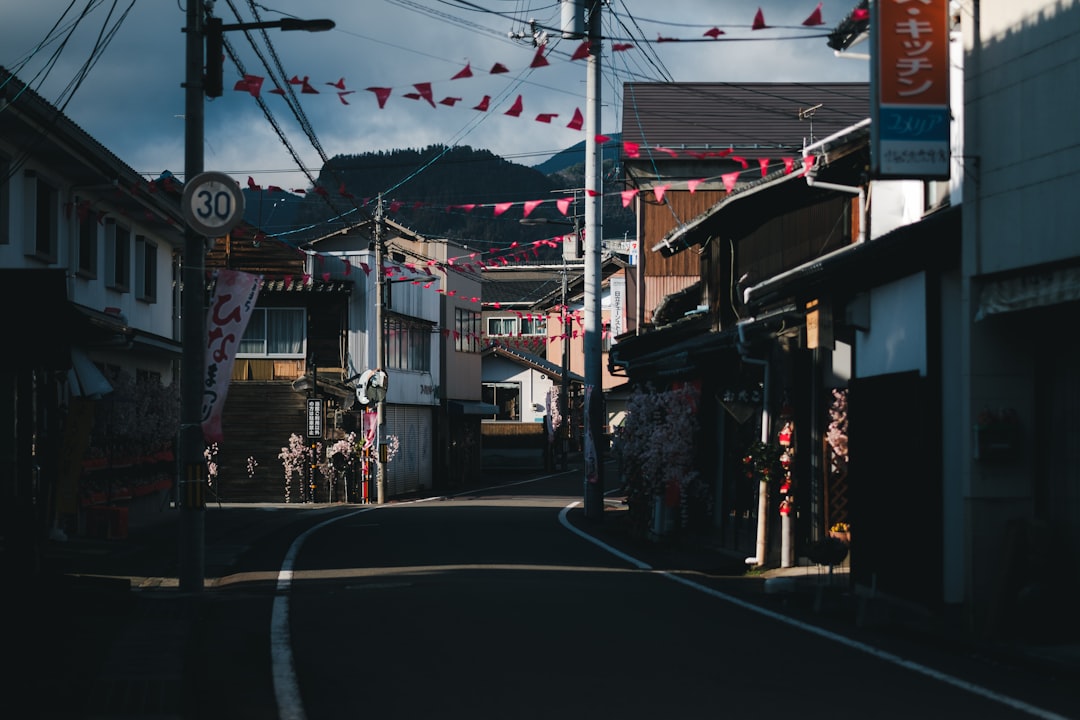
Many imagine post towns as period-theme parks or fully reconstructed sites. The reality in Kyoto, Nara, and Kamakura differs. These districts remain ordinary residential neighborhoods where local life continues. Many old buildings have been repeatedly renovated to suit modern use. Rather than complete “restoration,” these post towns exist through a balance of “continuity and change.”
When visiting, respect this “living history.” Be thoughtful when photographing, and avoid entering private homes without permission.
※This article reflects information current as of 2026-05-12. Temple visiting hours and event schedules may change; please confirm via official websites before traveling.
Travel teaches us more through unexpected encounters than through perfect planning. Use this article as guidance, and adjust your visit based on current conditions and seasons.
Summary
Visiting post towns in ancient cities is one of the finest ways to understand Edo-period Japanese society. Consider these three points as you plan your own pilgrimage:
-
In Fushimi, Kyoto, experience the fusion of sake brewing and post-town functions, reading the daily life of the era through architectural ingenuity.
-
In Yagyū, Nara, learn how martial arts and tea culture connected to the post town, and feel historical continuity by walking the old road.
-
In Zaimokuza, Kamakura, understand the unique character of a post town at the sea-and-land intersection, imagining the hardships of travel through seasonal environmental shifts.
Seasons turn. Your next journey to an ancient capital may begin by quietly passing through the gate of a post town.