Walking the Historic Roads of Kyoto, Nara, and Kamakura — What Post Towns Reveal About Japanese Travel Culture
The Roads and Villages That Connect Japan’s Ancient Cities
When visiting Japan’s ancient capitals, many travelers head directly from the station to major attractions. But before the Edo period, travelers walked along highways, stayed in post towns, and moved through the landscape with an awareness of the local rhythms and crafts around them.
Around the ancient capitals of Kyoto, Nara, and Kamakura, traces of these historic roads remain visible today. Stone-paved streets lined with traditional wooden townhouses, shops selling Buddhist altar fittings and tea, mountain passes with their own quiet character. These landscapes are more than tourist resources—they offer clues to what kind of experience those earlier travelers actually had.
In this essay, I examine the surviving roads and post towns through direct observation and historical context, exploring what forms they take and why the travel culture they embody still matters.
The Essential Point
The roads and post towns around Japan’s ancient cities are living archives of Edo-period travel, lodging, and food culture. By taking time to walk and pausing at way stations to feel the seasons, you can almost step into the shoes of travelers from centuries past. Kyoto’s Fushimi Inari approach road, Nara’s Yagyu Highway, and Kamakura’s Keshozaka slope in particular preserve the original structure remarkably well, offering a depth that single-day tourism cannot match.
How the Roads Connecting Ancient Cities Came to Be
The Role These Highways Played
During the Edo period, roads were far more than simple paths. They were the arteries of commerce, information, and culture. Samurai traveled them during the sankin-kotai (feudal lords’ mandated journeys to the capital), merchants transported goods, and pilgrims sought sacred sites.
Multiple major routes crisscrossed the regions around the ancient capitals: the Nara Highway connecting Kyoto and Nara, the Fushimi Highway linking Kyoto and Fushimi, the Hama Highway between Kamakura and Enoshima. These roads were developed to take advantage of terrain and existing shrine and temple approaches, and every detail—from grade to angle of turn—was designed with travelers and pack animals in mind.
Several sections of these highways survive today as walking paths or local roads. The approach to Kyoto’s Fushimi Inari Shrine, for example, still shows the stepped design that once accommodated large numbers of pilgrims.
The Function and Structure of Post Towns
Post towns served as stations for changing horses and as lodging and dining facilities for travelers. A day’s journey typically covered 30 to 50 kilometers on horseback. Accordingly, post towns were spaced at regular intervals along the roads, each equipped with hatago (inns), tea houses, and stables for animal care.
The Yagyu district in Nara Prefecture is known as a former post town along the Yagyu Highway. Parts of the old streetscape are preserved today—stone-paved roads, homes with earthen walls, stone lanterns and markers—offering visible reminders of that era’s passage.
Post towns operated on strong seasonal rhythms. Spring brought pilgrim crowds during cherry blossom season; autumn saw merchant traffic peak; winter quieted the streets as fewer travelers ventured out. The records of the Edo period reflect these variations, and fundamentally, this seasonal structure mirrors today’s tourism cycles.
Historic Road Landscapes That Survive in Kyoto, Nara, and Kamakura
Fushimi Inari and the Culture of Its Approach Road
Kyoto’s Fushimi Inari Shrine draws millions of visitors annually. Looking at the structure of its approach road reveals the intentions of Edo-period road construction.
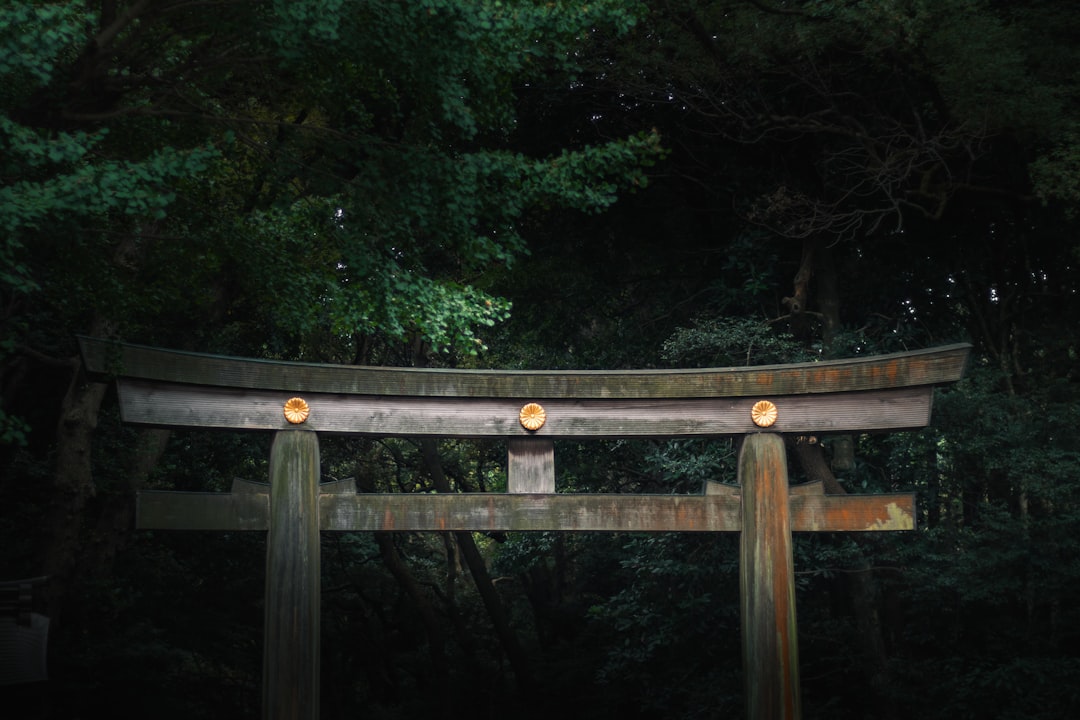
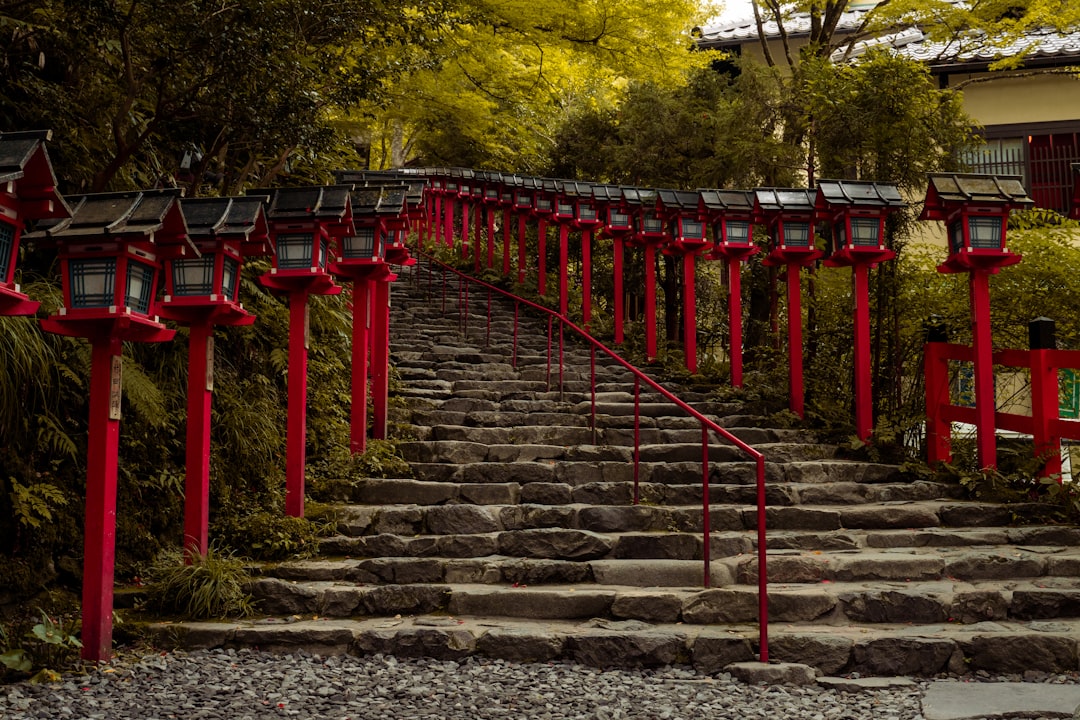
The approach winds through vermillion torii (shrine gates), growing steeper as it climbs. This grade was designed to accommodate large numbers of pilgrims and horses moving in both directions. Every detail—step height, tread width, angle of turn—derived from how people actually moved through the space.
Walking this approach early in the morning today, you encounter local residents heading to worship. Your footsteps echo on stone pavement much as they would have centuries ago. Some buildings beside the path, believed to be the remains of old tea houses, still operate; stepping into the shade to drink tea or eat inari sushi (fried tofu pouches with rice) mirrors the experience of travelers from that time.
What distinguishes the Fushimi Inari approach is its switchback design. Rather than ascending straight, the path turns left and right repeatedly, easing the grade while building anticipation and a sense of spiritual ascent.
Nara’s Yagyu Highway and Mountain Crossing
The Yagyu Highway, heading east from Nara city, is known today as a hiking trail spanning roughly 25 kilometers. Samurai, farmers, and merchants once traveled this road daily.
What distinguishes this highway is that it continues to function as a living route. Local residents carry vegetables; schoolchildren walk to school. Within these everyday journeys, the breath of an Edo-period road lives on.
Along the route, remnants of former post towns scatter: stone lanterns, guideposts (milestones marked with direction and distance), the traces of water sources. These structures, designed for travelers’ convenience, survive as weathered records spanning a hundred years or more. The area around Yasaka Pass near the summit is particularly rich in stone structures carved into cliff faces.
Season matters greatly when walking the Yagyu Highway. Early summer’s green, autumn’s leaves, winter’s frost—each season becomes a clue to what weather and conditions the earlier travelers faced on this route.
Kamakura’s Hama Highway and the Trace of Keshozaka
Kamakura, ringed by mountains on three sides, could only connect to the outside world through mountain passes. From the time of the Kamakura shogunate, several passes served as strategic gateways.
Keshozaka (literally “makeup slope”) is one such pass. Today it appears as a steep staircase for tourists, but originally it was wide enough to accommodate both horses and people. The earthen embankments on either side, tree roots reinforcing the surface, patches of stone pavement—all tell of historical maintenance.
Descending Keshozaka into Kamakura’s valleys, you encounter densely clustered old homes and temples. Buildings believed to be the remains of inns and tea houses scatter throughout, making it easy to imagine what rest and refreshment the travelers sought upon arrival.
The Hama Highway, connecting Kamakura and Yokohama, also preserves several sections today. Centuries-old pine groves, seascape vistas, and traces of ancient one-ri (roughly 4-kilometer) marker stones all convey the physical environment of travel from that era.
Experiencing the Living Culture of These Roads
How Seasons Shape the Rhythm of Post Towns
Visiting these roads and towns requires awareness of seasons. Spring brought bustling crowds of pilgrims; autumn saw merchants at peak traffic; winter wrapped the towns in quiet. These shifts appear in historical records and still hold true today.
Visiting the roads around Uji Tawara in Kyoto in both spring and winter reveals striking differences—tea sales volume, the faces of customers, the overall character of trade. Spring marks new tea season, when merchants and pilgrims seek tea as a souvenir; winter emphasizes the road’s role as a local route, with fewer travelers passing through. This rhythm of activity remains fundamentally unchanged.
What Appears When You Stop
Walking rather than rushing reveals landscapes otherwise invisible. Along the Yagyu Highway near a stone structure once marking a horse watering place, you can hear water trickling from a cliff face, making tangible how precious that water was to a traveler crossing a long mountain pass.
Similarly, beside the Keshozaka steps stands a building believed to be a former tea house. Standing in its shadow, you can almost sense the conversations and refreshments travelers shared there after crossing the pass.
Descending into a post town’s streets, running your hand along earthen walls, feeling the texture of stone pavement underfoot—these sensory confirmations create understanding that books alone cannot provide.
What the Roads Teach Us Today
Walking the roads around ancient cities is time travel to an era with not just different transportation, but a fundamentally different sense of time itself. At 30 to 50 kilometers per day on horseback, staying overnight at post towns, and continuing the next morning, the traveler experienced a deliberate, contemplative pace utterly unlike today’s day trips and express trains.
The road walker experiences weather changes, foot fatigue, and terrain directly. This process deepens interest in the destination naturally. Encounters with local people, seasonal foods, and regional crafts encountered along the road create impressions wholly different from viewing tourist sites through a car window.
The roads around ancient cities function as tourist heritage while simultaneously teaching, through direct experience, the value of taking time.
※This article is based on information current as of May 15, 2026. Temple and shrine visiting hours and festival schedules may change; please check official websites before visiting.
Travel’s true gift comes from unexpected discoveries made on the spot rather than from advance planning. This article is offered as reference material; final decisions about visiting should reflect current local conditions and seasonal factors.
Key Takeaways
-
Kyoto’s Fushimi Inari approach, Nara’s Yagyu Highway, and Kamakura’s Keshozaka preserve the structure of Edo-period roads remarkably well, offering clues to the pace and scenery travelers once experienced.
-
Post town activity followed strong seasonal patterns—spring pilgrimage rushes, autumn merchant traffic, winter quiet—rhythms that align with modern tourism seasons as well.
-
Walking rather than driving, and pausing along the way, reveals depths and a sense of time that no guidebook can capture.
Photo by Breana Mae on Unsplash