How to Taste Sake: A Traveler’s Guide to Temperature, Rice, and the Label
Sake menus defeat many travelers. The names are long, the labels are calligraphy, and the difference between one bottle and the next is invisible from the outside. So people order at random, drink politely, and leave without knowing what they drank.
It does not take expertise to do better. It takes three small ideas: temperature, rice, and a little label grammar.
The Point
Sake changes character with temperature, so taste the same sake cold, at room temperature, and warm whenever you can. On the label, the words junmai, ginjo, and daiginjo tell you how the rice was treated. Order a tasting set (nomikurabe) instead of a single glass, and you will learn more in one sitting than in a week of guessing.
What Sake Actually Is
Sake, called nihonshu in Japan, is brewed from rice, water, yeast, and koji, a cultivated mold that converts rice starch into fermentable sugar. It is brewed like beer rather than distilled like spirits, and most sake sits near the strength of a fortified wine.
Two ingredients carry most of the character. The rice variety shapes flavor and body, and brewers prize particular strains grown for sake rather than for the table. The water defines the texture; brewing regions often grew up around famous springs, which is why certain towns are crowded with breweries (the Nada district of Kobe and Fushimi in Kyoto are classic examples).
Temperature Is Half the Experience
One November, I visited a local brewery during the season when the year’s first pressings appear. The brewer poured the same sake three ways: chilled, at room temperature, and gently warmed. I had not expected the rice variety and the temperature to matter so much, but the three cups barely seemed related. Cold, it was crisp and quiet. Warm, it opened into something rounder and almost savory.
That comparison is the single best lesson in sake, and you can repeat it almost anywhere. Chilled (reishu) flatters aromatic, delicate styles. Room temperature shows balance honestly. Warmed (kanzake) suits fuller, earthier styles, especially in cold weather.
If a menu offers the same sake at different temperatures, that is an invitation. Take it.
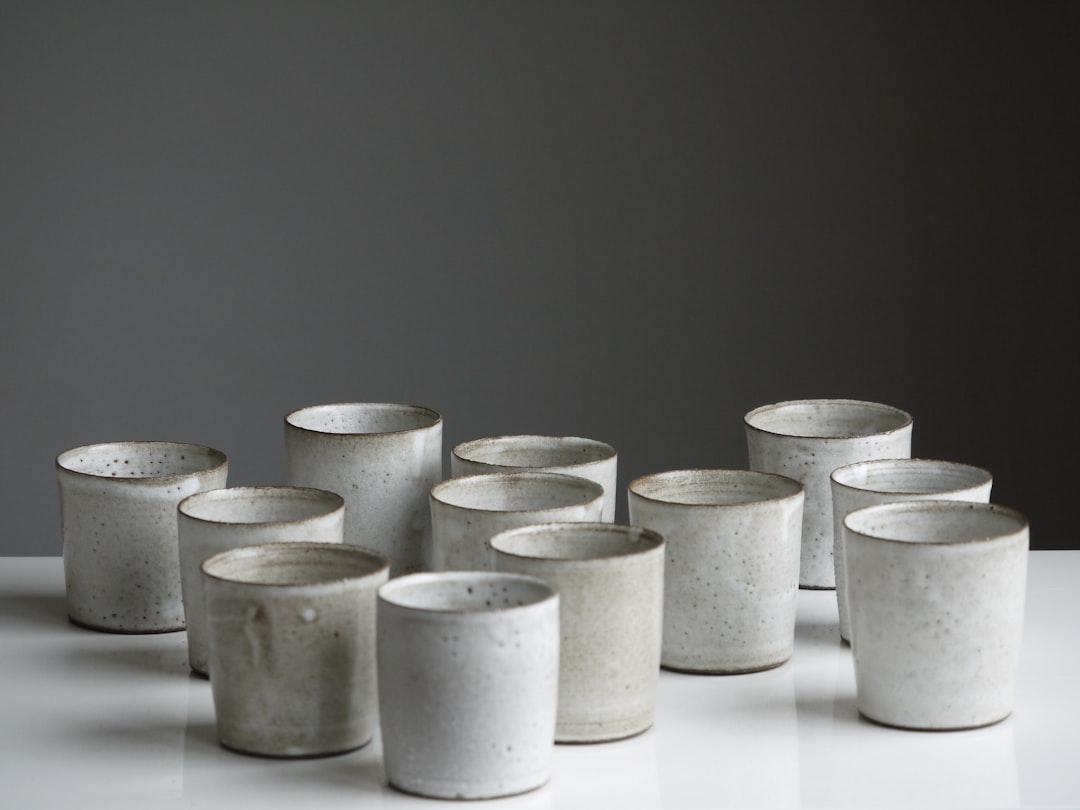
Vessels matter too, though less than temperature. A wide ceramic cup softens aroma; a small glass concentrates it; the little wooden box called a masu adds a faint scent of cedar. Some bars let you choose your cup from a tray. Choose playfully. The ritual is part of the flavor.
Reading the Label: Junmai, Ginjo, and Polish
Before brewing, sake rice is milled to remove the outer layers of each grain. The more the rice is polished, the lighter and more aromatic the sake tends to be. Label terms encode this. As a general guide, ginjo indicates rice milled to around 60 percent of its original size or less, and daiginjo to around 50 percent or less, under the standards administered by Japan’s National Tax Agency.
The word junmai means the sake was made from rice, water, koji, and yeast alone, with no added brewer’s alcohol. So a junmai daiginjo is highly polished and pure-rice; a plain junmai is often fuller and more rustic. Neither is better. They are different tools for different tables.
Ordering Without Fear
Three useful phrases: “osusume wa?” (what do you recommend?), “nomikurabe” (a tasting flight), and “karakuchi” or “amakuchi” (dry or sweet). Staff at izakaya and sake bars answer these questions all day and will meet you halfway.
Tasting Sets and Brewery Visits
In sake bars, izakaya, and brewery towns, look for the tasting set: usually three small glasses arranged from light to rich. Taste left to right, take water between cups, and note only one thing per cup, such as aroma, sweetness, or weight. That is enough to start forming preferences.
Brewery visits reward a little planning. Many breweries welcome visitors to their shops and tasting counters, while tours of the brewing floor may be seasonal or require reservation, so check each brewery’s website before you go. Winter into early spring is the traditional brewing season, and brewery towns are at their liveliest then.
Food belongs in this conversation as well. Sake is built to accompany meals, and it forgives pairings that defeat wine: it sits comfortably beside miso, soy, grilled fish, fried food, and even pickles. A simple approach is to match weight with weight: light, aromatic styles with sashimi and tofu, fuller junmai styles with grilled or simmered dishes.
Buy a bottle of whatever surprised you. Surprise is a better souvenir than a famous name.
Travel often rewards what unfolds in the moment more than what was planned. This article is for reference; please make your final decisions based on current conditions and the season.
A Quiet Summary
- Temperature transforms sake; tasting one bottle cold, at room temperature, and warm is the fastest education available.
- Junmai means pure rice; ginjo and daiginjo signal higher polish and usually lighter, more aromatic styles.
- Order tasting sets, ask for recommendations, and treat brewery towns as destinations in their own right.
You do not need to become a connoisseur. You only need to notice what you like, and now you have the words to find it again. Kanpai, in moderation, and enjoy the search.
This article is based on information as of 2026-06-14. Temple and shrine hours, as well as event schedules, may change. Please check the official websites before visiting.
Edited by Shimaken
Photo by Jan Zinnbauer on Unsplash