Your First Ryokan Stay: Onsen Etiquette and Tatami Manners, Explained
Booking a ryokan is easy. Walking into one for the first time is where travelers grow nervous: where do the shoes come off, what happens at the bath, and how does one survive a dinner served at floor level?
The anxiety is understandable and almost entirely unnecessary. A ryokan is in the business of hospitality, and its rules exist to make the stay restful, not to test guests. A handful of customs covers nearly everything.
The Point
Three customs carry a ryokan stay: shoes off at the entrance (slippers off again on tatami), wash thoroughly before entering the communal bath and keep towels out of the water, and be present at the stated dinner time. Do these, and every other kindness of the house will come to you.
What a Ryokan Is, and What It Asks of You
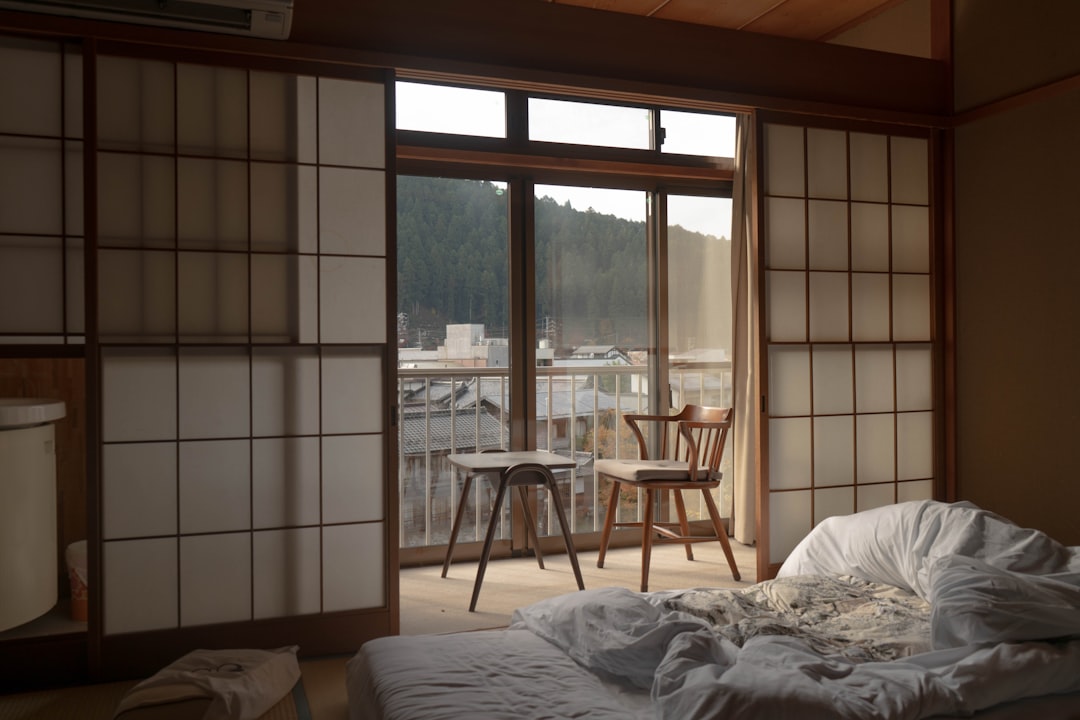
A ryokan is a traditional inn: tatami-floored rooms, futon bedding laid out in the evening, a communal bath that is often hot-spring fed, and meals served at set times, frequently in your room or a private dining space. The price usually includes dinner and breakfast, which is why it runs higher than a plain hotel room and why comparing the two on price alone misleads.
What the ryokan asks in return is participation in its rhythm. Dinner has a time. The bath has hours. The staff will lay your futon while you eat. Guests who surrender to this schedule tend to leave rested in a way hotels rarely manage.
Arrival: Shoes, Slippers, and Tatami
The entrance hall has a step, and the step is the border. Shoes come off there and go into the rack or are taken by staff; house slippers wait on the upper level. Wear the slippers in corridors, then remove them at your room door, because tatami is walked in socks or bare feet, never in slippers.
Inside the room, low table, cushions, and an alcove with a scroll or flowers. The alcove (tokonoma) is decorative; resist the urge to store luggage in it. Your yukata robe, provided in the room, can be worn to the bath, to dinner in most ryokan, and around the building.
The Bath: Onsen Etiquette in Order
-
Step 1: Undress completely
The changing room has baskets or lockers. Swimwear is not used in a traditional onsen bath; everyone bathes unclothed, and the small towel is your only companion.
-
Step 2: Wash before you soak
Sit at a washing station, soap and rinse fully, and leave no suds. The shared tub is for soaking, not cleaning, and entering it clean is the heart of the etiquette.
-
Step 3: Soak quietly, towel out of the water
Ease in, keep the small towel on your head or the tub’s edge, keep voices low, and never swim. When you leave, pat dry before the changing room so the floor stays dry.
One honest note: many baths ask guests with tattoos to cover them or to use private baths, and policies differ from house to house. If this concerns you, ask when booking; many ryokan offer reservable private baths (kashikiri-buro) that solve the matter gracefully.
Dinner, Seiza, and the Futon
Dinner is the ryokan’s performance: a procession of small seasonal dishes, often kaiseki style, served at the hour you agreed to at check-in. Arrive on time; the kitchen has choreographed the courses around you.
You may be seated on cushions at a low table. Here I will confess my own history: at my first formal tea lesson years ago, I sat in the kneeling seiza position so long that my legs went numb and I could not stand when the lesson ended. The lesson I took away applies to ryokan dinners, which are kinder than tea rooms: no one expects a guest to hold seiza through a meal. Sit cross-legged or to the side once the greetings are done, and shift as you need.
While you eat, staff lay out the futon. Sleep comes easily on a properly made futon; in the morning, leave it as it is or fold the cover back, and the staff will handle the rest. One practical note: check-out is typically mid-morning, so take the early bath before breakfast rather than after it.
Breakfast deserves a word of its own. A ryokan breakfast is a full set meal: grilled fish, rice, miso soup, egg, pickles, and often a regional specialty. It is served at a fixed time, like dinner, and it is designed to send you out the door properly fed. Travelers who normally skip breakfast tend to make an exception here, and rightly so.
Travel often rewards what unfolds in the moment more than what was planned. This article is for reference; please make your final decisions based on current conditions and the season.
A Quiet Summary
- The step at the entrance is the border: shoes off there, slippers off again at the tatami.
- Wash fully before soaking, keep the towel out of the water, and ask ahead about tattoo policies or private baths.
- Honor the meal times, sit comfortably rather than heroically, and let the staff manage the futon.
A ryokan rewards the guest who stops managing the evening and lets the house do it. That surrender is the real luxury on offer, and it costs nothing beyond a little trust.
This article is based on information as of 2026-06-15. Temple and shrine hours, as well as event schedules, may change. Please check the official websites before visiting.
Edited by Shimaken